Executive Overview
Few figures in modern music occupy a space as mythic, elusive, and culturally defining as Richard D. James, universally known by his primary moniker, Aphex Twin. Emerging from the crucible of the early-1990s United Kingdom rave scene, the Irish-born, Cornish-raised electronic musician rapidly established himself as one of the genre’s most inventive, mercurial, and unpredictable talents. Over a career spanning more than three decades, James has continually dissolved the boundaries between stark beauty and abrasive chaos, the organic and the mechanical, avant-garde composition and floor-filling techno.
Yet, analysing Aphex Twin is an exercise in subjectivity. Because his sonic palette is vast—stretching from glacial, immersive ambient soundscapes to hyper-kinetic, razor-sharp drill-and-bass—any ranking of his discography is bound to spark debate. What one listener considers a career masterpiece, another might view as an eccentric departure.
Nevertheless, exploring the entirety of his core album catalog offers an essential masterclass in how a singular British producer transformed from a Cornish bedroom tinkerer into an enduring cultural enigma. As internet subcultures, TikTok virality, and landmark album anniversaries continue to introduce his sprawling catalogue to generations who never experienced the original underground raves, the mystique of Aphex Twin remains more potent than ever.
Detailed Chronology: The Core Discography Ranked
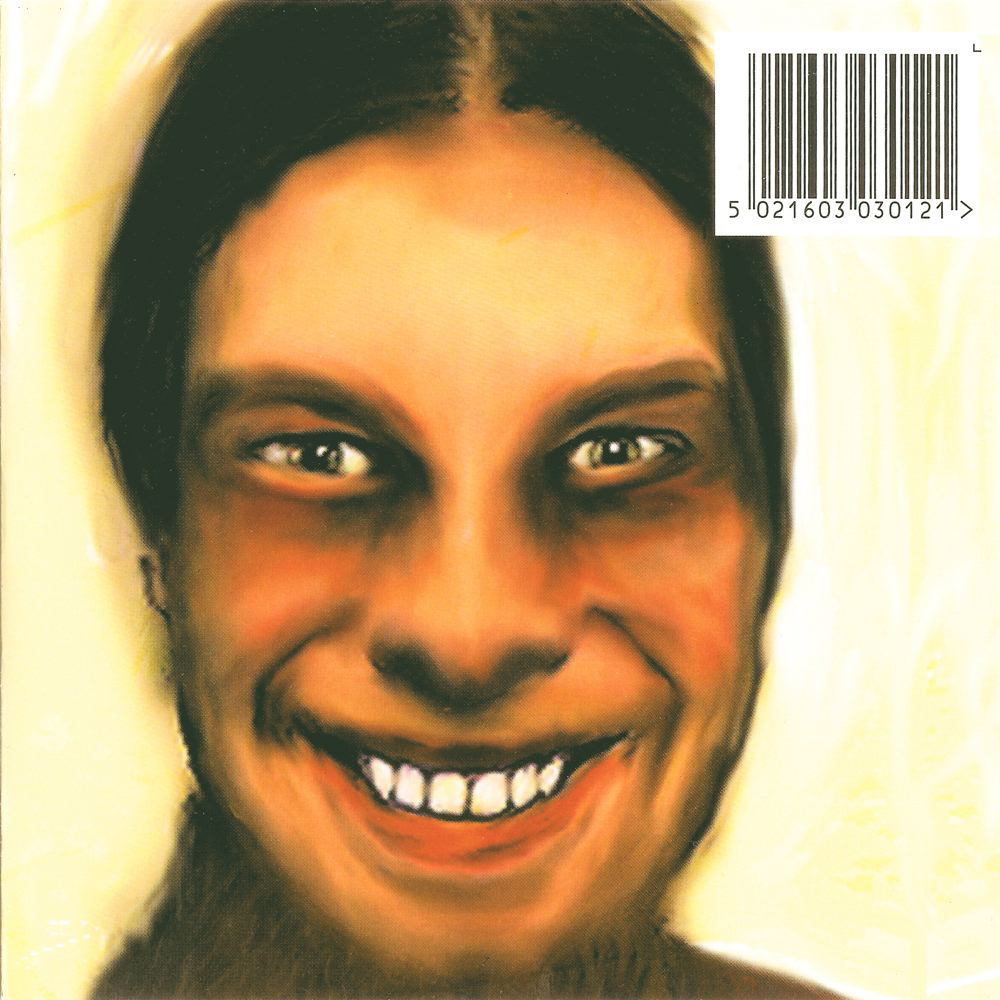
6. …I Care Because You Do (1995)
Following his monumental, highly atmospheric ambient masterwork Selected Ambient Works Volume II, Richard D. James executed a sharp pivot for his third full-length studio release. …I Care Because You Do finds Aphex returning to a collage of starkly contrasting ideas—tracks of vastly differing characters laced with wry in-jokes, palindromes, and private references.
Consider the titles: "Acrid Avid Jam Shred" is an anagram of Richard D. James; "Ventolin" takes its name from an asthma medication and serves as one of the most breathless, punishingly abrasive tracks in his catalogue; "Alberto Balsalm" is named after a drugstore shampoo; and "Come On You Slags" incorporates dialogue sampled directly from an adult film.
Sonically, the record bridges two distinct eras. It hovers uncomfortably yet brilliantly between the subterranean ambient depths of SAW II and the crisp, digital glitch-artistry of his subsequent self-titled release. Warm, undulating analogue synths collide with heavy, distortion-laden beats, presenting a more rhythmically conventional version of Aphex Twin without ever sacrificing his trademark weirdness. As James himself explained in a 1995 Paper Magazine interview regarding the shift toward more rhythmic structures:
"The tracks I chose were part of a conscious effort to be more conventionally accessible, featuring rhythm of some kind. I don’t really care, but I thought since the last one wasn’t [rhythmic], I’d make this one so it was."
- Best Track: "Cow Cud Is A Twin" / "Alberto Balsalm"
5. Selected Ambient Works Volume II (1994)
Widely regarded as James’s definitive ambient statement, this sprawling, two-and-a-half-hour double album is a masterclass in minimalism, eerie soundscapes, and spiritual depth. Inspired heavily by lucid dreaming and synaesthesia, Selected Ambient Works Volume II is less a collection of songs and more an entire ecological architecture of sound.
Its low placement on this list is perhaps its most controversial aspect, as critics and purists frequently rank it among the greatest ambient albums ever committed to tape. However, its immense, hypnotic weight makes it less of a casual daily listen compared to the rhythmic kineticism of Drukqs or Syro.
It is an experience above all else—an exploration of how sound mirrors environment. One moment, the listener is enveloped in the nostalgic, hazy warmth of track #3 (affectionately code-named "Rhubarb" by a devoted fanbase); the next, they are cast adrift on a freezing, inhospitable expanse with tracks like #4 or #24. Void of traditional track titles, the album requires a meditative headspace, rewarding those willing to immerse themselves completely in its hushed, desolate majesty.
- Best Track: "#3" ("Rhubarb")
4. Syro (2014)
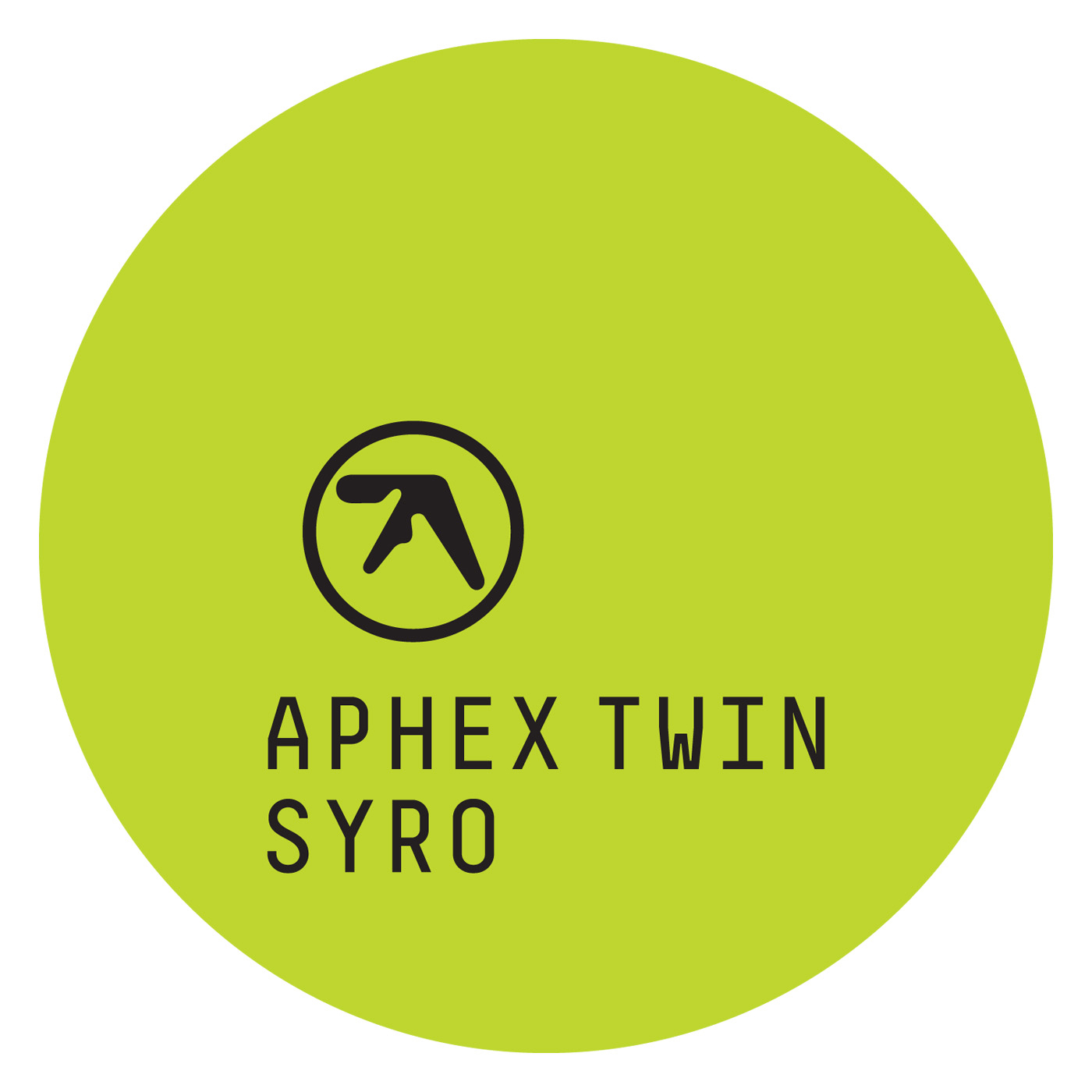
Arriving after a daunting thirteen-year hiatus following 2001’s Drukqs, Syro marked Aphex Twin’s triumphant return to full-length album releases. While some contemporary critics initially argued that Syro lacked the jagged, unhinged eccentricities of his 1990s output, time has proven the record to be among his most sophisticated, groove-heavy, and deeply textured works.
Assembled from material recorded over several years across multiple personal studios, Syro is surprisingly cohesive. It also stands as one of his most intimate projects. The album features the actual recorded voices of James’s young children, his wife, and his parents, alongside his own manipulated, vocoded vocals on the opening breakbeat workout "minipops 67 [120.2]". The album closes with "aisatana", a devastatingly fragile piano composition dedicated to his wife (Anastasia spelled backward).
Syro captures the essence of the pre-internet rave era—an epoch James famously romanticised in a 2014 interview with Pitchfork:
"I used to love jungle. I still think it’s the ultimate genre, really, because the people making it weren’t musicians… There was only a couple of years where people didn’t know what they were doing, and you got all these samples that are just totally not related in pitch. I really hunt down those records."
- Best Track: "minipops 67 [120.2]"
3. Richard D. James Album (1996)
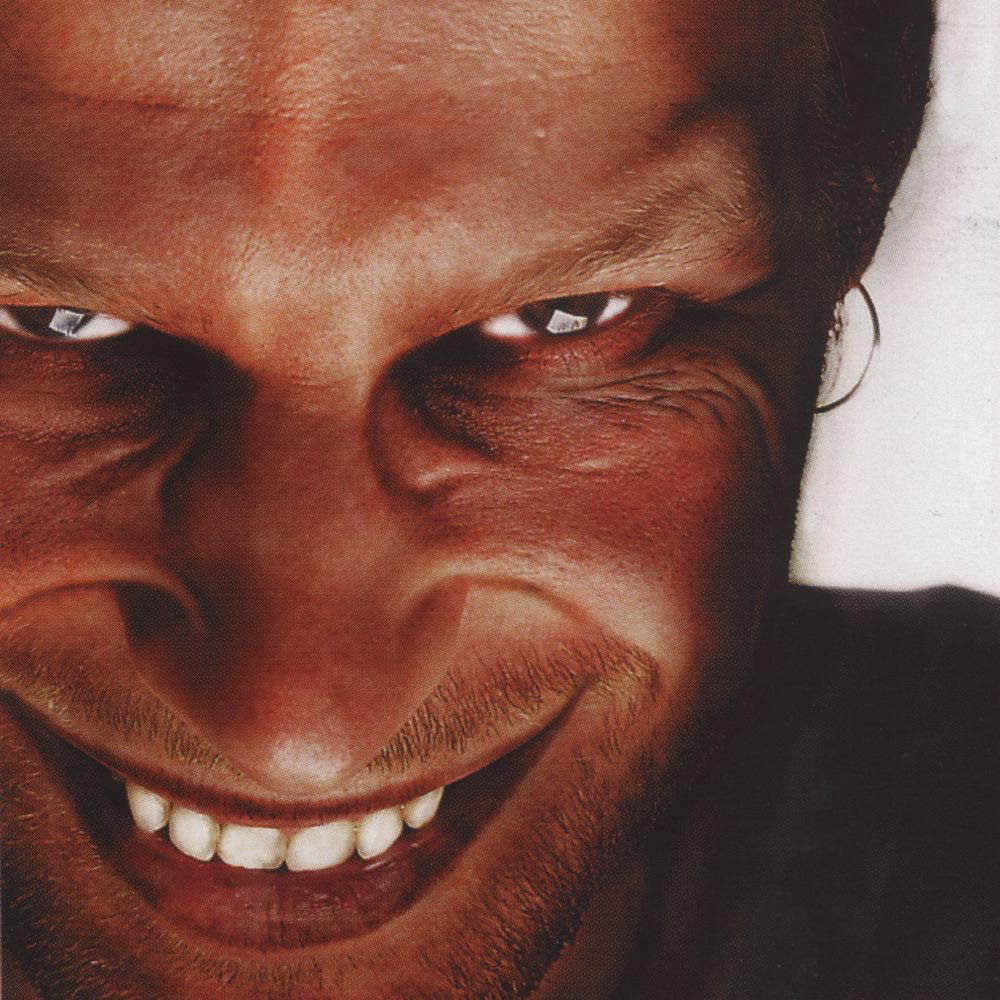
Deliberate, punchy, and utterly uncompromising, the Richard D. James Album wastes no time. Spanning just ten tracks across a brisk 32 minutes, it packs an astonishing amount of sonic disruption into a compact runtime.
Driven relentlessly by fast-paced, hyper-syncopated breakbeats, the record became a foundational blueprint for "drill and bass"—a ferocious subgenre of electronic music defined by impossibly intricate, chaotic drum programming. James had already begun pioneering this aesthetic a year prior under his AFX pseudonym via the Hangable Auto Bulb EP.

What elevates the Richard D. James Album above mere technical exercise is the juxtaposition at its core. Frantic, high-speed percussion is violently pitted against lush, weeping strings and delicate, pastoral melodies, particularly on tracks like "Girl/Boy Song". It is peak Aphex Twin: uncanny, brilliant, and deceptively emotional.
- Best Track: "Peek82454201"
2. Drukqs (2001)
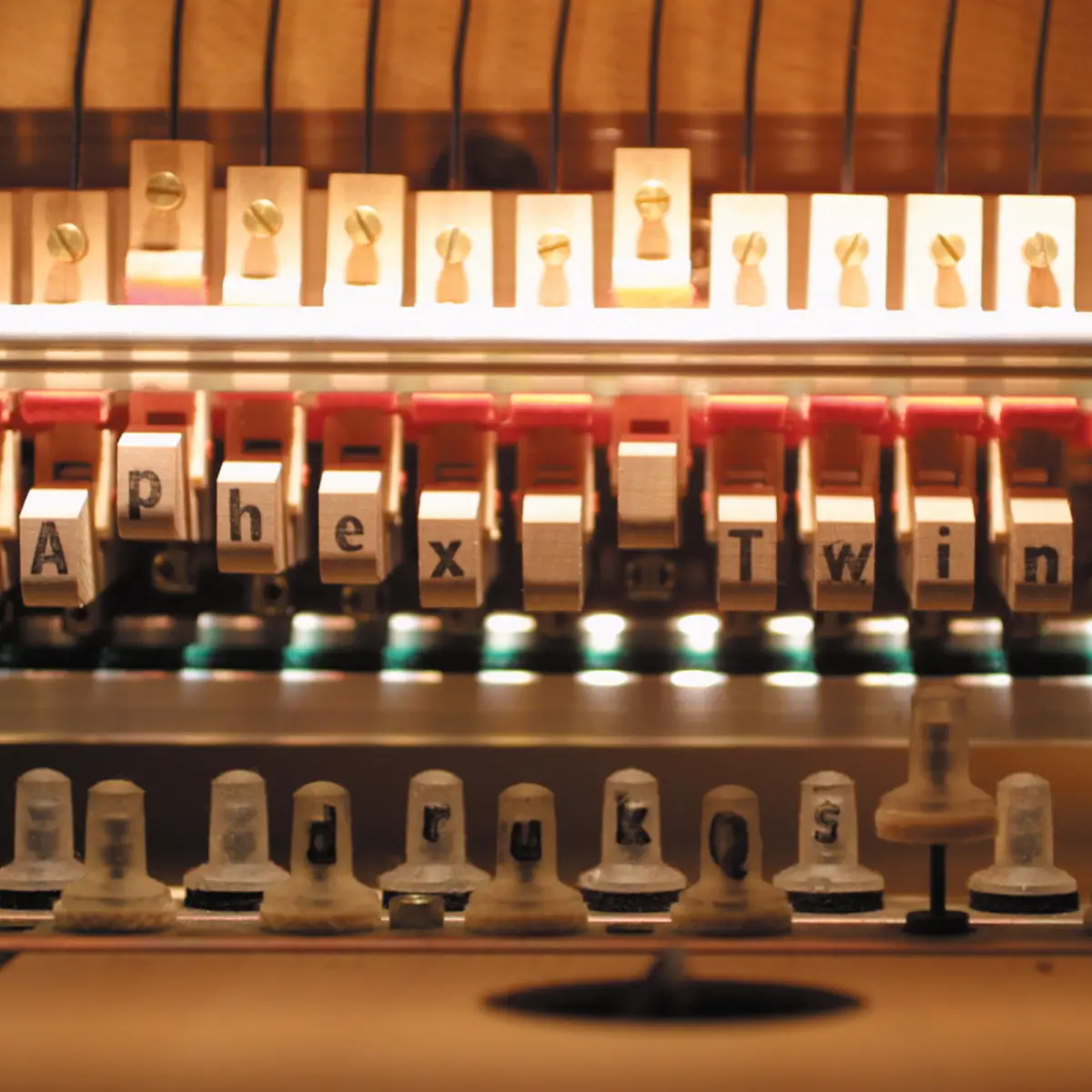
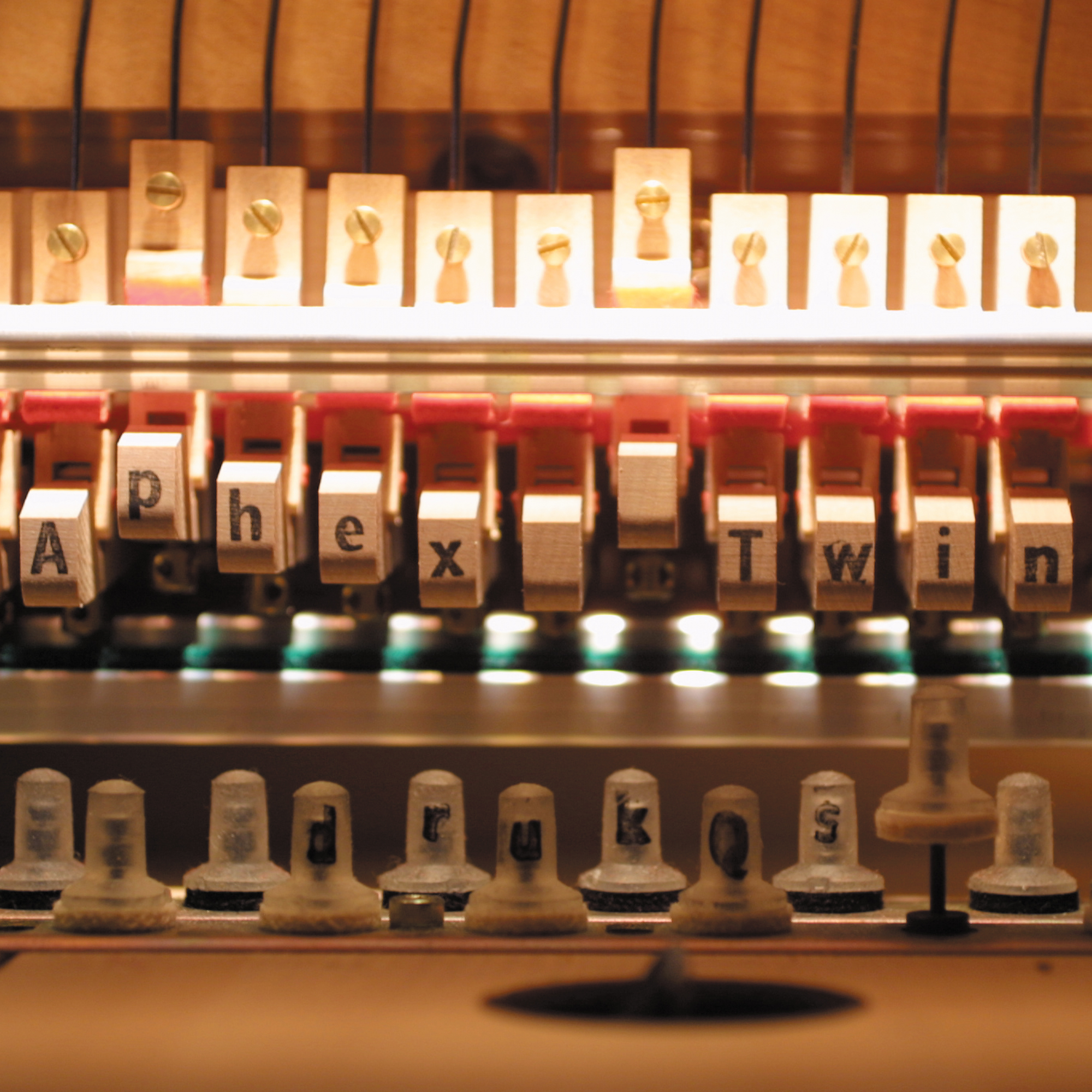
Often characterised as James’s ultimate "showing off" record, Drukqs is a sprawling, thirty-track, one-hour-and-forty-minute marathon that pushes every dial on the Aphex spectrum to its absolute limit. The record’s emotional and dynamic whiplash is staggering, oscillating wildly between the jittery, mutating, acid-drenched fury of "Vordhosbn" and the breathtaking, minimalist piano purity of "Avril 14th".
Upon release, this jarring stylistic juxtaposition divided critics. Pitchfork, for instance, famously dismissed the album’s quieter classical moments as "languid noodlings," comparing them unfavourably to 1980s new-age aesthetics. History, however, has delivered a swift verdict: those criticisms have aged poorly.
Today, the viral ubiquity of tracks like "Avril 14th" and "QKThr" across TikTok, internet memes, and short-form video essays proves that Drukqs possesses an enduring, emotional resonance. It misses the top spot by a razor-thin margin, but in terms of sheer ambition, it remains an untouchable monument.
- Best Track: "Vordhosbn" / "Avril 14th"
1. Selected Ambient Works 85-92 (1992)
To understand the enduring cultural gravity of Richard D. James, one must inevitably return where it all began. Selected Ambient Works 85-92 (SAW I) is the quintessential Aphex Twin album, perfectly capturing the expansive, gorgeous ambient textures that underpin his entire artistic philosophy.
Compiled from tracks recorded across his adolescence, the album is far from a one-note lullaby. Just as the listener drifts into the ethereal, hypnotic spaces of "Xtal", "Tha", "Pulsewidth", or "We Are The Music Makers", James rudely awakens them with the wicked, squelching acid-house bubble of "Green Calx". It is a masterclass in balance—melancholic yet life-affirming, alien yet deeply human.
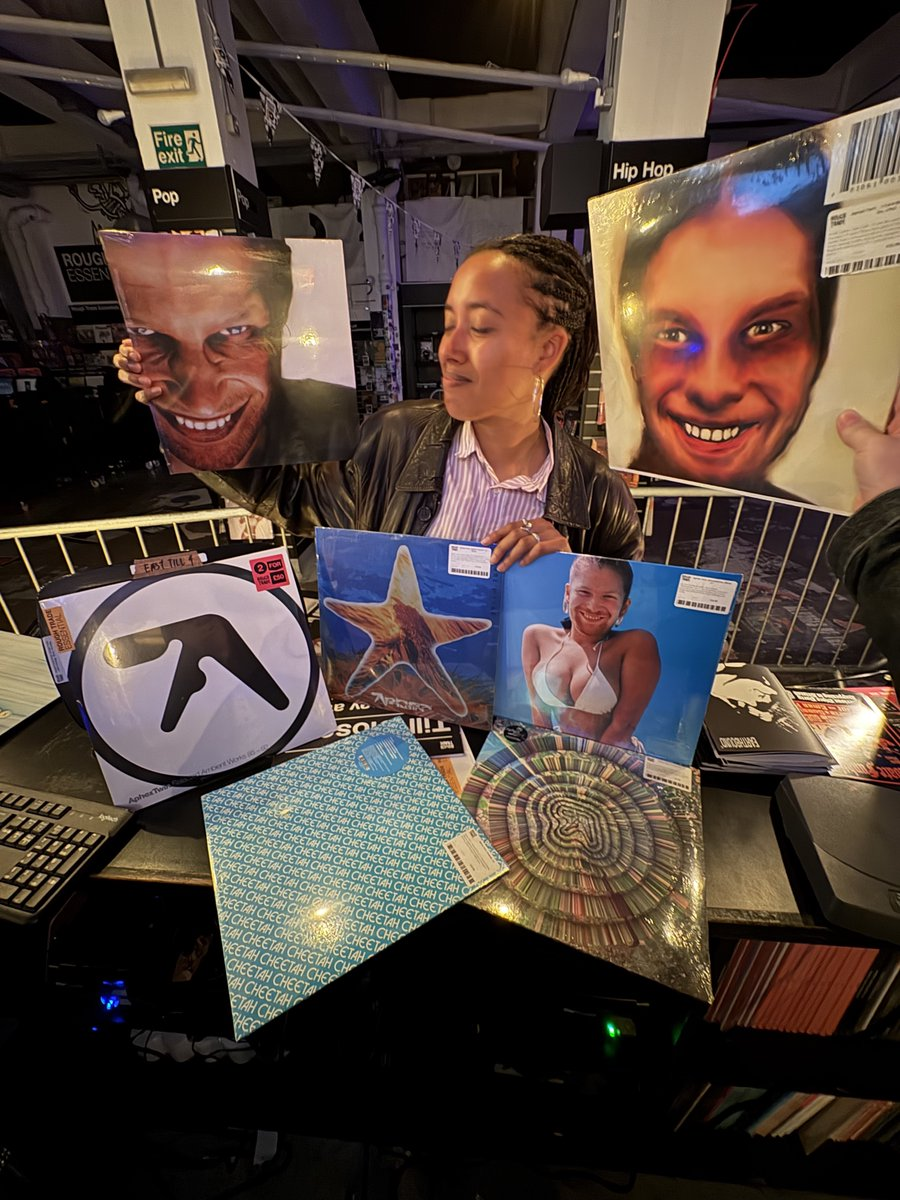
Beyond its peerless sonic achievements, SAW I permanently wedded Aphex Twin’s music to its visual mythology. It popularised the iconic, alien-esque black-and-white ‘Aphex A’ monogram—a simple, unsettling geometric emblem designed by graphic designer and former rave dancer Paul Nicholson that remains one of the most recognisable logos in modern music history.
- Best Track: "Pulsewidth"
Supporting Context & Metrics: The Internet Age Resurgence
The cultural footprint of Aphex Twin is currently experiencing a massive, metrics-defying renaissance. As Drukqs celebrated its twenty-fifth anniversary in 2026, streaming analytics revealed a staggering trend: tracks that were once hidden deep within complex tracklists—such as "QKThr", "Avril 14th", and "Jynweythek"—have exploded across TikTok, Instagram Reels, and YouTube Shorts.
This algorithmic rediscovery has propelled staggering streaming milestones. Driven almost entirely by internet culture, meme-literate youth movements, and ambient playlist curation, Aphex Twin’s monthly listener metrics on platforms like YouTube Music have frequently eclipsed mainstream titans such as Taylor Swift. It is a fascinating cultural inversion: an artist famous for shunning the traditional music industry machinery is currently conquering the digital attention economy entirely on his own terms.
Official Statements & Industry Perspective
In discussions surrounding the enduring legacy of Aphex Twin, musicologists, marketing executives, and contemporary producers frequently point to his unparalleled refusal to conform to genre expectations. Georgia Mulraine, Content Manager at Rough Trade, notes:
"With so much versatility of sound, it feels that any Aphex Twin ranking is going to be especially subjective. What might be considered his best might not be everybody’s favourite, but what we all can agree on is that a listen to every one of these albums helps us understand how the British producer has ended up such an enduring cultural enigma."
From fabricating bizarre interviews and orchestrating surreal live stunts—such as dropping a live microphone into a spinning kitchen blender or dragging a turntable needle across a sheet of sandpaper during a 1995 set at New York’s Knitting Factory—James has consistently weaponised mystique. He is simultaneously revered as an acoustic genius and remembered as electronic music’s ultimate prankster.
Future Outlook: Essential Extensions & Collector’s Culture
For listeners eager to venture beyond his core studio albums, James’s extended play (EP) catalogue and alias projects offer a treasure trove of vital listening:
- Blackbox Life Recorder 21f / In a Room7 F760 (2023): A welcome, critically acclaimed return to new material, pairing intricate, propulsive electronics with moments of hazy, reflective introspection.
- Analogue Bubblebath (1991): Released under his AFX alias, this raw, acid-soaked techno release captures the pure, restless energy of the nascent UK rave scene.
- Come to Daddy EP (1997): A landmark exploration of electronic music’s darker, industrial underbelly, featuring the feral, distorted vocals and sheer menace of its title track.
- Windowlicker (1999): A warped, futuristic deconstruction of R&B and funky electro, immortalised by Chris Cunningham’s deeply unsettling, body-horror-infused music video.
As physical music collectors continue to seek out tangible connections to legendary electronic works, items like the official Warp Records x Rough Trade screen-printed Aphex Twin logo T-shirt—crafted from 100% organic ring-spun cotton—offer fans a way to wear their allegiance loud. Whether through physical vinyl reissues, viral social media sounds, or cavernous ambient soundscapes, Richard D. James remains permanently ahead of his time, guarding the outer limits of electronic sound.