Executive Overview
The contemporary landscape of pop music thrives on reinvention, theatricality, and narrative-driven rollouts. Few artists navigate this intersection as adeptly as British chart-topper Paloma Faith. Known for her powerhouse vocals, vintage aesthetic, and unflinching emotional candor, Faith has officially signaled the dawn of her next musical era.
With the unexpected release of a series of cryptic, retro-themed teaser trailers across her digital platforms, the multi-platinum-selling artist has given fans a tantalizing first taste of her upcoming single, tentatively titled "Gone." The track is widely anticipated to serve as the lead single and thematic anchor for her seventh studio album. This forthcoming body of work follows hot on the heels of her critically acclaimed, raw 2024 release, The Glorification of Sadness.
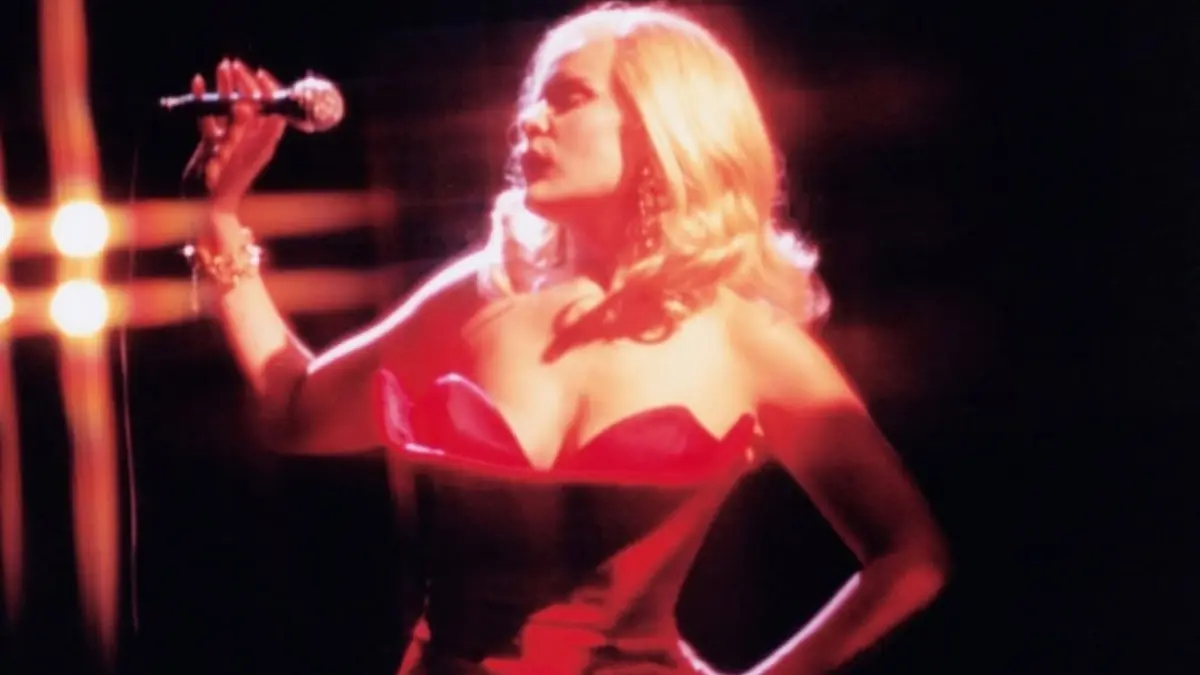
The rollout for "Gone" has immediately captured the attention of both the music industry and her devoted fanbase. Eschewing the conventional approach of simply dropping a promotional image or a straightforward audio snippet, Faith has opted for a conceptual, meta-narrative campaign. Utilizing a vintage broadcast framing device that mimics 20th-century television news, weather reports, and teleshopping segments, the teaser playfully announces that the singer is "gone." This high-concept introduction culminates in a vivid, striking visual of the artist sporting platinum blonde hair, a dramatic red dress, and matching crimson lipstick, before offering a lyrical preview of the track.
As the industry looks toward the officially designated date of November 13, 2026—the only text accompanying the primary teaser—this comprehensive report examines the anatomy of Paloma Faith’s latest campaign. We will explore the chronology of the teaser drops, contextualize her career trajectory following The Glorification of Sadness, analyze the creative strategies driving modern pop album rollouts, and project what this bold new era means for the enduring British songstress.
Detailed Chronology: Unpacking the Rollout of ‘Gone’
The campaign for Paloma Faith’s seventh studio era began with a masterclass in modern digital misdirection. In an era where surprise drops have become commonplace, Faith chose a deliberately old-school, multi-part theatrical unfolding that rewarded attentive fans and piqued the curiosity of casual listeners alike.
Phase One: The Broadcast Disruption
The initial salvo in the campaign arrived via Faith’s official social media channels, utilizing an Instagram Reel that instantly subverted expectations. Rather than showing the artist in a contemporary recording studio or on a polished red carpet, the video opens with the aesthetic of a grainy, mid-century television broadcast.
A news anchor, speaking with the formal cadence of a 1970s or 1980s network broadcaster, looks directly into the camera to deliver a startling piece of news: "We have breaking news: British singer Paloma Faith is gone."
The broadcast immediately cuts through a series of rapid-fire, vintage-style television tropes. Viewers are treated to a delightfully campy vintage weather forecast segment, followed by a parody of a teleshopping infomercial—both classic staples of retro analog television. This deliberate juxtaposition of mundane broadcast interruptions with the shocking "disappearance" of a major pop star set a surreal, tongue-in-cheek tone for the era.
As the chaotic broadcast segment winds down, the screen transitions to the opening moments of a new musical performance. Faith makes her dramatic entrance bathed in theatrical lighting, showcasing a striking new visual identity: luminous blonde hair contrasting sharply against a bold, crimson red dress and matching lip. The clip fades out, leaving behind no explanatory press release or standard promotional copy—only a stark numerical date: 13/11/26.
Phase Two: The Lyrical Tease
Understanding the hunger of her fanbase for actual musical content, Faith followed up the conceptual trailer with a second, more sonically focused clip just days later. This subsequent preview offered a direct snippet of the singer performing a verse from the upcoming single.
Accompanied by the enigmatic caption, "Not everything that’s gone is lost," the second clip peeled back the conceptual layers of the first trailer to reveal the emotional core of the music. While the instrumentation remains partially shrouded in mystery—hinting at sweeping orchestrations and dramatic rhythmic builds characteristic of her finest work—Faith’s unmistakable vocal delivery takes center stage. The raw power and textured resonance of her voice immediately recall the emotive weight of her biggest balladry, while simultaneously pushing into fresh, cinematic sonic territory.
The strategic sequencing of these two clips—first establishing a high-concept, mysterious narrative framework, and subsequently grounding it in powerful vocal execution—demonstrates a sophisticated understanding of audience engagement in the digital age.
Supporting Context & Metrics: The Road to Album Seven
To fully appreciate the significance of this new era, one must examine the commercial and creative journey that preceded it. Paloma Faith’s career has been defined by consistency, artistic evolution, and an unbreakable connection with the British public.
The Legacy of The Glorification of Sadness
Released in 2024, Faith’s sixth studio album, The Glorification of Sadness, represented one of the most creatively vulnerable epochs of her career. Conceived in the wake of significant personal upheaval—specifically, the end of her long-term relationship and the navigating of co-parenting—the album served as a sonic diary of heartbreak, resilience, and reconstruction.
Commercially, The Glorification of Sadness reinforced Faith’s enduring chart dominance in the United Kingdom, debuting high on the Official Albums Chart and earning widespread critical acclaim for its unflinching lyricism. Tracks from the record showcased an artist willing to strip away pop artifice to explore the messy, unglamorous realities of grief and personal reinvention.
However, pop music is a medium of momentum. Where The Glorification of Sadness looked inward to process pain, the rollout for her seventh studio album—signaled by the bold declaration of being "gone" and the phoenix-like rebirth of her visual aesthetic—suggests a pivot toward liberation, transformation, and artistic rebirth.
Chart History and Cultural Footprint
Since her explosive 2009 debut album, Do You Want the Truth or Something Beautiful?—which spawned enduring hits like "Stone Cold Sober" and "New York"—Paloma Faith has carved out a unique space in the British music ecosystem. She stands alongside contemporaries like Adele, Amy Winehouse, and Duffy who successfully revived classic soul, jazz, and retro-pop sensibilities for a contemporary audience.
Key metrics defining her career include:
- Chart Consistency: Every single one of her studio albums has charted within the Top 10 of the UK Albums Chart, with multiple records reaching the coveted #1 spot.
- Global Anthems: Tracks such as "Only Love Can Hurt Like This" have achieved massive international streaming milestones, accumulating hundreds of millions of streams globally and cementing her status as an emotional powerhouse vocalist.
- BRIT Award Success: Faith made history by winning the BRIT Award for British Female Solo Artist in 2015, following multiple previous nominations, cementing her critical and commercial standing.
The transition from the deeply personal reflections of her sixth album to the theatrical, high-concept rollout of "Gone" underscores her ability to continuously reinvent her artistic vehicle while retaining the core vocal integrity that her audience demands.
Official Statements and Industry Analysis
While formal, long-form press releases concerning the seventh album remain tightly under wraps—in keeping with the secretive nature of the campaign—industry insiders and promotional clues provide a clear picture of the strategy at play.
The Power of Visual Storytelling
Music industry analysts have increasingly noted the decline of traditional promotional cycles in favor of immersive, world-building campaigns. Artists are no longer simply releasing songs; they are inviting audiences into fully realized cinematic universes.
Paloma Faith has always been an artist deeply invested in visual presentation, drawing heavy inspiration from classic Hollywood cinema, 1950s and 60s fashion, and avant-garde theatre. By utilizing a retro television broadcast framing device for "Gone," Faith is deliberately commenting on the media circus surrounding celebrity lives, identity, and public perception. The phrase "Paloma Faith is gone" acts as both a literal teaser for a missing persons trope within a fictional broadcast and a meta-commentary on the death of an old artistic persona making way for a new iteration.
Lyrical Interpretation: "Not everything that’s gone is lost"
The aphorism accompanying the second teaser—"Not everything that’s gone is lost"—has become the central thesis statement of this new era. In interviews surrounding The Glorification of Sadness, Faith spoke candidly about the feeling of losing parts of oneself during major life transitions.
By reclaiming the concept of "gone," the upcoming single appears to explore themes of transformation, letting go of past burdens, and finding strength in the aftermath of emotional demolition. Music critics specializing in the British pop landscape have suggested that the track may bridge the gap between the theatrical pop grandeur of her earlier work (such as Fall to Grace) and the confessional maturity of her most recent output.
Future Outlook: What to Expect on November 13, 2026
As the digital countdown ticks toward November 13, 2026, anticipation among fans and media outlets has reached a fever pitch. The deliberate pacing of the rollout leaves several key questions open for speculation as the industry looks ahead.
1. The Full Sonic Reveal of "Gone"
While the short social media snippets have provided a tantalizing taste of Faith’s vocal performance, the full production landscape of "Gone" remains unconfirmed. Will the track lean into driving, uptempo retro-soul production reminiscent of her biggest dancefloor crossovers, or will it manifest as a sweeping, dramatic orchestral ballad? Given her penchant for dynamic arrangements, a hybrid approach featuring soaring strings and a pulsing, rhythmic backbone seems most probable.
2. The Seventh Studio Album Campaign
A lead single of this magnitude invariably points toward a major album release in the first half of 2027. Fans should expect further broadcast-themed interventions, potential live pop-up performances styled after retro television sets, and expanded narrative elements across her digital ecosystem as the release date approaches.
3. Live Touring and Stage Production
Paloma Faith is universally recognized as one of the most magnetic and visually arresting live performers in the UK. A new album cycle naturally brings whispers of major live touring commitments. Given the cinematic, television-broadcast aesthetic of the "Gone" teasers, her upcoming live shows are primed to incorporate elaborate stage design, narrative interludes, and vintage broadcast motifs that will translate her recorded vision into an unforgettable live concert experience.
Conclusion
Paloma Faith’s return with "Gone" is a masterclass in how an established artist can subvert expectations and generate genuine excitement in a crowded digital marketplace. By blending high-concept vintage storytelling, bold visual reinvention, and her signature powerhouse vocals, she has successfully transformed the announcement of a new single into a cultural event.
As the calendar turns toward November 13, 2026, one thing is abundantly clear: Paloma Faith may jokingly claim to be "gone," but her creative spark is burning brighter and more daringly than ever before.