It is a maxim that resists proper historical attribution, yet it rings as loud and clear as a sub-bass frequency vibrating through a towering wall of custom-built cabinets.
The story of reggae and sound system culture is, at its core, a narrative of movement and resilience. It is an immense cultural legacy that has been under construction since its origins in the Caribbean during the 1940s. Back then, stacks of heavy-duty speakers were carted through the streets of Kingston, Jamaica, packed into trucks and managed by tight-knit crews of vinyl-obsessed DJs, enterprising record collectors, and self-taught audio technicians. These pioneers shared an infectious, unyielding devotion to Jamaican music and its physical, visceral impact.
As ska and rocksteady evolved into the heavier strides of roots reggae and dub, the Windrush generation carried this vibrant culture across the Atlantic to Great Britain. Here, it became firmly embedded in Black British life and the country’s burgeoning underground music scenes. By the late 1970s, reggae and punk had forged a deeply symbiotic relationship. They found common ground within independent record labels, DIY squats, and record shops where countercultural scenes could intersect away from the gaze of the mainstream.
Releases such as Junior Murvin’s Police and Thieves (later famously covered by The Clash), Bob Marley and the Wailers’ Punky Reggae Party, and The Slits’ Dennis Bovell-produced masterwork Cut all captured the creative exchange that characterized this historic transatlantic connection.
Executive Overview: Roots, Resistance, and the Sound System Paradigm
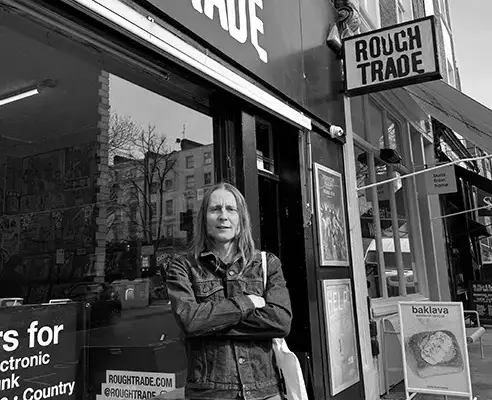
British alternative culture provided the foundational landscape for the early days of Rough Trade, which opened its doors on Kensington Park Road in West London in 1976. The original shop sat squarely within the multicultural counterculture of Notting Hill and Ladbroke Grove. In this unique ecosystem, Caribbean communities, reggae sound systems, and punk musicians shared the same streets, venues, and stages.
The annual Notting Hill Carnival remains deeply rooted in both the celebration of this thriving scene and a history of active political resistance. The event emerged to push back against the intense racial tensions of mid-century Britain—tensions that tragically culminated in the racist murder of Antiguan carpenter Kelso Cochrane in Notting Hill in 1959.
Celebrating decades of endurance, the towering sound systems built during these turbulent years have been lovingly passed down to younger generations. This transfer of heritage carries a vital responsibility: reminding modern Britain of how Caribbean culture and its soundscapes have fundamentally shaped, challenged, and enriched national life.
To trace this bass-heavy lineage, Rough Trade’s Marketing and Content Manager, Georgia Mulraine, revisits ten essential reggae and dub albums that continue to echo through modern dance music, viral samples, and global counterculture.
A Personal History of the Dance
Reflecting on her earliest encounters with the culture, Georgia Mulraine shares:
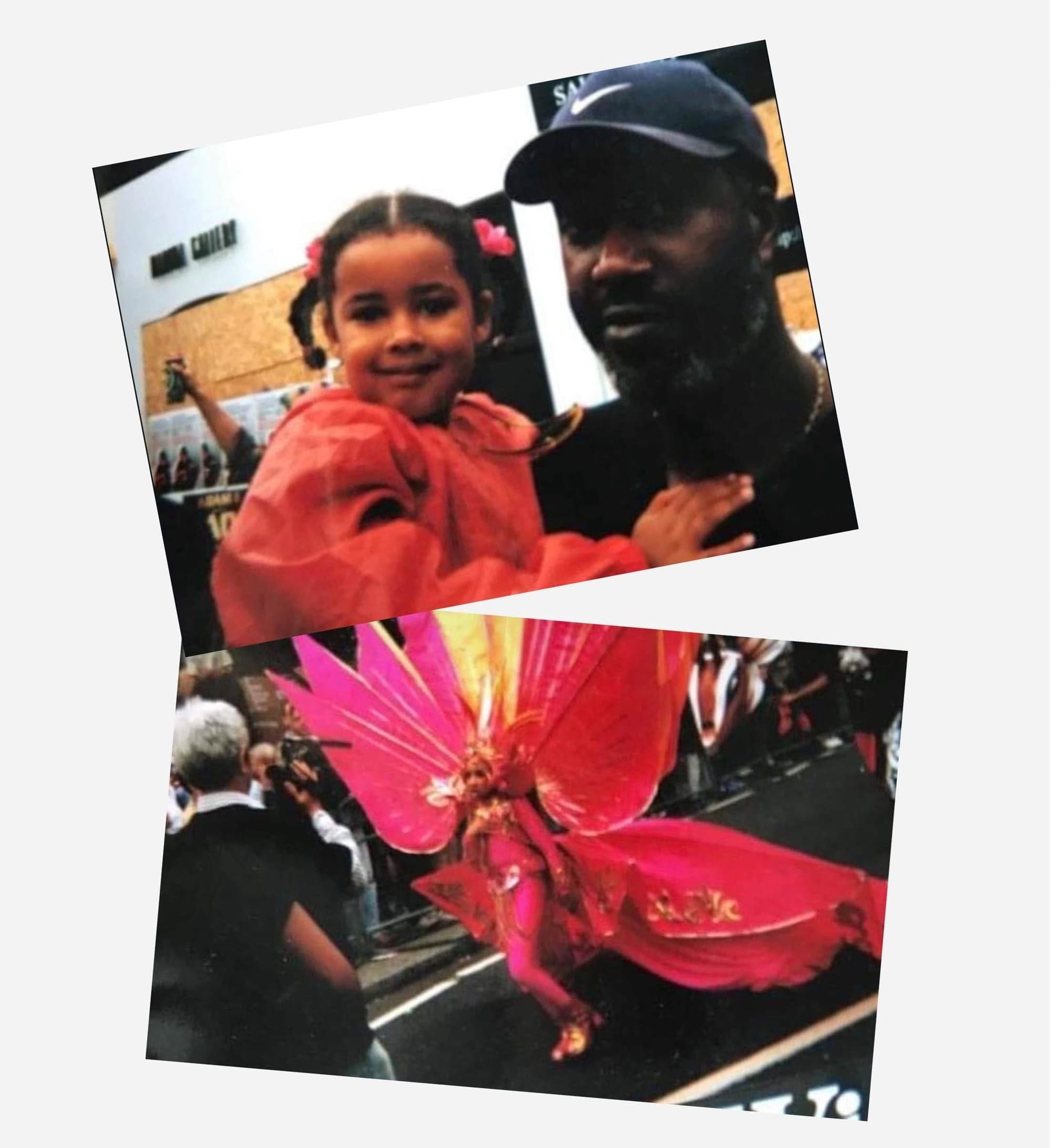
"I have hazy memories of going to my first carnival aged 5, tooting on whistles with coloured straps and being carried around to avoid being trampled on by the crowds as a small person. I was amazed by the parades, the bright, colour-themed crews with people in satin, feathers and headdresses—I particularly remember seeing one woman in pink and gold, who I thought was the most beautiful person I would ever see."
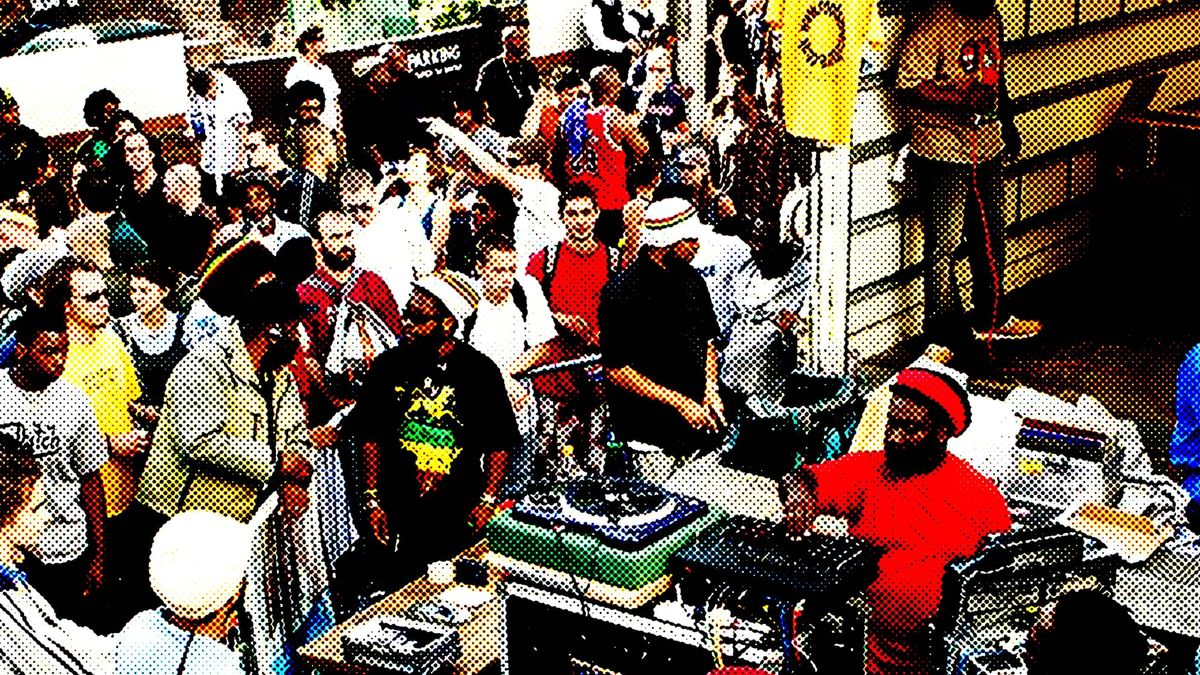
Over two decades later, Mulraine is still heading to Carnival—now navigating the crowds on her own two feet. She typically anchors herself at East Row to experience the legendary sound system of British reggae and dub icon Aba Shanti-I (an East Londoner born to Antiguan parents), who has maintained a residency at Notting Hill Carnival since 1993.
The sheer volume is not for the fainthearted, but as Mulraine notes, there is a singular euphoria in experiencing physical bass so heavy it travels through the entire skeletal system rather than just hitting the eardrums. (Editor’s note: Always pack earplugs).
Detailed Chronology: Ten Essential Reggae and Dub Masterpieces
1. Jimmy Cliff – The Harder They Come (1972)
Far more than a standard cinematic accompaniment, The Harder They Come served as the vital compilation soundtrack to Perry Henzell’s landmark film. The record operates like a miniature sound-system session, seamlessly sequencing vocalists, harmony groups, and deejays. Listeners are treated to Cliff’s defiant title track alongside You Can Get It If You Really Want, Toots and the Maytals’ Pressure Drop, The Melodians’ Rastafarian standard Rivers of Babylon, and Desmond Dekker’s Shanty Town.
Released by Island Records in Britain and its Mango imprint in North America, the album effectively repackaged singles engineered for Jamaican dances and local jukeboxes into a cohesive international long-player. Many music historians argue that this commercial breakthrough paved the way for Island’s subsequent global signings of Bob Marley and the Wailers and Toots and the Maytals.
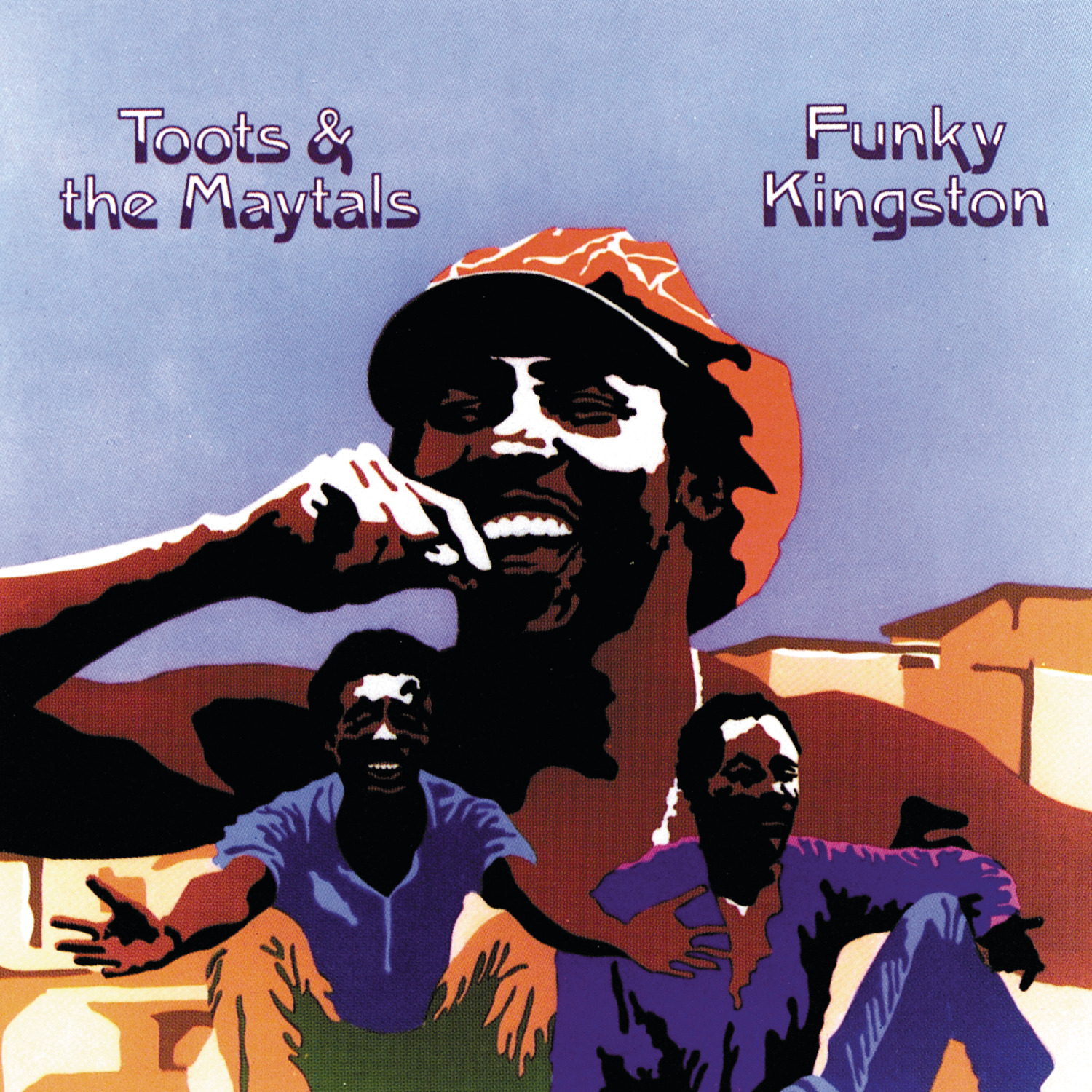
2. Toots and the Maytals – Funky Kingston (1973)
"Almost heaven, West Jamaica / True ridge mountains, shining down the river…"
A definitive full-length artistic statement from Toots Hibbert, Raleigh Gordon, and Jerry Matthias, Funky Kingston was recorded primarily at Dynamic Sounds in Kingston and co-produced by Warwick Lyn, Dave Bloxham, and Island founder Chris Blackwell.
The Maytals were already veterans of Clement “Coxsone” Dodd’s Studio One—Jamaica’s first Black-owned recording studio, founded in Kingston in 1963. They had spent years evolving the sounds of ska and rocksteady before helping coin the very term "reggae" with their pioneering track Do the Reggay.
Toots’ church-trained vocal delivery leads the Maytals’ rich harmonies atop a razor-sharp rhythm section. By weaving in nods to American soul, funk, rock, and country, the album broadened the global appeal of Jamaican music—even introducing listeners to a reggae interpretation of John Denver’s Country Roads that they never knew they desperately needed.
3. Marcia Griffiths – Sweet and Nice (1974)
Originally issued in Jamaica under the title Play Me Sweet and Nice, Marcia Griffiths’ 1974 debut solo album occupies a crucial intersection between rocksteady, soul-reggae, and the nascent language of lovers rock.
The record’s significance to sound-system culture lies heavily in its atmosphere: romantic vocal cuts designed to cool down the dancefloor after a barrage of aggressive roots and dub records. Griffiths similarly cut her teeth at Coxsone Dodd’s Studio One before forming the duo Bob and Marcia alongside Bob Andy. Their soaring rendition of Nina Simone’s Young, Gifted and Black, released internationally via Trojan Records, proved how Jamaican arrangements could redefine international soul music.
The same year she released her debut, Griffiths joined forces with Rita Marley and Judy Mowatt to form the I-Threes, establishing one of reggae’s most legendary all-female vocal harmony groups for Bob Marley & The Wailers.
4. King Tubby – Dub From The Roots (1975)
"Reggae enthusiasts might debate extensively who is the forefather of dub, but it’s inarguable that King Tubby, if not the creator of dub, is at the very least one of its most valuable innovators."
Osbourne Ruddock, universally known as King Tubby, fundamentally transformed the mixing desk from a simple recording apparatus into an expressive instrument in its own right. Tubby systematically stripped classic reggae recordings down to their bare bass-and-drum foundations, reconstructing them in real-time through studio reverb, tape delay, echoing dropouts, and spatial manipulation.
Dub from the Roots encapsulates this radical methodology—a studio mix that feels perpetually live, unstable, and open to sonic abstraction. Tubby’s innovations were inextricably linked to Jamaican sound system culture, where instrumental "version" sides of singles gave selectors exclusive club material and deejays space to toast. His engineering techniques ultimately laid the foundational blueprints for remix culture across hip-hop, post-punk, and modern electronic dance music.
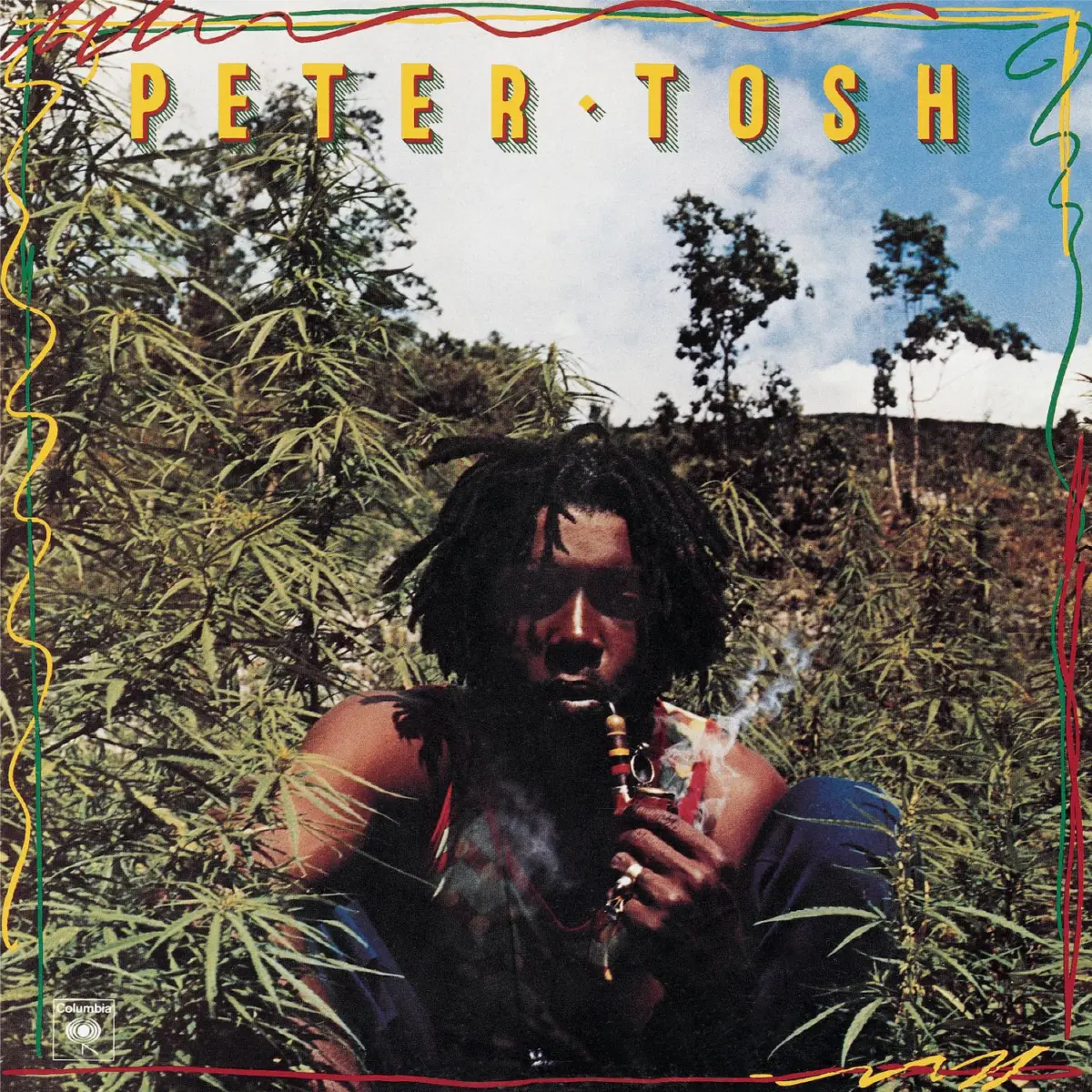
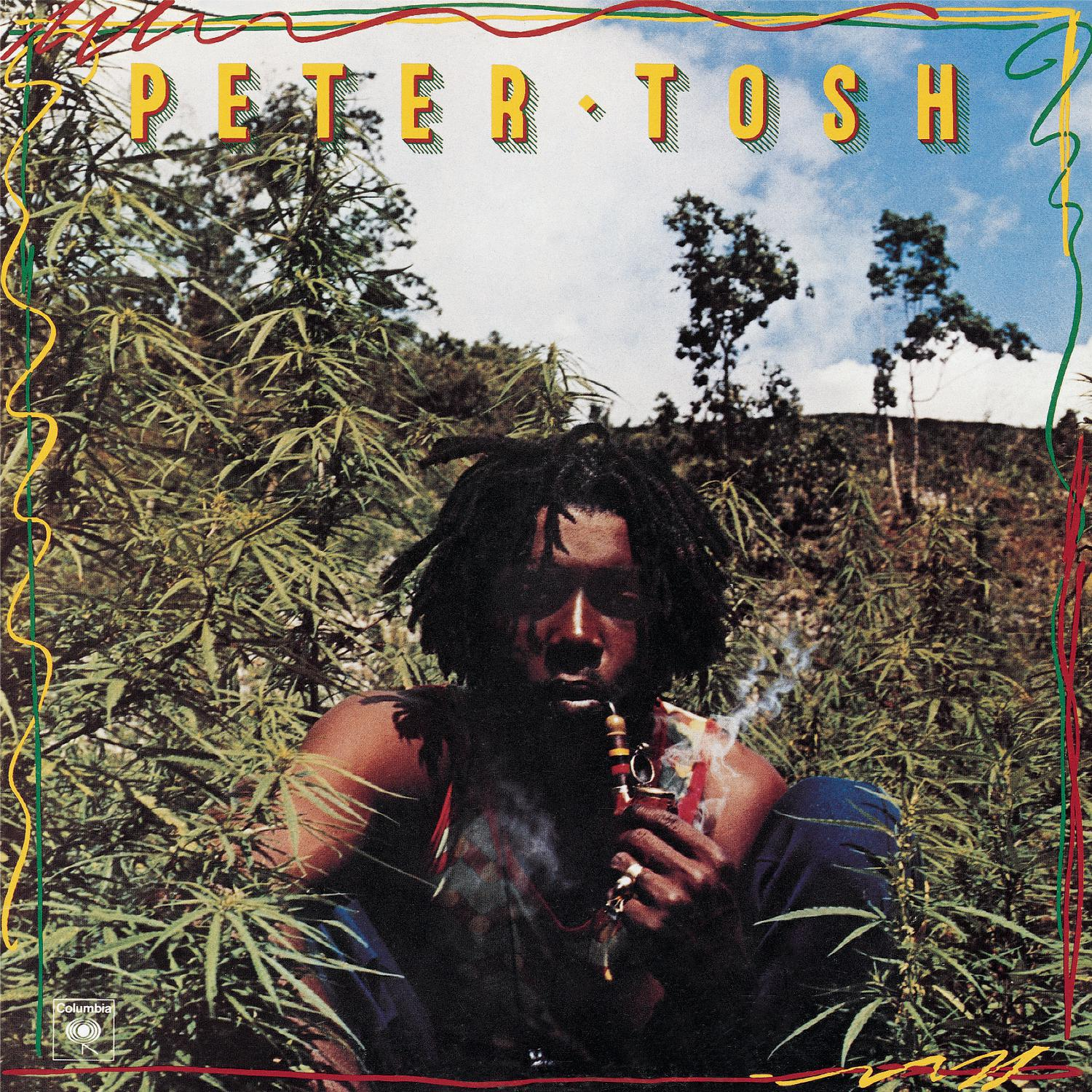
5. Peter Tosh – Legalize It (1976)
Peter Tosh honed his vocal harmonies alongside Bob Marley and Bunny Wailer in the original Wailers lineup, recording initially for Studio One before working with Lee “Scratch” Perry and Island Records. When that legendary trio fractured, Tosh embarked on a fierce solo career.
Legalize It proved to be quintessential sound-system material, driven by its uncompromising, defiant subject matter attacking drug prohibition, systemic injustice, and political corruption. Earned the moniker the "Stepping Razor" for his razor-sharp, uncompromising lyricism, Tosh fought tirelessly for human rights and against police brutality.
Tragically, his outspokenness made him a target, culminating in his murder by intruders at his Kingston home. Upon release, the album was outright banned in Jamaica due to its explicit political advocacy for cannabis legalization—a subversive status that only accelerated its journey toward becoming a global anthem for personal liberty.
6. Lee “Scratch” Perry and the Upsetters – Super Ape (1976)
Lee “Scratch” Perry possessed an uncanny ability to make a recording studio behave like a living, breathing sound system. Forged within the legendary walls of his Black Ark studio and credited to the Upsetters, Super Ape is a masterclass in heavy basslines, syncopated drums, organic percussion, vocal fragments, and tape manipulation.
Tracks like Croaking Lizard rework his earlier production work for Max Romeo—such as the seminal Chase the Devil, which was later sampled by The Prodigy on their 1992 rave anthem Out of Space.
Perry performed his mixes live at the mixing board, dropping instruments in and out much like a sound system selector manipulating exclusive versions, microphone chatter, and echo effects during a live dance. His application of tape saturation, analog delay, and recycled rhythms directly anticipated hip-hop production, remix culture, trip-hop, jungle, and dubstep.
7. Bob Marley and the Wailers – Exodus (1977)
Recorded in the immediate aftermath of the 1976 assassination attempt on Bob Marley’s life, Exodus is fundamentally an album born of displacement, yet it overflows with profound spiritual uplift.
The record helped propel reggae out of specialist clubs and firmly onto international rock stages and mainstream radio playlists. The title track remains a cornerstone of dance culture: bass-driven and radiating unstoppable physical momentum. Meanwhile, Jamming celebrates communal music-making, and cuts like Waiting in Vain, Three Little Birds, and One Love/People Get Ready proved the ensemble’s fluency across roots, romance, and global pop.
Bolstered by the gospel-rooted harmonies of the I-Threes (Rita Marley, Marcia Griffiths, and Judy Mowatt), Exodus stands tall as Marley’s global masterpiece—cementing his status as reggae’s ultimate international ambassador.
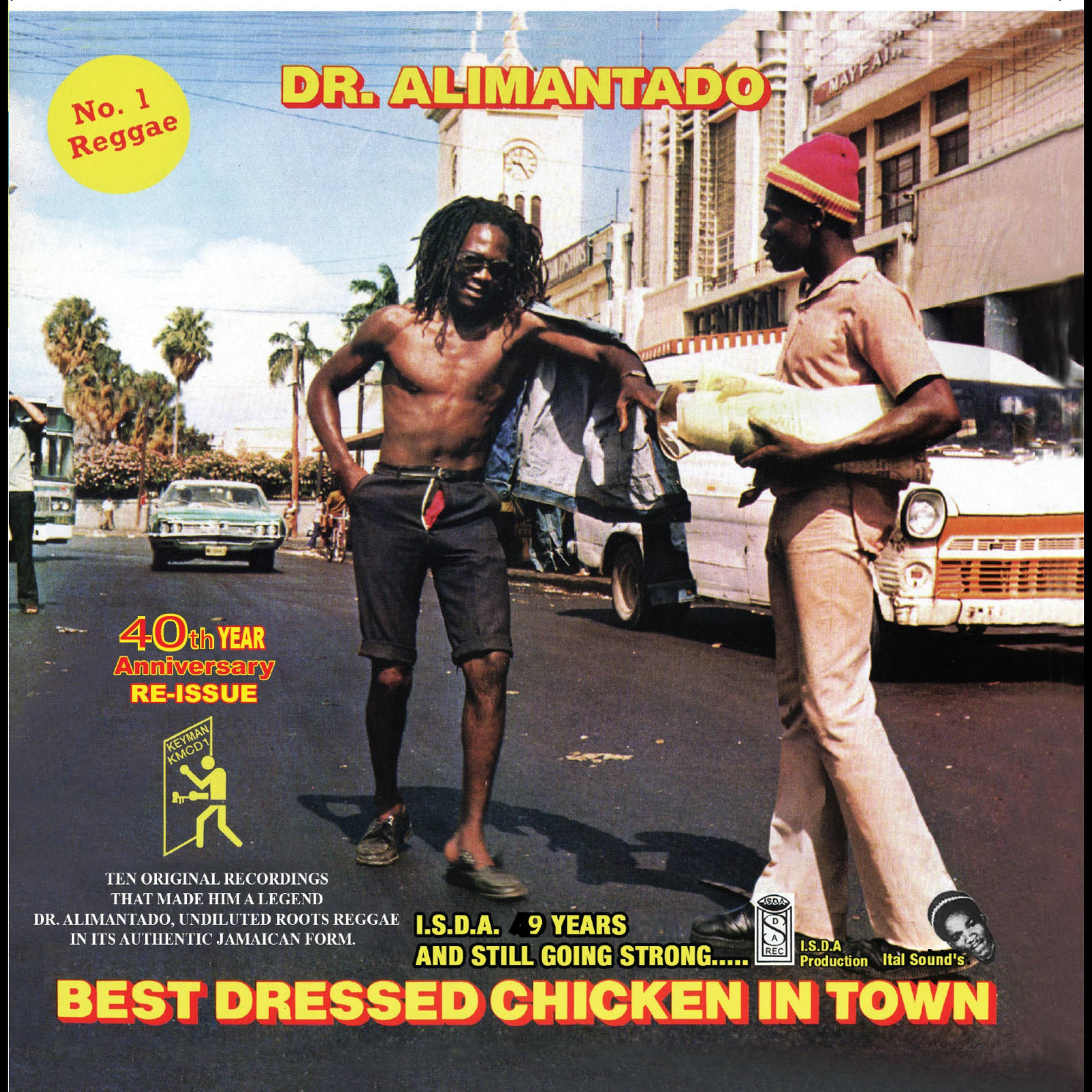
8. Dr Alimantado – Best Dressed Chicken in Town (1978)
Winston Thompson, recording under the moniker Dr Alimantado, operated as a deejay rather than a traditional singer, constructing his performances through boastful rhymes, sharp social commentary, deadpan humor, and rhythmic speech patterns.
Best Dressed Chicken in Town compiles essential 12-inch singles recorded between 1972 and 1978 across Jamaica’s elite studio circuit: Black Ark, Channel One, Randy’s, and King Tubby’s. The record features vocal contributions from luminaries like Horace Andy, John Holt, and Gregory Isaacs, with the title track reimagining Andy’s haunting version of Ain’t No Sunshine.
This cyclical process—a producer cutting a rhythm, a singer voicing it, and an engineer dubbing it—formed the industrial engine of Jamaican sound-system innovation. Notably, the album was the very first LP issued by Greensleeves Records, the West London record shop-turned-label that later distributed vital releases by Yellowman, Eek-A-Mouse, Barrington Levy, Scientist, and Augustus Pablo.
A favorite among Johnny Rotten and other British punks, Alimantado was a regular visitor to Rough Trade West, personally delivering his records to the shop counter. This historic bond is honored in the Rough Trade 50th Anniversary vinyl series via the inclusion of Best Dressed Chicken in Town in Drop One (1976–1985).
9. The Slits – Cut (1979)
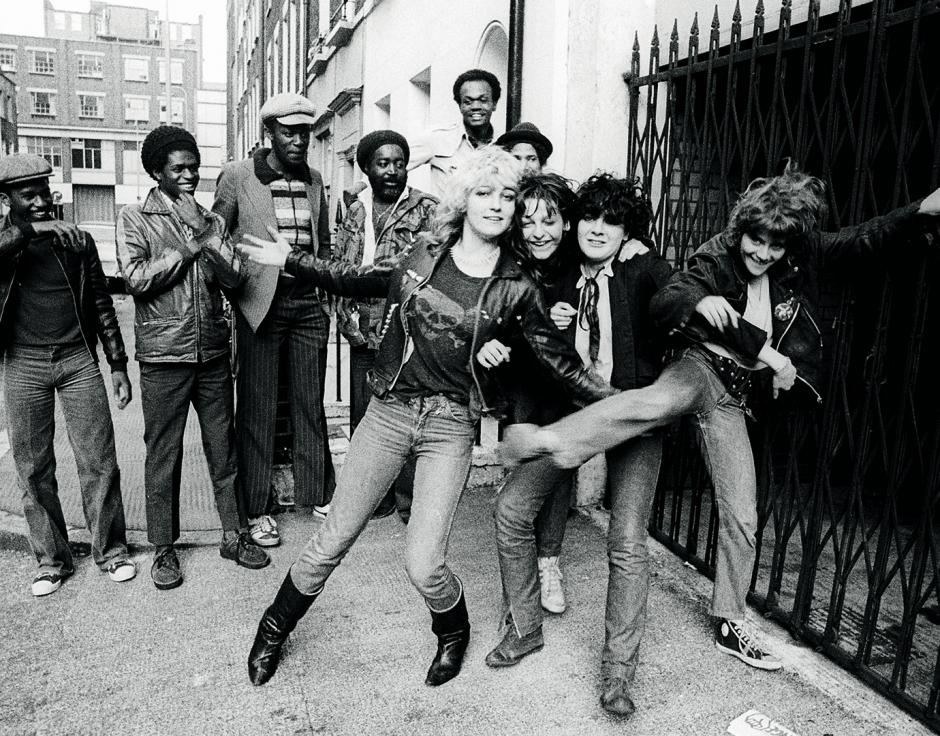
While Cut is not strictly a Jamaican reggae album, it remains one of the most potent examples of sound-system culture successfully colonizing British post-punk.
The Slits—comprising Ari Up, Viv Albertine, and Tessa Pollitt, alongside studio drummer Budgie—emerged directly from the London punk nexus surrounding The Clash, the Sex Pistols, and the 1977 White Riot tour. By the time of their debut album, however, they had expanded past raw punk aggression, discovering deep syncopation and bass-heavy dynamics through reggae.
Cut could not have existed without Dennis Bovell: producer, dub architect, member of Matumbi, and pioneer of British lovers rock through his work with Janet Kay (vocalist of the iconic lovers rock anthem Silly Games). Bovell applied Jamaican production techniques to the band, pushing the bass into a melodic, dominant role while drowning the drums and percussion in cavernous tape echo.
Reflecting on the sessions, Viv Albertine recalled to The Guardian in 2013:
"Dennis [Bovell] corralled us into shape and tidied up all the ends, but without trampling on creativity. It was so rare for a man in the 1970s to put himself inside the heads and hearts of four crazy young women."
10. Sister Nancy – One Two (1982)
"I’m a lady, I’m not a man / MC is my ambition."
Recorded at Channel One Studios in Kingston—the legendary facility that inspired the name of the acclaimed UK sound system Channel One, established in London in 1979 by brothers Mikey Dread and Jah T—One Two captures the critical transition from roots reggae to early dancehall.
Sister Nancy (born Ophlin Russell) learned her trade performing live around sound systems alongside her brother, Brigadier Jerry, a towering figure associated with Jah Love Muzik. Entering a fiercely male-dominated arena, Sister Nancy proved that a woman could command a riddim-and-microphone session with equal authority.
The album’s crown jewel, Bam Bam, birthed an instrumental foundation that would eventually underpin hundreds of subsequent recordings, permeating hip-hop, electronic music, and global club culture as one of the most sampled reggae compositions in history.
Supporting Context & Metrics: The Global Footprint
The cultural lineage documented across these ten records is not merely a chapter of music history; it is an ongoing, evolving ecosystem. Sound systems remain the beating heart of Caribbean diaspora communities across the globe, driving multi-million-pound festival economies, shaping modern pop production, and maintaining a vital link to ancestral heritage.
Metric / Milestone
Significance
1940s
Origin of mobile sound system culture in the street dances of Kingston, Jamaica.
1959
Tragic murder of Kelso Cochrane in Notting Hill, sparking early community self-defense and the cultural roots of Carnival.
1976
Opening of Rough Trade West on Kensington Park Road, bridging the punk underground with West London’s Caribbean counterculture.
2026
Celebrating 60 years of Notting Hill Carnival—six decades of towering sound systems transmitting cultural history to new generations.
Future Outlook: Preserving the Bassline for Generations to Come
As sound system culture looks toward its future, the challenge lies in preservation and institutional recognition. While grassroots operators continue to face municipal licensing hurdles, noise complaints, and gentrification pressures in cities like London and Kingston, the cultural footprint of reggae and dub has never been more secure in global consciousness.
The generational handover is complete: the grandchildren of the Windrush pioneers now operate the rigs, curate the record bins, and translate the foundational dub ethos into contemporary electronic genres. From the heavy stacks of East Row at Notting Hill Carnival to independent record shops championing physical media, the central truth of the culture remains untouched.
As the bass continues to rattle through the speakers, one foundational reality endures: The only good system is a sound system.