Executive Overview
As the calendar turns toward the final stretch of 2026, the global pop landscape is undergoing a high-stakes recalibration. While the frantic blockbuster pace of the summer months has cooled, October proved that a slower news cycle in pop culture rarely equates to a quiet one. Instead, the autumn shoulder season has transformed into a strategic battleground where major artists are aggressively shoring up their chart cases, orchestrating fashionably late album cycles, and testing the boundaries of multimedia reinvention.
With only two months separating the industry from the end-of-year retrospectives, the latest episode of the Greatest Pop Stars (GPS) podcast—hosted by Billboard’s Andrew Unterberger alongside staff editors and writers Michael Saponara and Emily Fuentes—dives deep into the maneuvering that defined October 2026. The panel unpacks a dense mosaic of cultural touchpoints: Tate McRae’s polarizing rollouts, Taylor Swift’s ongoing Showgirl legacy extensions, historic remixes merging Olivia Rodrigo and Chappell Roan, and even surreal digital viral moments involving Kelly Clarkson’s mechanical avian phenomena.
Beyond the metrics of streaming and chart positions, this month’s evaluation serves as a comprehensive temperature check on contemporary pop superstardom. This feature examines the core debates, critical analytical breakdowns, and systemic industry shifts driving the conversation as 2026 enters its final quarter.
Detailed Chronology: The October 2026 Pop Landscape
The narrative of October 2026 was shaped by a series of calculated industry chess moves. Rather than relying on traditional, simultaneous worldwide blockbuster album drops, this month highlighted how modern artists weaponize timing, strategic collaborations, and platform experimentation to dominate the public consciousness.
Tate McRae and the Anatomy of a Modern Album Cycle
At the forefront of October’s artistic discussions is Tate McRae, whose visual and sonic campaign for her latest work—highlighted by the single "Housewife"—has ignited fervent debate across music criticism circles. McRae, who has steadily ascended the pop hierarchy through high-velocity choreography, confessional lyricism, and undeniable streaming gravity, is navigating a crucial sophomore-plus transition phase.

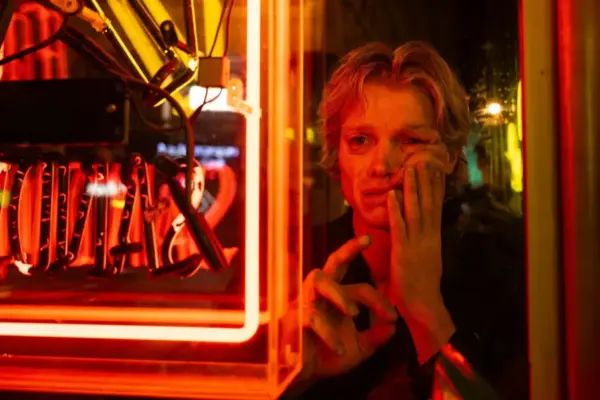
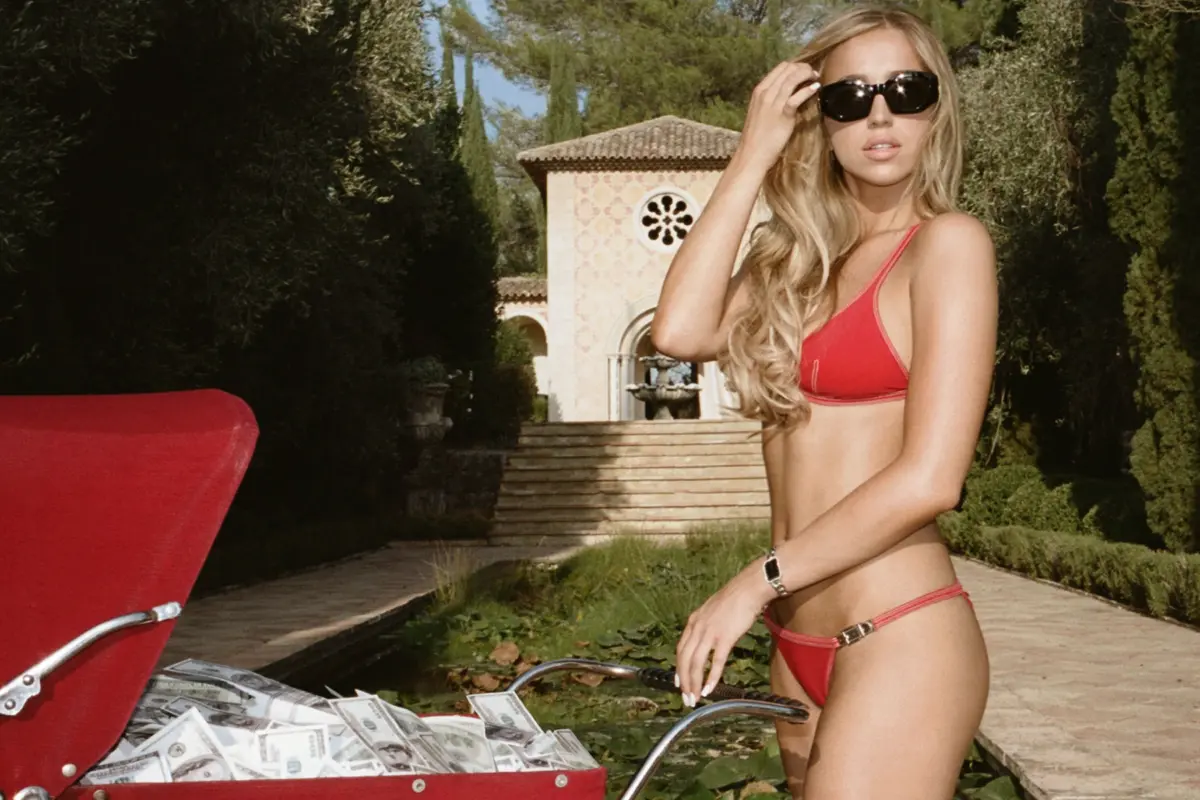
On the GPS podcast, the panel dissected whether McRae is executing her new album cycle with optimal precision. By leaning into starker visual aesthetics—captured strikingly by photographer Pierre-Ange Carlotti—McRae is actively challenging the bubbly, high-energy expectations built by her earlier breakout hits. The debate centers on whether shifting toward a more mature, subversive artistic identity mid-cycle alienates casual listeners or firmly cements her status as a versatile, long-term pop institution.
The Taylor Swift Showgirl: The Encore Aftermath
Even when not releasing primary studio material, Taylor Swift remains an omnipresent gravitational force on the charts. October brought continued analysis of Showgirl: The Encore and its strategic bonus cuts. As fans and critics dissect which tracks are truly holding up under repeat listens, the discussion underscores the unique paradox of modern mega-stardom: how an artist manages the cultural exhaustion of hyper-exposure while continuously feeding an insatiable collector market with deluxe editions and physical variants.
The Rodrigo-Roan Convergence: Remixes as Cultural Events
One of the most anticipated crossover moments of the autumn arrived via the unprecedented collaborative remix pairing Olivia Rodrigo and Chappell Roan. Two of the defining architects of modern Gen-Z pop emotionalism, Rodrigo and Roan joining forces represents more than just a standard chart-boosting remix tactic; it is an ideological alignment of two fanbases that dominate contemporary streaming ecosystems. The GPS panel evaluated how this collaboration fared, noting that while cross-pollinating fanbases can sometimes feel like a corporate math equation, the sheer star power of Rodrigo and Roan elevated the moment into a defining cultural snapshot of the season.
Supporting Context & Metrics: The State of the Charts
To understand why October 2026 feels like such a pivotal pivot point, one must examine the macro-economic and data-driven realities of the current music industry.
+-------------------------------------------------------------------+
|               OCTOBER 2026 POP ECOSYSTEM METRICS                  |
+---------------------------+---------------------------------------+
| Metric Domain             | Current Industry Trend                |
+---------------------------+---------------------------------------+
| Primary Consumption       | Shift toward fragmented, micro-era    |
|                           | rollouts over traditional cycles.     |
+---------------------------+---------------------------------------+
| Cross-Platform Synergy    | High correlation between viral video  |
|                           | formats and Hot 100 longevity.        |
+---------------------------+---------------------------------------+
| Demographic Engagement    | Gen-Z/Alpha listeners driving hybrid  |
|                           | pop-rock and indie-pop crossover.     |
+---------------------------+---------------------------------------+
As Unterberger, Saponara, and Fuentes navigated their respective October top-five lists, several recurring economic and structural themes emerged:

- The Fatigue of the Extended Rollout: Artists are increasingly stretching single campaigns across four to six months, utilizing TikTok teasers, alternative mixes, and targeted live performances to sustain momentum rather than dropping cohesive records all at once.
- Catalog Power and Cultural Relevance: The debate surrounding legacy acts—such as discussions over Super Bowl headlining catalogs—highlights a growing tension between streaming metrics for newly released tracks and the enduring, multi-generational equity of classic American hip-hop and pop catalogs.
- The Unpredictability of Viral Anomalies: From political election cycles inadvertently driving regional streaming surges (such as the tongue-in-cheek chatter surrounding Texas anthems) to bizarre internet micro-dramas like the "Kelly Clarkson animatronic bird" controversy, the modern pop star must navigate an increasingly surreal digital public square where algorithm-driven memes can briefly overshadow actual musical releases.
Official Insights & Podcast Discourse
The Greatest Pop Stars podcast serves as the industry’s premier audit of pop influence, balancing quantitative chart performance with qualitative cultural footprint analysis. Below is a thematic summary of the key editorial arguments debated during the October recap:
- On Artist Evolution vs. Fan Expectation: "When you have an artist like Tate McRae who captures lightning in a bottle with high-octane dance-pop, the hardest part of the journey is convincing the public that you have psychological and artistic depth beyond the baseline banger," noted the panel during the evaluation of her current promotional rollout.
- On Cross-Generational Collaborations: The fusion of Olivia Rodrigo and Chappell Roan was analyzed not merely as a commercial utility, but as a defense mechanism for guitar-driven, emotionally raw pop music in an era heavily dominated by hyper-polished electronic and streaming-first formulas.
- On the Absurdity of Modern Pop Media: Pop stardom in 2026 requires navigating an infinite scroll where high art (such as prestige album photography and cinematic visuals) sits side-by-side with internet absurdity, proving that the modern celebrity must possess both artistic gravity and digital self-awareness.
Fans and music researchers can stream the full breakdown on Apple Podcasts, Spotify, or directly through the Billboard podcast network every Thursday.
Future Outlook: What to Expect in November and December 2026
As the industry enters the final two months of 2026, the chess match for the year-end crown is entering its endgame. Several major storylines will dictate the pop discourse between now and the publication of the definitive Greatest Pop Stars of 2026 ranking:
- The Holiday Music Influx: November traditionally marks the aggressive takeover of the charts by legacy holiday standards, forcing current pop stars to either lean into seasonal releases or carve out distinct sonic spaces to avoid being completely drowned out by festive programming.
- Surprise Drops and Fourth-Quarter Pushes: With multiple major acts keeping their cards close to their chest, late-year surprise announcements remain a distinct possibility as artists jockey for final positioning ahead of Grammy consideration windows and year-end critical lists.
- The Ongoing Quest for New Icons: Questions surrounding artists like Dominic Fike—specifically how the industry perpetually flirts with turning certain critically acclaimed indie-adjacent acts into undeniable mainstream pop titans—will remain a central narrative as labels look toward their 2027 rosters.
Industry Support and Trans Rights Advocacy
In keeping with the ongoing editorial mission of the Greatest Pop Stars podcast, the team uses its platform to direct attention and resources toward critical human rights efforts. Readers and listeners are strongly encouraged to support organizations fighting for trans rights and gender-affirming healthcare access:
- Transgender Law Center
- Trans Lifeline
- Destination Tomorrow
- Gender-Affirming Care Fundraising on GoFundMe
- Human Rights Campaign
Additionally, concerned citizens can utilize 5Calls.org to easily connect with local representatives in direct advocacy for legislative protections and civil rights.