Executive Overview
In June 1967, as the "Summer of Love" was reaching its zenith in Northern California, a five-piece San Francisco band released a debut album that should have redefined American rock ‘n’ roll. Moby Grape’s self-titled LP on Columbia Records offered a muscular, highly disciplined counter-narrative to the sprawling, drug-addled jams of their Bay Area peers. Boasting five distinct vocalists, five accomplished songwriters, and a formidable three-guitar assault, Moby Grape synthesized garage rock, country, blues, pop, and soul into tight, infectious tracks that rarely crossed the three-minute mark.
Yet, despite possessing what many critics considered the most formidable lineup of the 1960s West Coast scene, Moby Grape became one of the industry’s most cautionary tales. A catastrophic promotional stunt by Columbia Records—releasing five singles simultaneously—diluted radio airplay and provoked immediate backlash from press and fans who perceived the band as a corporate creation. Compounded by aggressive legal warfare from their manager, drug-induced mental breakdowns, and an inadvertent scandal involving the album’s cover art, the album’s immense artistic achievement was quickly overshadowed.
Decades later, Moby Grape occupies a complex space in rock history. While heralded by legendary artists such as Robert Plant, Keith Richards, Kevin Cronin, and Stevie Van Zandt as an overlooked masterpiece, retrospective reviews from contemporary music communities present a more divided picture. A recent analytical evaluation by the Classic Rock Album of the Week Club yielded a mixed final score of 6.78 out of 10, highlighting a tension between the record’s historic brilliance and its perceived lack of unified identity.
Detailed Chronology: The Rise, Sabotage, and Collapse of Moby Grape
+-----------------------------------------------------------------------------------+
| CHRONOLOGY: THE CURSED TRAJECTORY OF MOBY GRAPE (1966–1969)                       |
+-----------------------------------------------------------------------------------+
| Late 1966 : Band formed in San Francisco by Skip Spence & Matthew Katz.           |
| Mar 1967  : Recording sessions completed in NYC with producer David Rubinson.      |
| June 1967 : 'Moby Grape' LP released alongside FIVE simultaneous singles.          |
| June 1967 : Band performs at Monterey Pop Festival; contractual disputes emerge.  |
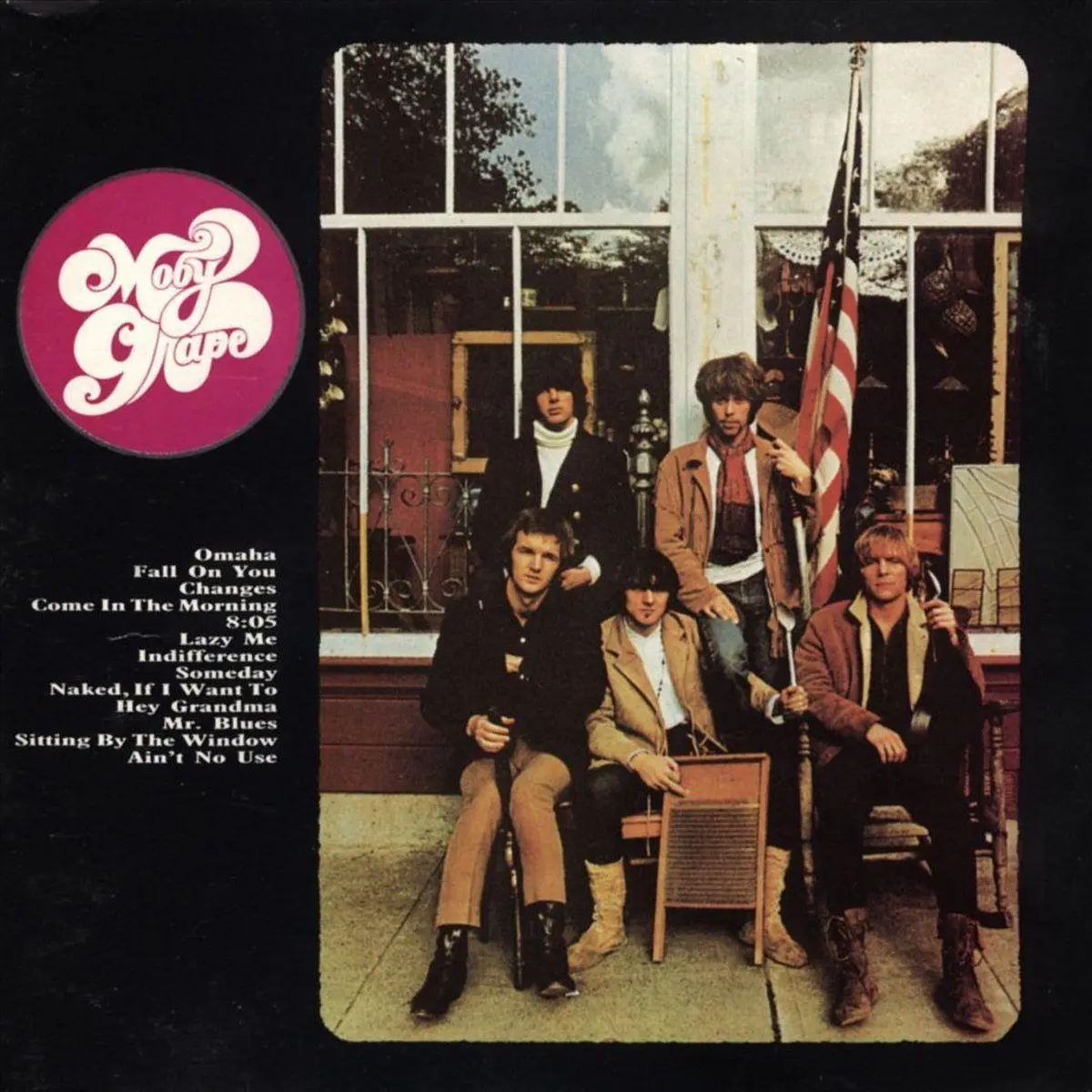
| Late 1967 : Original LP cover recalled to airbrush Don Stevenson's middle finger. |
| June 1968 : Skip Spence suffers severe mental breakdown during NYC recording sessions.|
| 1969      : Spence releases solo cult LP 'Oar'; original lineup disintegrates.     |
+-----------------------------------------------------------------------------------+
1. Formation and the San Francisco Circuit (Late 1966)
Moby Grape was assembled in late 1966 by guitarist/vocalist Alexander "Skip" Spence—the original drummer for Jefferson Airplane—alongside manager Matthew Katz, who had recently parted ways with Airplane. Spence recruited guitarist Jerry Miller and drummer Don Stevenson (both from the Pacific Northwest band The Frantics), bassist Bob Mosley (from The Mobb), and guitarist Peter Lewis (son of actress Loretta Young and former member of The Sons of Adam).
Unlike their contemporaries in San Francisco, such as the Grateful Dead or Jefferson Airplane, Moby Grape did not rely on long, modal improvisations. Instead, they focused on intricate "guitar weaving"—a technique where Miller, Lewis, and Spence played interlocking lead and rhythm lines—complemented by five-part vocal harmonies.
2. Recording and the Infamous Single Overload (Early to Mid-1967)
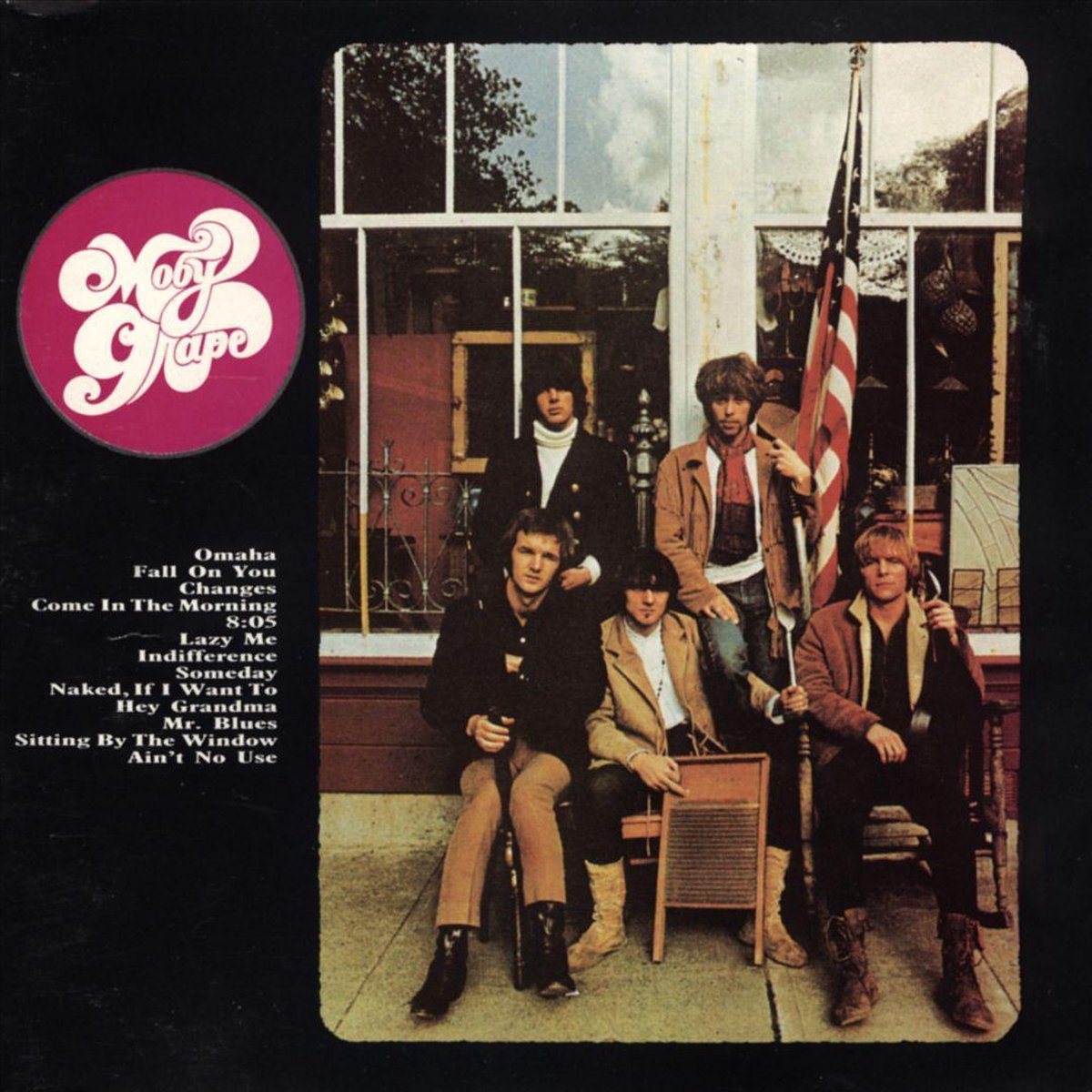
Signed to Columbia Records by producer David Rubinson, the group entered CBS Studios in New York in March 1967. Over the course of just several weeks, they tracked 13 songs that captured their kinetic live energy. The material spanned fast-paced rock (‘Hey Grandma’, ‘Omaha’), delicate ballads (‘8:05’, ‘Sitting By The Window’), and soulful blues (‘Mr. Blues’).
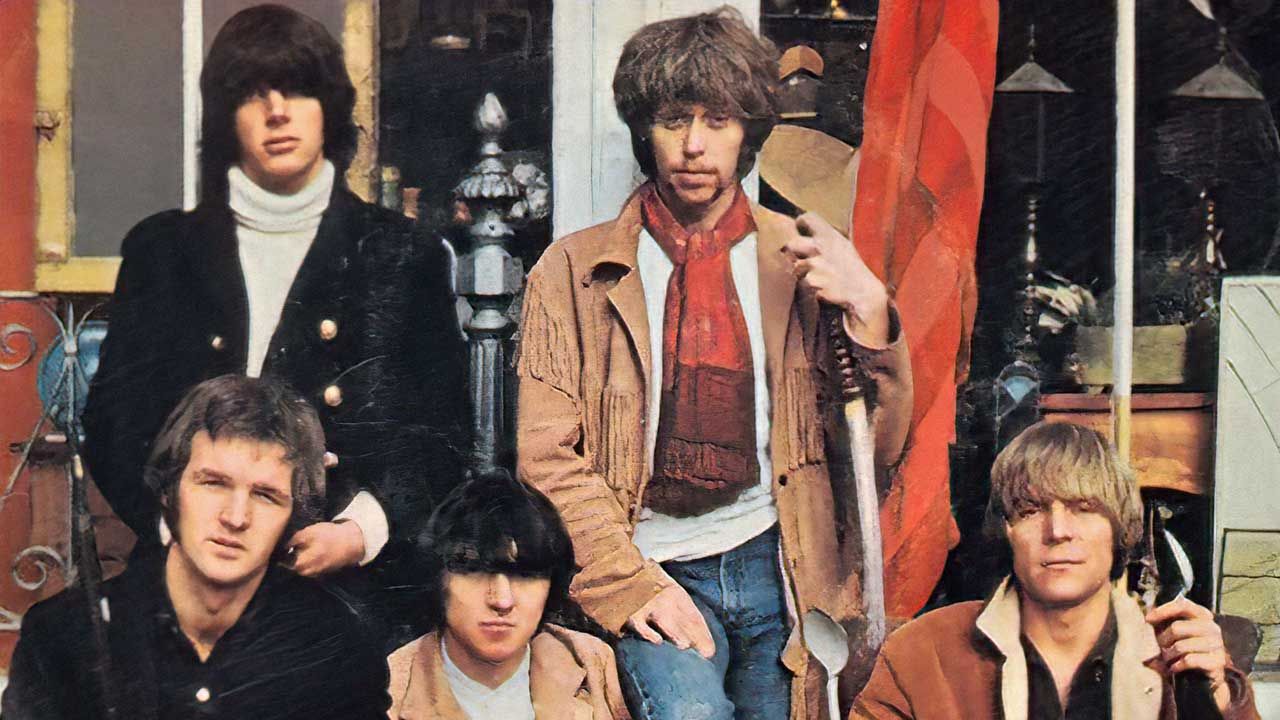
However, upon the album’s release on June 6, 1967, Columbia’s marketing department executed an unprecedented decision: they released 10 of the album’s 13 tracks as five simultaneous 45 RPM singles:
- "Changes" / "Fall on You"
- "Sitting by the Window" / "Indifference"
- "8:05" / "Mister Blues"
- "Omaha" / "Someday"
- "Hey Grandma" / "Come in the Morning"
The aggressive campaign backfired completely. Radio station program directors felt manipulated by Columbia’s attempt to dictate their playlists, resulting in split airplay that prevented any single track from ascending high on the Billboard Hot 100. Furthermore, the counterculture rock press condemned the stunt as a mercenary marketing gimmick, stripping the band of their organic "underground" credibility just as the Summer of Love commenced.
3. Visual Controversy and Management Turmoil (Late 1967–1968)
The promotional failure was quickly followed by public relation setbacks. The album’s front cover photograph, taken by Jim Marshall, featured drummer Don Stevenson playfully resting his hand on a washboard while displaying his middle finger to the camera. While initially unnoticed by Columbia executives, conservative backlash forced the label to recall early pressings, airbrush the offending finger out of subsequent pressings, and delay distribution.
Simultaneously, legal disputes with manager Matthew Katz began to paralyze the group. Katz had secured ownership of the band’s name and financial rights, leading to decades of royalty litigation that starved the band members of their earnings.
4. Personal Tragedy and Disintegration (1968–1969)
The final blow to the original lineup occurred in June 1968 during the recording of their follow-up album, Wow, in New York City. Suffering from severe drug-induced psychosis, Skip Spence attempted to chop down the hotel room doors of bandmates Jerry Miller and Don Stevenson with a fire axe.
Following a six-month commitment to Bellevue Hospital, Spence was diagnosed with schizophrenia. Upon his release, he rode a motorcycle directly to Nashville to record his solitary, haunting solo masterpiece Oar (1969) before withdrawing from the commercial music industry entirely. Moby Grape fractured into various incomplete lineups, never fulfilling the potential promised by their debut.
Supporting Context & Metrics
To understand both the historical standing and modern evaluation of Moby Grape, it is necessary to examine its structural composition alongside modern listener metrics collected by retrospective music communities.
Album Tracklist & Songwriting Distribution
The album’s 13 tracks represent an equitable distribution of songwriting and lead vocal duties across all five members:
| Track # | Song Title | Primary Songwriter(s) | Lead Vocalist(s) | Key Musical Style |
|---|---|---|---|---|
| 1 | Hey Grandma | Jerry Miller, Don Stevenson | Miller, Stevenson | Garage Rock / Proto-Hard Rock |
| 2 | Mr. Blues | Bob Mosley | Bob Mosley | Electric Blues Rock |
| 3 | Fall On You | Peter Lewis | Peter Lewis | Jangle Pop / Psychedelic Rock |
| 4 | 8:05 | Jerry Miller, Don Stevenson | Miller, Stevenson | Country Rock / Acoustic Ballad |
| 5 | Come In The Morning | Bob Mosley | Bob Mosley | Soul / Rhythm & Blues |
| 6 | Omaha | Skip Spence | Skip Spence | Psychedelic Rock / Hard Rock |
| 7 | Naked, If I Want To | Jerry Miller | Jerry Miller | Acoustic Interlude |
| 8 | Someday | Miller, Stevenson, Spence | Group Harmonies | Pop Rock |
| 9 | Ain’t No Use | Jerry Miller, Don Stevenson | Jerry Miller | Blues Rock / Folk Rock |
| 10 | Sitting By The Window | Peter Lewis | Peter Lewis | Melancholic Psych-Pop |
| 11 | Changes | Jerry Miller, Don Stevenson | Jerry Miller | Horn-driven R&B / Pop |
| 12 | Lazy Me | Bob Mosley | Bob Mosley | Folk Rock |
| 13 | Indifference | Skip Spence | Skip Spence | Up-tempo Blues / Jam Rock |
Metric Breakdown: The Classic Rock "Album of the Week Club" Evaluation
In a modern assessment conducted by the Classic Rock Album of the Week Club, classic rock enthusiasts and music historians listened to, debated, and rated Moby Grape. The aggregate consensus reflects how the album translates to contemporary audiences who are stripped of 1960s nostalgia.
===================================================================================
ALBUM OF THE WEEK CLUB: STATISTICAL BREAKDOWN
===================================================================================
Total Votes Cast  : 23
Cumulative Score  : 156.0 points
Final Aggregate   : 6.78 / 10.0
Primary Verdict   : Historically significant, musically impressive, structurally fractured.
===================================================================================
Core Themes in Listener Feedback
Modern retrospective feedback highlights a deep divide between structural appreciation and emotional resonance:
- Divergence of Styles vs. Cohesion: Multiple reviewers noted that having five distinct lead vocalists and songwriters created a double-edged sword. Listener John Davidson observed:
"They switch from psychedelic pop to Californian blues to Creedence Clearwater Revival-style swamp rock, and then to Beach Boys harmonies… the downside is that they lack focus and identity."
- Format and Digital Distortions: Streaming platform licensing issues have compounded modern confusion surrounding the record. Listener Greg Schwepe highlighted that modern digital releases (such as truncated versions on Spotify) often misrepresent the original 13-track sequence, complicating retrospective listening experiences.
- Pioneering Legacy: Other listeners recognized the record’s historical weight. Member Fraser Fisher noted:
"Probably their best album, as this band was plagued with bad management and drugs and soon fell out of fashion… Skip Spence was the first to fall following a path much like Syd Barrett did."

Official Statements & Critical Reception
Despite its troubled commercial launch, Moby Grape has consistently earned praise from professional music critics and high-profile peers.
Historical Press Assessment
Critical consensus over the decades has routinely ranked Moby Grape among the greatest debut albums in rock history.
Rolling Stone Magazine:
"San Francisco rock at its ’67 peak, this is genuine hippie power pop. Moby Grape sang like demons and wrote crisp songs packed with lysergic country-blues excitement, while the band’s three guitarists—Jerry Miller, Peter Lewis and Skip Spence—created a network of lightning."Robert Christgau (Dean of American Rock Critics):
"Harmonies run from sweet to intense, guitars likewise. Fast ones like the begin-with-a-bang ‘Hey Grandma’ and Spence’s anthemic ‘Omaha’ rock as hard as the grungiest garage classics. Yet slow ones like the beseeching ‘8:05’ and the resigned ‘Sitting By The Window’ stand alongside the loveliest tunes in the country-rock canon this album initiated."AllMusic Retrospective Analysis:
"As songwriters, Moby Grape blended straight-ahead rock & roll, smart pop, blues, country, and folk accents into a flavorful brew that was all their own, with a clever melodic sense that reflected the lysergic energy surrounding them without drowning in it."
Professional Musician Perspectives
Rock luminaries have often voiced frustration over how industry incompetence undermined a band of such staggering technical skill.
"Every song was just amazing. I loved the jangly guitar sound they had,
and also the excellent vocals. All the songs on the album were released
as a single on the same day, which diluted the commercial potential
and ensured the band didn't have the big hit they deserved."
— Kevin Cronin (Lead Vocalist, REO Speedwagon)
"They were trying to make a statement that every song was a great hit single.
But, man, it killed the band."
— Stevie Van Zandt (E Street Band / Music Historian)Robert Plant of Led Zeppelin has similarly cited Moby Grape as a pivotal influence during Led Zeppelin’s formative period, even incorporating elements of Skip Spence’s songwriting into Zeppelin’s live sets and covering Moby Grape tracks during his solo career.
Future Outlook: The Enduring Heritage of Moby Grape
+-----------------------------------------------------------------------------------+
| MOBY GRAPE'S ENDURING INFLUENCE ON MODERN GENRES                                  |
+-----------------------------------------------------------------------------------+
| 1. PROTO-COUNTRY ROCK : Established template for Poco, The Eagles, and Wilco.     |
| 2. TRIPLE-GUITAR ARRANGEMENTS : Predated Lynyrd Skynyrd, Iron Maiden, & Drive-By Truckers.|
| 3. POWER POP : 'Omaha' and 'Hey Grandma' bridged garage rock with melodic pop hooks. |
| 4. AMERICANA : Blended R&B, folk, blues, and country into an unvarnished roots sound. |
+-----------------------------------------------------------------------------------+
As music history continues to re-evaluate the 1960s counterculture, Moby Grape’s debut album stands as a seminal textbook on artistic brilliant coexisting with corporate mismanagement.
Legal Resolution and Catalog Re-evaluations
For decades, legal disputes with former manager Matthew Katz kept Moby Grape’s early recordings tangled in trademark litigation, rendering the original LP out of print on physical formats and virtually inaccessible on digital streaming platforms for years.
Recent legal victories by the surviving band members and their estates have slowly restored their catalog rights. Musicologists predict that as accurate, remastered editions of their 1967 debut become universally available on digital services, public appreciation for the record will stabilize around its artistic achievements rather than its historical misfortunes.
Structural Influence on Modern Roots and Alternative Rock
The structural innovations of Moby Grape continue to reverberate through contemporary music:
- The Roots Rock Template: The album’s synthesis of country, blues, and rock effectively laid the groundwork for the late-1960s Southern California country-rock explosion, directly impacting bands from The Flying Burrito Brothers and The Eagles to modern Americana artists like Wilco and The Jayhawks.
- Guitar Interlocking: The seamlessly integrated guitar work of Miller, Lewis, and Spence remains a primary reference point for indie rock ensembles seeking complex three-guitar arrangements without cluttering the mix.
Ultimately, Moby Grape serves as both an artistic high-water mark for 1960s American rock and a permanent lesson in the hazards of industry over-saturation. While Columbia Records’ promotional blunder succeeded in killing the band’s immediate commercial momentum, it could not erase the brilliance contained within the 13 tracks of their debut—a record that remains one of rock history’s most tragic masterpieces.