In the storied annals of heavy rock history, few records possess a legacy as complex, misunderstood, and ultimately triumphant as Motörhead’s seventh studio album, Orgasmatron. Released in July 1986, the album marked a crucial turning point for the band. Coming off a tumultuous mid-1980s period defined by lineup overhauls, protracted legal battles with their former label Bronze Records, and a changing heavy metal landscape dominated by thrash and glam, Motörhead re-emerged not just as survivors, but as a rejuvenated four-piece powerhouse.
Yet, despite boasting some of the fastest, heaviest, and most lyrically scathing material of frontman Ian "Lemmy" Kilmister’s career—including immortal tracks like "Deaf Forever," "Dr. Rock," and the crushing title track—the original 1986 release was dogged by a persistent grievance. The album’s production, helmed by New York avant-garde funk producer Bill Laswell, was infamously altered during the final mixing stage in New York City without the band present. The result was a sonic presentation that Lemmy famously felt neutered the band’s raw, ferocious low-end barrage.
Now, four decades later, a comprehensive 40th Anniversary reissue and remix project led by longtime Motörhead producer Cameron Webb has finally realized the album’s full potential. By stripping back the glossy mid-80s compression and restoring the visceral power captured during original rehearsals, this expanded release provides definitive sonic vindication for one of heavy metal’s foundational texts.
Detailed Chronology: From Legal Limbo to Studio Mayhem
1. The Post-‘Another Perfect Day’ Fracture (1983–1984)
The seeds of Orgasmatron were sown during a period of existential uncertainty for Motörhead. Following the departure of founding guitarist "Fast" Eddie Clarke in 1982, Lemmy recruited former Thin Lizzy guitarist Brian "Robbo" Robertson for 1983’s Another Perfect Day. While critically appreciated in retrospect for its melodic guitar work, the record aliened traditional fans and fractured internal band dynamics. Robertson’s exit left Lemmy at a crossroads.
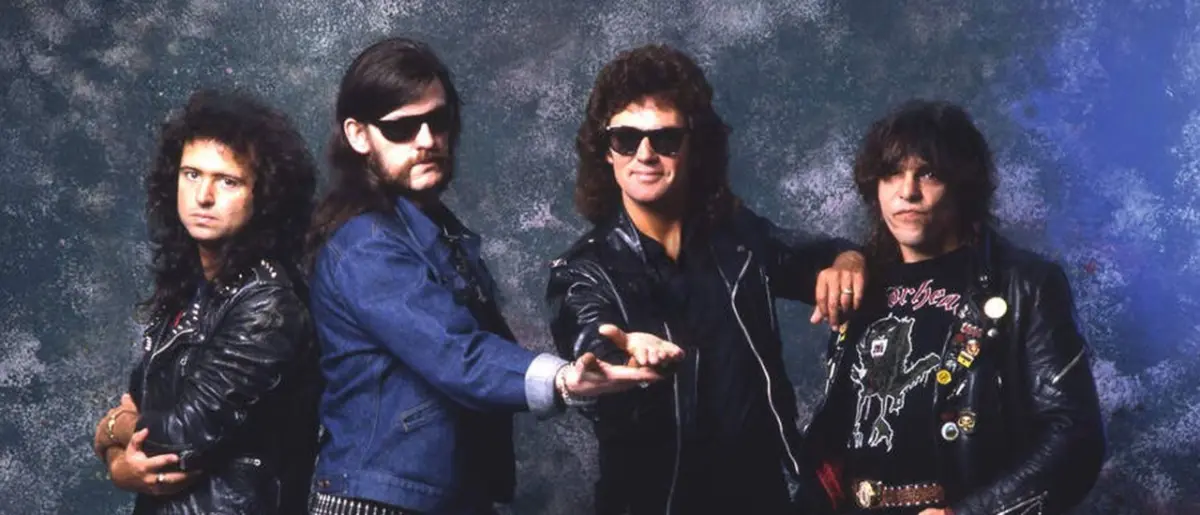
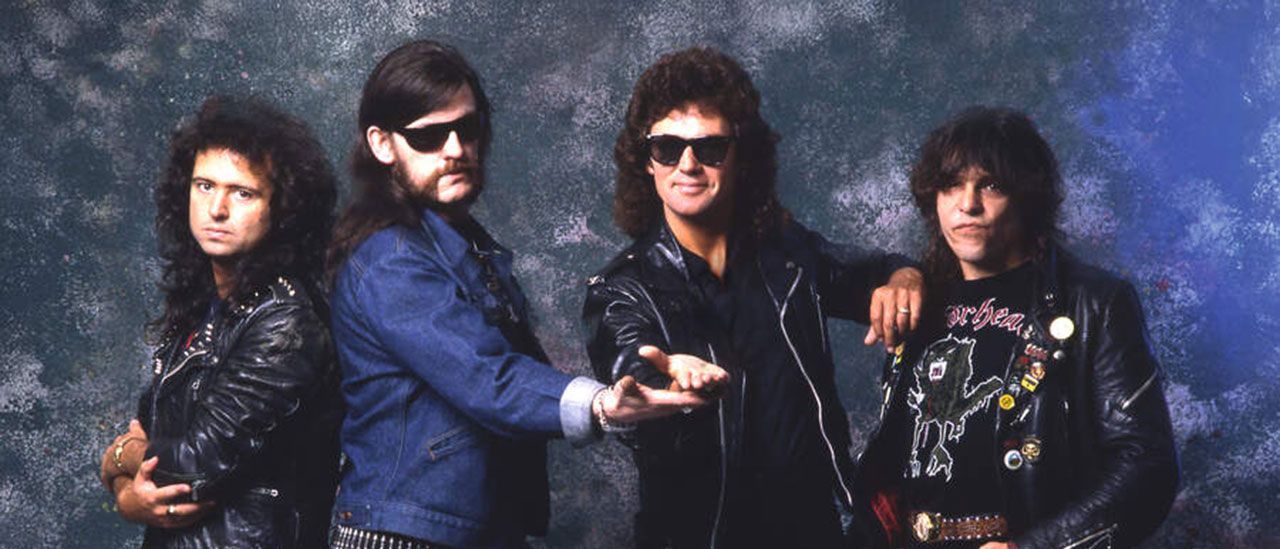
Rather than replacing Robertson with a single player, Lemmy made the radical decision to expand Motörhead into a two-guitar quartet. Out of hundreds of applicants, the band hired two relative unknowns: Michael "Würzel" Burston and Phil Campbell. To complete the new lineup, former Saxon drummer Pete Gill was brought in to replace Phil "Philthy Animal" Taylor.
This rejuvenated four-piece made its recording debut on the 1984 compilation No Remorse, contributing four new tracks—most notably the speed-metal prototype "Killed by Death." The new configuration demonstrated unprecedented dexterity and dual-guitar firepower, establishing a blueprint that would define the band’s live sound for the next decade.
Motörhead Lineup Evolution (1982–1984)

[1982 Classic Trio]      -->  [1983 Melodic Experiment]  -->  [1984 Four-Piece Rebirth]
• Lemmy Kilmister (Bass)      • Lemmy Kilmister (Bass)         • Lemmy Kilmister (Bass/Vocals)
• Fast Eddie Clarke (Guitar)  • Brian Robertson (Guitar)       • Phil Campbell (Guitar)
• Philthy Animal (Drums)      • Philthy Animal (Drums)         • Michael "Würzel" Burston (Guitar)
                                                               • Pete Gill (Drums)
2. Legal Entanglements and Label Shifts (1984–1985)
Before the new lineup could record a proper full-length album, Motörhead was paralyzed by industry politics. A bitter, two-year legal battle with Bronze Records effectively barred the band from entering a recording studio for a full album project. Major record labels, viewing the band as past their commercial prime amid the rise of slicker American glam metal, hesitated to sign them.
Resolution came when Motörhead’s manager, Douglas Smith, launched GWR Records (Great Western Road). Free from legal constraints, the band prepared to record their first proper studio album in three years, carrying a arsenal of newly written material honed through intense rehearsal sessions.
3. The Rehearsals and the Bill Laswell Experiment (1986)
Early feedback on the new material was ecstatic. Music journalist Kris Needs, invited to hear early rehearsals while strapped to a chair at Lemmy’s humorous behest, along with early rough mixes played on Lemmy’s home stereo, declared that the upcoming record promised to be Motörhead’s wildest, fastest, and potentially best release to date. Lemmy’s original vision of creating a UK counterpart to the MC5 was finally coming to fruition, driven by Pete Gill’s double-bass drum onslaught and the dual-riffing of Campbell and Würzel.
To produce the album, management selected Bill Laswell, an acclaimed Brooklyn-based bassist and producer known for his avant-garde, funk, and hip-hop work, as well as his production on Public Image Ltd.’s acclaimed Album (1986). Laswell brought engineer Jason Corsaro—renowned for engineering Madonna’s Like a Virgin and pioneering the era’s booming drum recording techniques—into Master Sound Studios in London.
4. The NYC Mixing Controversy and Release (July 1986)
While the London recording sessions captured raw, incendiary performances, disaster struck during post-production. Laswell took the multitrack tapes to New York City to mix the album without the band present. Applying contemporary hip-hop and electronic mixing philosophies, Laswell over-compressed the mix, smoothed out the abrasive guitar edges, and altered the frequency balance of Lemmy’s overdriven Rickenbacker bass.
When the band heard the finished product, titled Orgasmatron (originally slated to be called Ridin’ With the Driver), they were disheartened. Despite the muted mix, the strength of the songs propelled the album to No. 21 on the UK Albums Chart upon its release in July 1986.
Comparative Sonic Analysis: 1986 Original vs. 40th Anniversary Remix
The 40th Anniversary edition, engineered and mixed by Cameron Webb (who produced Motörhead’s late-era masterworks including Inferno and Kiss of Death), fundamentally redefines the listener’s engagement with the record. Below is a comparative breakdown of the sonic attributes between the original 1986 Bill Laswell mix and the restored Cameron Webb 40th Anniversary remix:
"Deaf Forever": Opening with a ominous, pounding drum beat and atmospheric guitar swells, the track tackles themes of battle, honor, and death. Webb’s remix restores the crushing weight of the main riff, giving the bass drum the low-end punch missing from the 1986 pressings.
"Nothing Up My Sleeve" & "Ain’t My Crime": Exemplars of the band’s fast rock-and-roll style, these tracks benefit immensely from the separation of Campbell and Würzel’s rhythm tracks, allowing their complementary playing styles to shine.
"Built for Speed": A high-octane anthem built around a classic Motörhead shuffle. The 40th Anniversary edition highlights Pete Gill’s intricate cymbal work and aggressive snare snaps, removing the artificial digital reverb that plagued the original master.
"Mean Machine": Widely considered one of the fastest tracks Motörhead ever recorded, rivaling contemporary thrash metal bands like Slayer and Metallica. The revised mix restores the raw speed and aggression, ensuring the tempo does not lose its weight under compression.
"Orgasmatron": The album’s crown jewel. Built on a monolithic, hypnotic two-note bass riff and a marching drum groove, Lemmy delivers one of his finest vocal performances, speaking from the perspective of an omnipotent entity driving humanity toward war, religious hypocrisy, and political corruption. Webb’s remix turns the track into an apocalyptic wall of sound, expanding the subterranean low-end to devastating effect.
Album Tracklist & Key Characteristics (1986 / Remastered 2026)
├── Side A
│   ├── 1. Deaf Forever (Mid-tempo epic; war-themed lyrics)
│   ├── 2. Nothing Up My Sleeve (Up-tempo street rock)
│   ├── 3. Ain't My Crime (Classic Motörhead speed shuffle)
│   ├── 4. Claw (Aggressive heavy metal thrash)
│   └── 5. Mean Machine (Ultra-fast proto-thrash barrage)
└── Side B
    ├── 6. Built for Speed (Lyrical manifesto of live-fast philosophy)
    ├── 7. Ridin' With the Driver (Driving rhythm; original working title track)
    ├── 8. Doctor Rock (Live favorite; high-energy chorus)
    └── 9. Orgasmatron (Monolithic, doom-laden title track)
Archival Content & Live Metric Artifacts
The 40th-anniversary package extends beyond studio remixes, offering archival material that documents the era’s performance intensity:
One-Play-Only Workouts: Rare, instrumental studio outtakes revealing the raw arrangement phase before vocal tracking.
BBC Radio 1 Friday Rock Show Live Set: Recorded live at the Castle Donington Monsters of Rock Festival in August 1986. This recording proves how powerful the new four-piece lineup was on stage, delivering tracks like "Orgasmatron" and "Doctor Rock" with an unhinged intensity that the original studio mix failed to capture.
Official Statements & Primary Accounts
The history of Orgasmatron is heavily shaped by primary accounts from those who witnessed its creation. Lemmy Kilmister was consistently vocal regarding his disappointment with the original 1986 mixing process, while simultaneously maintaining deep pride in the songs themselves.
Writing in his 2002 autobiography, White Line Fever, Lemmy offered a definitive assessment of producer Bill Laswell’s impact on the final product:
"Bill Laswell was great for recording and getting sounds, but he ruined the album in the mix… It was a much better album when he took it to New York than when he brought it back. The energy had been sucked right out of it. It lacked that raw, head-shearing violence that we had in rehearsals."
Journalist and author Kris Needs, who was present during the formative stage of the album’s creation, recalled the sheer volume and excitement in the room before the New York mixing sessions took place:
"Hearing Motörhead work up the songs for Orgasmatron in rehearsal—while literally strapped to a chair at Lemmy’s command—was an unforgettable experience. On his home stereo, the rough mixes promised the wildest, heaviest record they had ever made. The raw materials were astounding; it was only the original mix that held it back from immediate legendary status."
Addressing the inspiration behind the album’s iconic title—which sparked media speculation linking it to Woody Allen’s 1973 sci-fi comedy Sleeper—Lemmy set the record straight:
"’Orgasmatron’ isn’t a bad word, I just thought of it one day. People thought I took it from Woody Allen’s movie, but I didn’t. It just sounded like a great name for a massive, unstoppable, terrifying machine."
Discussing Motörhead’s unique identity in an era when heavy metal was dividing into commercial hair metal and underground thrash, Lemmy summed up the band’s philosophy:
"We’re Motörhead, man. One thing we are is unique. No one else does what we do. We don’t fit into your neat little genres, and we don’t try to."
Future Outlook & Historical Legacy
The release of the 40th Anniversary edition of Orgasmatron marks a significant moment in the preservation of heavy metal history. For decades, music historians viewed Orgasmatron as a brilliant song collection hindered by period-specific production choices. With Cameron Webb’s restored mixes, the record can now be reassessed on equal footing with Motörhead’s undisputed triumvirate of classic albums: Overkill (1979), Bomber (1979), and Ace of Spades (1980).
          [Historical Impact Timeline of 'Orgasmatron']

   1986: Initial Release
   • Charted at #21 in the UK
   • Critical praise for songwriting; mixed reviews for production
        │
        ▼
   1989–1990s: Thrash Metal Adoption
   • Brazilian thrash icons Sepultura cover "Orgasmatron" (1989)
   • Black metal pioneers Satyricon cover "Orgasmatron"
   • Track becomes a staple in global metal covers lexicon
        │
        ▼
   2020s: Contemporary Re-evaluation
   • Digital archival projects catalog unreleased GWR-era sessions
   • Cameron Webb begins multitrack restoration
        │
        ▼
   40th Anniversary: Full Redemption
   • Definitive 40th Anniversary Remix & Master released
   • Full dynamic range and raw low-end restored to original specifications
Influence on Subsequent Metal Subgenres
Despite its original production flaws, Orgasmatron exerted a massive influence on the emerging thrash, death, and black metal scenes of the late 1980s and early 1990s.
Sepultura: The Brazilian thrash giants recorded a famously crushing cover of the title track "Orgasmatron" on their 1989 Arise sessions (released on the single in 1990 and expanded editions), exposing a whole new generation of headbangers to Lemmy’s apocalyptic lyrics.
Extreme Metal Canon: Bands across extreme music—from Satyricon to Napalm Death—have cited the album’s bleak imagery and raw guitar work as foundational to their sonic development.
The Standard for Future Catalog Restorations
The success of Webb’s 40th Anniversary restoration establishes a model for managing historic metal catalogs in the modern audiophile era. Rather than merely boosting volume through harsh digital mastering techniques, the project prioritizes multitrack fidelity, structural dynamics, and historical context.
As Motörhead’s legacy continues to be celebrated by new generations of fans worldwide, this consummate 40th-anniversary package ensures that Orgasmatron is no longer remembered with a caveat. Instead, it stands restored to its intended status: an unmitigated triumph of raw volume, relentless speed, and rock-and-roll defiance.