Executive Overview
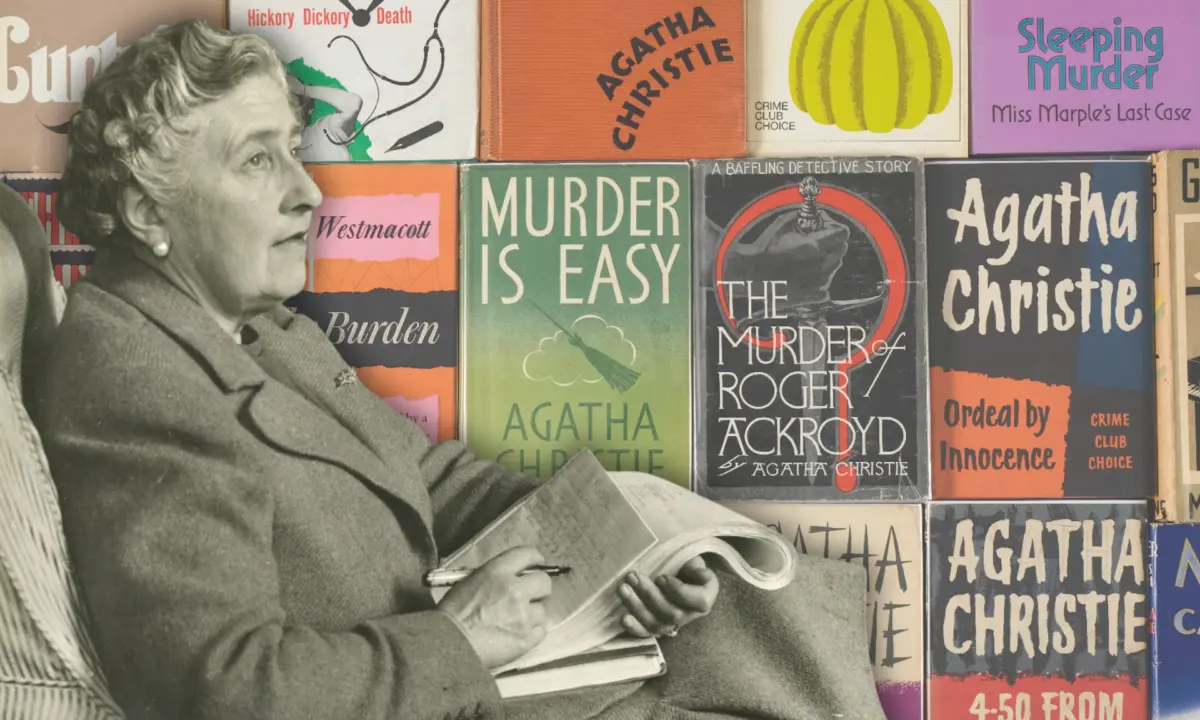
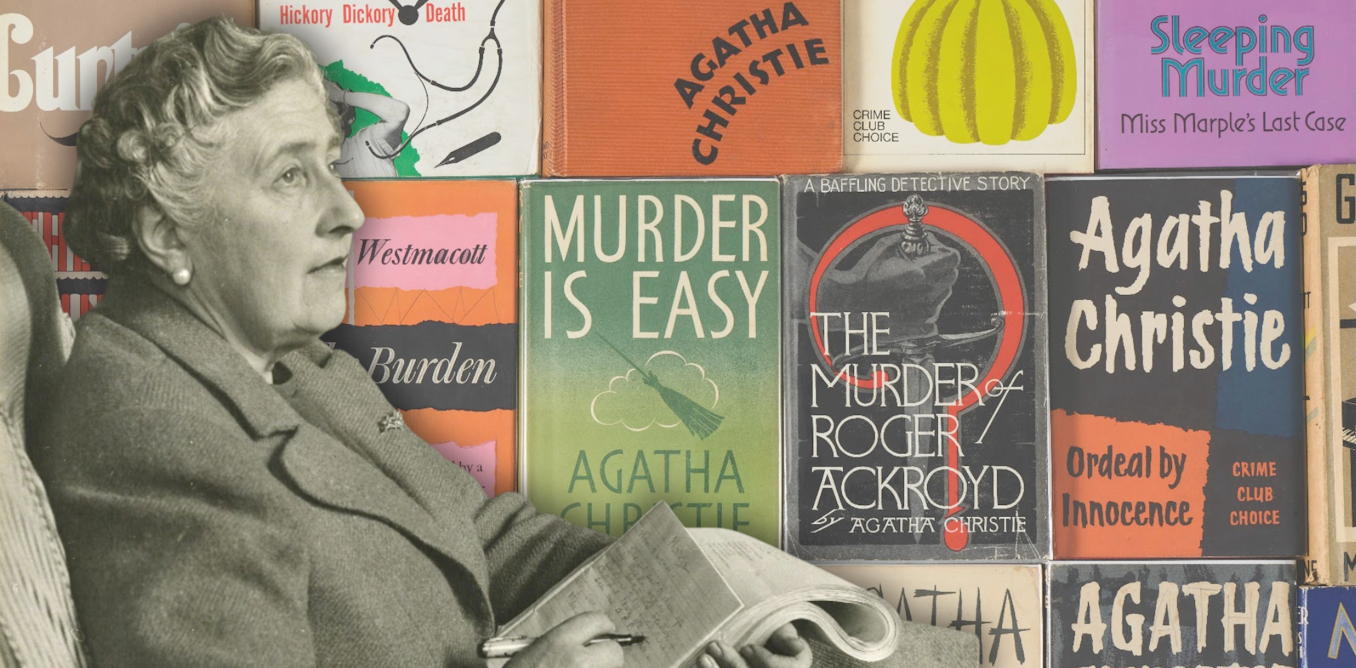
Marking the 50th anniversary of the passing of the world’s best-selling fiction writer, the British Library in London has opened its doors to Agatha Christie: A World of Mystery. Running until June 20, 2027, this landmark exhibition offers an unprecedented, deeply immersive journey into the private papers, intimate diaries, rare manuscripts, and personal belongings of the legendary Dame Agatha Christie. Curated by Lucy Rowland, the exhibition steps away from traditional biographical timelines to trace the author’s life through the physical and psychological spaces that defined her work—ranging from the claustrophobic English country house and the aromatic wartime dispensary to the romantic expanse of the Orient Express and the dusty archaeological digs of the Middle East.
Far from a superficial celebration for casual readers, the exhibition provides even die-hard fans with fresh insights into Christie’s creative psyche. It balances the nostalgia of her classic whodunits with critical examinations of her cultural footprint, acknowledging both her pioneering literary techniques and the more problematic aspects of her socio-political worldview. With interactive installations, rare cinematic footage, and staggering metrics highlighting her ongoing global dominance, A World of Mystery cements Christie’s status not merely as a master of the puzzle-plot, but as a literary titan whose shadow looms larger over popular culture today than ever before.
Detailed Chronology: From Devon Beginnings to Global Stardom
The English Country House and the Roots of Invention
The exhibition begins in a quintessential setting for murder: the traditional English country house. This introductory gallery serves as an homage to the classic British drawing-room mysteries that established Christie’s global reputation. Here, visitors are greeted by childhood photographs, early stories scribbled in exercise books to impress her elder sister, and delicate, hand-drawn sketches of St Mary Mead—the fictional, gossipy English village that birthed Miss Jane Marple.
These intimate documents illustrate how deeply Christie’s early life in Torquay, Devon, informed her atmospheric plotting. Alongside manuscripts, the space features interactive elements that invite visitors to test their own detective skills. Guests can calculate their statistical likelihood of being murdered within the pages of a Christie novel or attempt to deduce the motives behind infamous fictional crimes.
The Dispensary: Poisons, World Wars, and Real-World Impact
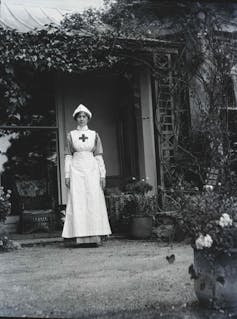
Moving deeper into the exhibition, visitors enter the dispensary, a space dedicated to Christie’s service with the Voluntary Aid Detachment (VAD) during the First World War. Working first as a nurse and later training as an official pharmaceutical dispenser at Torbay Hospital, Christie acquired a terrifyingly accurate and specialized knowledge of poisons.
The exhibition showcases documents detailing her pharmacological studies, revealing how compounds like thallium, cyanide, and digitalis were translated into the ingenious murder methods deployed in her fiction. Curator Lucy Rowland highlights how meticulous Christie was regarding toxicology; her descriptions were so chemically precise that they occasionally crossed from art into reality, helping alert readers and medical professionals to real-world poisonings.
The Orient Express and the Middle Eastern Odyssey
Perhaps no section of the exhibition captures Christie’s adventurous spirit quite like the recreation of the Orient Express, which flows seamlessly into a gallery dedicated to her travels in the Middle East.
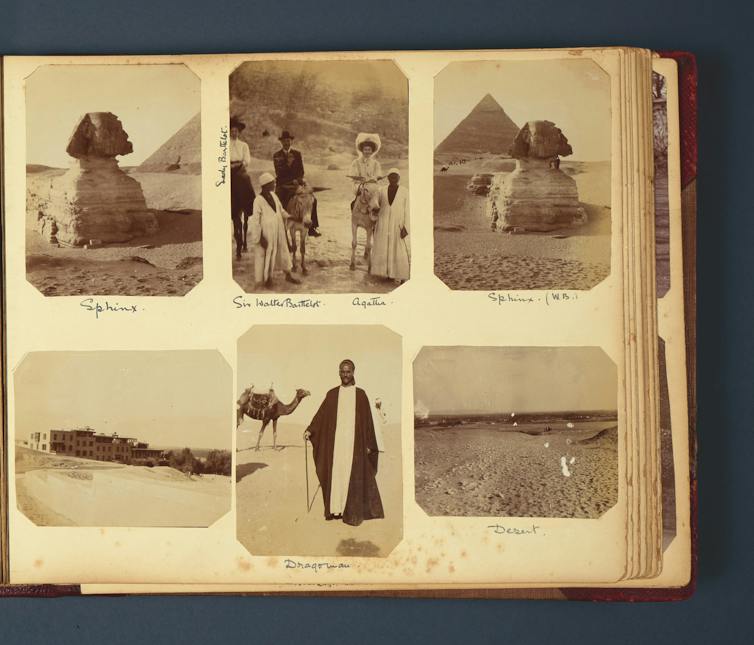
Long before she became the Queen of Crime, Christie’s mother arranged for her to spend a "season" in Cairo between 1907 and 1908. Unlike wealthy peers vying for marriage markets in London, Christie experienced a more modest coming-out in Egypt. As noted in her autobiography, she had little patience for historical antiquity at the time, remarking that "the wonders of antiquity were the last thing I cared to see."
Yet, her resistance to the ancient world was short-lived. In 1928, after a spontaneous change of heart diverted her away from a planned trip to the Caribbean, she boarded the Orient Express bound for Baghdad. This impromptu journey altered the course of her life. In Iraq, she befriended the eminent archaeologist Leonard Woolley and his wife, Katharine. Two years later, on a return trip to the ancient Sumerian city-state of Ur, she met Woolley’s young assistant, Max Mallowan.
As Mallowan recounts in his memoir, a minor mishap involving a stuck car in the desert sands tested Christie’s patience. Her stoic, unfazed reaction to the desert disaster convinced Mallowan of her extraordinary character. They married at St. Columba’s Church in Edinburgh in September 1930.
For the rest of her life, Christie was an active participant in Mallowan’s archaeological expeditions across Iraq and Syria. The exhibition sheds light on this frequently overlooked chapter of her career: far from being a passive passenger, Christie was a skilled photographer, a supervisor of local workmen, and an amateur conservator who used her personal face cream to clean delicate ancient ivories. Prominently displayed is her small, portable typewriter—the cutting-edge technology of her era—which allowed her to maintain a nomadic lifestyle while continuously producing world-class fiction from remote desert tents.
Supporting Context & Metrics: Evaluating the Phenomenon
Confronting Complexities: Race and Representation
While A World of Mystery celebrates Christie’s literary triumphs, it refuses to sanitize her legacy. The exhibition addresses the casual racism and antisemitism present in some of her early works. While the offensive original title of her 1939 masterpiece—widely known today as And Then There Were None—is handled with curatorial discretion, the exhibition makes it transparent that her texts evolved alongside shifting societal norms, prompting necessary updates and title changes for modern audiences.
A Borderless Literary Legacy
Before entering the final galleries, visitors pass an immense, vibrant wall of foreign-language translations. This installation underscores Christie’s unmatched international resonance. Far from being confined to the British middle-class drawing room, her plots have been eagerly adapted across cultures.
The exhibition showcases:
- Unauthorised Bollywood adaptations of And Then There Were None.
- Vintage promotional posters for theatrical runs of The Mousetrap in Shanghai.
- Video interviews with contemporary Arab crime fiction writers discussing how Christie’s plotting inspired their own craft.
These global touchpoints reinforce the idea that Christie’s fundamental themes—greed, jealousy, revenge, and the fragility of the social order—speak a universal language.
The Theatre: West End History and Modern Triumphs
The exhibition culminates in the "Theatre," a space designed to evoke London’s West End. A large central screen plays rare black-and-white archival footage of Christie speaking at the Savoy Hotel in 1962, humbly celebrating the tenth anniversary of The Mousetrap.
Electronic metrics boards flash staggering statistics that quantify her modern dominance:
- Total Sales: Over two billion copies sold globally.
- Theatrical Records: Christie was the first female playwright to have two distinct shows running simultaneously in the West End.
- Global Reach: Her works have been translated into more than 7,236 distinct editions worldwide.
- Current Momentum: Even fifty years after her death, over 42,700 copies of her books continue to be sold worldwide every single week.
Official Statements and Curatorial Vision
Reflecting on the philosophy behind the exhibition, lead curator Lucy Rowland noted that the goal was to strip away the caricature of Christie as a reclusive, tea-drinking suburban grandmother and restore her true identity as a fearless traveler, an industrial-age professional, and a sharp observer of human nature.
"Agatha Christie was never merely an armchair detective writer," Rowland stated during the press preview. "She was a woman who drove ambulances during the First World War, excavated ancient ruins in blistering desert heat, and understood the microscopic details of human psychology better than almost anyone else of her era. Through A World of Mystery, we wanted visitors to walk in her footsteps—not just to solve a crime, but to understand the extraordinary life of the woman who wrote them."
Literary historians and trustees of the Agatha Christie Archive have similarly praised the exhibition for providing scholars with direct access to materials that have long remained private, validating decades of academic interest in her contribution to travel writing and archaeological documentation.
Future Outlook
As Agatha Christie: A World of Mystery opens its doors at the British Library—running continuously until its scheduled close on June 20, 2027—it arrives at a critical juncture for popular culture studies. In an era dominated by rapid digital media and fleeting entertainment cycles, Christie’s enduring appeal demonstrates the timeless power of the classic puzzle narrative.
The exhibition acts as both a retrospective and a forward-looking beacon, proving that the Queen of Crime’s machinery of suspense remains as potent today as it was a century ago. For readers, scholars, and aspiring writers visiting London over the next few years, the exhibition is an unmissable invitation to step inside the mind of a genius—and perhaps, to see if they can spot the killer before the final page is turned.