Executive Overview
The contemporary landscape of British independent guitar music has spent the better part of the last decade searching for its next great inflection point. Amidst cyclical waves of post-punk revivalism, synth-laden nostalgia, and hyper-polished indie pop, a distinct hunger has persisted for something tactile, unpredictable, and genuinely rooted in songcraft. Enter Westside Cowboy, a Manchester-formed quartet whose arrival feels less like a calculated industry rollout and more like a seismic disturbance.
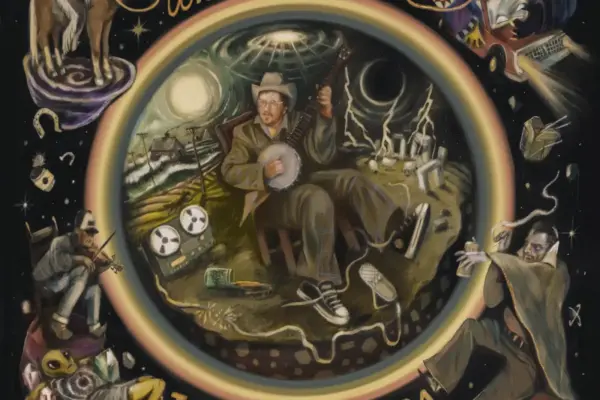
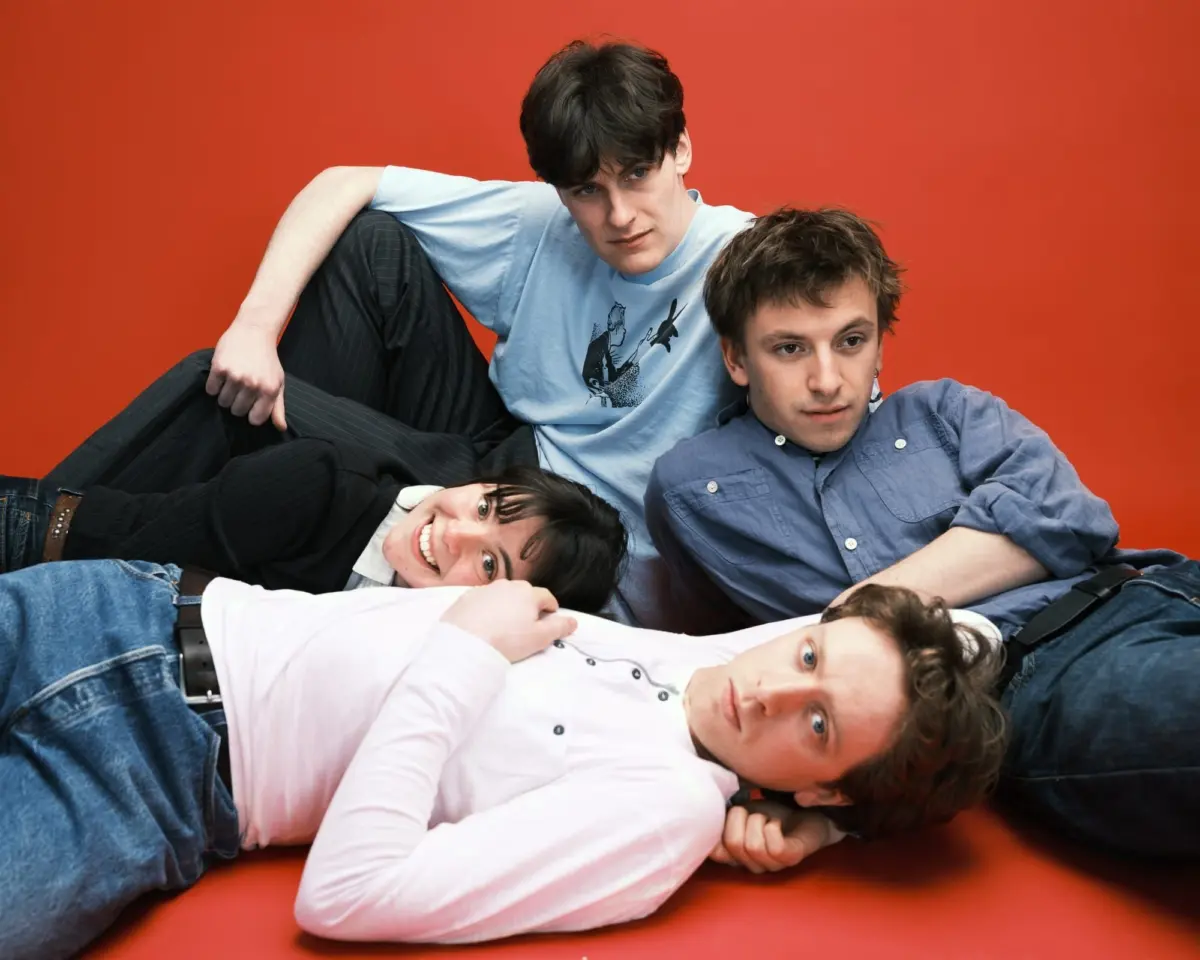
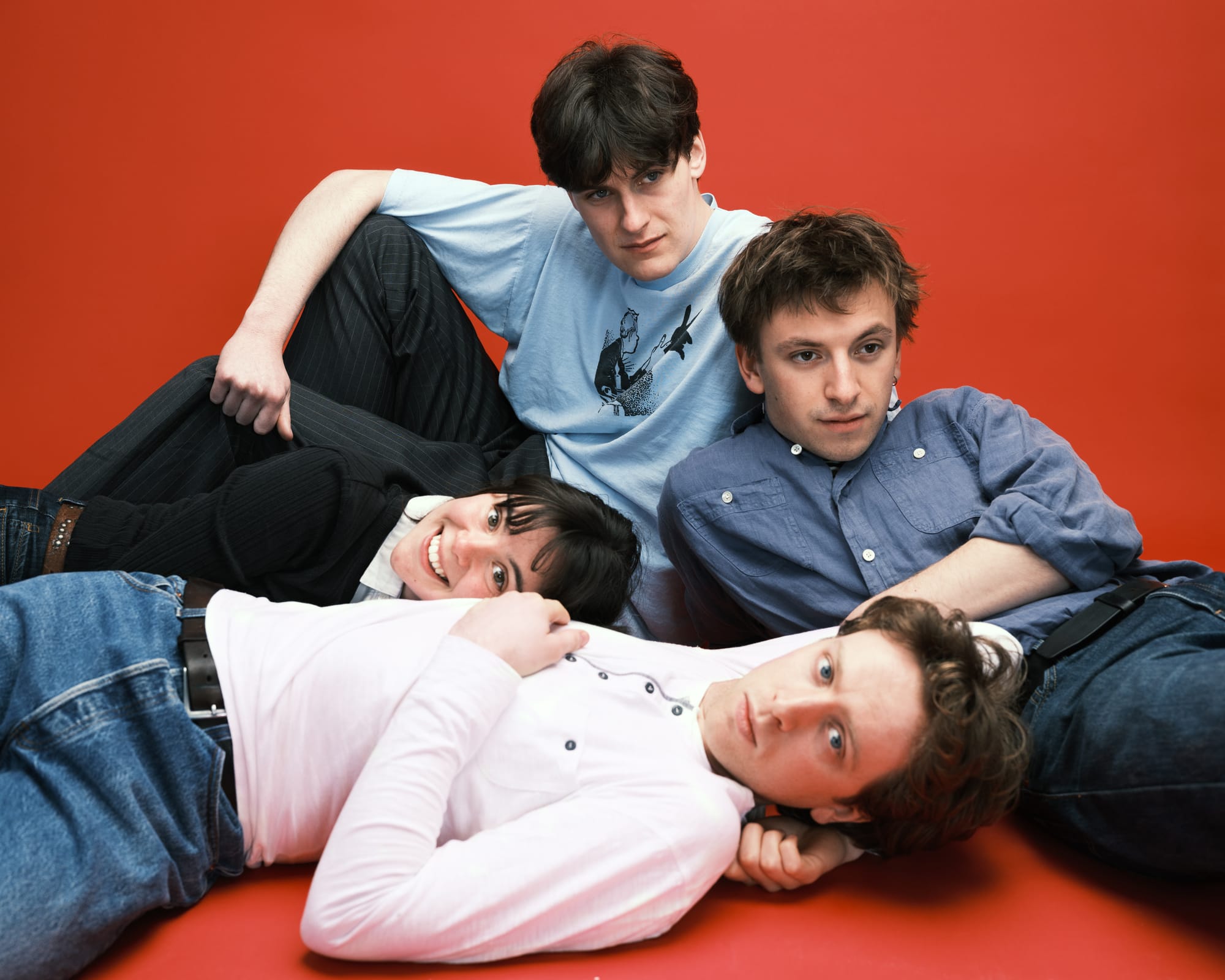
Released via Island Records on August 21, 2026, the band’s eagerly anticipated debut LP, It Goes On, bridges the vast emotional chasm between classic American roots traditions and the abrasive, self-aware pragmatism of modern British DIY culture. Comprising Jimmy Bradbury (vocals, guitar), Reuben Haycocks (vocals, guitar), Aoife Anson O’Connell (vocals, bass), and Paddy Murphy (vocals, drums)—all alumni of Manchester’s prestigious Royal Northern College of Music—Westside Cowboy possess a rare combination of technical virtuosity and unpretentious vitality.
Fresh off a high-profile Spring 2026 tour supporting art-rock innovators Geese, the band has stepped squarely into the spotlight. It Goes On is not merely a collection of promising songs; it is a sprawling, multi-textured statement that resists easy categorization, drawing comparisons to everyone from the Pixies and Belle and Sebastian to contemporary trailblazers like mary in the junkyard. This report explores the formation, sonic architecture, cultural context, and future trajectory of one of the most vital new acts on the UK circuit.
Detailed Chronology: From Manchester Halls to Island Records
The genesis of Westside Cowboy is deeply intertwined with the institutional halls of the Royal Northern College of Music (RNCM) in Manchester—a city globally renowned for forging musical lineages, from The Smiths and Joy Division to Oasis and Happy Mondays. However, rather than leaning into the bleak, industrial post-punk or stadium-sized bravado historically associated with the northern English metropolis, the four founding members found a shared obsession across the Atlantic.
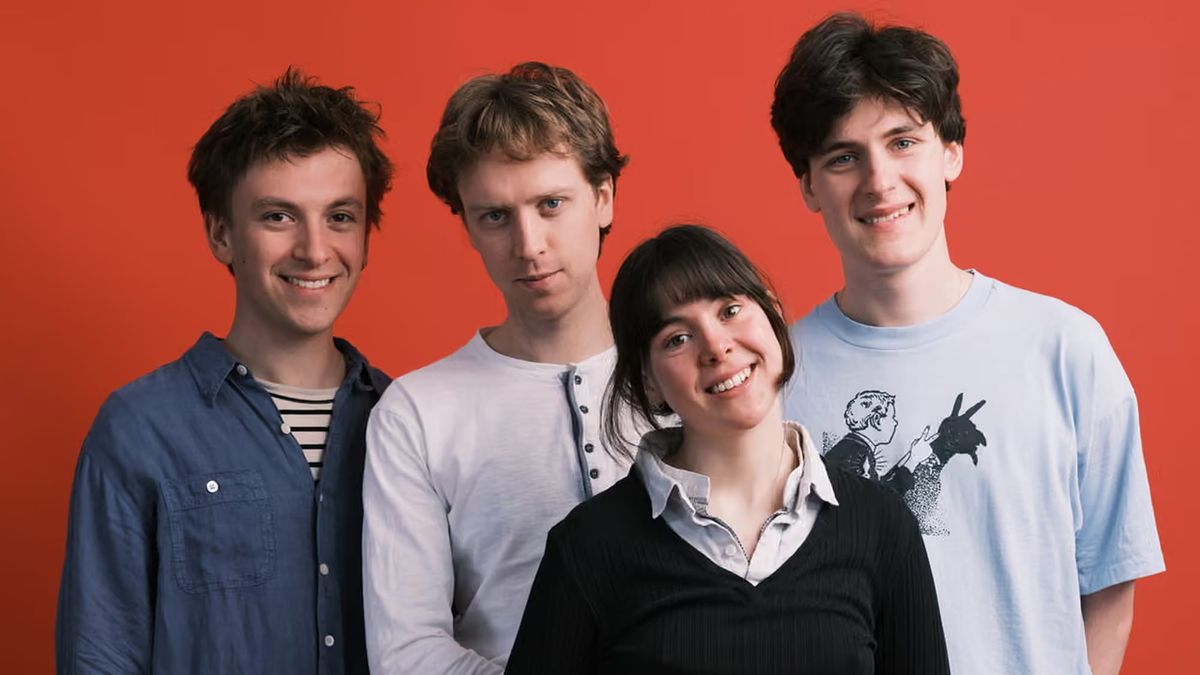
Bonded by a mutual reverence for American roots music—spanning classic country, Appalachian folk, blues, and heartland rock—Bradbury, Haycocks, Anson O’Connell, and Murphy began jamming together outside of their formal academic curricula. This cross-pollination of academic musical training and a rough-and-ready garage ethos yielded an immediate chemistry.
Rather than appointing a singular, autocratic frontman, the band cultivated a fiercely democratic approach to performance and songwriting. Duties are shared fluidly across all four members, creating a dynamic live show defined by palpable camaraderie and kinetic energy. This collaborative spirit quickly caught the attention of tastemakers and booking agents, turning underground club circuits into packed, word-of-mouth phenomena.
The pivotal turning point in the band’s trajectory occurred in the spring of 2026, when Westside Cowboy were tapped to support Brooklyn experimental rock outfit Geese on their UK and European tour. Placed in front of discerning, rock-literate audiences night after night, the quartet honed their stagecraft, transforming from an exciting local secret into a nationally viable force.
Capitalizing on this momentum, the band signed with major-label heavyweight Island Records, culminating in the late-summer release of It Goes On. The record serves as a definitive marker of their transition from conservatory hopefuls to standard-bearers for a bold new era of adventurous guitar bands.
Supporting Context & Metrics: Decoding the Sound of It Goes On
To understand the cultural resonance of It Goes On, one must examine the sonic DNA that underpins Westside Cowboy’s output. Musically, the record is a masterclass in tension and release. It deploys the warm, organic instrumentation of folk and Americana—acoustic guitars, walking basslines, and rich vocal harmonies—while deliberately subverting any tendencies toward pastoral preciousness.
The warmth of their folk influences is continuously unsettled by gritty, overdriven guitar tones and a lyrical worldview firmly rooted in the mundane realities of modern youth. Where traditional roots music often romanticizes rural escapism, Westside Cowboy brings those tropes down to earth, filtering them through the lens of urban British life. Their lyricism captures the mundane frustrations, fleeting joys, and existential humdrum of twenty-first-century existence, delivered with a punk rock detachment that keeps sentimentality at bay.
Critical Comparisons and Influences
Music critics and fans alike have struggled to lock down a single genre tag for Westside Cowboy, a friction that works entirely to the band’s advantage. Stylistic touchstones for It Goes On span multiple decades and continents:
- The Pixies: Evident in the band’s sudden dynamic shifts, alternating between whispered acoustic intimacy and explosive, distortion-heavy choruses.
- Belle and Sebastian: Reflected in the sophisticated melodic arrangements, narrative-driven lyricism, and communal vocal sharing.
- Geese: Echoed in the restless, unpredictable song structures and a shared refusal to adhere to traditional verse-chorus-verse boundaries.
- mary in the junkyard: Shared through a mutual commitment to dismantling traditional indie-rock conventions in favor of jagged, emotionally raw arrangements.
Official Statements and Industry Reception
The critical reception surrounding It Goes On has been overwhelmingly positive, solidifying Westside Cowboy’s reputation as a critical darling-in-the-making. Industry gatekeepers have rushed to position the album as a vital checkpoint for guitar music in 2026.
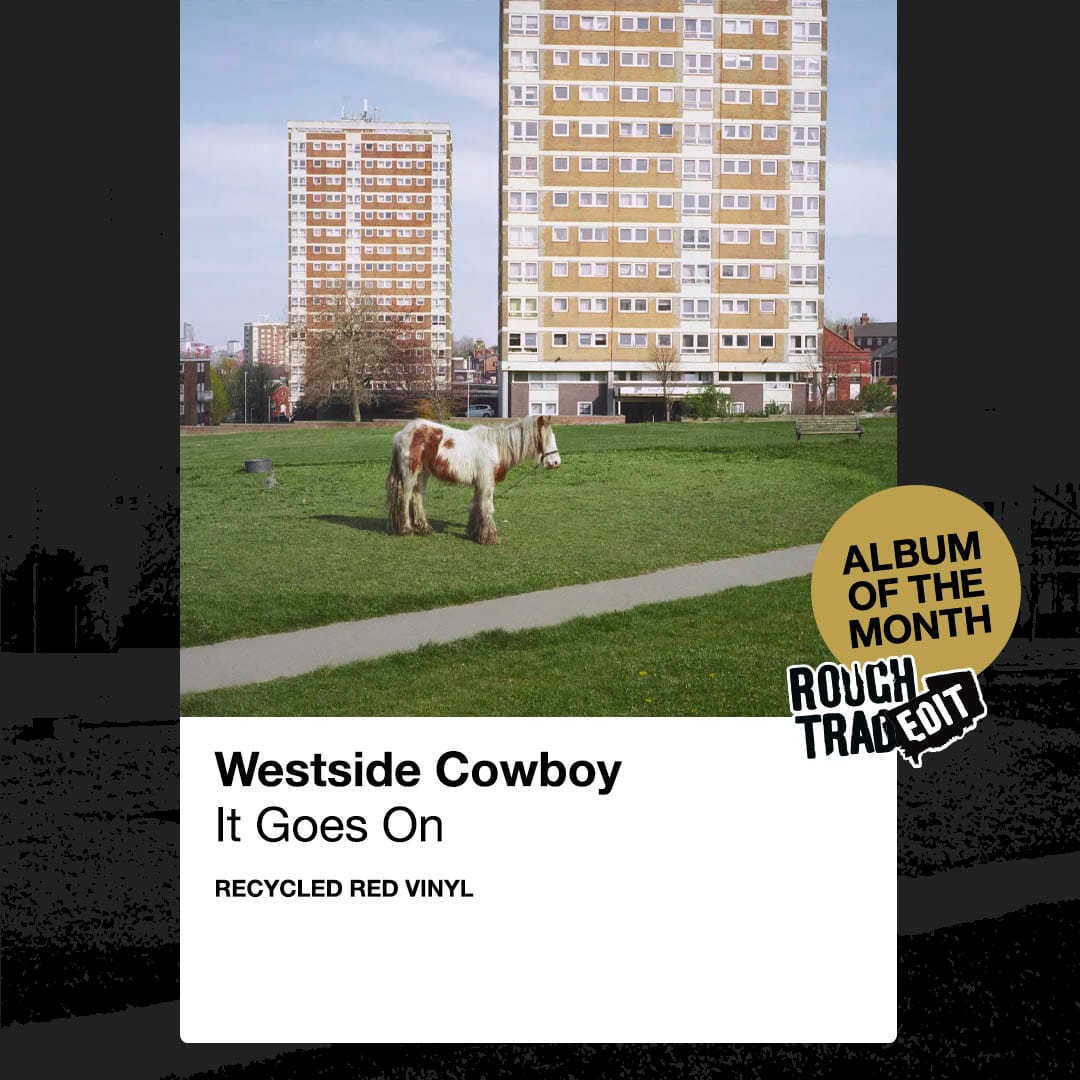
Independent retail giant Rough Trade selected It Goes On as a focal point of their curation, praising the band’s ability to inject new life into traditional formats:
"Songs bursting with spirited energy and dynamic technique, Westside Cowboy cement their place in a new era of adventurous guitar bands—you shouldn’t miss these guys as part of it."
Reviewers have similarly highlighted the album’s refusal to pander to algorithmic trends. In an era where many emerging acts engineer their sound for short-form video platforms, Westside Cowboy has constructed an LP designed for deep, active listening. Musicologists and critics have noted that repeated spins of It Goes On reveal subtle counter-melodies, intricate vocal trade-offs, and rhythmic complexities that elevate the record far above the standard debut-album tier.
Future Outlook: The Road Ahead for Westside Cowboy
As the dust settles on the release of It Goes On, the immediate future for Westside Cowboy looks exceptionally bright, albeit demanding. The transition from underground indie darlings to an Island Records priority act brings heightened expectations, increased touring commitments, and global exposure.

Upcoming Milestones and Opportunities
- Expanded Touring Cycles: Following their successful run with Geese, the band is slated to headline their own extensive club tours across the UK, Europe, and potentially North America throughout late 2026 and 2027.
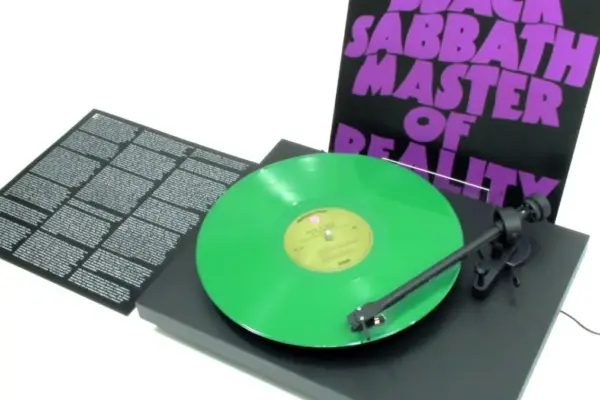
- Community Integration via Rough Trade: Through their inclusion in initiatives like the Rough Trade Club Discovery subscription service, the band is securing physical distribution directly into the hands of dedicated vinyl collectors, guaranteeing a sticky, loyal grassroots fanbase.
- Musical Evolution: Given that all four members (Bradbury, Haycocks, Anson O’Connell, and Murphy) are technically trained musicians with a voracious appetite for diverse sonic palettes, the ceiling for their artistic evolution is remarkably high. Future releases may push even further outside the boundaries of indie-rock and Americana.
Ultimately, Westside Cowboy represents a vital antidote to the corporate homogenization that occasionally plagues modern commercial rock. By retaining their DIY ethos, embracing their technical proficiency, and refusing to settle into a single sonic lane, they have delivered a debut album that demands attention. It Goes On is not just the beginning of a promising career; it is a clear signal that the future of British guitar music is in exceptionally capable hands.