Executive Overview
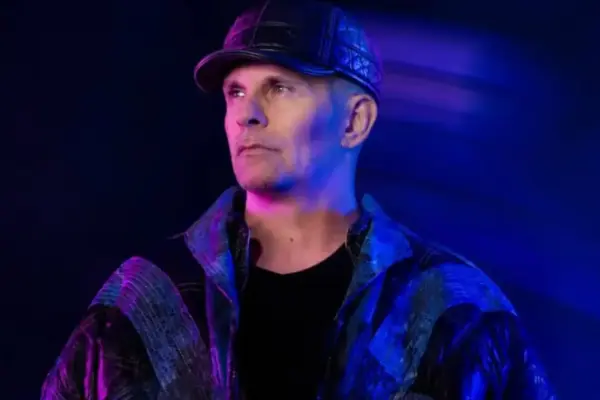
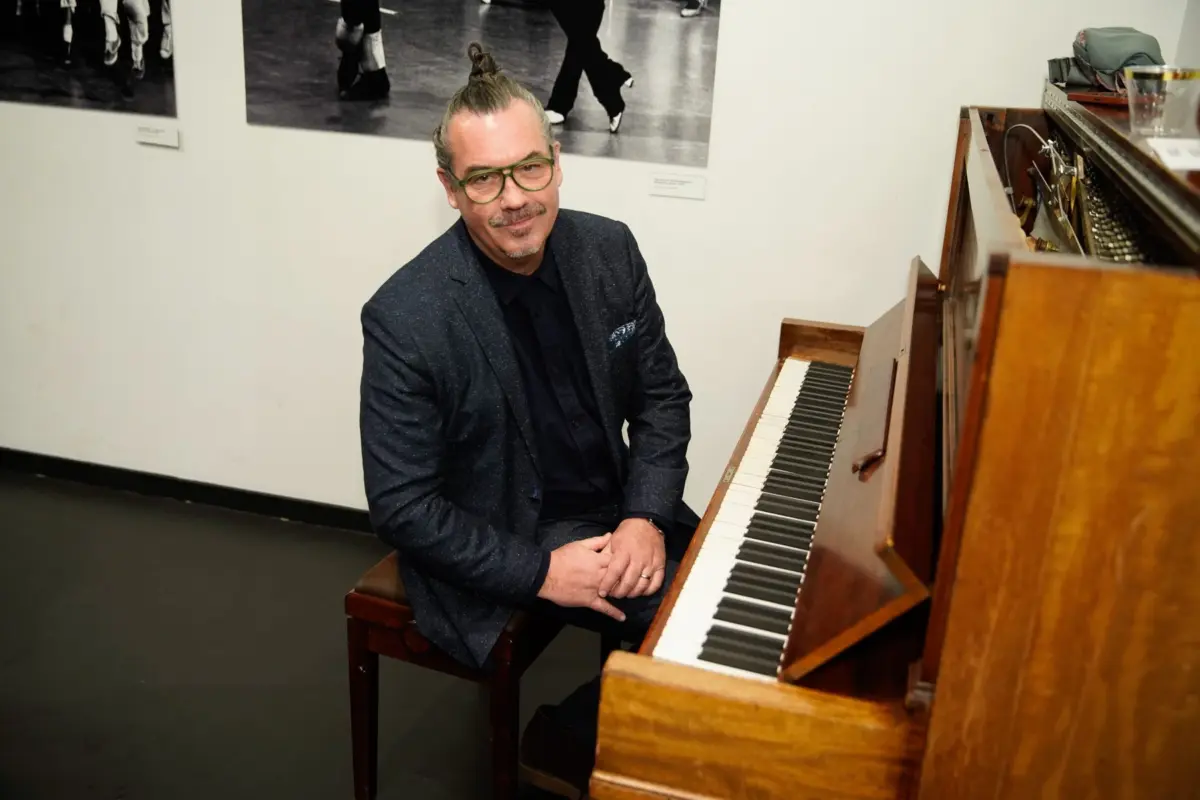
The global music and theatrical communities are in mourning following the death of singer-songwriter, composer, and multi-instrumentalist Duncan Sheik. Best known for his 1996 Grammy-nominated, chart-topping acoustic masterpiece "Barely Breathing," Sheik passed away at the age of 56 in a Manhattan hospital. His mother, Suzanne Sheik, confirmed that the cause of death was organ failure following an extended, undisclosed illness that had kept him hospitalized for several weeks.
Though his name is inextricably linked to the mid-1990s adult alternative boom, Sheik’s artistic footprint extended far beyond radio hits. He navigated an atypical career trajectory that evolved from reluctant pop heartthrob to a revered composer of avant-garde folk, film scores, and critically acclaimed Broadway musicals. Most notably, he conquered the Great White Way with the landmark 2006 rock musical Spring Awakening, earning multiple Tony and Grammy Awards.
This comprehensive retrospective examines Sheik’s life, his cultural impact across popular music and musical theater, his struggles with the trappings of sudden celebrity, and the enduring resonance of a catalog defined by emotional honesty, literary depth, and classical sophistication.
Detailed Chronology: From Montclair to Manhattan and the Final Days
Early Life and Musical Foundations
Duncan Sheik was born on November 18, 1969, in Montclair, New Jersey. Growing up in a culturally rich environment, he developed an early affinity for classical composition, pop songwriting, and eclectic literature. He eventually attended Brown University, where he majored in semiotics—a discipline focused on the study of signs, symbols, and communication—which deeply influenced his thoughtful approach to lyricism.
During his undergraduate years at Brown, Sheik crossed paths with a fellow aspiring musician, Lisa Loeb. The two formed a collegiate band, cutting their teeth in the vibrant New England college-rock circuit. After graduating, Sheik made the pivotal move to Los Angeles in 1992, seeking to break into the professional music industry as both a solo artist and a sideman, touring briefly with artists like Liz Phair before securing his own major-label deal with Atlantic Records.
The Phenomenon of "Barely Breathing"
Sheik’s self-titled debut album, released in 1996, introduced audiences to a unique sonic template: jangly, intricate acoustic guitar arrangements paired with melancholy, searching vocals and sophisticated chord progressions. The album’s lead single, "Barely Breathing," became an inescapable cultural touchstone of the late ’90s.
Spending an astonishing 55 weeks on the Billboard Hot 100—peaking at No. 16—the track struck a chord with listeners navigating the complexities of fractured relationships. The song’s success earned Sheik a Grammy nomination for Best Male Pop Vocal Performance, positioning him at the vanguard of the burgeoning adult alternative airplay format.
However, the glossy machinery of 1990s pop stardom sat uncomfortably with Sheik. Blessed with striking, boyish good looks and a naturally shy, introspective demeanor, he found himself cast as a reluctant pin-up idol—a label he frequently rejected in interviews. As cultural critic Ann Powers observed in a 1998 New York Times review, Sheik’s earnest intellectualism and grounding in Nichiren Buddhism stood in stark contrast to the superficial demands of pop idolotry: "Don’t hate Duncan Sheik because he’s beautiful. He is trying very hard to distance himself from that fact."
Broadening Horizons and the Theater Pivot
Rather than chasing the commercial highs of his debut, Sheik consciously steered his career toward artistic experimentation. His sophomore album, Humming (1998), leaned further into meditative, atmospheric textures. He followed it with 2001’s Phantom Moon, a poetic, Nick Drake-inspired song cycle written in collaboration with playwright Steven Sater—setting the stage for a deeply fruitful creative partnership. Over the next two decades, Sheik released a steady stream of critically acclaimed solo studio albums, culminating in his 2022 release, Claptrap.
Simultaneously, Sheik embarked on a theatrical renaissance. Partnering again with Steven Sater, he spent years developing a rock musical adaptation of Frank Wedekind’s 1891 expressionist play, Spring Awakening. Debuting off-Broadway before transferring to Broadway in 2006, the production was a seismic cultural event. It introduced raw adolescent angst, sexuality, and rock-infused vulnerability to the theater district, launching the careers of future stars like Lea Michele, Jonathan Groff, and John Gallagher Jr.
The gamble paid off spectacularly. Sheik swept the theatrical awards circuit, winning Tony Awards for Best Original Score and Best Orchestrations, alongside a Grammy Award for Best Musical Show Album.
Final Months and Passing
Sheik’s health battles became public in the late summer of 2026. After weeks of silence from his usual social media channels, he shared hospital updates with fans, offering a characteristically philosophical window into his condition. On August 20, he posted a photo from a medical room wearing a hospital gown, writing: "I would prefer to be home making music. But a bit of reflection is not too bad… boring hospital stays have their benefits (outside the obvious.)" By September 6, he lamented that he was still "bored in hospital."
On September 14, his family shared that he was fighting an unspecified illness in critical yet stable condition. Tragically, on the night of September 17, Sheik passed away surrounded by loved ones at a Manhattan hospital. His mother, Suzanne Sheik, confirmed that his death was the result of organ failure. He was 56 years old.
Supporting Context & Metrics: Analyzing Sheik’s Chart Dominance and Legacy
While Sheik’s post-debut output prioritized artistic depth over commercial ubiquity, his initial impact on American radio remains an enduring statistical marvel.
- The Hot 100 Stays: "Barely Breathing" spent a staggering 55 consecutive weeks on the Billboard Hot 100 chart, cementing its status as one of the definitive power ballads of the 1990s adult contemporary landscape.
- Airplay Dominance: The single reached No. 1 on the weekly Adult Alternative Airplay chart and peaked at No. 2 on the Adult Pop Airplay chart, while cracking the top 10 on the all-format Radio Songs and Pop Airplay charts.
- All-Time Rankings: In Billboard retrospective recaps, "Barely Breathing" holds a firm position within the top 40 of both the Greatest of All Time Adult Alternative Songs and Greatest of All Time Adult Pop Songs charts.
- Theatrical Accolades: Spring Awakening stands as one of the most successful contemporary musicals of the 21st century, winning eight Tony Awards in 2007, including Best Musical, with Sheik personally taking home statuettes for Best Original Score and Best Orchestrations.
Official Statements and Tributes
The artistic community responded to Sheik’s passing with an outpouring of grief, celebrating a life dedicated to sonic exploration, mentorship, and quiet kindness.
In an official statement released via Instagram on Friday, September 18, Sheik’s family wrote:
"The world has lost a singular talent, and deeply influential voice in music and theater. Duncan passed away last night surrounded by love. Duncan’s artistry touched many and leaves an indelible mark on the cultural landscape. Duncan was a father, husband, son, brother, and friend. He will be remembered for his sensitivity, wit, intelligence, and depth of spirit he brought to those who knew and loved him. We are deeply grateful for the outpouring of love from his fans, friends, collaborators, and the artistic community. His musical legacy will continue to inspire generations to come."
Collaborators and peers took to social media to share memories of his gentle demeanor and exacting artistic standards. Playwright Steven Sater, Sheik’s longtime creative partner on Spring Awakening, American Psycho, and Alice By Heart, posted a tribute highlighting Sheik’s restless intellect and deep spiritual grounding: "Duncan heard music in the spaces between words, in the quiet corners of the human heart. Our decades of creation together were the privilege of a lifetime."
Former college bandmate and lifelong friend Lisa Loeb shared her devastation, remembering their early days at Brown University and marveling at how Sheik maintained his artistic integrity throughout decades of shifting industry tides.
Future Outlook: Preserving a Multifaceted Musical Legacy
Duncan Sheik leaves behind a complex and multifaceted legacy that transcends standard definitions of pop stardom. He proved that an artist could successfully bridge the seemingly disparate worlds of commercial adult-alternative radio, classical chamber pop, and Broadway musical composition.
Beyond his solo catalog—spanning nine studio albums from his 1996 self-titled breakout to 2022’s Claptrap—Sheik’s theatrical works continue to be staged worldwide. His penchant for adapting complex literary and theatrical source material resulted in a diverse stage portfolio that includes:
- Spring Awakening (2006): A rock musical exploring adolescent sexuality and repression.
- Phantom Moon (2001): A cinematic folk collaboration with Steven Sater.
- American Psycho (2013): A provocative musical adaptation of Bret Easton Ellis’s dark satirical novel.
- Alice By Heart (2019): A poignant, Alice’s Adventures in Wonderland-inspired musical set in a London Underground bomb shelter during World War II.
- Because of Winn-Dixie (2013): A melodic, Americana-infused stage adaptation based on the beloved novel.
As scholars, fans, and fellow musicians unpack his contributions, Duncan Sheik will be remembered not merely as the architect of a singular ’90s radio smash, but as a restless sonic architect. He approached his craft with the rigor of a classical composer, the heart of a folk troubadour, and the narrative curiosity of a modernist playwright. His music—breathing, searching, and deeply human—will continue to resonate long after his untimely passing.