Executive Overview
POWYS, WALES — After five years of championing radical ecological connection, spiritual healing, and alternative models of hospitality, singer-songwriter Charlotte Church has permanently closed her renowned Welsh wellness retreat, The Dreaming. Situated within the historic walls of Rhydoldog House near Rhayader in Powys, the enterprise served as a refuge for thousands seeking respite from the relentless pace of modern existence. What began as an ambitious, deeply personal vision to counter the alienation of contemporary consumer culture has ultimately succumbed to the unforgiving economic realities of running a high-touch, mission-driven hospitality venue in rural Wales.
Initially framed by its operators last month as a temporary "period of hibernation" intended to allow the team to reassess its strategic offerings and "germinate new dreams," the venture’s trajectory has shifted decisively. In an official and poignant statement released across social media, Church and her dedicated team confirmed that the pause is, in fact, the definitive conclusion of their journey.
The closure marks the end of a remarkable chapter for Rhydoldog House—a 15th-century estate previously owned by iconic fashion and textile designer Laura Ashley—which Church acquired in 2021 by investing virtually her entire life savings. Over its operational lifetime, The Dreaming welcomed more than 3,000 guests, championing an ethos of radical accessibility through pioneering initiatives such as "pay what you can" pricing structures and dedicated complimentary stays for National Health Service (NHS) workers.
Yet, despite its cultural resonance, critical acclaim, and extensive media documentation—including a prominent feature in a Discovery Channel documentary series—the enterprise could not sustain itself indefinitely. Documents filed with Companies House in March 2025 outlined a core team of five employees who managed the day-to-day operations of the carbon-neutral sanctuary. As The Dreaming extinguishes its fires and bids farewell to the Welsh hills, its closure serves as a case study in the profound challenges facing independent, values-led enterprises attempting to challenge prevailing capitalist paradigms within a fragile post-pandemic economy.
Detailed Chronology: From Laura Ashley’s Estate to a Sanctuary for the Soul
The Acquisition and Vision (2021)
The story of The Dreaming is inextricably bound to the history and geography of Rhydoldog House, a sprawling, picturesque property nestled deep within the dramatic landscapes of the Elan Valley watershed in Powys. With architectural origins dating back to the 15th century, the estate possesses a rich cultural heritage, most notably as the former home of retail and fashion legend Laura Ashley and her husband, Bernard. The Ashley family retained ownership of the property until Bernard’s passing in 2009, after which it awaited its next major evolution.
That evolution arrived in 2021 when Charlotte Church, seeking a profound lifestyle shift and a physical manifestation of her holistic philosophies, purchased the historic seven-bedroom property for approximately £1.5 million. Church later admitted publicly that the venture consumed "pretty much all my life savings," underlining the immense personal financial risk she undertook to bring the project to fruition.
By late 2021, planning applications submitted to local authorities detailed Church’s ambitious blueprint: transforming Rhydoldog House into a carbon-neutral wellbeing and healing retreat. The vision extended beyond the main house, incorporating plans for four sustainable log cabins within the surrounding woodland grounds to expand low-impact tourist accommodation. Church’s intent was clear from the outset—to create an immersive environment where art, nature, and spirituality could intersect harmoniously.
Renovation and Media Spotlight (2022–2023)
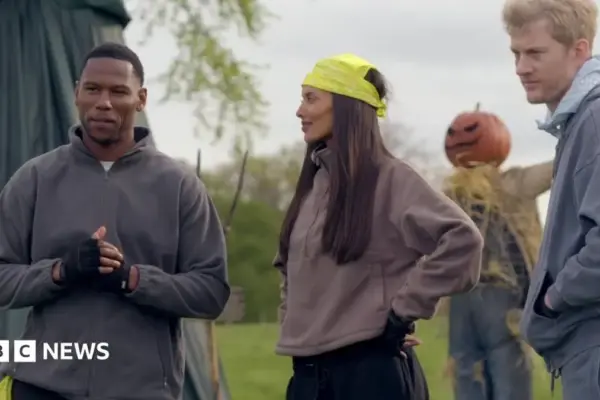
The complex, multi-layered restoration of Rhydoldog House was captured extensively by the media, most notably in a Discovery Channel documentary series that charted the structural and spiritual transformation of the estate. The renovation process was fraught with the logistical challenges typical of rural heritage properties, compounded by Church’s commitment to rigorous ecological standards. Every material choice, energy source, and land-management practice was scrutinized to ensure the retreat aligned with carbon-neutral imperatives.
During this developmental phase, Church frequently articulated her philosophical motivations, positioning The Dreaming as a direct counter-narrative to the pressures of 21st-century life. She argued passionately that contemporary society’s foundation in hyper-capitalist values had systematically eroded communal bonds, ecological awareness, and psychological well-being.
Operations, Community Building, and Accessibility (2023–2025)
Upon opening its doors, The Dreaming quickly established a distinct identity within the burgeoning global wellness market. Eschewing the exclusive, high-tariff model common among luxury wellness resorts, Church implemented an egalitarian economic model designed to democratize access to healing spaces.
Central to this ethos was the "pay what you can" pricing scheme, with base rates starting at an accessible £1 per night for individuals facing financial hardship. Furthermore, the retreat forged deep ties with frontline public services by offering dedicated, fully funded stays for NHS workers who had weathered the immense psychological fallout of the COVID-19 pandemic.
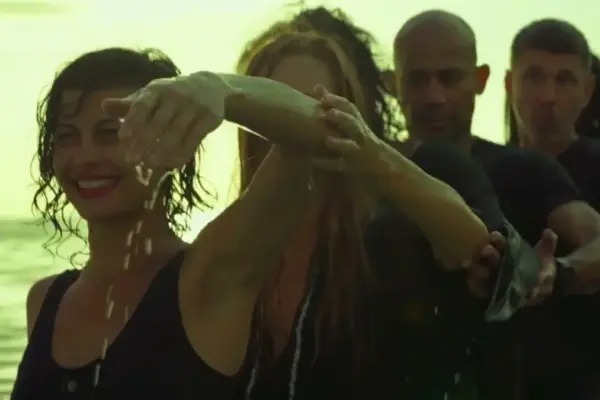
Over the course of five years, the retreat hosted more than 3,000 visitors. Guests participated in immersive workshops, sound baths, yoga sessions, foraging walks, and philosophical circles designed to foster deep introspection and communal bonding.
The Pivot to Hibernation and Final Closure (2025)
Signs of structural strain began to emerge publicly in early 2025. Corporate filings submitted to Companies House in March indicated that the enterprise maintained a lean operational structure, supporting a core team of five staff members.
In early 2025, the management team announced that the business was entering a temporary "hibernation" phase to "germinate new dreams for the future" and reassess its programmatic offerings. However, as weeks of internal review elapsed, the structural and financial realities of maintaining the expansive estate proved insurmountable. Rather than reopening under a restructured model, Church and her team reached the painful consensus that the journey had reached its natural conclusion.
Supporting Context & Metrics: Economics, Ecology, and Philosophy
The Economic Realities of Values-Led Hospitality
The closure of The Dreaming underscores a persistent tension within the alternative economy sector: the friction between idealistic pricing models and the unforgiving fixed costs of heritage property maintenance. Operating a 15th-century estate in rural mid-Wales entails substantial overhead, including specialized historic building upkeep, rigorous energy management to maintain carbon-neutral credentials, and competitive fair-wage compensation for specialized wellness practitioners and hospitality staff.
While the "pay what you can" model and complimentary NHS stays successfully fulfilled Church’s social justice mission, they inevitably created a fragile revenue architecture. In an inflationary economic climate marked by surging energy bills, rising supply chain costs, and constrained discretionary spending among consumers, mission-driven enterprises relying on voluntary or subsidized contributions face severe solvency pressures. Church’s personal financial exposure—having invested her life savings into the acquisition—highlights the heavy burden placed on independent cultural figures attempting to subsidize public-good infrastructure through private capital.
The Philosophical Underpinnings
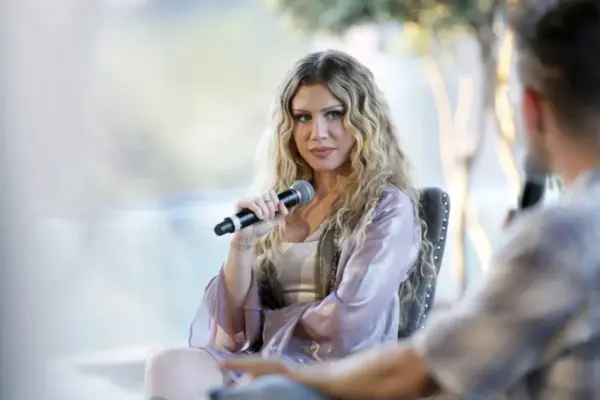
To understand The Dreaming is to understand Charlotte Church’s vocal critique of modern socioeconomic structures. In numerous interviews leading up to and during the retreat’s operation, the singer-songwriter diagnosed what she perceived as a spiritual malaise endemic to advanced capitalist societies.
"I am really passionate about what we do, because I believe more than ever the world and the people of the world are in dire need of being held through some very difficult times," Church explained earlier this year.
"There are some very difficult transitional times for us as human beings on this Earth. This is also due to the excesses in which society is so much based around, capitalist values and ideologies, meaning there is then less around care, people, community, nature and belonging. We are crying out for these things, every single one of us."
This ideological framework directly informed the daily rhythm of The Dreaming. It was conceived not merely as a hotel or spa, but as a cultural laboratory attempting to model alternative ways of living, relating, and healing in an era of ecological anxiety and social fragmentation.
Quantitative Overview of The Dreaming
- Operational Lifespan: 5 years (2021–2025)
- Location: Rhydoldog House, near Rhayader, Powys, Wales
- Historical Significance: Former 15th-century estate of fashion entrepreneur Laura Ashley and Bernard Ashley.
- Initial Capital Investment: Approximately £1.5 million (funded largely through Church’s personal savings).
- Total Guests Hosted: Over 3,000 individuals.
- Employment Footprint: 5 registered employees (as of Companies House filings, March 2025).
- Key Accessibility Initiatives: "Pay what you can" pricing starting at £1 per night; dedicated free-stay programs for NHS personnel.
- Environmental Mandate: Carbon-neutral transformation featuring sustainable woodland log cabins.
Official Statements and Community Reflection
The transition from a planned temporary hiatus to permanent closure was communicated with characteristic poetic candor by the retreat’s operational team. In a heartfelt statement published across digital platforms, the collective reflected on the profound emotional resonance of their five-year tenure:
"We had hoped it would be a period of hibernation, rather than an ending, but have come to realise it is the end of our journey with The Dreaming. What a beautiful, wild and wonderful few years it has been.
We’ve shared stories, made friendships, held space for one another and found moments of stillness in a world that so rarely allows us to slow down.
Thousands of you have found your way to this little corner of the Welsh hills, each bringing something of yourselves, and each leaving a little something behind. You have made The Dreaming what it is."
The response from the wider community, former guests, and fellow wellness practitioners was swift and overwhelmingly supportive. Social media channels were flooded with personal anecdotes from visitors detailing how their stays at Rhydoldog House provided crucial psychological sanctuary during personal crises, grief, or professional burnout. For many, The Dreaming had transcended its physical boundaries to become a symbol of empathetic resistance against the atomization of modern life.
Future Outlook: What Lies Ahead for Rhydoldog House and Charlotte Church?
As the physical gates of The Dreaming close for good, profound questions remain regarding the future of Rhydoldog House and the next evolution of Charlotte Church’s multifaceted career.
The estate itself—with its historic 15th-century architecture, extensive terraced gardens, and carbon-neutral infrastructure—represents a significant real estate asset within Powys. Whether the property will be sold on the open market, transitioned into a private family residence, or reimagined under an entirely different commercial or charitable framework remains to be seen. Given the substantial emotional and financial capital Church invested in restoring the grounds, the property’s next chapter will undoubtedly draw keen local and national interest.
For Church, who transitioned from a globally recognized child prodigy and pop-classical vocalist into an outspoken activist, cultural commentator, and holistic entrepreneur, the closure of the retreat represents a significant juncture. While The Dreaming as a physical hospitality venue has ceased operations, the core philosophies that birthed it—ecological stewardship, social equity, artistic expression, and holistic mental health care—remain central to her public identity and ongoing creative output.
Ultimately, while The Dreaming’s physical experiment in radical hospitality has drawn to a close, its legacy within the Welsh hills and the hearts of the thousands who walked its grounds endures. It stands as a bold, uncompromising attempt to build a sanctuary in an age of anxiety—a testament to what can be achieved when imagination and empathy challenge the status quo, even if the economic tides ultimately prove too strong to turn.