Executive Overview
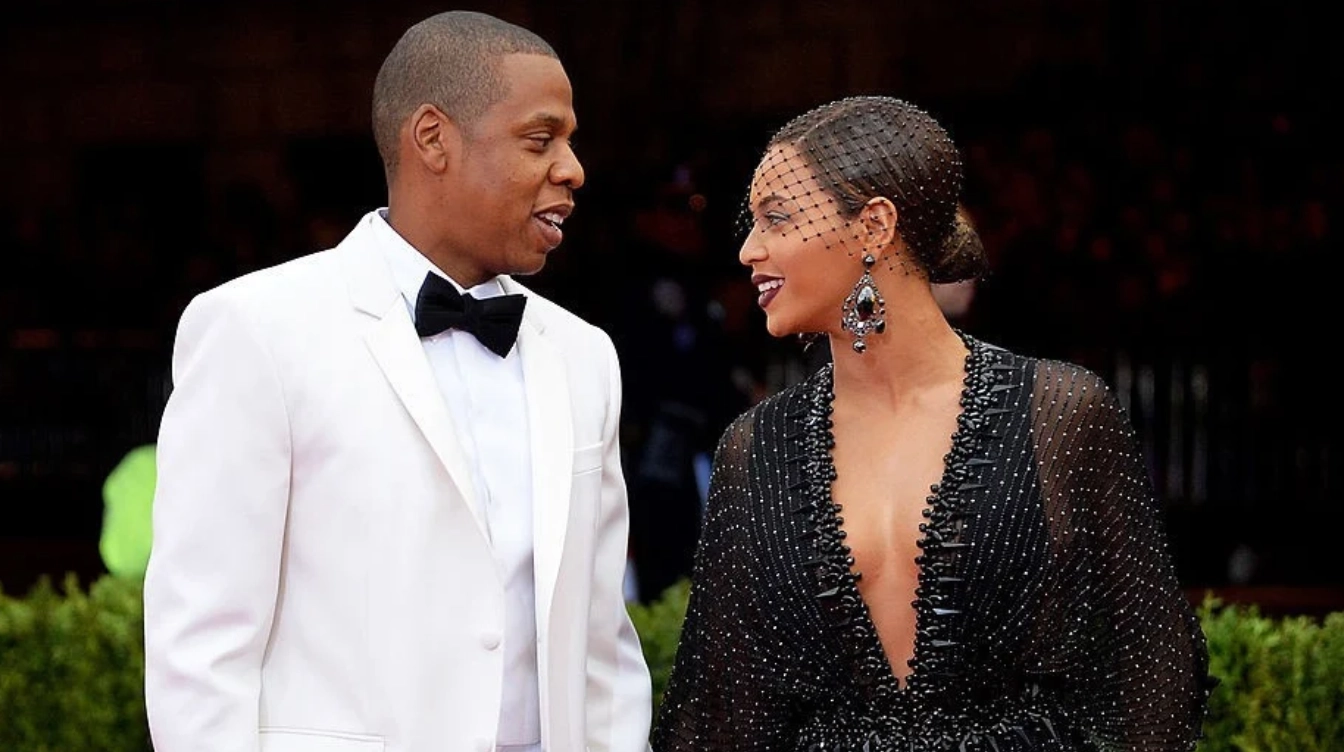
When Forbes confirmed in December 2025 that Beyoncé Knowles-Carter had officially crossed the ten-figure threshold, it answered a question that industry analysts, financial prognosticators, and passionate fans had debated for the better part of a decade. Becoming a billionaire is a rarefied air in the music industry. With this milestone, Beyoncé entered an ultra-exclusive echelon, joining her husband, Jay-Z, and a tiny handful of peers who have translated generational cultural influence into immense private equity.
Yet, the headline-grabbing number obscures a far more compelling narrative. Unlike many of her contemporaries who secured their ten-figure status through single, high-profile corporate exits—such as selling their complete music catalogs to institutional funds or liquidating majority stakes in consumer product companies—Beyoncé’s ascension was deliberately systemic. It is an economic framework built on meticulous vertical integration, ironclad creative control, and an uncompromising commitment to owning the infrastructure of her enterprise.
Spanning over two decades of cultural dominance, her wealth is not merely the byproduct of record-breaking ticket sales or platinum-certified albums. It is the result of a deliberate corporate strategy orchestrated through Parkwood Entertainment, her self-founded management and production company. This investigative breakdown analyzes the foundational metrics, the financial milestones, and the operational strategy that transformed a global pop icon into a powerhouse entertainment mogul.
Detailed Chronology: The Road to Ten Figures
The trajectory of Beyoncé’s financial empire cannot be understood as a straight line; rather, it is a series of compounding structural pivots that shifted her position from a high-earning talent to an autonomous capitalist.
1. The Independent Foundation (2010–2013)
The cornerstone of Beyoncé’s current financial standing was laid in 2010 when she severed ties with her father and longtime manager, Mathew Knowles, and established complete autonomy over her career. Founding Parkwood Entertainment was the pivotal inflection point. By bringing management, video production, and creative direction in-house, she eliminated the traditional friction and profit-sharing models that dilute artist earnings.
This structural independence manifested globally in December 2013 with the unannounced, midnight drop of her self-titled visual album Beyoncé. By bypassing traditional rollout cycles and leveraging digital retail directly, she redefined industry norms and captured an unprecedented share of the economic upside, proving that direct-to-consumer power could rival any major label apparatus.
2. The Streaming and Ownership Era (2016–2019)
As the music industry transitioned decisively toward streaming, Beyoncé solidified her catalog ownership. Refusing to sign away her master recordings—a trap that has historically ensnared generations of recording artists—she retained equity in her creative output.
Concurrently, her strategic partnerships, including her co-ownership stake in the streaming service Tidal (which later yielded massive liquidity events via corporate acquisitions by Sprint and Block), demonstrated an acute understanding of tech-sector equity. During this period, her festival appearances—most notably her historic 2018 Coachella performance, immortalized as Homecoming—shifted from traditional flat-fee bookings to profit-participatory cultural summits.
3. The Post-Pandemic Stadium Economy (2023–2025)
The final catalyst for her billionaire status was the explosive return of live entertainment following the COVID-19 pandemic. Beyoncé did not just participate in the post-pandemic touring boom; she engineered the two defining live music events of the decade:
- The Renaissance World Tour (2023): A staggering global stadium run that grossed $579.8 million, setting a benchmark for scale, production value, and independent touring infrastructure.
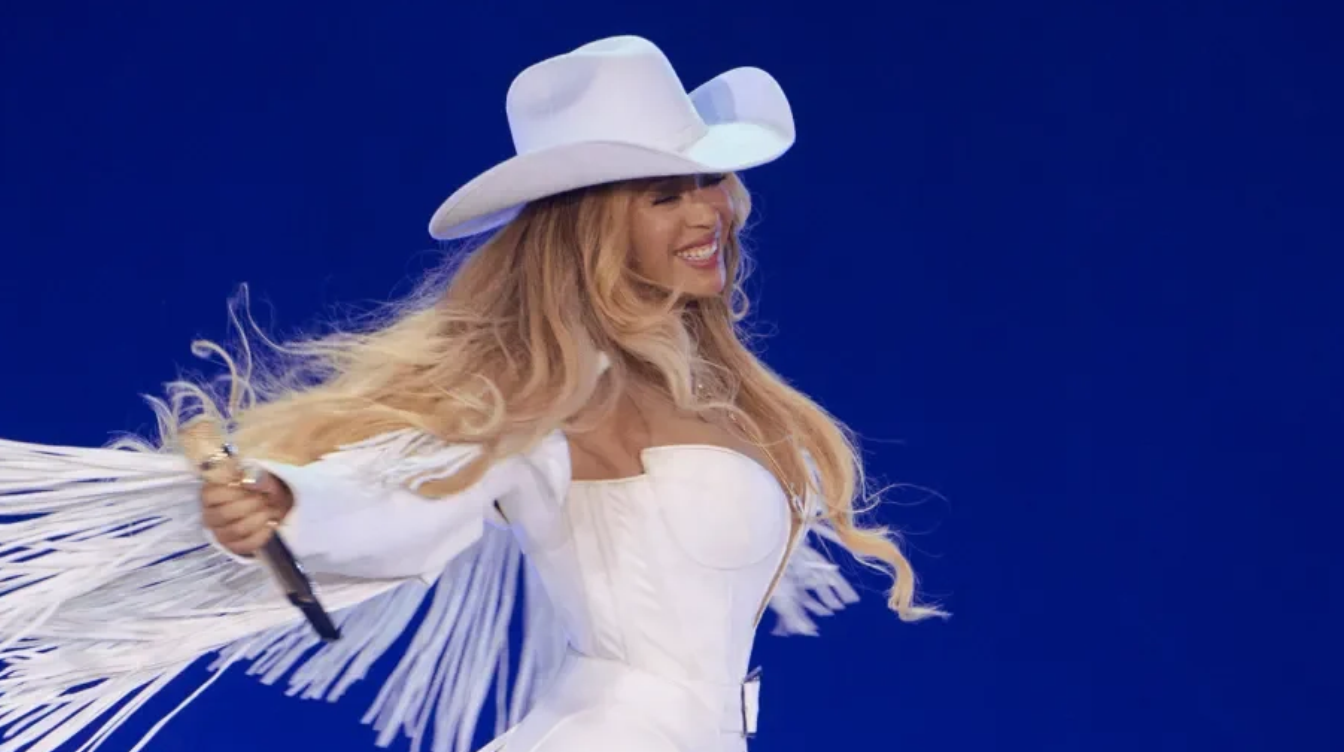
- The Cowboy Carter Tour (2025): Building on the cultural impact of her genre-bending Americana and country explorations, this tour grossed an additional $407.6 million, cementing her unrivaled dominance in the live-performance sector.
Combined with the explosive first-year revenues of her haircare venture, Cécred, and her expanding portfolio of luxury assets, these twin touring juggernauts pushed her cumulative wealth over the $1 billion line by the close of 2025.
Supporting Context & Metrics: Breaking Down the Portfolio
To fully comprehend a net worth of $1 billion, one must deconstruct the disparate asset classes that form the portfolio. Celebrity wealth estimations—compiled by financial institutions, industry reporters, and publication tracking models—rely on conservative calculations of private equity, real estate holdings, and publicly reported box-office receipts.
| Category | Estimated Value | Core Asset Description |
|---|---|---|
| Estimated Net Worth | ~$1 billion | Consolidated conservative valuation (Dec 2025) |
| Renaissance World Tour Gross | $579.8 million | Total box-office revenue (2023 stadium run) |
| Cowboy Carter Tour Gross | $407.6 million | Total box-office revenue (2025 stadium run) |
| Music Catalog Value | ~$300 million | Retained master recordings & publishing equity via Parkwood |
| Cécred First-Year Revenue | ~$100 million | Estimated initial market capture in the global beauty sector |
| Shared Real Estate Holdings | ~$500 million | Prime residential portfolio with Jay-Z (including the Malibu estate) |
Analyzing the Revenue Streams
-
Touring Infrastructure:
It is a common misconception that a tour gross translates dollar-for-dollar into personal income. Box-office grosses represent total ticket sales before the deduction of production costs, venue rentals, union labor, transportation, and promoter splits. However, because Beyoncé operates through self-promoted or highly leveraged touring models via Parkwood, her net take-home percentage from these multi-hundred-million-dollar grosses is significantly higher than that of artists bound by traditional 360-deal agency terms. -
Catalog Valuation:
While many legacy artists have rushed to cash out by selling their publishing and master rights to private equity firms and music funds for lump sums ranging from $100 million to $500 million, Beyoncé has retained her catalog. Valued conservatively at approximately $300 million, these master recordings continue to generate compounding passive income through global streaming royalties, synchronization licensing in film and television, and physical merchandise sales. -
Consumer Brands and Ventures:
Beyoncé’s diversification into consumer goods represents her evolution from an artist-for-hire to a lifestyle architect. Cécred, her high-performance haircare line, capitalized on her cultural influence and a deeply underserved market, capturing an estimated $100 million in its initial trading year. This venture, alongside the ongoing expansion of her American whiskey brand, SirDavis, proves her capacity to build standalone, venture-backed consumer brands. -
Real Estate Portfolio:
Real estate serves as a stable anchor for the family’s balance sheet. Alongside Jay-Z, Beyoncé commands a residential portfolio valued at roughly $500 million. This includes architectural masterpieces such as their sprawling, record-breaking $200 million Malibu estate purchased in 2023—the most expensive home ever sold in California at the time. While these properties represent illiquid capital, they contribute substantially to the family’s total net asset floor.
Comparative Analysis: The Music Industry’s Ten-Figure Club
Beyoncé enters the billionaire class alongside a select group of musicians and performers who have achieved similar financial heights through varied business philosophies.

| Musician | Estimated Net Worth | Primary Wealth Drivers | Business Strategy |
|---|---|---|---|
| Jay-Z | $2.5 – $2.8 billion | Armand de Brignac, D’Usse, Roc Nation, tech/startup equity | Venture capitalism and luxury brand conglomerates |
| Taylor Swift | ~$2 billion | Eras Tour, re-recorded music catalog, touring merchandise | Direct-to-fan engagement and monumental live event scaling |
| Rihanna | ~$1.4 billion | Fenty Beauty, Savage X Fenty, LVMH partnership | Direct-to-consumer cosmetics and luxury retail equity |
| Beyoncé | ~$1 billion | Touring dominance, Parkwood Entertainment, Cécred, master ownership | Vertical integration, self-management, and creative independence |
Strategic Differences
When juxtaposed with her peers, Beyoncé’s path shares structural similarities with Taylor Swift, whose historic Eras Tour similarly propelled her into billionaire status through live-entertainment supremacy. However, whereas Rihanna achieved her fortune primarily by partnering with luxury conglomerate LVMH to build standalone consumer brands, Beyoncé’s wealth is anchored heavily in the traditional entertainment arts—touring, master ownership, and production—augmented by newly scaled direct-to-consumer ventures like Cécred.
Furthermore, within the Knowles-Carter household, wealth is distinct. Jay-Z’s portfolio, valued between $2.5 billion and $2.8 billion, is driven largely by diverse venture capital holdings, luxury spirits, and corporate investments. Combined, the household commands an estimated net worth between $3.5 billion and $3.8 billion, establishing them as one of the most economically powerful dynastic couples in modern cultural history.
What the $1 Billion Figure Does Not Include
Financial journalism often conflates net worth with liquid cash, leading to persistent public misconceptions. It is imperative to clarify what a $1 billion valuation actually entails:
- Illiquid Assets: The vast majority of Beyoncé’s fortune is tied up in private equity (Parkwood Entertainment), real estate portfolios, and master sound recordings. She does not possess a checking account with a billion-dollar cash balance.
- Operating Overhead: Gross revenues from tours or brand launches do not represent net personal earnings. Production logistics for a global stadium tour cost tens of millions of dollars per leg, involving hundreds of employees, specialized stage designs, and complex international logistics.
- Separate Entities: As noted, despite their marriage, Beyoncé’s financial assets are calculated independently from Jay-Z’s business ventures. While their real estate holdings overlap, their respective corporate empires remain legally and structurally distinct.
Future Outlook: The Next Phase of the Empire
As Beyoncé looks beyond the milestone of her 2025 billionaire confirmation, the foundational blueprint of her business model remains unchanged: maximum autonomy, minimized outside interference, and an insistence on owning the means of creative and commercial production.
Industry analysts predict continued financial expansion across several fronts:
- Brand Scaling: The continued international rollout and product-line expansion of Cécred and SirDavis will likely transition from high-growth start-ups into mature consumer staples, mirroring the trajectory of other celebrity-backed enterprise brands.
- Catalog Compounding: As digital streaming platforms evolve and new sync opportunities emerge globally, the long-term yield of her retained master catalog will continue to appreciate organically.
- Live Entertainment Innovations: Whether through future stadium configurations, residency models, or digital-physical hybrid performance spaces, her dominance of the live-entertainment sector remains unmatched.
By refusing to sell her catalog, by building a self-sustaining corporate engine in Parkwood Entertainment, and by converting cultural capital into tangible equity, Beyoncé has rewritten the financial playbook for modern artists. Her ascent to billionaire status is not merely a personal triumph; it is a masterclass in modern economic sovereignty.