Executive Overview: A High-Stakes Pause for a Progressive Rock Powerhouse
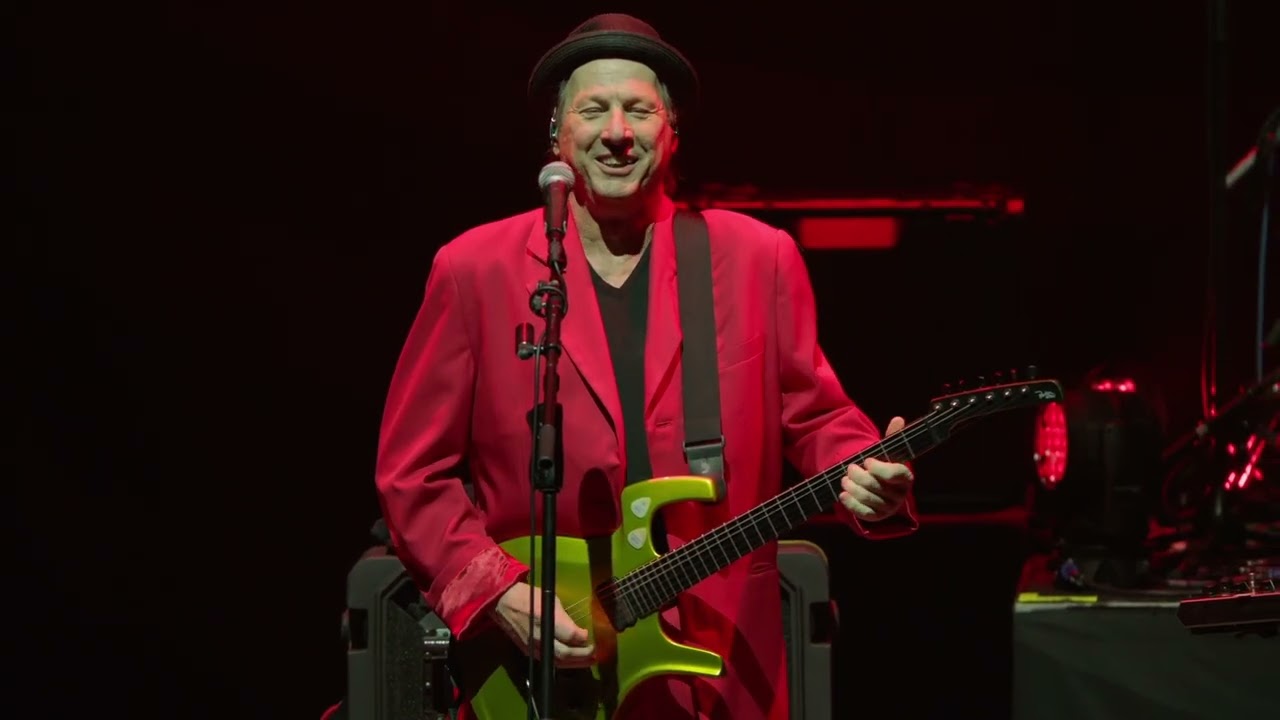
The ambitious musical initiative known as Beat—the supergroup formed to celebrate and reimagine King Crimson’s groundbreaking 1980s repertoire—has reached a defining historical juncture. Led by legendary vocalist and guitarist Adrian Belew alongside virtuosic bassist/Chapman Stick innovator Tony Levin, the project brought together guitar titan Steve Vai and rhythmic powerhouses Danny Carey (Tool) and subsequently drum icon Terry Bozzio (Frank Zappa, U.K.). Together, they undertook the formidable task of performing the complex, polyrhythmic compositions of King Crimson’s celebrated 1980s era live on stage.
Following an extended period of globe-spanning performances, Adrian Belew has formally clarified the timeline regarding Beat’s long-term future. Speaking in an in-depth interview with Ultimate Classic Rock, Belew revealed that the supergroup will enter a period of mandatory evaluation once current tour commitments wrap up. The central question looming over the ensemble is whether Beat will remain a triumphant, finite live celebration of King Crimson’s iconic trilogy—Discipline (1981), Beat (1982), and Three of a Perfect Pair (1984)—or evolve into a full-fledged creative entity capable of writing and recording original studio music.
However, logistical constraints, individual solo obligations, and intense touring schedules for high-profile members like Steve Vai and Tony Levin mean that any prospective decision regarding new studio material or extended concert cycles will remain strictly on hold until at least late 2026 or early 2027.
Detailed Chronology: From 1981 Avant-Garde to the 2020s Supergroup Renaissance
To understand the weight of Beat’s current crossroads, one must trace the historical trajectory of King Crimson’s 1980s reinvention and the modern formation of this homage supergroup.
+-----------------------------------------------------------------------------------+
| CHRONOLOGY OF THE 1980s KING CRIMSON LEGACY & THE BEAT PROJECT                   |
+-----------------------------------------------------------------------------------+
| 1981        | Robert Fripp reformulates King Crimson with Adrian Belew,           |
|             | Tony Levin, and Bill Bruford; releases "Discipline".                |
| 1982–1984   | Release of landmark albums "Beat" (1982) and "Three of a            |
|             | Perfect Pair" (1984), defining a revolutionary polyrhythmic sound.  |
| 2024        | Adrian Belew secures Robert Fripp's endorsement; forms BEAT with    |
|             | Tony Levin, Steve Vai, and Danny Carey. Global touring commences.   |
| 2025–2026   | Drumming icon Terry Bozzio joins live iterations; extensive         |
|             | global performances continue through late 2026.                     |
| Future      | Decision point reached on whether to record original material or    |
| (Post-2026) | conclude the project based on member availability and consensus.    |
+-----------------------------------------------------------------------------------+
The Golden Age of Interlocking Guitars (1981–1984)
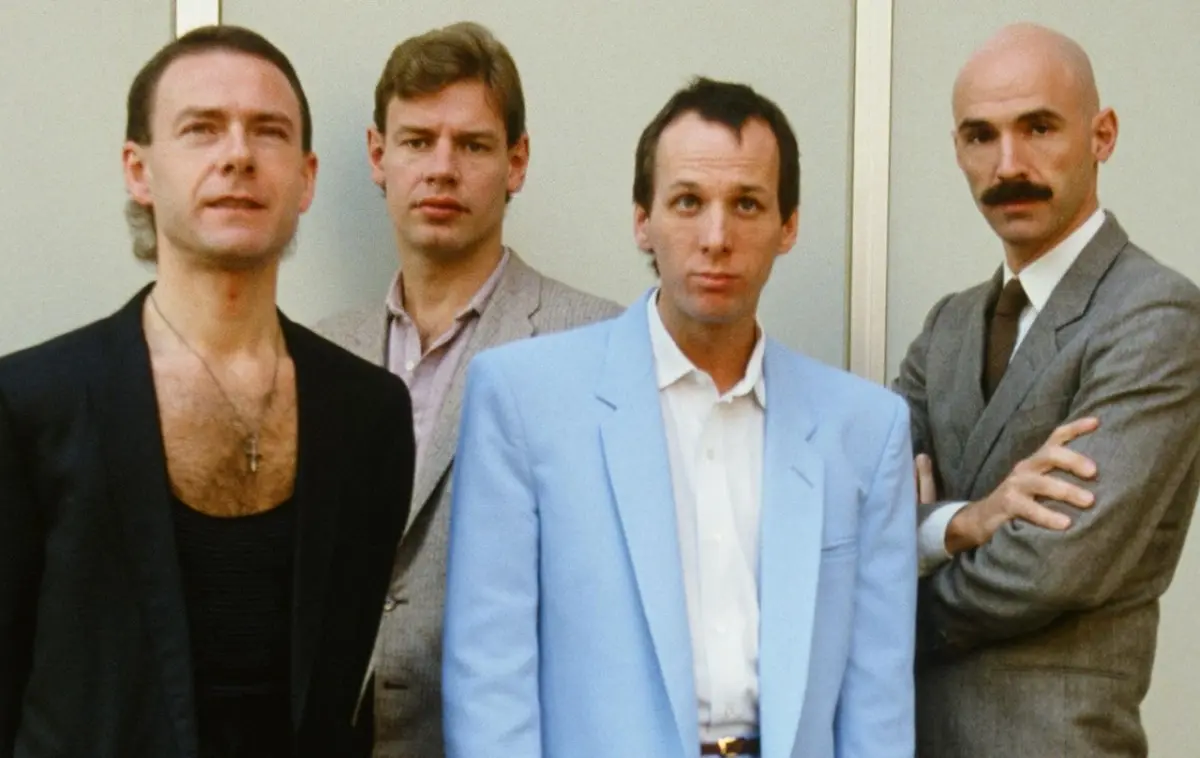
In 1981, King Crimson founder and guitarist Robert Fripp reformed the band following a seven-year hiatus, breaking entirely from the melancholic, heavy-progressive sound of their 1970s work (In the Court of the Crimson King, Red). Fripp recruited former Frank Zappa and David Bowie guitarist Adrian Belew, bass virtuoso Tony Levin, and former Yes/Genesis drummer Bill Bruford.
This quartet created an entirely new sonic blueprint for modern rock:
- Indonesian Gamelan Influence: Fripp and Belew played clean, rapid, interlocking guitar lines in contrasting time signatures (such as 5/7 against 4/4).
- Technological Innovation: Levin introduced the Chapman Stick, expanding the low-end and harmonic potential, while Bruford utilized cutting-edge electronic Simmons drum kits.
- New Wave & Pop Sensibilities: Belew brought infectious melodies, avant-garde vocal deliveries, and theatrical guitar synth textures (Elephant Talk, Frame by Frame, Three of a Perfect Pair).
This line-up released three albums in rapid succession—Discipline (1981), Beat (1982), and Three of a Perfect Pair (1984)—before Fripp once again dissolved the group.
The Inception and Launch of Beat (2024–2026)
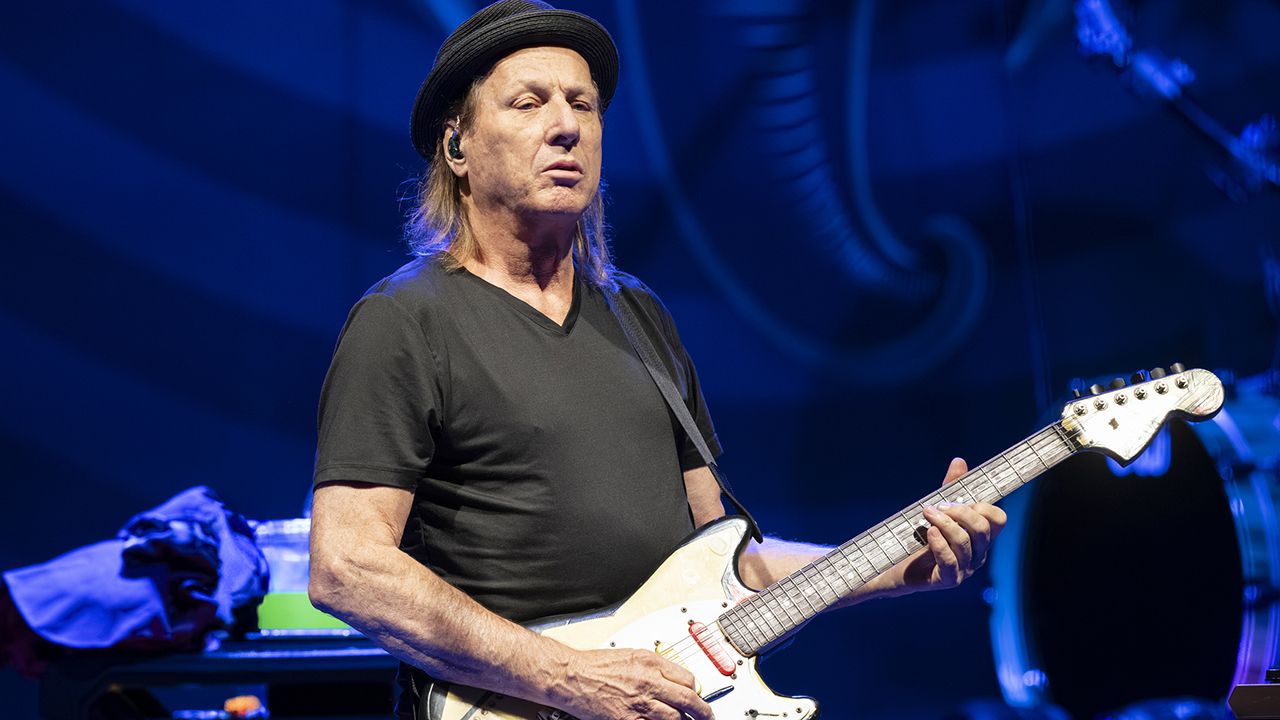
Decades after the 1980s era concluded, Belew sought to bring this technically demanding music back to live audiences. Recognizing that a traditional King Crimson reunion was inactive, Belew personally contacted Robert Fripp to propose a dedicated touring band focused exclusively on the 1980s trilogy. Fripp not only granted his full endorsement but suggested the name Beat for the project.
To tackle Fripp’s famously intricate "Frippertronics" and fast-picking arpeggios, Belew recruited Steve Vai—one of the few guitarists in modern rock possessing the technical precision and musical vocabulary required. Tony Levin returned to anchor the low end on bass and Chapman Stick, while Tool’s polyrhythmic master Danny Carey took over the drum throne. Subsequent legs of the tour featured drum legend Terry Bozzio, adding another layer of virtuosic heritage to the stage performance.
Supporting Context & Musical Metrics: Unpacking the 1980s Trilogy
The music Beat performs represents some of the most complex compositions in popular music history. Re-creating these works live requires extraordinary precision, mathematical counting, and instrumental mastery.
Key Album Profiles & Musical Breakdown
| Album Title | Release Year | Peak Innovations & Signature Tracks | Rhythmic & Technical Complexity |
|---|---|---|---|
| Discipline | 1981 | Frame by Frame, Elephant Talk, Indiscipline, Matte Kudasai | Dual interlocking guitars; 13/8 and 15/8 time signatures; early use of Chapman Stick and electronic percussion. |
| Beat | 1982 | Heartbeat, Waiting Man, Neal and Jack and Me, Requiem | Inspired by Beat Generation literature (Jack Kerouac); dual-drumming polyrhythms; complex guitar loops. |
| Three of a Perfect Pair | 1984 | Three of a Perfect Pair, Sleepless, Larks’ Tongues in Aspic (Part III) | Divided into "Left Side" (accessible pop/rock) and "Right Side" (raw avant-garde improvisation). |
Technical Demands on the Beat Supergroup
- Steve Vai’s Role: Taking on Robert Fripp’s original guitar lines required Vai to completely re-engineer his playing style, shifting from blues-based shredding and legato fluid runs to rigid, metronomic, alternate-picked rhythmic cycles.
- Tony Levin’s Dual Performance: Levin continues to utilize both standard bass guitars and the 12-string Chapman Stick, performing basslines and chordal accompaniment simultaneously.
- The Drum Stool Dynamics: Replacing Bill Bruford’s signature acoustic-electronic hybrid style required drummers like Danny Carey and Terry Bozzio to blend heavy rock propulsion with jazz-fusion sensibility and odd-meter polyrhythms.
                       [ BEAT LIVE ENSEMBLE ]
                                 |
         +-----------------------+-----------------------+
         |                                               |
  [ ADRIAN BELEW ]                                 [ STEVE VAI ]
  Lead Vocals, Rhythm Guitar,                    Lead Guitar, Frippertronics,
  Guitar Synthesizers                            Metronomic Systems
         |                                               |
         +-----------------------+-----------------------+
                                 |
         +-----------------------+-----------------------+
         |                                               |
   [ TONY LEVIN ]                               [ TERRY BOZZIO / DANNY CAREY ]
   Bass, Chapman Stick,                         Polyrhythmic Drums,
   Backing Vocals                               Percussion Engineering
Official Statements: Adrian Belew on Schedules, Original Material, and Artistic Freedom
In his comprehensive discussion with Ultimate Classic Rock, Adrian Belew laid out the operational realities of the band, addressing both their accomplishments and the severe scheduling bottlenecks that prevent immediate decisions regarding new music.
On Achieving Their Primary Mission
Belew confirmed that the core goal of the project has already been successfully met:
"Our original intent was to tour King Crimson’s ’80s music wherever we could, and that’s more or less been achieved. We wanted to make sure this incredible music was heard live again at the highest possible level of execution."
On the Prospect of Writing Original Music
When asked directly whether Beat could transition from a legacy performance group into a studio band creating new material, Belew emphasized that no decision can be made until the current commitments conclude:
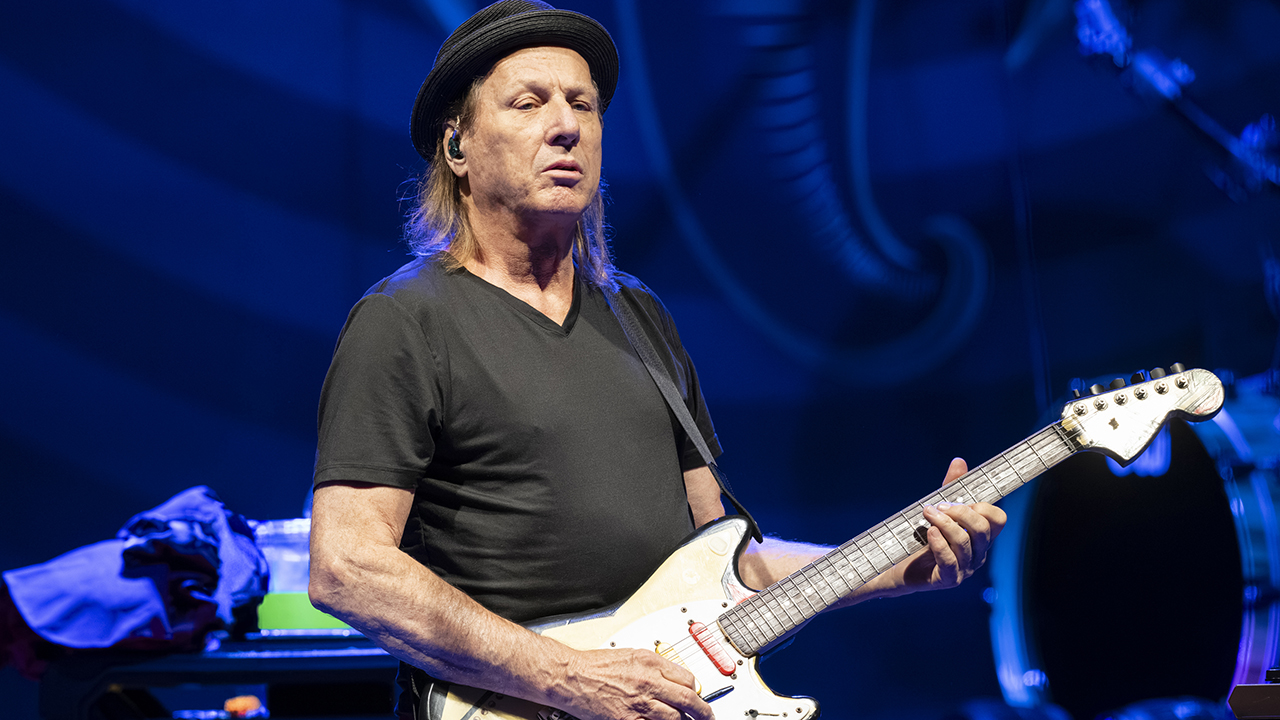
"We can’t say because we’ll only know that after the end of next year. We can’t do anything for the next year at least. And then you have to start wondering, ‘Well, what will we do if we come back to it? Are we all just going to continue to want to play King Crimson music?’"
On Logistical Conflicts and Member Availability
Belew highlighted that the primary obstacle to writing and recording new music is not creative friction, but the dense schedules of the band’s high-profile members:
"Yeah, that’s absolutely the biggest factor. We can only get together for certain periods of time and immediately we say, ‘Okay, book a tour for that period.’ And that’s why we haven’t even tried to start making any new music.
"Next year is taken up with obligations—especially Steve Vai, I think, and maybe Tony a bit. I’ve left my schedule open only because I want to decide when I’m ready. I’m not ready to decide: am I going to tour some more? Am I going to record? Am I going to lay around the house and read books? I’ll figure it out though by January."
Belew stressed that personal relationships within the band remain exceptionally strong:
"I think everyone loves the band, so that’s not a problem. But you’ll just have to see, you know: what does everyone want to do at that point? Everybody will be coming from their place."
Future Outlook: Legacy Preservation vs. Creative Reinvention
As Beat approaches the conclusion of its extensive tour cycle in late 2026, the ensemble faces two distinct potential pathways for 2027 and beyond.
                         [ THE BEAT FORK IN THE ROAD ]
                                       |
                 +---------------------+---------------------+
                 |                                           |
         Option A: Legacy Tour Mode                  Option B: Studio Evolution
  - Periodic anniversary tours                - Compose and record new studio LP
  - Focus exclusively on '80s Crimson catalog  - Merge Fripp/Belew tradition with Vai's style
  - Rotational scheduling around main bands   - Establish independent band identity
Path 1: The Permanent Legacy Tour Model
If the members decide against entering the studio, Beat can remain a premier, periodic touring entity. Given the vast global audience that missed King Crimson’s 1980s tours, the demand for live performances of Discipline, Beat, and Three of a Perfect Pair remains remarkably high. This model allows Vai, Levin, Belew, and Carey/Bozzio to reconvene every few years without the creative pressure and financial overhead of launching a new recording cycle.
Path 2: Morphing into an Original Supergroup
Should the quartet choose to write original music, the results could represent a historic chapter in progressive rock. A studio album combining Belew’s avant-pop songcraft, Steve Vai’s boundary-pushing guitar wizardry, Tony Levin’s resonant Chapman Stick foundations, and top-tier drum performances would represent a bold new synthesis—bridging the classic King Crimson ethos with contemporary virtuosic rock.
The Immediate Horizon
For now, fans must wait until the band members clear their 2025 and 2026 obligations. With Steve Vai preparing for extensive solo commitments and Tony Levin maintaining a busy schedule alongside ongoing projects, Beat is set to remain on a planned operational hiatus following their final scheduled tour dates.
As Adrian Belew noted, the ultimate fate of Beat will become clear in early 2027, when four of progressive rock’s most distinguished musicians gather to answer one question: whether to leave their celebration of King Crimson as a perfect live monument, or to forge a brand-new creative future together.