Executive Overview
Thirty
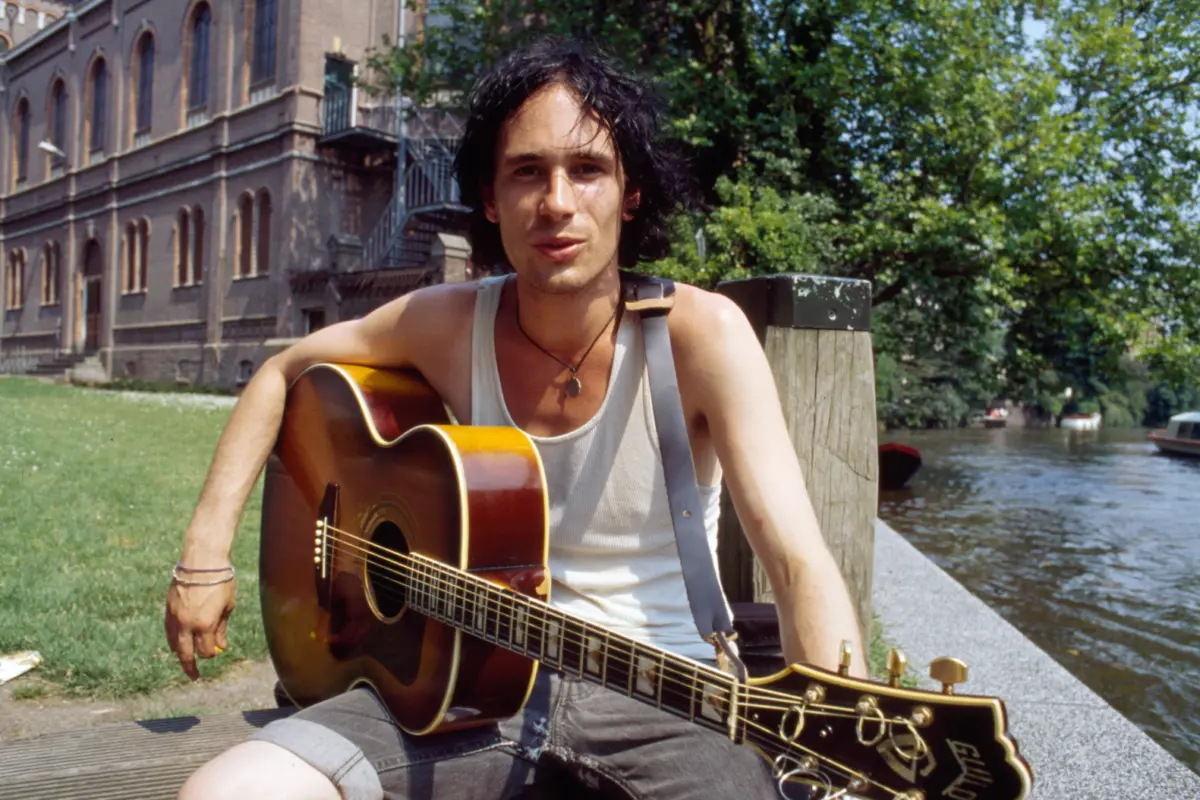
years after his tragic and untimely death, the artistic footprint of Jeff Buckley remains as luminous, haunting, and singular as the historic meteor shower that heralded his birth on November 17, 1966, in Orange County, California. Though his formal studio discography comprises precisely one commercial album during his lifetime—1994’s Grace—Buckley’s musical legacy expands far beyond those ten foundational tracks. Through an uncompromising dedication to emotional truth, a multi-octave vocal instrument, and a rare interpretive brilliance, Buckley transformed the landscape of alternative rock and contemporary singer-songwriter traditions.
This retrospective examines the breadth of Buckley’s sonic ecosystem, pulling together 15 essential releases, live performances, and unreleased recordings curated by Rough Trade’s Cammy Todd. From towering album openers to vulnerable private demos, Buckley’s work continues to speak to a universal heartache. His sonic architecture was built upon a diverse foundation of influences—ranging from Nina Simone and Patti Smith to Bob Dylan, Led Zeppelin, Joni Mitchell, and the Qawwali master Nusrat Fateh Ali Khan. This analysis explores how these foundational elements shaped an artist whose music, in his own words, was designed to "be free, be penetrating, and carry you."
Detailed Chronology: The 15 Essential Releases & Performances
1. Hallelujah (from Grace, 1994)
As the ultimate entry point to Buckley’s catalog, this breathtaking reinvention of Leonard Cohen’s solemn composition redefined what a cover song could achieve. Driven by swelling guitars and an iconic vibrato-laden falsetto, Buckley did not merely interpret the track; he fundamentally altered its cultural resonance, making it the definitive version for generations of listeners.
2. Mojo Pin (from Grace, 1994)
One of the most arresting album openers in modern rock history, Mojo Pin originated as an instrumental titled And You Will, composed by guitarist Gary Lucas after he and Buckley met at a tribute concert for Buckley’s father, Tim Buckley. Channeling a dream about heroin addiction, Buckley layered the track with massive, jagged guitars and poetic disorientation, establishing an instant standard for atmospheric alternative rock.
3. Grace (from Grace, 1994)
Co-written with Gary Lucas and inspired by a rainy farewell with his then-girlfriend Rebecca Moore, the title track of Grace is a masterclass in emotional melodrama. The song weaves complex lyrical layers from start to its ululating finish, capturing Buckley’s philosophy that grace acts as a vital anchor against human destructiveness and despair.
4. So Real (from Grace, 1994)
Recorded in a single, spontaneous take after replacing the discarded track Forget Her, So Real marries hazy, avant-garde textures with the raw intensity of alternative rock. Built on clash-and-resolution chords and an electric piano line, it explores the fragile boundary between love and paranoia, highlighted by the fragile, whispered "I love you" that follows a wall of crashing distortion.
5. All Flowers in Time Bend Towards The Sun (Unreleased Demo, 1994–1995)
This unreleased collaboration with Elizabeth Fraser of Cocteau Twins captures a deeply intimate, unpolished moment from their romantic relationship. Stripped of the dense layering typical of Cocteau Twins’ recordings, Fraser and Buckley’s vocal interplay achieves a frisson-inducing clarity that remains one of the most devastatingly beautiful unreleased tracks in modern music history.
6. Dido’s Lament (Live at Meltdown Festival)
Lacking formal classical training, Buckley stunned audiences at Elvis Costello’s Meltdown Festival by tackling Dido’s Lament, a famously challenging aria historically reserved for female sopranos. The performance showcased a vocal breadth and depth so astonishing that fellow performer Costello reportedly remarked that none of the subsequent acts wanted to follow him.
7. Lover, You Should’ve Come Over (from Grace, 1994)
Widely regarded as Buckley’s undisputed masterpiece, this six-and-a-half-minute epic builds from intimate acoustic strumming into a gut-wrenching lament for a lost love. Featuring unforgettable lines like "She’s the tear that hangs inside my soul forever," the track remains a monument of devastating songwriting.
8. I Know It’s Over (from You and I, 2016)
A poignant intersection of two generational melancholies, Buckley’s cover of The Smiths’ classic amplifies the agonizing vulnerability of unrequited or unrealized romance. It stands as a timeless anthem for the romantically dispossessed.
9. Eternal Life (from Grace, 1994)
Serving as an outlet for his political frustrations and anger toward systemic injustice and historical corruption, Eternal Life injects a gritty, Led Zeppelin-inspired heaviness into the Grace tracklist, proving Buckley’s prowess as a ferocious rock stylist.
10. Lilac Wine (from Grace, 1994)
Originally written by James Shelton and popularized by Nina Simone, Buckley’s rendition of Lilac Wine utilizes hushed, breathy vocals that sound perpetually on the verge of tears, imbuing the composition with a profound, crushing melancholy.
11. Everybody Here Wants You (from Sketches For My Sweetheart The Drunk, 1998)
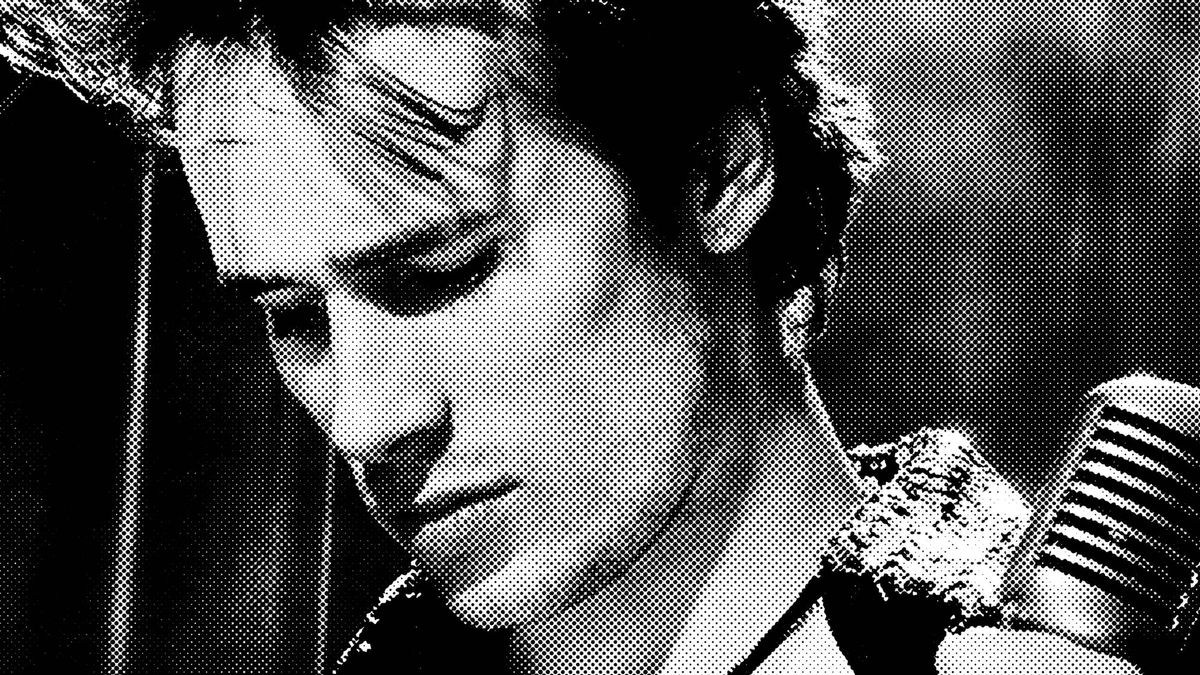
Recorded during sessions for his intended sophomore album, this track introduces a hypnotic, soulful R&B groove and a minimalist bassline. It offers a tantalizing glimpse into the soul-influenced direction Buckley was exploring prior to his passing.
12. Strange Fruit (from Live at Sin-é, 1993)
Demonstrating his commitment to using his platform to protest violence and historical atrocities, Buckley delivered a searing, seven-minute interpretation of Abel Meeropol’s anti-lynching anthem, famously recorded by Billie Holiday. The track opens with an electrifying blues solo that sets a haunting stage.
13. Dream Brother (from Grace, 1994)
Written to urge his friend Chris Dowd not to abandon his pregnant partner, Dream Brother functioned as both a cautionary tale and a personal exorcism of the childhood trauma stemming from his own father, Tim Buckley, leaving before his birth.
14. Morning Theft (from Sketches for My Sweetheart the Drunk, 1998)
A hauntingly poignant composition from the Sketches sessions, this track is widely understood to chronicle the emotional fallout of his intense, short-lived relationship with Elizabeth Fraser.
15. Last Goodbye (from Grace, 1994)
Positioned as one of the most direct and accessible tracks on Grace, Last Goodbye balances mainstream melodic appeal with uncompromised lyrical complexity, cementing its status as an enduring alternative rock classic.
Supporting Context & Metrics
To contextualize Jeff Buckley’s enduring influence, musicologists and industry analysts frequently examine the metrics of his cultural imprint:
- The One-Album Wonder Phenomenon: Grace remains one of the rare debut albums to be universally cited by critics as a "perfect" record, landing consistently on Rolling Stone’s 500 Greatest Albums of All Time lists.
- Streaming Longevity: Decades after its release, Buckley’s version of Hallelujah has surpassed hundreds of millions of streams globally, serving as a primary gateway for younger generations discovering analog-era folk-rock and alternative styles.
- Archival Depth: Despite releasing only one studio LP during his 30 years of life, Buckley’s estate has curated a rich posthumous catalog—including Sketches for My Sweetheart the Drunk (1998), Live at Sin-é (1993/2003), So Real: Songs from Jeff Buckley (2007), and You and I (2016)—proving the vast scope of his recorded output.
Official Statements and Archival Quotes
Buckley’s artistic philosophy was deeply rooted in an absolute surrender to the emotional and spiritual potency of sound. Reflecting on his medium, Buckley famously observed:
"Music is my mother and my father; it is my work and my rest… my blood… my compass… my love… Music should be free, should be penetrating, should carry you."
In correspondence with Luisa Cotardo, archived via The Marginalian, Buckley offered a guiding principle that encapsulates his worldview:
"I have no advice for anybody; except to, you know, be awake enough to see where you are at any given time, and how that is beautiful, and has poetry inside. Even places you hate."
Discussing the profound emotional weight of his catalog, fellow artists and critics have consistently noted his peerless ability to inhabit a lyric. Following Buckley’s historic interpretation of Dido’s Lament, Elvis Costello captured the intimidating brilliance of his delivery, noting the collective reluctance of his peers to perform immediately afterward.
Future Outlook
As the music industry continues to evolve in an era of hyper-fast digital consumption and automated production, the legacy of Jeff Buckley stands as an enduring monument to human vulnerability and artistic integrity. Because he left behind a relatively concise body of work, every unearthed demo, live bootleg, and studio outtake functions as a vital archaeological discovery for contemporary listeners.
Future generations will undoubtedly continue to dissect the unfulfilled potential of Sketches for My Sweetheart the Drunk and wonder where Buckley’s eclectic fusion of soul, rock, jazz, and Qawwali-inspired vocal acrobatics might have taken him. Ultimately, Buckley’s discography is defined not by its brevity, but by its intensity—a timeless reminder of an artist who burned brightly, lived fiercely, and left behind poetry in every note.