Executive Overview
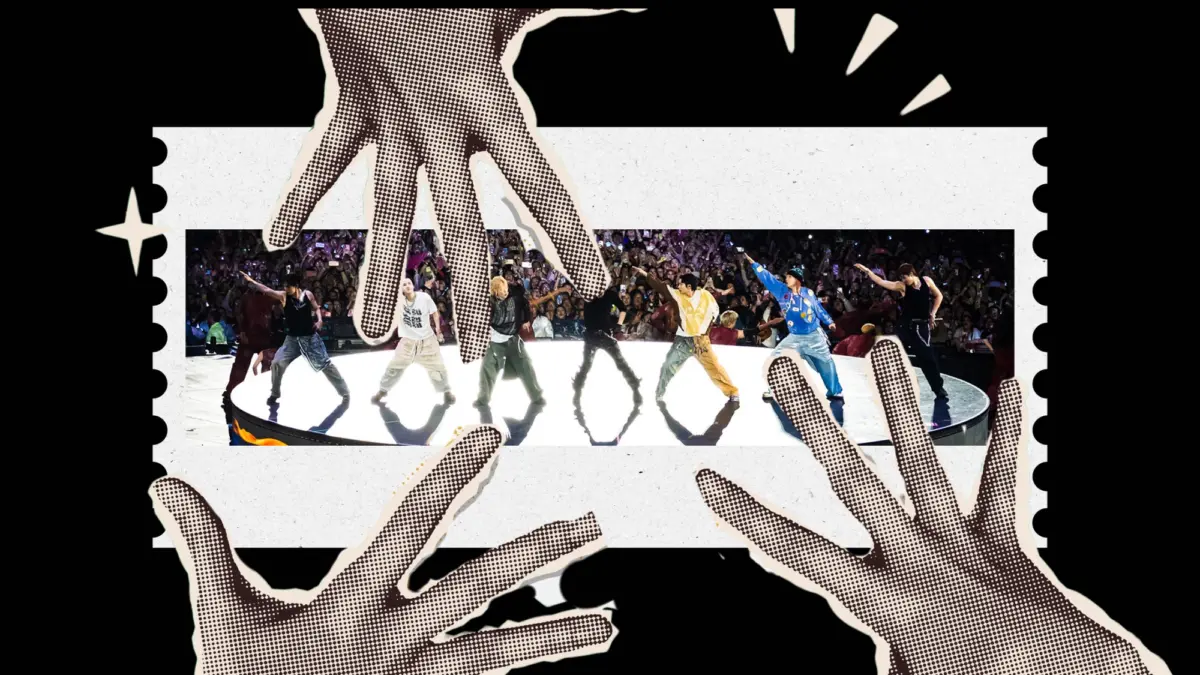
The live entertainment industry is facing an unprecedented crisis of accessibility, driven by aggressive secondary ticketing markets and sophisticated technological exploitation. As K-pop global icons BTS prepare for a high-profile three-show residency in Brazil, the nation’s primary consumer protection agency, Senacon, has intervened decisively. Citing a blatant disregard for newly minted anti-touting regulations that went into effect at the start of September, Senacon has ordered major secondary platforms—including StubHub, Viagogo, TicketSwap, BuyTicket, and FunBuyNet—to immediately suspend the facilitation of any new ticket resales.
This dramatic move highlights the growing friction between regulatory bodies and online resale marketplaces. Brazil’s new framework, popularly dubbed the "Taylor Swift Law" due to the public outcry that followed the chaotic ticket sales for the pop star’s "Eras Tour," establishes strict transparency and reporting guidelines for secondary ticket vendors. By targeting high-demand events like the BTS concerts, Senacon aims to prevent irreversible collective harm to consumers.
However, Brazil is far from an isolated battleground. Across the globe, artists, promoters, and ticketing agencies are sounding the alarm over the weaponization of automated software—commonly known as "bots." From Sam Fender’s sudden pre-sale suspension at St James’ Park to Garth Brooks canceling a Kansas City extension and Raye battling hundreds of thousands of fraudulent registrations at London’s Royal Albert Hall, the live music ecosystem is under siege. As touts harness increasingly sophisticated AI-powered tools to bypass security protocols, regulators and industry stakeholders find themselves in a high-stakes arms race to preserve fair access for genuine fans.
Detailed Chronology: Brazil’s Regulatory Clash and the BTS Interventions
The roots of Brazil’s aggressive stance against unregulated ticket touting trace back to the South American leg of Taylor Swift’s record-shattering "Eras Tour." During the initial ticketing phases, widespread consumer anger boiled over as digital queues were flooded, primary sites crashed, and tickets instantly reappeared on secondary marketplaces at exorbitant markups. The resulting political and public pressure catalyzed rapid legislative action, culminating in a comprehensive consumer protection framework designed to rein in ticket scalping.
The new legislation introduced mandatory transparency requirements. Most notably, ticket touts and the secondary platforms hosting them are now legally required to disclose the exact, total price of each ticket upfront. Furthermore, these platforms must explicitly inform consumers that they are purchasing from a resale marketplace rather than an official, primary vendor—a safeguard meant to eliminate deceptive interface designs that trick consumers into overpaying.
Despite the laws taking effect at the beginning of September, compliance among major resale platforms has been sluggish or nonexistent. This non-compliance came to a head as tickets for BTS’s eagerly anticipated Brazilian shows went on sale. Recognizing the immense popularity of the group—classified by regulators as "events with extremely high demand"—Senacon determined that waiting for voluntary compliance was no longer an option.
In a formal administrative notice issued yesterday, Senacon outlined multiple breaches by the targeted platforms. Beyond failing to display transparent pricing models, StubHub, Viagogo, TicketSwap, BuyTicket, and FunBuyNet were found to be in direct violation of provisions requiring an accessible electronic channel for consumers to report irregular or abusive listings. Crucially, these platforms failed to establish internal mechanisms to ensure that such reports are investigated and resolved promptly.
Acting as a precautionary measure to avert what it described as "collective harm that would be difficult to remedy," Senacon ordered the platforms to halt the facilitation of all new ticket resales for events held within Brazilian national territory. The suspension will remain indefinite until each company submits comprehensive technical documentation proving full compliance with the nation’s consumer protection laws.
Supporting Context & Metrics: The Global Scale of Bot Exploitation
While Brazil addresses secondary market transparency, the primary ticketing landscape is simultaneously grappling with a far more insidious threat: automated bot attacks. Touts are no longer merely buying tickets manually; they deploy specialized software and complex botnets capable of sweeping up thousands of tickets within milliseconds of a sale going live. These programs routinely bypass purchase limits implemented by promoters, starving genuine fans of access to primary face-value inventory.
Recent high-profile incidents underscore just how disruptive these automated attacks have become:
- Sam Fender (Newcastle, UK): The British rock artist was forced to reschedule the pre-sale for his summer 2027 shows at St James’ Park. Primary ticketing partner Gigantic (operated by DEAG) detected an unprecedented surge of malicious activity, forcing a last-minute postponement to protect the ticketing queue.
- Garth Brooks (Kansas City, USA): The country music legend attempted to accommodate overwhelming demand by adding a Saturday matinee show via AEG’s AXS platform. However, the system was instantly inundated by an overwhelming wave of automated traffic, resulting in 90,000 users in the queue—the vast majority of whom were confirmed to be bots. The overwhelming activity forced AXS to completely shut down the on-sale.
- Raye (London, UK): During preparations for her upcoming concert at the prestigious Royal Albert Hall, Raye’s team uncovered "hundreds of thousands of fake registrations" submitted by automated systems attempting to game the pre-sale ecosystem. The discovery forced her management team to institute manual reviews of every single application to verify human identity.
These events highlight a systemic vulnerability in modern digital infrastructure. As AI-powered tools evolve, they grant touts the ability to mimic human browsing behavior, easily slipping past traditional CAPTCHA challenges and queuing systems.
Official Statements and Industry Reactions
The crisis has driven artists and ticketing executives to speak out with unprecedented candor, demanding structural reforms and stronger legal deterrents.
In a social media statement addressing his fans regarding the St James’ Park pre-sale chaos, Sam Fender detailed the operational disruption:
"I’ve been told there’s been a sophisticated bot attack to the Gigantic ticket site which is impacting the St James’ Park pre-sale. We’re going to have to move the Newcastle pre-sale to 9.30 tomorrow to ensure real fans get the tickets."
Echoing the artist’s sentiments, ticketing platform Gigantic released an apology to disappointed consumers:
"We know how frustrating this morning was for many of you, and we’re sorry. Fans should be able to buy tickets fairly and that is what we’re working to make sure happens."
In North America, the reality of bot warfare forced stark admissions from promoters. Addressing the aborted Kansas City show expansion, a statement published on Garth Brooks’ official website explained:
"An attempt to get more tickets into fans’ hands went sideways when bots flooded the on-sale for a newly added Saturday matinee. The problem became significant enough that AXS shut down the on-sale."
Meanwhile, regulatory authorities are increasingly signaling that voluntary industry self-regulation has failed. Senacon’s decisive intervention in Brazil serves as a blueprint for how state power can be leveraged to discipline non-compliant digital platforms, prioritizing consumer protection over frictionless corporate expansion.
Future Outlook: Legislative Reforms and Technological Countermeasures
The intersection of high-demand live events, automated bots, and opaque secondary markets has created an unsustainable pressure cooker for the global entertainment industry. Stakeholders across the board agree that incremental fixes are no longer sufficient; a multi-layered defense strategy combining strict legislation and advanced cybersecurity is required.
In the United Kingdom and the United States, lawmakers are under intense pressure to follow Brazil’s lead. The UK government made headlines nearly a year ago with promises to introduce sweeping legislation to completely prohibit for-profit ticket touting. However, legislative bottlenecks have left the industry waiting for definitive action, forcing artists and independent promoters to rely on fragmented, ad-hoc countermeasures.
Primary ticketing platforms are heavily investing in next-generation identification technologies to combat AI-driven bots. Innovations such as dynamic, non-transferable mobile ticketing, biometric verification, and two-factor authentication tied to verified government IDs are becoming standard requirements for high-profile tours.
Nevertheless, as long as substantial profit margins exist on the secondary market, bad actors will continue to seek out vulnerabilities. Brazil’s aggressive regulatory crackdown on platforms like StubHub and Viagogo proves that governments possess the statutory tools to curb predatory resale practices—provided they are willing to enforce them swiftly and without hesitation. For the global music industry, the success or failure of Brazil’s "Taylor Swift Law" may well determine the future viability of fair, accessible live entertainment worldwide.