Executive Overview
In the heart of London’s Mayfair district, at 25 Brook Street, a quiet brick townhouse stands as a dual monument to two titans of Western music separated by more than two centuries, yet united by their genius. This year marks a remarkable milestone: the 25th anniversary of the opening of Handel House—now universally known as the Handel Hendrix House—to the general public. To commemorate a quarter-century of preserving, interpreting, and performing the legacies of Baroque master George Frideric Handel and rock guitar revolutionary Jimi Hendrix, the institution has launched a vibrant, multi-faceted anniversary season.
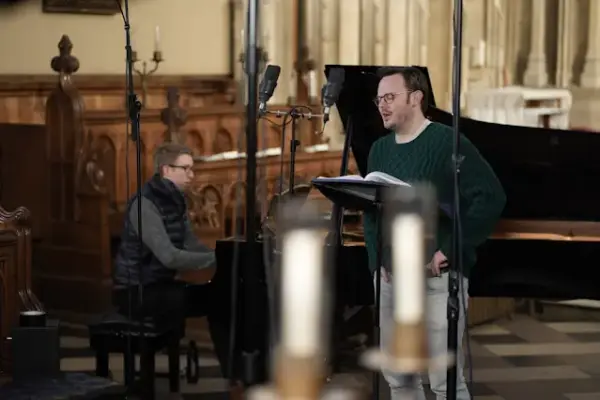
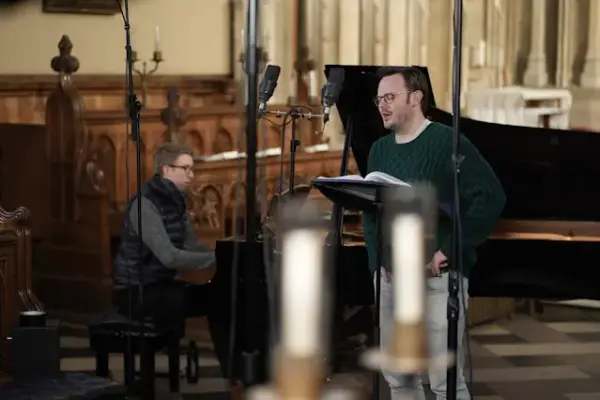
At the center of these celebrations is a marquee gala concert scheduled for November 10 at St George’s Hanover Square, Handel’s own historic parish church. The evening brings together two of the United Kingdom’s premier period-instrument ensembles, The Brook Street Band and The London Handel Players, for a program deeply intertwined with Handel’s years in the British capital. Featuring works such as the Trio Sonata in B minor (HWV 386), the Sonata in A major (HWV 361), and the exquisite cantata Mi palpita il cor (HWV 132c) performed by acclaimed mezzo-soprano Helen Charlston, the concert promises to bridge the historical distance between the composer’s eighteenth-century London and the modern metropolis.
Beyond the concert hall, the anniversary is being marked by a major new museum exhibition titled Hallelujah House: Inside Handel’s HQ, which explores how Brook Street served as the operational nerve center for Handel’s formidable artistic empire. Patrons and music lovers are also invited to begin their anniversary evening with an exclusive pre-concert reception at the composer’s meticulously restored home on Brook Street, offering guests a rare chance to walk the very wooden floors where masterpieces like Messiah and Water Music were conceived.
As the cultural sector navigates shifting economic landscapes, the 25th anniversary of the Handel Hendrix House serves as a triumphant testament to the power of historic preservation, community engagement, and the enduring resonance of live acoustic and electric performance.
Detailed Chronology: From Georgian Mansion to Modern Cultural Nexus
To understand the magnitude of the 25-year milestone, one must trace the extraordinary timeline of 25 Brook Street—and its neighboring property at No. 23—a physical archive of London’s shifting musical identity.
The Georgian Era: George Frideric Handel at 25 Brook Street (1723–1759)
When George Frideric Handel leased the newly built brick terraced house at 25 Brook Street in July 1723, Mayfair was the epicenter of aristocratic expansion in London. Handel was the first resident of the house, and he would live, compose, rehearse, and eventually die within its walls over the course of 36 years.
It was in this modest London townhouse that some of the greatest works in Western musical history were brought to life. Here, Handel penned the timeless choruses of Messiah, finalized his Italian operas for the King’s Theatre and Covent Garden, and composed his magnificent Chandos Anthems and late instrumental masterpieces. The house functioned as his home, his rehearsal studio, his business office, and his sanctuary. Following his death on April 14, 1759, the building passed through a succession of commercial and residential hands, undergoing numerous architectural modifications that obscured its glorious musical past beneath layers of nineteenth- and twentieth-century modernization.
The Swinging Sixties: Jimi Hendrix at 23 Brook Street (1968–1969)
By a quirk of historical geography, the upper-floor flat of the adjoining building—23 Brook Street—became the London home of American guitar virtuoso Jimi Hendrix in July 1968. Hendrix, who was revolutionizing rock music with his psychedelic blues and genre-defining feedback, discovered the flat while seeking a permanent base in the UK.
In interviews, Hendrix famously described the Brook Street apartment as his "first real home of my own." During his tenure there, he used the flat to rest, entertain, compose, and give legendary press interviews, immersing himself in the city’s rich musical history. Though his residency was tragically brief—ending with his untimely death in September 1769—his time at Brook Street cemented the address as hallowed ground for rock enthusiasts, mirroring Handel’s occupation centuries prior.
The Restoration and Opening (2000–2001)
For decades, the dual legacy of Brook Street remained a fragmented piece of London lore. However, by the late 1990s, visionaries recognized the profound cultural significance of preserving Handel’s final residence. The Handel House Trust was established to acquire the long lease of 25 Brook Street, sparking an exhaustive, multi-million-pound restoration project.
Architects, historians, and conservators worked meticulously to return the building to its mid-eighteenth-century appearance, relying on contemporary property inventories, visual art, and structural analysis. On November 8, 2001, Handel House officially opened its doors to the public, offering visitors a window into the daily life and creative workspace of the Baroque master.
Expansion and Unification: The Birth of Handel Hendrix House (2016–2023)
The story took another historic leap forward when the upper floors of 23 Brook Street—Jimi Hendrix’s former flat—became available. Recognizing the extraordinary serendipity of housing two musical revolutionaries separated by 237 years in adjacent properties, fundraising efforts commenced to restore Hendrix’s flat as well.
Following a major redevelopment project supported by the National Lottery Heritage Fund and private donors, the two properties were structurally united. In February 2023, the institution reopened to the public under its current banner: the Handel Hendrix House. This unique hybrid museum allows visitors to step seamlessly from a Georgian composer’s study into a 1960s rock star’s bedroom, creating a cross-generational dialogue that is entirely unprecedented in the global museum sector.
Supporting Context & Metrics: The Anniversary Programme
The 25th-anniversary celebrations are underpinned by rigorous scholarship, world-class artistic collaborations, and a deep dive into Handel’s London canon.
The November 10 Gala at St George’s Hanover Square
The centerpiece of the anniversary season is the upcoming concert at St George’s Hanover Square, an architectural jewel often referred to as "Handel’s parish church." Handel was a regular worshipper at St George’s, and the venue offers peerless acoustic properties for Baroque repertoire.

The program has been curated to reflect the music Handel wrote and performed during his decades living on Brook Street:
- Trio Sonata in B minor (HWV 386): Composed in the 1720s and later published in 1733, this work showcases Handel’s mastery of contrapuntal texture. Notably, its final Allegro movement shares thematic and structural links with the celebrated Chandos Anthems, reflecting the composer’s habit of recycling and elevating his finest musical ideas for new contexts.
- Sonata in A major (HWV 361): Dating from a similar period in the 1720s, this sonata exemplifies the expressive warmth and lyrical inventiveness that defined Handel’s chamber music output during his peak years in London.
- Cantata Mi palpita il cor (HWV 132c): Written in London during the 1710s, this secular cantata for voice, flute, and continuo explores the psychological turmoil of unrequited love. Mezzo-soprano Helen Charlston, renowned for her interpretive depth in Baroque repertoire, brings a dramatic intensity to the vocal line, capturing the breathless interruptions implied by the title ("My heart flutters").
The collaboration between The Brook Street Band (named, fittingly, after Handel’s home address) and The London Handel Players represents a summit of contemporary British period-performance practice. Both ensembles have spent decades interrogating historical treatises, original instruments, and manuscript sources to bring eighteenth-century scores to vibrant modern life.
The Hallelujah House Exhibition
Running parallel to the musical performances is the museum’s new temporary exhibition, Hallelujah House: Inside Handel’s HQ. The exhibition offers a granular look at how 25 Brook Street functioned not just as a domestic space, but as an energetic commercial and artistic headquarters.
Drawing on newly digitized archives, account books, and correspondence, the exhibition highlights:
- The Business of Music: How Handel managed his own opera companies, negotiated with singers, and sold subscription tickets to his concert seasons directly from his parlor.
- The Rehearsal Space: The domestic acoustic environment where star castrati, virtuoso instrumentalists, and chorus members gathered to rehearse under Handel’s watchful, famously demanding eye.
- The Compositional Process: Facsimiles of original manuscripts showing the frantic speed at which Handel crossed out, revised, and perfected his scores.
Economic and Cultural Metrics
Since its founding in 2001, the museum has achieved remarkable milestones:
- Visitor Numbers: Over the past quarter-century, the institution has welcomed hundreds of thousands of international visitors, music students, and cultural tourists to Brook Street.
- Educational Outreach: The museum’s learning programs have engaged tens of thousands of school children from London’s diverse boroughs, introducing them to both classical composition and rock history.
- Global Digital Reach: Following the 2023 unification of the Handel and Hendrix properties, digital engagement metrics have surged by over 140%, cementing the site’s status as a global cultural destination.
Official Statements & Curatorial Insights
Speaking on the significance of the quarter-century milestone, leadership at the Handel Hendrix House emphasized the institution’s unique dual mission.
"Reaching our 25th anniversary is a profound moment of reflection and celebration," noted a senior spokesperson for the Handel Hendrix House Trust. "When Handel House first opened its doors in 2001, skeptics wondered if a historic house museum dedicated to a single eighteenth-century composer could thrive in the heart of modern commercial London. Twenty-five years later, not only have we survived, but by expanding to include Jimi Hendrix’s flat next door, we have redefined what a cultural institution can be. We celebrate two men who chose 25 and 23 Brook Street as spaces of unbridled creative freedom. That spirit of innovation is alive in everything we do today."
Dr. Claire Richardson, lead curator for the Hallelujah House exhibition, elaborated on the domestic realities of Handel’s headquarters:
"People often imagine Handel as an aloof, monumental figure of the Georgian establishment. But when you step inside 25 Brook Street, you realize his home was a bustling, high-pressure workshop. Singers were shouting, copyists were frantically inking manuscript paper at the dining table, and patrons were knocking on the front door. Our anniversary exhibition strips away the wig and the marble bust to reveal the human engine room behind some of the greatest music ever written."
Reflecting on the upcoming gala at St George’s Hanover Square, representatives from The Brook Street Band shared their enthusiasm:
"Performing Handel’s chamber works in St George’s Hanover Square, just a stone’s throw from where he lived and where his music was first absorbed by London audiences, is an unmatched privilege. By joining forces with The London Handel Players, we are creating a wall of period-instrument sound that honors the scale and ambition of Handel’s London circle. This anniversary concert is both a birthday party and a masterclass in Baroque performance style."
Future Outlook: The Next Quarter-Century on Brook Street
As the celebrations for this silver jubilee unfold, the leadership and trustees of the Handel Hendrix House are already looking ahead to the next twenty-five years. The successful integration of the Handel and Hendrix properties in 2023 demonstrated the institution’s capacity for bold transformation, and future strategic plans aim to build upon this momentum.
Key Strategic Initiatives for the Future:
- Enhanced Digital Preservation and Virtual Access: Building on the post-2023 surge in digital engagement, the museum is developing immersive virtual reality (VR) tours that will allow students and music lovers across the globe to explore Handel’s composing study and Hendrix’s bohemian flat in real-time, high-definition detail.
- Expanded Community and Schools Programming: Plans are underway to scale up the museum’s educational initiatives, offering fully subsidized workshops that connect music composition, historic architecture, and cross-genre creative expression for underserved youth across Greater London.
- Green Conservation and Sustainable Heritage: As a custodian of two historic Grade II* listed buildings, the trust is committing to sustainable infrastructure upgrades. These measures will ensure that eighteenth-century timber and twentieth-century interiors are protected against climate fluctuations while significantly reducing the carbon footprint of the museum’s operations.
- Commissioning Contemporary Soundscapes: Looking to honor the forward-thinking spirit of both Handel and Hendrix, future programming will include artist-in-residence commissions. Contemporary sound artists, electronic musicians, and classical composers will be invited to respond directly to the acoustic history of Brook Street, creating new works performed within the museum’s historic walls.
Conclusion
The 25th anniversary of the Handel Hendrix House is much more than a retrospective glance at the past; it is a vibrant affirmation of living history. From the Georgian parlors where Handel orchestrated the soundtrack of an empire to the upper-floor flat where Hendrix plugged in his Fender Stratocaster, 23 and 25 Brook Street remain twin beacons of artistic disruption and creative genius.
As the notes of the Trio Sonata in B minor rise through the nave of St George’s Hanover Square this November, and as visitors wander through the newly unveiled Hallelujah House exhibition, they are participating in a continuous, unbroken tradition of musical excellence in the heart of London. Here, across a mere party wall, past and present converse, proving that true genius is timeless.