Executive Overview
Few figures in the sprawling, often chaotic history of twentieth-century American music occupied as profound a paradox as the tenor saxophonist Stan Getz. Revered globally as "The Sound"—a moniker earned through his uniquely warm, breathy, and liquid-smooth lyrical tone—Getz stood as a monumental pillar of both cool jazz and the global bossa nova explosion. His sonic identity was so instantly recognizable, sophisticated, and influential that even avant-garde titans like John Coltrane famously conceded, "Let’s face it—we’d all sound like that if we could."
Yet, beneath this facade of effortless elegance lay a turbulent, fiercely contradictory human being. Possessor of one of the sweetest, most restorative tones ever coaxed from a brass instrument, Getz harbored a notoriously volatile temper in his personal life, prompting contemporaries to view him through a lens of Jekyll-and-Hyde unpredictability.
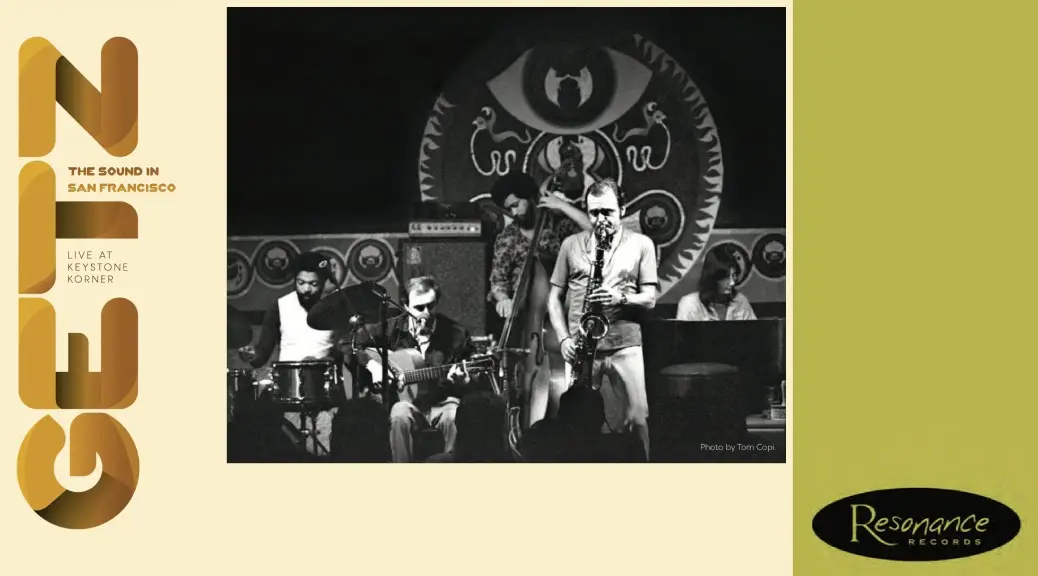
This duality of immaculate artistry and personal friction defines the enduring mystique surrounding his catalog. Now, Resonance Records—renowned for its archival excavations—is set to honor this complex legacy with a definitive, limited-edition 180-gram triple-LP box set for Record Store Day Black Friday. Comprising the complete, newly minted vinyl presentation of Getz/Gilberto ’76 alongside the vinyl debut of its companion piece, Moments in Time, this release captures Getz at a fascinating juncture of his career. Recorded live during a historic six-night residency at San Francisco’s Keystone Korner, the package serves as both a masterclass in jazz improvisation and a vital historical document of a fleeting, brilliant quartet.
Detailed Chronology: From Lester Young to the Bossa Nova Craze
The Formative Years and the Birth of "Cool Jazz"
Stan Getz’s musical DNA was forged under the profound influence of tenor saxophonist Lester Young. Rejecting the aggressive, hard-driving, and blistering sonic attacks popularized by many of his bop-era peers, Getz gravitated toward Young’s wispy, mellow, and relaxed timbre. This deliberate stylistic choice birthed a refined, breathy technique that bypassed brute force in favor of emotional nuance and harmonic sophistication.
By the mid-1950s, this instantly recognizable aesthetic had positioned Getz at the absolute vanguard of the "cool jazz" movement. His tone was breezy yet emotionally resonant, an airy sonic footprint that captivated audiences across the United States and Europe alike. Little did Getz know, however, that this signature approach was merely a precursor to an international cultural phenomenon that would permanently alter his career trajectory.
The Bossa Nova Revolution
By the early 1960s, American jazz was ripe for cross-pollination. Getz’s smooth, understated delivery made him the quintessential candidate to popularize Brazilian bossa nova in the Western hemisphere. His initial foray into the genre came alongside guitarist Charlie Byrd on the watershed 1962 album Jazz Samba.
The template was set, but the definitive statement arrived two years later. In 1964, Getz collaborated with Brazilian composer and pianist Antônio Carlos Jobim and acoustic guitarist João Gilberto on Getz/Gilberto. Anchored by Jobim’s brilliant compositions and Gilberto’s syncopated acoustic rhythms and intimate Portuguese vocals, the album also featured an accidental star: Astrud Gilberto, João’s then-wife. Never before having sung professionally, she was drafted on a whim to handle the English verses of a new tune. Her breathy, artless delivery of "The Girl from Ipanema" changed musical history forever.
[1962: Jazz Samba w/ Charlie Byrd]
       │
       ▼
[1964: Getz/Gilberto Landmark Release]
       │
       ▼
[1964-1976: Rare Live Reunions & Evolution]
       │
       ▼
[1976: Keystone Korner Residency (The Subject of the New Box Set)]
The 1976 Keystone Korner Residency
Despite the astronomical success of Getz/Gilberto, Getz and João Gilberto were temperamentally and stylistically distinct artists who worked together only on rare occasions. Beyond the foundational 1964 studio album, their recorded collaborations are vanishingly scarce:
- Getz/Gilberto #2 (a 1964 Carnegie Hall concert issued in 1966, featuring separate sets by each artist)
- The Best of Two Worlds (a 1976 studio reunion)
- Getz/Gilberto ’76 (taped live at Keystone Korner in San Francisco, 1976)
The Keystone Korner residency represents a rare window into their dynamic. By 1976, Getz was backed by a stellar, forward-thinking quartet featuring Joanne Brackeen on piano, Clint Houston on bass, and Billy Hart on drums. This configuration allowed Gilberto’s hushed, meditative intimacy to merge with a rhythm section capable of modern harmonic exploration, yielding a listening experience vastly different from the pristine studio environments of the past.

Supporting Context & Metrics: Chart Dominance and Critical Reception
The 96-Week Chart Phenomenon
To understand the commercial magnitude of the Getz/Gilberto phenomenon, one must look at the mid-1960s American pop landscape. Upon its release in 1964, Getz/Gilberto proved that instrumental and non-English vocal jazz could penetrate the mainstream pop consciousness on a massive scale.
The album climbed all the way to Number 2 on the US Billboard album charts. Its ascent to the top spot was blocked by only one cultural juggernaut: The Beatles’ A Hard Day’s Night, which held the summit throughout the summer of 1964. Defying the ephemeral nature of pop trends, Getz/Gilberto maintained its chart presence for a staggering 96 consecutive weeks, etching its place as one of the best-selling and most enduring jazz albums of all time.
The Keystone Korner Recordings: Breaking Down the Box Set
The upcoming triple-LP release from Resonance Records divides its comprehensive archival bounty into two distinct artistic statements across its six sides (Platter 1 through 3, cut from lacquers by Bernie Grundman):
- Getz/Gilberto ’76 (Sides A to C): Capturing Gilberto’s intimate vocal and guitar delivery alongside Getz and his formidable rhythm section. While the original 1964 album remains an untouchable studio masterpiece, critic Dave Gelly of The Observer noted the distinct spellbinding power of witnessing Gilberto’s intense, close-up connection with a live audience. Gilberto revisits signature tracks like "Samba da Minha Terra," "Rosa Morena," and "Um Abraço No Bonfá," alongside the lone surviving crossover track from the 1964 masterwork, "Doralice." Getz selectively drops in for soaring choruses or sits out to let the guitarist hold court.
- Moments in Time (Sides D to F): Making its long-overdue vinyl debut, this second half of the box set documents the instrumental brilliance of the Stan Getz Quartet during the exact same six-night Keystone Korner stand. Barring a single concert recorded in Slovenia weeks later, this remains the definitive historical document of this specific lineup.
| Track Name | Composer / Origin | Significance in the Set |
|---|---|---|
| "Peace" | Horace Silver | Stan Getz’s only recorded performance of this classic ballad. |
| "The Cry of the Wild Goose" | Kenny Wheeler | Introduced by Getz under a tongue-in-cheek title borrowed from a 1950 Frankie Laine pop hit. |
| "O Grande Amor" & "Con Alma" | Jobim / Dizzy Gillespie | Standards in the Getz repertoire, showcasing his seamless transition from bossa nova to bop. |
| "Infant Eyes" & "Morning Star" | Wayne Shorter / Contemporary | Highlights the quartet’s penchant for adventurous, modern modal jazz. |
Official Statements and Insider Perspectives
The gravitas of this release is matched by the stellar lineup of liner notes and firsthand recollections included in the accompanying deluxe booklet. Featuring iconic photography of the week-long residency by Tom Copi, the package benefits immensely from historical commentary and personal essays.
The Critical Lens
Acclaimed jazz journalists James Gavin and Ted Panken provide exhaustive historical framing within the booklet, contextualizing the 1976 residency within Getz’s broader artistic evolution. Furthermore, Keystone Korner’s visionary owner, Todd Barkan, shares invaluable reflections on booking the engagement, preserving the audio, and witnessing firsthand the volatile chemistry and transcendent artistry that defined the club’s golden era.
Musician Memoirs
The lived experience of creating this music is brought to life by surviving members of the Stan Getz Quartet. Pianist Joanne Brackeen and drummer Billy Hart offer intimate, illuminating memories of the bandstand dynamic. Their recollections shed light on what it was like to navigate Getz’s legendary perfectionism while forging a forward-looking jazz vocabulary that fused straight-ahead post-bop idioms with delicate Brazilian textures.
Future Outlook: Archival Preservation and the Resonance Standard
As the physical music market continues to experience a renaissance driven by audiophile collectors and jazz historians, the role of boutique archival labels has never been more vital. Resonance Records has continually set the gold standard for audio restoration, packaging design, and legal transparency in archival releases.
The upcoming November 27 Black Friday Record Store Day release of Getz/Gilberto ’76 / Moments in Time is more than a mere product rollout; it is a cultural preservation project. By pressing these newly mastered tapes onto 180-gram vinyl via Bernie Grundman’s mastering studio, Resonance ensures that future generations can experience the multifaceted genius of Stan Getz—moving seamlessly from muscular, hard-bop intensity to breathy, angelic bossa nova poise.
For jazz aficionados, vinyl collectors, and students of American music history, this triple-LP set represents an essential acquisition. It captures a legendary musician at the height of his interpretive powers, grappling with his own immortal past while fearlessly exploring new sonic horizons in the intimate glow of a dimly lit San Francisco jazz club.