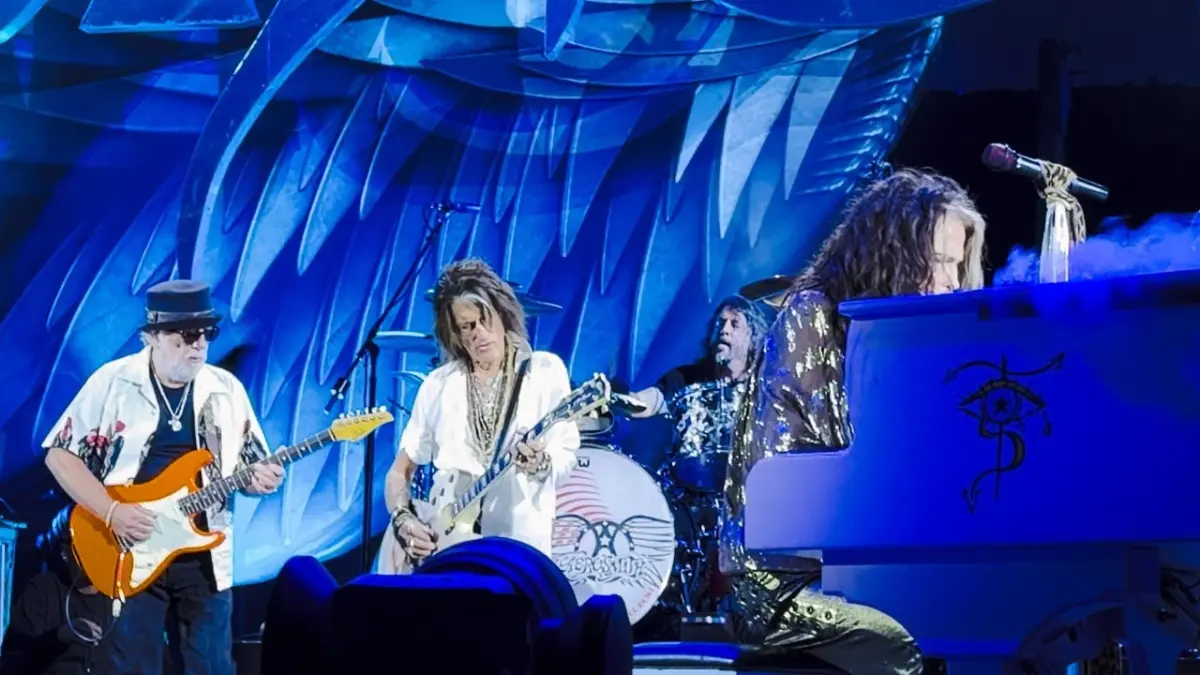
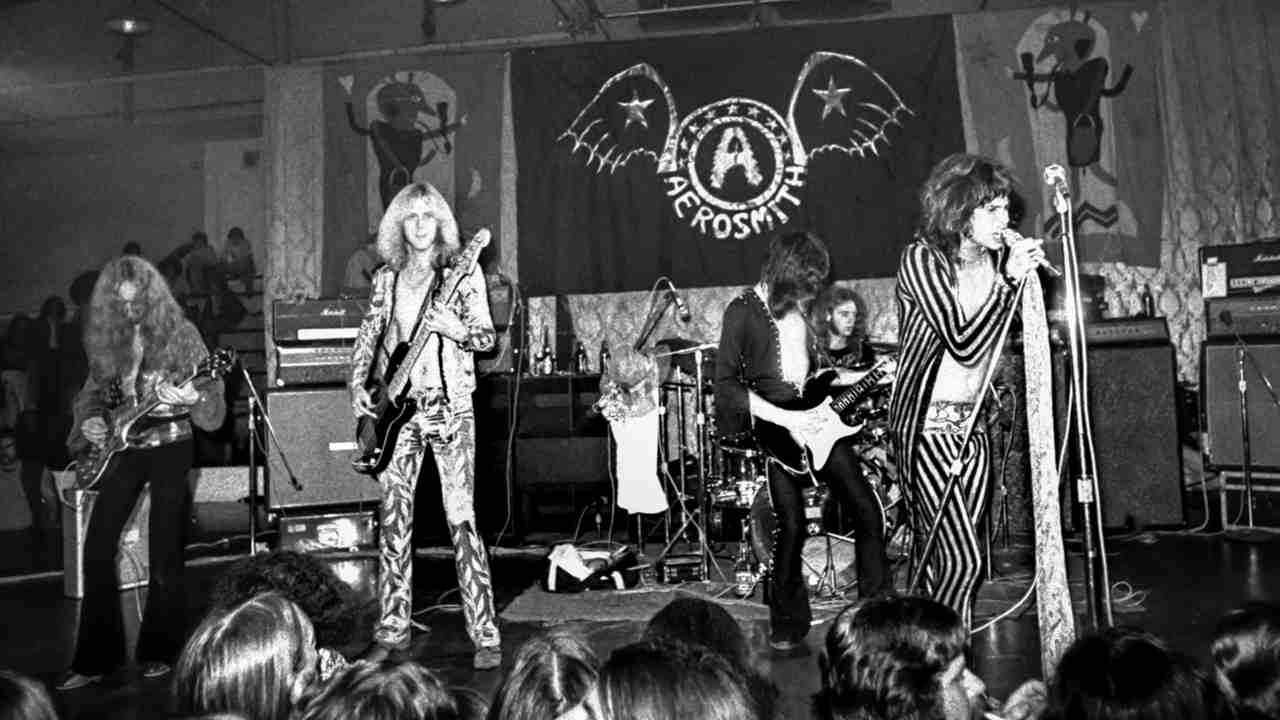
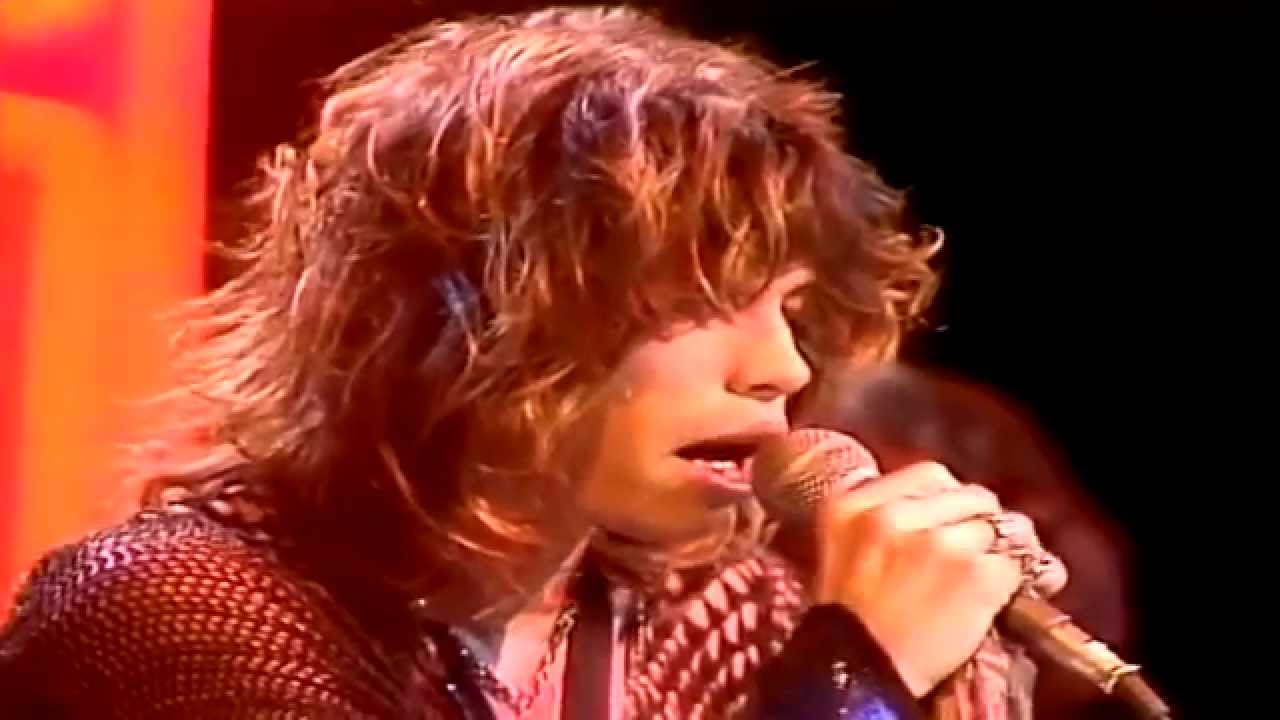
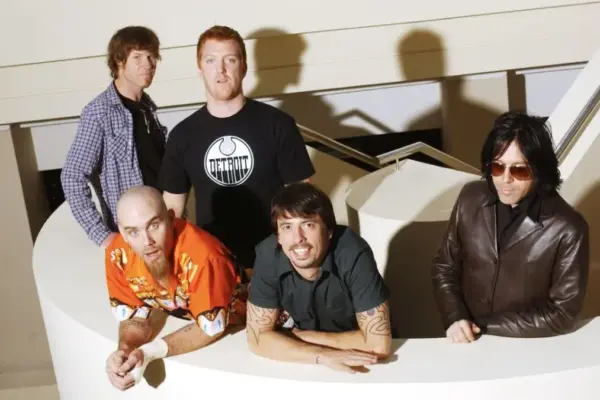
When Steven Tyler scaled his white grand piano during Aerosmith’s comeback concerts at the Hollywood Bowl, defying his age with fearless vocal agility alongside guest drummer Dave Grohl, it served as a vivid reminder of hard rock’s most enduring legacy. At the center of that performance was "Dream On," the band’s landmark 1973 debut single. Long before Aerosmith cemented their reputation as Boston’s raw, blues-drenched answer to the Rolling Stones, they inadvertently invented the blueprint for the Great American Power Ballad.
"Dream On" transformed the landscape of commercial rock music. By integrating Broadway-style narrative dynamics, classical harmonic structures, and an escalating crescendo into hard rock, the track established a new emotional syntax for guitar-driven bands. The song bridged the gap between raw street swagger and vulnerable theatricality, establishing a aesthetic template later adopted across genres—from 1980s hair metal and 1990s hip-hop sampling to contemporary talent competitions and cinematic scoring.
Understanding the trajectory of "Dream On" requires examining its unlikely origins in a New Hampshire resort, its fraught recording process fueled by subculture lore and studio experimentation, and its unexpected two-stage ascension to the upper reaches of the Billboard charts.
Detailed Chronology
[1966] ─────────────────── [1970] ─────────────────── [Late 1972] ─────────────────── [June 1973] ─────────────────── [1976]
Tyler composes          Aerosmith forms in         Recorded at Intermedia         Released as debut single;        Re-released after 'Toys in
initial piano motif     Boston; song transposed    Studios with Mellotron &       initial peak at No. 59 on        the Attic' success; climbs
at Trow-Rico Lodge      to guitar arrangements     psychoactive experimentation   Billboard Hot 100                into Billboard Top 10 (No. 6)
1. The Sunapee Origins (1966–1970)
The foundational chords of "Dream On" predate the formation of Aerosmith by several years. In 1966, a 17-year-old Steven Tyler (then Steven Tallarico) sat at a Steinway upright piano in the living room of Trow-Rico Lodge, a New Hampshire resort owned by his family.
Tyler’s musicality was rooted in a rich heritage. His Italian grandfather, Giovanni Tallarico, was a classical cellist, while his father, Victor Tallarico, was a Juilliard-trained pianist. Though Tyler embraced the rebellion of 1960s rock ’n’ roll, his compositional instincts remained influenced by classical harmonic progressions. What began as an improvised keyboard exercise at the resort lingered in his memory for years, awaiting a proper creative outlet.
2. The Boston Loft and Guitar Adaptation (1970–1972)
Following the formation of Aerosmith in Boston in 1970, Tyler sought to flesh out his early piano sketch into a fully realized composition. He upgraded his instrumentation using an RMI Electra-piano—an instrument reportedly purchased with $2,000 found in an abandoned suitcase outside the band’s apartment (a legendary incident involving an armed confrontation defused by a military veteran neighbor).
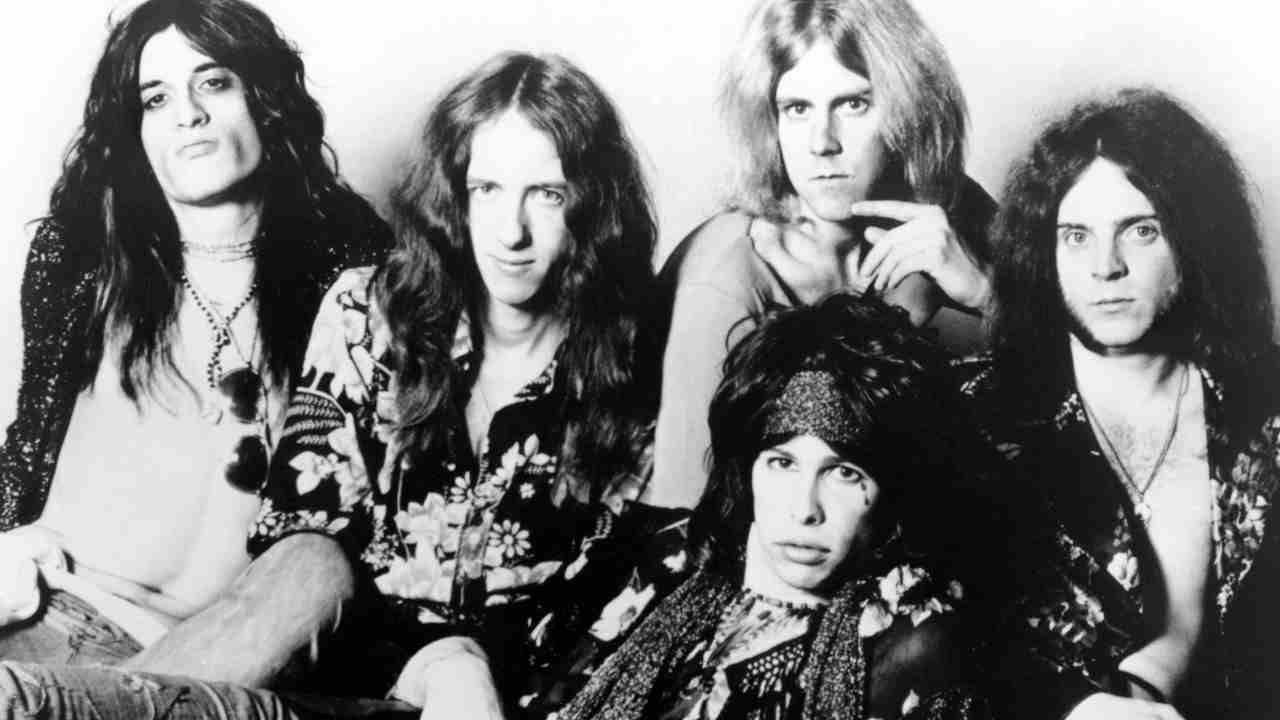
The pivotal transformation occurred when Tyler workshopped the piece with guitarists Joe Perry and Brad Whitford. Transposing a keyboard-driven composition to dual electric guitars required intricate arranging: Perry handled the upper register voicings while Whitford covered the lower counter-melodies. This adaptation converted a reflective piano ballad into an orchestral hard-rock arrangement.
3. Studio Recording at Intermedia (Late 1972)
In late 1972, Aerosmith entered Boston’s Intermedia Studios with producer Adrian Barber to record their self-titled debut album. "Dream On" stood out sharply from the rest of the album’s Yardbirds-inspired blues-rock boogie.
To achieve the song’s lush, melancholy atmosphere, Tyler arranged a string section using a Mellotron while indulging in the era’s pervasive drug culture. Vocally, Tyler took a deliberate gamble. On much of the debut album, he altered his singing voice to sound more like an authentic African American blues singer, insecure about how his natural voice sounded on tape. For "Dream On," however, he abandoned the affected rasp for his true vocal range, culminating in the climactic, high-register screams that would later earn him the moniker "The Demon of Screamin’."
4. The Dual-Wave Release Trajectory (1973–1976)
Columbia Records issued "Dream On" as a single in June 1973 following the January release of Aerosmith. Initially, the single achieved only modest regional success, stalling at No. 59 on the Billboard Hot 100 chart.
The song’s true commercial breakthrough occurred nearly three years later. Following the success of Aerosmith’s third studio album, 1975’s Toys in the Attic, management convinced Columbia to re-promote and re-issue "Dream On" in early 1976. This time, backed by an established national fanbase and heavy FM radio rotation, the single surged into the Billboard Top 10, peaking at No. 6 and cementing Aerosmith’s status as arena-rock headliners.
Supporting Context & Metrics
Architectural and Stylistic Evolution
Unlike standard 12-bar blues rock formulas of the early 1970s, "Dream On" relies on a classical minor-key progression ($Fm – Fm7 – Fm6 – Dbmaj7 – C7$) that creates dramatic tension. The arrangement follows a theatrical arc:
This structural dynamic established the template for hard-rock power ballads across subsequent decades.
Parameter
"Dream On" (1973)
Industry Standard Rock Single (1973)
Primary Composition Instrument
Piano / Mellotron
Electric Guitar / Bass
Harmonic Influence
Baroque / Classical Minor
12-Bar Blues / Pentatonic
Vocal Range Trajectory
Baritone to High-Fsetto Screams
Mid-Range Blues Belting
Dynamic Range
Pianissimo to Fortissimo (Quiet-to-Loud)
Uniform High-Energy Drive
Commercial Impact & Chart Metrics
Initial Release Peak (1973): No. 59 (Billboard Hot 100)
Re-Issue Peak (1976): No. 6 (Billboard Hot 100)
RIAA Certification: 4× Platinum (Digital/Streaming era sales acceleration)
Global Streaming: Exceeds 1 billion combined streams across major digital service providers.
Billboard Hot 100 Trajectory
[No. 59] ──────────────────────── (1973 Initial Run)
  │
  └──[3-Year Hiatus / Band Growth]──► [No. 6] (1976 Re-Issue Peak)
Cross-Genre Cultural Footprint
The cultural resonance of "Dream On" extends far beyond traditional rock music:
Hip-Hop Sampling: In 2002, hip-hop artist Eminem sampled the main guitar riff, keyboard melody, and Tyler’s climactic vocals for his hit single "Sing for the Moment" (from The Eminem Show), introducing the composition to a new generation and earning a 4× Platinum RIAA certification of its own.
Television and Media: The track became a staple audition piece on singing competition shows like American Idol and The Voice, serving as a benchmark for vocal range and emotional delivery.
Digital Media & Gaming: In the early 2020s, the song experienced a major viral resurgence via social media platforms, frequently paired with cinematic action sequences, including promotional campaigns for the God of War video game franchise.
Official Statements
Steven Tyler on Composition and Personal Reflections
Reflecting on the track’s origins in Stephen Davis’s 1997 authorized biography Walk This Way, Steven Tyler emphasized the song’s organic, uncalculated beginnings:
"The music for ‘Dream On’ was originally written on a Steinway upright piano in the living room of Trow-Rico Lodge in Sunapee, maybe four years before Aerosmith even started. I was seventeen or eighteen… It was just this little thing I was playing, and I never dreamed it would end up as a real song or anything."
Tyler expanded on the emotional drive behind the lyrics, which address youth, ambition, and self-doubt:
"It’s about hunger to be somebody. This song sums up the shit you put up with when you’re in a new band. Sitting there working it out on guitar and piano, I got a little melodramatic. The song was so good it brought a tear to my eye."
In a 1994 retrospective with Rolling Stone, Tyler marvelled at the enduring mystery of his early songwriting instincts:
"When I wrote ‘Dream On,’ I went, ‘Where did this come from?’ I didn’t question it. When I read the lyrics back now, for a guy who was stoned, stupid and dribbling, I got something out of there."
Joe Perry on Initial Skepticism and Eventual Acceptance
Guitarist Joe Perry initially held reservations about including a piano-driven ballad on a hard-rock record, preferring the raw energy of high-octave guitar riffs. As he admitted to Classic Rock magazine in 2002:
"To me, rock ’n’ roll’s about energy and putting on a show. I didn’t really appreciate the musicality of it until later, but I did know it was a great song, so we put it in our set."
Perry’s retrospective realization highlighted the complementary balance within Aerosmith’s songwriting partnership: Tyler’s classical melodic sensibility grounded by Perry’s visceral blues-rock edge.
Future Outlook
Over five decades after its release, "Dream On" remains a cornerstone of rock history. It established a structural archetype that defined an entire era of rock music, paving the way for later arena anthems ranging from Guns N’ Roses’ "November Rain" to Skid Row’s "I Remember You."
The song also bookends Aerosmith’s own artistic trajectory. While "Dream On" represented a young band’s raw, ambitious leap into emotional songwriting, their 1998 global hit "I Don’t Want to Miss a Thing" (written by pop songwriter Diane Warren) demonstrated how the rock ballad formula had evolved into a blockbuster cinematic device. Yet, music historians and critics consistently point back to "Dream On" as the purer, more groundbreaking artistic statement.
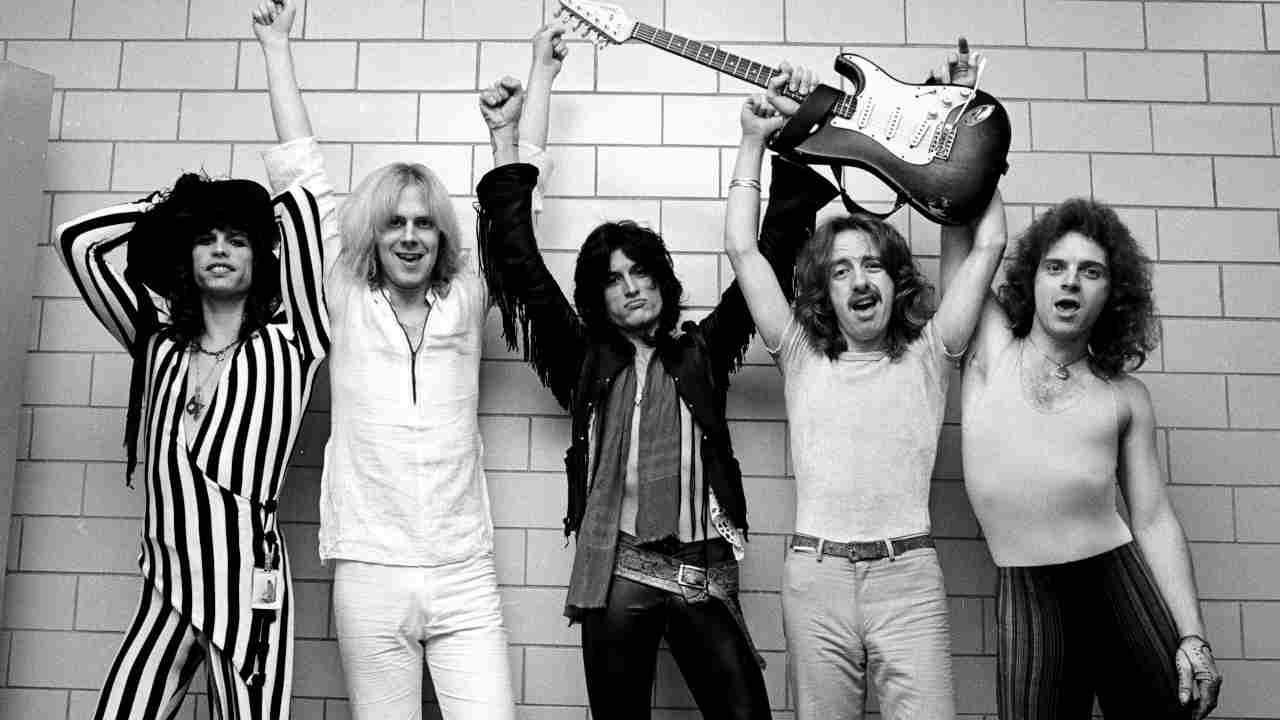
As Aerosmith concludes their touring legacy, "Dream On" stands not merely as a nostalgic hit, but as a vital bridge between classical composition and hard rock—a timeless testament to artistic ambition written by a 17-year-old sitting at a piano in New Hampshire.