Executive Overview
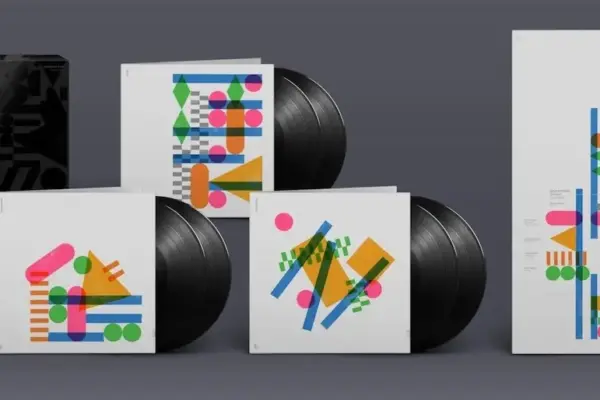
The landscape of modern rock and pop music was not built overnight; rather, it was painstakingly constructed from a mosaic of fleeting teenage memories, genre-bending studio experiments, and radical cultural shifts during the mid-1960s and 1970s. In a deeply personal and revealing retrospective interview conducted by Michael Heatley—tied to the release of The Roaring Waves by Steve Hackett and Steve Rothery via InsideOutMusic—distinguished guitar artistry comes face-to-face with the foundational vinyl pressings that shaped generations of musicians.
This deep dive explores a carefully curated collection of 10 iconic singles and long-playing (LP) records spanning from 1964 to 1978. Valued anywhere from modest pocket-change finds to collector-grade centerpieces worth upwards of £175, these records offer more than mere nostalgic appeal. They represent the DNA of progressive rock, narrative-driven lyricism, and cross-cultural musical exploration. By tracing the journey from Martha & The Vandellas’ vibrant Motown clarion calls to Kate Bush’s breathtakingly precocious debut, this article examines how foundational sounds molded the ambitions of art-rock pioneers like Genesis and transformed the trajectory of contemporary songwriting.
Detailed Chronology: A Vinyl Odyssey (1964–1978)
1. Martha & The Vandellas – Dancing In The Street (1964)
- Format/Label: 7”, Stateside (SS 345, UK)
- Estimated Collector Value: £20
The sonic journey begins in the unassuming, slightly awkward surroundings of a 1964 Battersea funfair. At just 14 years old, future luminaries experienced Motown not merely as an imported novelty, but as a sweeping global force. Yet, the reality on the ground was far more innocent: teenagers stood rigidly divided—girls on one side, boys on the other—paralyzed by the agonizing social anxieties of youth.
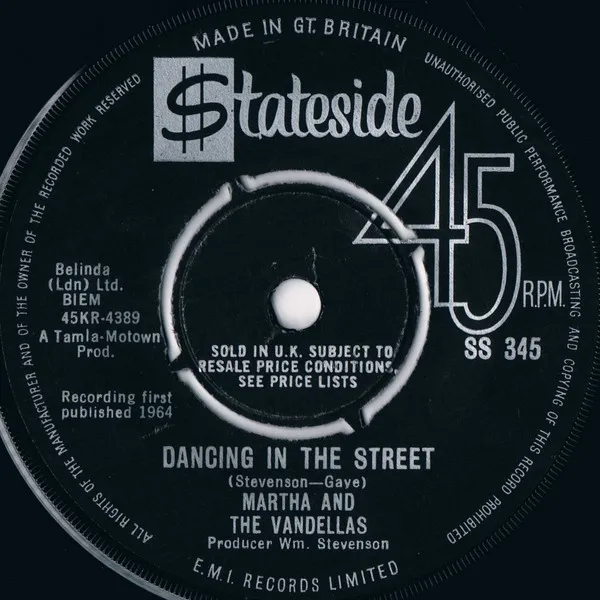
Despite the lyrical exhortation toward worldwide movement and liberation, Dancing In The Street initially clashed with the timid realities of British teenagers. However, its historical weight remains untouched. Decades later, meeting Martha Reeves brought full circle an appreciation for what many consider the absolute pinnacle of the Motown catalog—a multi-faceted masterpiece that touched every base and served as an undeniable clarion call to a burgeoning global youth culture.
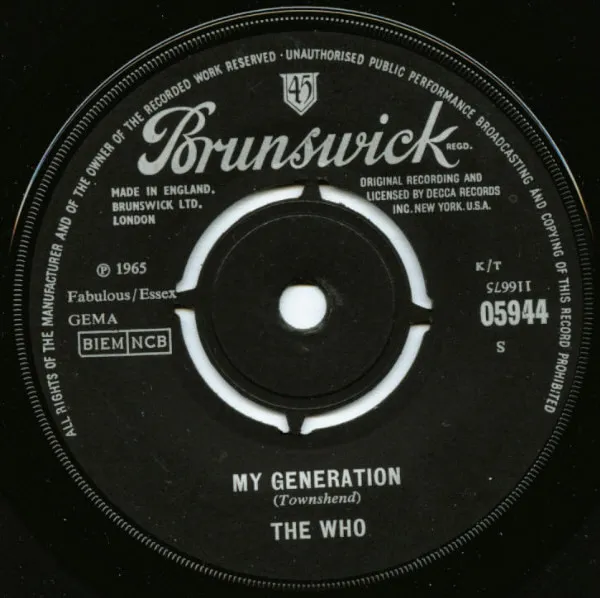
2. The Who – My Generation (1965)
- Format/Label: 7”, Brunswick (05944, UK)
- Estimated Collector Value: £20
By 1965, the polite division of the funfair gave way to unbridled adolescent rebellion. My Generation arrived as a visceral call to arms, fueled by unmatched musical velocity and attitude. For aspiring guitarists of the era, the track held a legendary technical mystery: many assumed the blistering, pioneering solo work in the middle was executed on a guitar, only to discover later that it was John Entwistle pushing the boundaries of the electric bass.
Positioned comfortably outside the rigid subcultural binaries of the decade—neither strictly a card-carrying Mod nor a wandering hippie—observers noted that The Who possessed a fleeting Mod edge before quickly shedding that aesthetic constraint. Recognizing that locking into a single youth movement was an artistic dead-end, the band preserved their timeless relevance through raw sonic attitude.
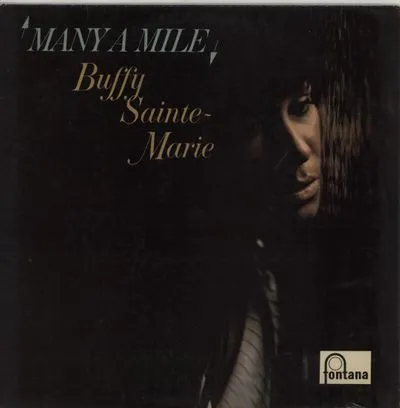
3. Buffy Sainte-Marie – Many A Mile (1965)
- Format/Label: LP, Fontana (TFL 6047, UK)
- Estimated Collector Value: £5
As the folk revival swept through the mid-1960s, a 15-year-old music enthusiast encountered the haunting, uncompromising artistry of Buffy Sainte-Marie on her sophomore LP. Merging traditional folk sensibilities with blistering protest lyricism, Sainte-Marie’s second studio album featured the standout track Must I Go Bound.
While the lyrical framework was centuries old, Sainte-Marie delivered it with a sustained, soul-baring sob that dissolved defenses upon first listen. First glimpsed visually on the pioneering 1965 British television program Heartsong—alongside contemporaries Marianne Faithfull and Julie Felix—Sainte-Marie represented a bridge between historical folk preservation and searing emotional vulnerability, cementing a lasting template for confessional songwriting.
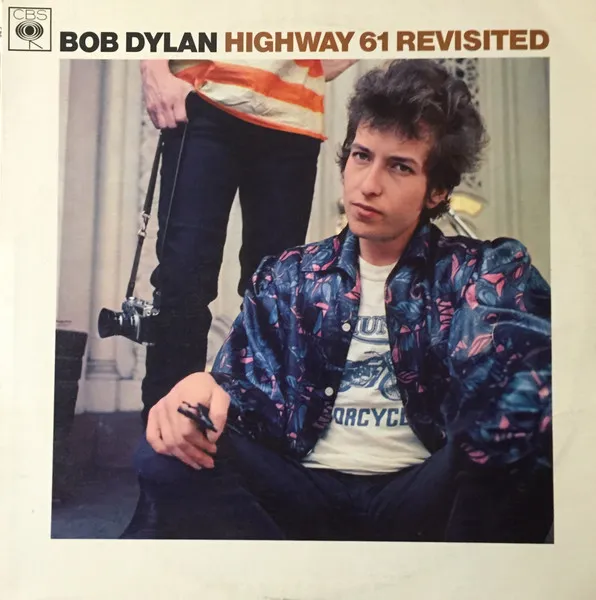
4. Bob Dylan – Highway 61 Revisited (1965)
- Format/Label: LP, CBS (BPG 62572, UK)
- Estimated Collector Value: £80
The mid-1960s also played host to ideological divides among record collectors. While traditional guitar-hero purists gravitated toward the pyrotechnics of Cream or Jeff Beck, hardcore "Dylanologists" championed the stripped-down, acoustic-rooted intensity of Bob Dylan.
Initially, bridging this aesthetic gap proved difficult for musicians accustomed to heavy blues-rock riffing. The turning point arrived with Highway 61 Revisited. By surrounding himself with elite, genre-crossing session players like Mike Bloomfield and Al Kooper, Dylan married his peerless lyrical intensity with a dynamic electric blues-rock backing band. Tracks like Like A Rolling Stone suddenly revealed how keyboards and electric guitars could elevate poetic narrative into a monumental rock-and-roll experience.
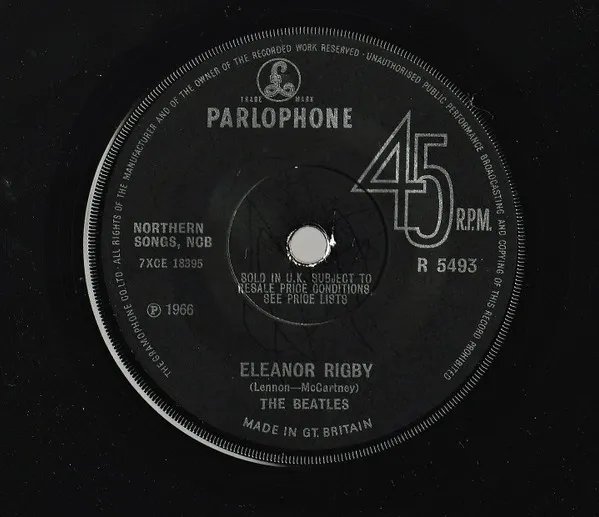
5. The Beatles – Eleanor Rigby (1966)
- Format/Label: 7”, Parlophone (R 5493, UK)
- Estimated Collector Value: £15
Few recordings dismantle the boundaries between high art and pop music quite like The Beatles’ 1966 triumph, Eleanor Rigby. Described by astute musicians as perhaps the finest rock song ever written, it defies easy categorization: it is rock ’n’ roll, yet it is entirely something else.
Built around a striking string arrangement and rich, novelistic lyrical imagery, the track functioned as a fly-on-the-wall mini-documentary tracking quiet desperation and isolation. It set a punishing gold standard for all subsequent pop composition. Years later, during the formation of Genesis, founding members reflected on the profound difficulty of writing convincing, cinematic narratives within song formats, holding up Eleanor Rigby as the ultimate masterclass in lyrical economy and storytelling.
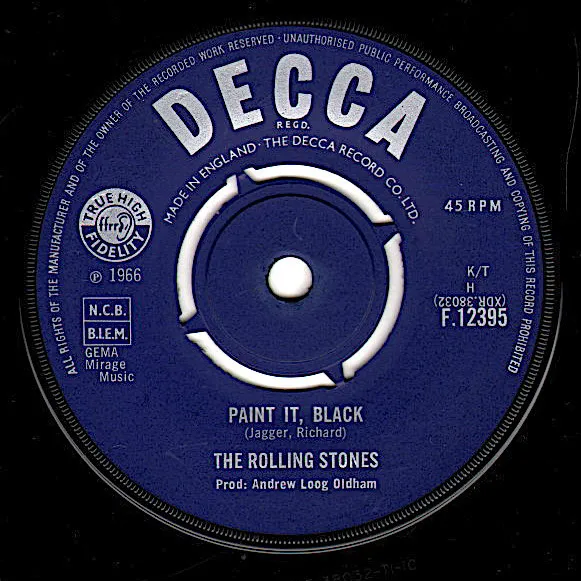
6. The Rolling Stones – Paint It, Black (1966)
- Format/Label: 7”, Decca (F 12395, UK)
- Estimated Collector Value: £15
The summer of 1966 continued its creative onslaught with The Rolling Stones releasing Paint It, Black. Driven by one of Mick Jagger’s most impassioned, powerhouse vocal performances, the track is structurally fascinating—operating essentially as a two-part musical invention. The verses feature a haunting vocal line mirrored note-for-note by Brian Jones’s sitar, flowing seamlessly into an instrumental extension that functions as a surrogate chorus.
For young musicians practicing in their bedrooms, attempting to master the intricate guitar licks shared between Jones and Keith Richards served as a rigorous education in texture, arrangement, and exotic tonal palettes.
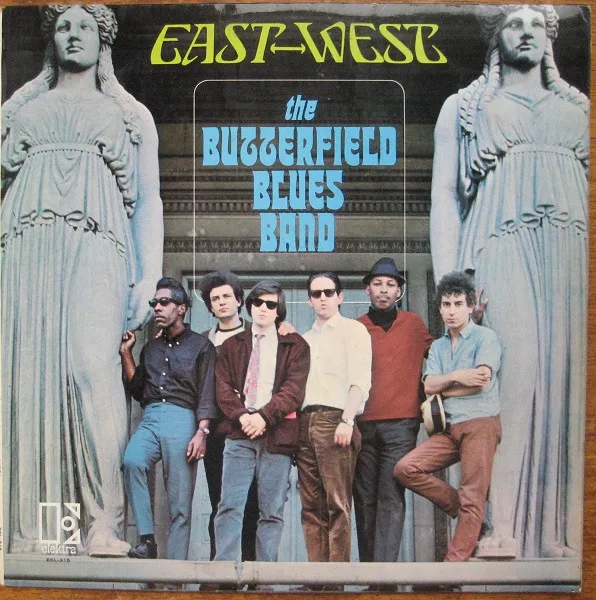
7. The Paul Butterfield Blues Band – East-West (1966)
- Format/Label: LP, Elektra (EKL 315, UK)
- Estimated Collector Value: £50
In 1966, an intimate audience of barely 20 people gathered at London’s historic Eel Pie Island to witness the transatlantic masterclass of the Paul Butterfield Blues Band. From the very first breath drawn across his harmonica, bandleader Paul Butterfield dismantled preconceived notions of blues interpretation.
While the album remained anchored in the blues tradition, its monumental title track—composed by guitar virtuoso Mike Bloomfield—embarked on a sprawling, multi-cultural epic. Merging Eastern, Western, Mexican, and Indian musical motifs, East-West pushed instrumental improvisation into uncharted territories, proving that blues-based rock could absorb global musicology without losing its emotional core.
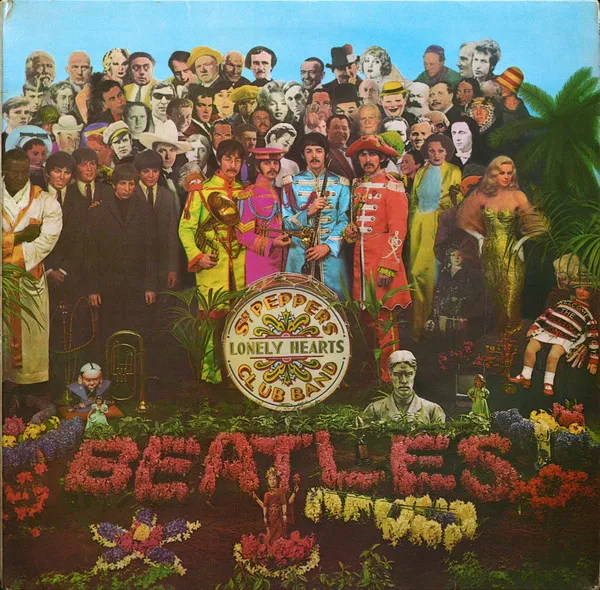
8. The Beatles – Sgt. Pepper’s Lonely Hearts Club Band (1967)
- Format/Label: LP, Parlophone (PCS 7207, UK)
- Estimated Collector Value: £175
Commanding the highest valuation in this retrospective collection at £175, Sgt. Pepper’s Lonely Hearts Club Band remains the defining conceptual monument of the 1960s pop explosion. The title track masterfully wrong-foots the listener: an orchestra tunes up its strings, only for a ferocious, muscular rock band to hijack the speakers.
Featuring Paul McCartney’s commanding vocal delivery, the album introduced a surrealist charm where the arrangement knew precisely when to exercise restraint. The thematic linkage between the vibrant surrealism of the opening tracks and the stark domestic tragedy of She’s Leaving Home—with its devastating exploration of youthful hopes and parental fears—provides a natural thematic bookend to the narrative mastery established earlier by Eleanor Rigby.
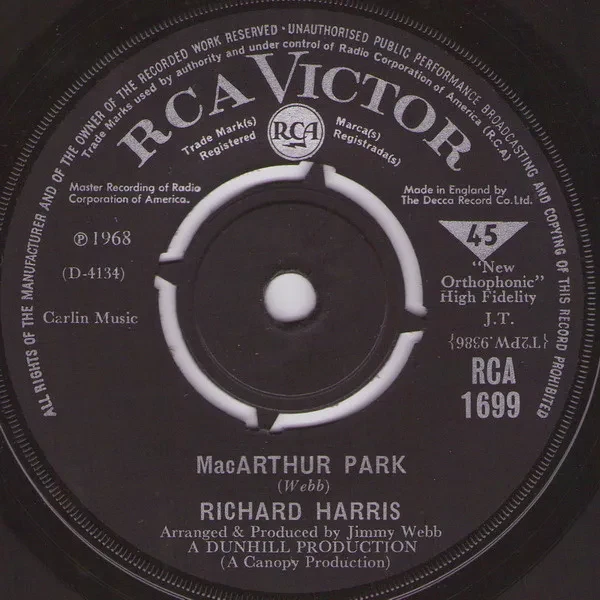
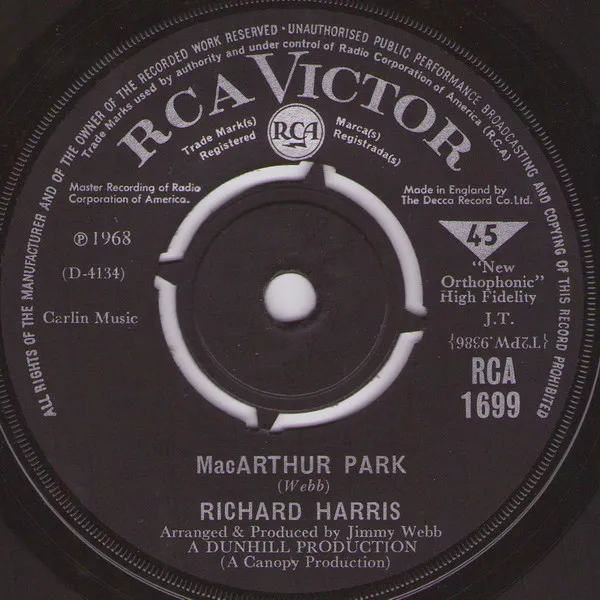
9. Richard Harris – MacArthur Park (1968)
- Format/Label: 7”, RCA (RCA1699, UK)
- Estimated Collector Value: £3
Though modest in monetary value (£3), Richard Harris’s 1968 recording of MacArthur Park stands as a towering artistic influence on the development of symphonic art-rock. Penned by a remarkably young Jimmy Webb, the track is a sweeping paean to lost love, anchored by a sophisticated chord progression and breathtaking orchestral arrangements.
Actor Richard Harris approached the vocal booth with the profound emotional intensity of a stage tragedian, pouring his soul into every line. Clocking in at an audacious seven minutes, the track provided a blueprint for the grand structural ambitions that groups like Genesis would soon pursue—demonstrating how storytelling, unconventional time and chord changes, and a blend of traditional and modern instrumentation could redefine popular music.
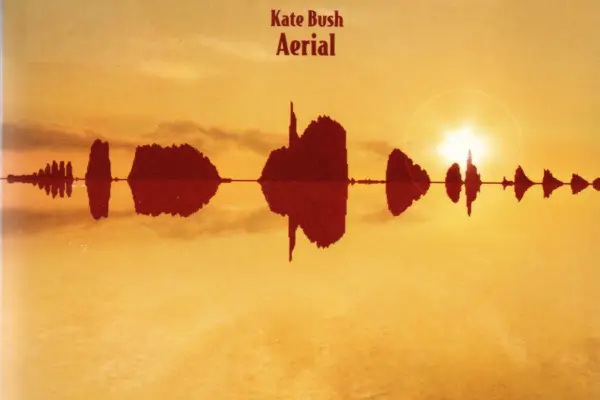
10. Kate Bush – The Man With The Child In His Eyes (1978)
- Format/Label: 7”, EMI (EMI 2806, UK)
- Estimated Collector Value: £15
Concluding this chronological survey is Kate Bush’s stunning 1978 breakthrough, lifted from her acclaimed debut album, The Kick Inside. Written when Bush was just 13 years old, the song displays a maturity and emotional intelligence that belies her tender age.
Straddling the line between fantasy, youthful imagination, and the nascent stirrings of romantic awareness, the track relies on evocative lyricism and exquisite brass arrangements. Much like Jimmy Webb, Bush arrived on the musical landscape fully formed, offering a haunting glimpse into an inner world that continues to inspire awe across generations of songwriters.
Supporting Context & Metrics
To fully appreciate the significance of these 10 releases, contextualizing their market valuation alongside their historical impact provides a clearer picture for modern music historians and vinyl archivists.
| Artist | Title | Year | Format / Label | Current Collector Value (Approx.) | Primary Musical Influence |
|---|---|---|---|---|---|
| Martha & The Vandellas | Dancing In The Street | 1964 | 7”, Stateside (SS 345) | £20 | Global rhythm, Motown arrangement |
| The Who | My Generation | 1965 | 7”, Brunswick (05944) | £20 | Bass-driven aggression, teenage rebellion |
| Buffy Sainte-Marie | Many A Mile | 1965 | LP, Fontana (TFL 6047) | £5 | Confessional folk, protest lyricism |
| Bob Dylan | Highway 61 Revisited | 1965 | LP, CBS (BPG 62572) | £80 | Lyrical intensity, electric folk-rock |
| The Beatles | Eleanor Rigby | 1966 | 7”, Parlophone (R 5493) | £15 | Narrative-driven pop miniatures |
| The Rolling Stones | Paint It, Black | 1966 | 7”, Decca (F 12395) | £15 | Counterpoint arrangement, exotic textures |
| Paul Butterfield Blues Band | East-West | 1966 | LP, Elektra (EKL 315) | £50 | Extended modal improvisation, world fusion |
| The Beatles | Sgt. Pepper’s… | 1967 | LP, Parlophone (PCS 7207) | £175 | Concept albums, studio surrealism |
| Richard Harris | MacArthur Park | 1968 | 7”, RCA (RCA1699) | £3 | Long-form symphonic pop structures |
| Kate Bush | The Man With The Child In His Eyes | 1978 | 7”, EMI (EMI 2806) | £15 | Precocious lyricism, atmospheric orchestration |
As demonstrated by the data, high financial value does not always correlate directly with historical weight; rather, market scarcity, pressing origin (such as UK first editions), and cultural resonance dictate collector metrics.
Official Statements & Industry Reflections
Reflecting on the legacy of these foundational recordings, participating artists and contemporary observers have continually emphasized the bridging of disparate musical worlds. As highlighted through ongoing archival projects and retrospective interviews—such as Michael Heatley’s discussions with progressive rock icons—the ethos of the 1960s and 70s continues to inform modern compositions.
"When we set out to write and record music that challenged standard verse-chorus expectations, we weren’t inventing things in a vacuum. We were building upon a framework laid down by writers who treated pop songs like mini-documentaries and symphonic movements. From Dylan’s lyrical bite to the grand orchestrations of Jimmy Webb and The Beatles, those records taught us that there were no boundaries left to respect."
— Retrospective Archive Commentary on Art-Rock Composition
Industry analysts note that modern listeners and musicians alike continue to seek out these specific vinyl pressings not merely as nostalgic artifacts, but as active textbooks in arrangement, production integrity, and emotional honesty.
Future Outlook: Preserving the Analog Blueprint
As the physical media market experiences a profound resurgence among younger demographics, the historical importance of mid-century vinyl pressings becomes increasingly clear. Collectors and musicians are recognizing that the transition from simple 1964 pop singles to complex 1970s art-rock suites was a continuous, unbroken evolution fueled by cross-pollination between folk, blues, Motown, and avant-garde studio experimentation.
Looking ahead, projects that bridge the gap between historic classic rock aesthetics and contemporary progressive experimentation—such as Steve Hackett and Steve Rothery’s collaborative endeavors via InsideOutMusic—prove that the foundational lessons of the 1960s and 70s remain remarkably fertile. As long as artists continue to value narrative depth, instrumental exploration, and uncompromising emotional delivery, the grooves etched into these classic vinyl records will continue to guide the future of modern music.