Changing the Narrative: Inside the Partnership Between Rough Trade and CALM to Eradicate the Stigma of Suicide
Executive Overview
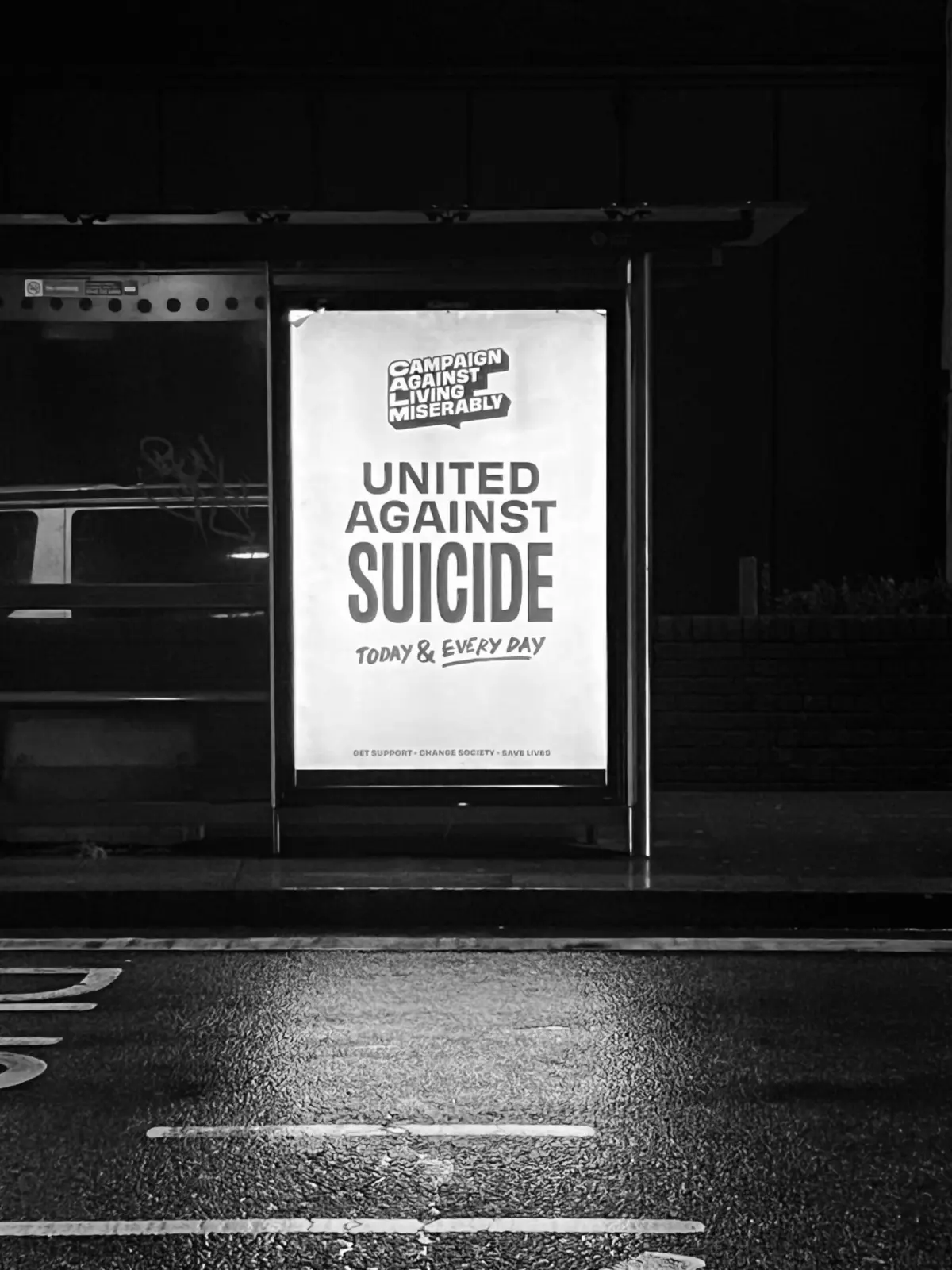
Every year on September 10th, World Suicide Prevention Day unites global communities, healthcare advocates, and cultural institutions in a shared mission: to raise awareness, dismantle deep-seated social stigmas, and reinforce the fundamental truth that suicide is preventable. The 2026 international theme, Changing the Narrative on Suicide, issues a direct call to action. It urges individuals, institutions, and industries to initiate open, compassionate conversations, dismantle harmful stereotypes, and cultivate environments where seeking help is viewed as an act of courage rather than a failure.
In alignment with this vital mission, iconic independent music retailer Rough Trade has deepened its ongoing collaboration with the Campaign Against Living Miserably (CALM)—a leading UK suicide-prevention charity. Rooted in the belief that music offers vital connection, catharsis, and community, this partnership leverages Rough Trade’s physical stores, digital platforms, and expansive cultural reach to amplify life-saving support systems.
Yet, beneath the cultural milestones and rising conversations around general mental health, the empirical reality of suicide remains a staggering public health crisis. CALM reports that approximately 125 people die by suicide every week in the United Kingdom, with suicide remaining the single biggest killer of men under the age of 50. Furthermore, recent data highlights an alarming increase in suicide rates among young women under 24. Behind these stark metrics lie profound human tragedies—families, friends, colleagues, and communities fractured by irreplaceable loss.
To mark World Suicide Prevention Day, we sat down with CALM Chief Executive Officer Simon Gunning. In an expansive, candid discussion, Gunning examines the cultural progress made over the past decade, the hidden pressures confronting modern youth and creative professionals, the therapeutic "superpower" of music, and the collective responsibility we all share to actively "reach in" when those around us are struggling.
Detailed Chronology: The Evolution of CALM and the Cultural Fight for Mental Health
To understand where suicide prevention stands today, it is necessary to examine how public discourse surrounding mental health has evolved over the past generation. For decades, psychological distress was largely hidden behind closed doors, treated as a private burden or a personal failing.
- The Early Decades (Late 20th Century): Mental health discussions in public spheres were heavily pathologized or entirely ignored. Public health campaigns rarely addressed suicide directly, fearing that open discussion might inadvertently encourage ideation—a misconception that modern suicidology has thoroughly debunked.
- The Foundation of CALM: Established to challenge the disproportionate rates of male suicide in the UK, CALM emerged as a pioneering force, utilizing non-traditional spaces, arts, and cultural partnerships to reach demographics historically resistant to institutional mental health services.
- The 2010s—A Shift in General Awareness: Driven by advocacy groups, high-profile campaigns, and public figures sharing their stories, general awareness surrounding anxiety, depression, and general wellbeing made massive strides. Society largely normalized speaking about "mental health."
- The Post-Pandemic Reality (2020s): While general conversations became commonplace, the specific, acute crisis of suicide prevention lagged behind. The compounding pressures of the COVID-19 pandemic, economic instability, and digital hyper-connectivity exposed deep fissures in societal support systems, leading to the current imperative: shifting from passive mental health awareness to active, community-driven suicide prevention.
Supporting Context & Metrics: The Scale of the Crisis
Despite the cultural normalization of mental health discourse, the structural reality of suicide in the UK demands urgent, unvarnished scrutiny. According to CALM’s empirical research:
- 125 Lives Lost Weekly: Every seven days, families across the UK experience the devastating loss of a loved one to suicide.
- The Demographic Toll: Suicide remains the leading cause of death for men under the age of 50, pointing to entrenched cultural expectations around masculinity, emotional stoicism, and the reluctance to voice vulnerability.
- An Emerging Crisis Among Young Women: Recent statistical trends demonstrate a sharp, concerning rise in suicide rates among young women under the age of 24, underscoring the compounding pressures faced by Generation Z.
- The Prevalence of Ideation: Research indicates that one in four adults will experience suicidal thoughts during their lifetime, and one in 13 UK adults will attempt to take their own life. These figures dismantle the illusion of "otherness"—suicide affects friends, colleagues, parents, and siblings across every stratum of society.
Furthermore, public perceptions regarding when these crises occur often clash with reality. While cultural mythology points to the dark, cold depths of winter as the peak period for suicide, statistical data frequently points toward the summer months. Gunning explains this phenomenon through the lens of psychological comparison:
"The most likely explanation centres on comparison. We’re expected to embrace warm weather, go on picnics, and host lavish barbecues. This isn’t the case for many, or even most, people. Comparisons can be very hard to take when we don’t appear to measure up."
This comparison culture is supercharged by the digital landscape. CALM identifies online abuse, the pressure to maintain constant availability, and the modern erosion of an "off switch" as primary drivers of isolation. Constant algorithmic reinforcement, late-night scrolling, and exposure to idealized versions of peer lives chip away at self-worth, making struggling individuals feel trapped in an inescapable, hyper-critical environment.
Official Statements: In Conversation with CALM CEO Simon Gunning
Over the past decade, conversations around mental health have become far more open, thanks in no small part to organisations like CALM. Sadly, suicide remains one of the UK’s biggest public health challenges. Where have we made meaningful progress, and what do you think still needs to change most urgently if we’re to prevent more lives being lost?
"It’s true we’ve made progress on mental health. It really is much more acceptable across large parts of society for people to speak openly about their mental health, seek help and be taken seriously in doing so. Sadly, this isn’t always the case and there still is a deep underlying trend towards trivialisation and scapegoating. Where we haven’t seen progress, however, is in suicide prevention. The whole area of suicide and its prevention is shrouded in stigma and shame and that is the fundamental change we need to make. Suicide is horrible, around 6,500 people die by suicide each year, one in four of us will have suicidal thoughts and one in 13 UK adults will attempt to take their own life. These aren’t other people; they’re our mums, our dads, our brothers, our sisters, our loved ones, our colleagues and our mates.
We need to profoundly change attitudes towards suicide prevention. We need to make it a social behaviour that we voluntarily adopt for ourselves and for the people that we care about. Suicide prevention is about life and hope and we need to make sure that people embrace it."
The glaring misconception around suicide is that it’s a linear process. How does this impact how we identify risk?
"We feel great, then a bit rubbish, then totally shit, then we attempt suicide. It’s not like that. It can come out of nowhere or fester for years. And it’s not one-and-done. Someone may attempt or ideate in early life, recover and then do it again in later life. The good news is that survival is the overwhelmingly likely outcome and that by using the CALM C.A.R.E. Kit we can all intervene and look after each other, in good times and bad."
Young people are often more open when talking about mental health, yet many still struggle to reach out in crisis. How do we bridge that gap?

"It’s a cultural thing. We’ve got to shift stigma away from suicide prevention. When one in four of us will have suicidal thoughts we need to understand that it’s a part of the human condition. What’s more, it’s the most preventable cause of death, so we need every adult in the UK to understand, and be willing and able, to confront suicide.
It’s also a huge thing to expect someone struggling to reach out. We need to be better as a society at reaching in, which means asking, rather than waiting for someone to tell us they need help. We know that can feel like a scary thing, which is why we’re developing a host of practical tools, including our Conversation Coach, to help people practise those conversations."
Music has always been a source of connection and comfort, but the industry can be demanding. Are creative professionals uniquely vulnerable?
"Yes. Making music, like comedy and art, is massively exposing. The artist is baring all for a critical audience. That’s hard and self-belief can only get you so far. Being a musician is a profession that carries one of the highest suicide rates, and I know this is something the industry is keenly aware of and looking to change with organisations like Help Musicians UK."
Do artists and musicians have a unique role to play in encouraging mental health conversations?
"Without a doubt. Suicidal thoughts are part of the human condition. We are the only species with massive frontal lobes that have given us language, co-operation and a tendency to question our place on the planet. It’s given us existential philosophy, existential poetry, and The Cure. Great music can evoke great emotion—joy (Fontaines D.C.), anger (IDLES) and melancholy (I’m going with Elliott Smith here).
Where we step in as CALM is the power of music as a tool for suicide prevention. So many people will tell you that a song or an artist saved their life, and there’s evidence out there that suggests that might actually be the case. Having a ticket to a gig can be the reason a person decides to stay, and there’s fascinating research into the impact music has on the brain to actually regulate it during moments of crisis. The fact is, artists are already playing a huge part in suicide prevention for their fans that they might not be aware of, but we’re looking to work with the industry to bring this superpower out into the open. Music can be a safe place, a refuge and a life-affirming stimulant to get the fuck up and do something."
For someone who worries a friend, colleague or loved one might be struggling, what’s the most important thing they can do?
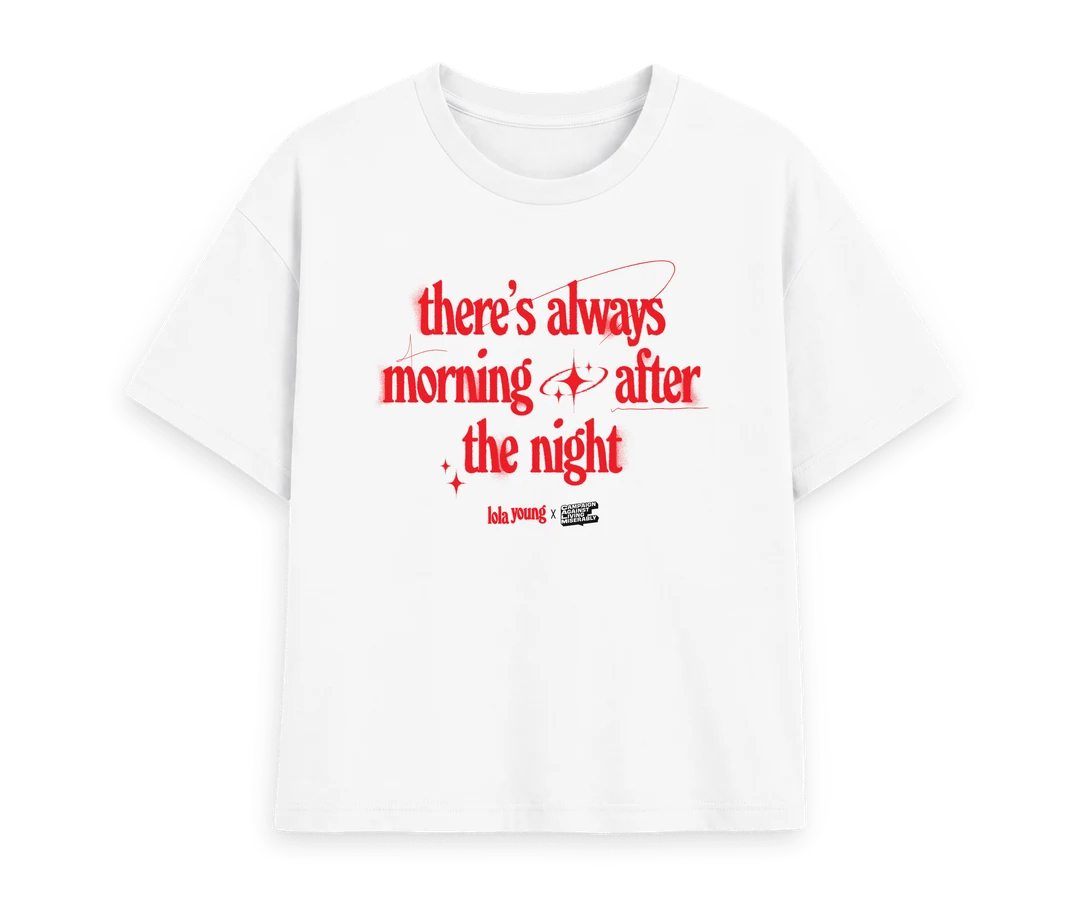
"Don’t avoid the S-word (suicide). Don’t avoid really asking how they’re doing. Do visit thecalmzone.net, do use the NHS and listen to lots and lots of varied music. It will nourish your soul."
Future Outlook: The Intersection of Culture, Commerce, and Care
As we look toward the future of public health and cultural advocacy, partnerships like the one between Rough Trade and CALM point the way forward. By integrating life-saving mental health frameworks into retail spaces, record stores, and musical communities, organizations are demonstrating that suicide prevention cannot be left solely to clinical institutions—it must be embedded within the fabric of daily cultural life.
The roadmap for the future relies on several key pillars:
- Normalizing Direct Intervention: Eradicating the fear of using the word "suicide" in conversations with loved ones, replacing avoidance with active, compassionate inquiry.
- Empowering the Creative Sector: Providing targeted support for artists, crew members, and independent workers navigating the precarious realities of the entertainment industry.
- Utilizing Practical Digital Tools: Expanding access to resources such as CALM’s Conversation Coach and the C.A.R.E. Kit, equipping everyday citizens with the confidence to act as lifelines for those around them.
Ultimately, changing the narrative on suicide requires society to embrace the reality that hope and life are collective responsibilities. By reaching in before individuals are forced to reach out, we can transform public health outcomes and ensure that no one has to navigate their darkest moments alone.
If You Need Support
If you are struggling, worried about someone, or have lost someone to suicide, support is available:
- CALM: Call the helpline on 0800 58 58 58 (open daily from 5pm to midnight) or access webchat services at thecalmzone.net.
- Samaritans: Call free on 116 123, available 24 hours a day, 365 days a year.
- Emergency Services: If you or someone else is in immediate danger, call 999 or go to your nearest A&E department.