Executive Overview
In the wake of Russell Brand’s landmark conviction for rape and sexual assault, the cultural reckoning has widened to encompass figures who once shared stages, airwaves, and television screens with the disgraced comedian. Among them is television presenter and comedian Noel Fielding, who has publicly declared himself "appalled," "horrified," and "deeply disturbed" by the content of jokes he made alongside Brand during the height of their joint visibility in the mid-2000s.
Fielding, widely recognized today as a beloved co-host of The Great British Bake Off, issued a comprehensive statement to The Sun addressing the archival material that has rapidly resurfaced across digital platforms. This archival footage—spanning television appearances, live comedy sets, and radio broadcasts—features both men engaging in provocative banter, edgy black comedy, and off-color humor that included explicit and quasi-sexual references.
The fallout from Brand’s legal downfall has created a cascading effect across the British entertainment landscape. As networks, streaming platforms, and archives face unprecedented scrutiny, past creative partnerships are being re-examined through the unforgiving lens of modern standards and newly established legal realities. Fielding’s intervention is one of the most prominent responses from a former high-profile associate, drawing a sharp line between their professional history and his absolute condemnation of Brand’s criminal actions.
Simultaneously, fellow television and radio broadcaster Jonathan Ross—who also shared broadcasting space with Brand during the controversial era of mid-2000s British media—has distanced himself from the remarks, offering public solidarity to the survivors whose bravery facilitated the criminal conviction. This article provides an in-depth investigation into the unfolding fallout, examining the resurfaced media artifacts, the structural culture of British broadcasting during the 2000s, the official statements issued by the primary figures, and the broader implications for the entertainment industry at large.
Detailed Chronology
To understand the gravity of the current public discourse, it is necessary to trace the historical timeline of the professional relationship between Noel Fielding and Russell Brand, alongside the cultural milestones that shaped the British comedy scene of the 2000s.
The Rise of the Alternative Scene (Early 2000s)
During the early years of the 21st century, the British comedy circuit was undergoing a significant structural shift. Alternative, surreal, and counter-culture comedy acts were gaining mainstream traction, propelled by late-night television slots, burgeoning podcast platforms, and youth-oriented radio broadcasts. Russell Brand, with his rapid-fire delivery, bohemian aesthetic, and penchant for boundary-pushing controversy, quickly became a dominant fixture of this landscape.
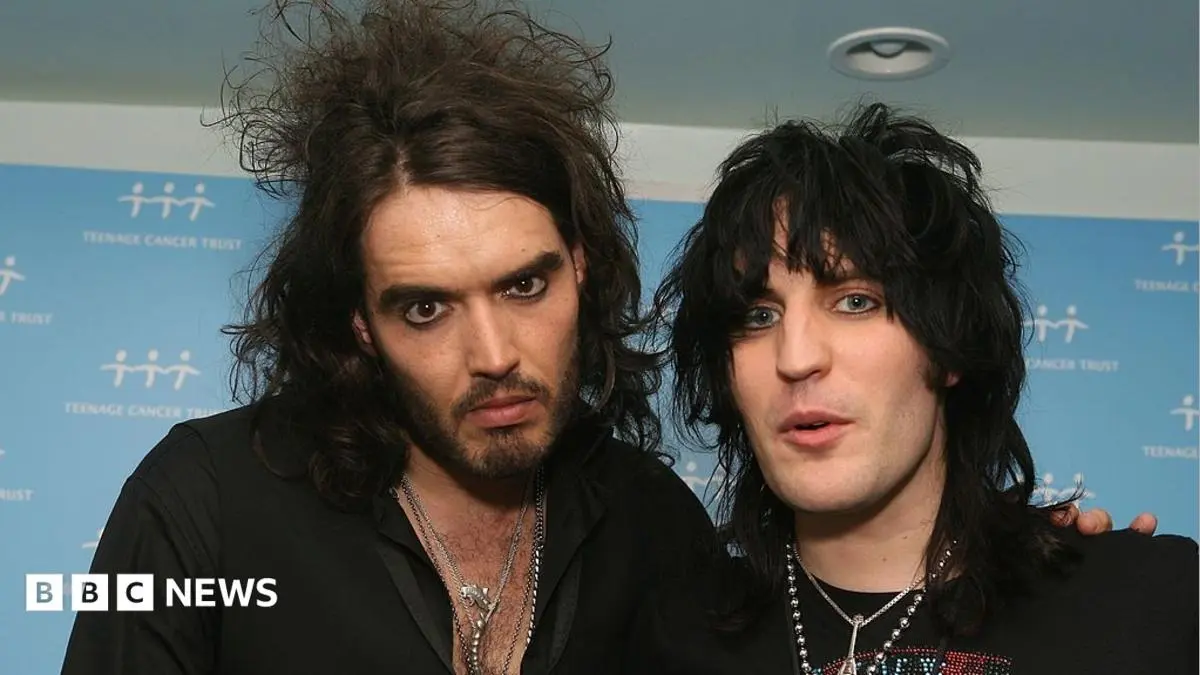
Concurrently, Noel Fielding was ascending through the ranks of the alternative comedy scene as one half of The Mighty Boosh, alongside Julian Barratt. Fielding’s theatrical, absurdist style and distinct visual identity carved out a dedicated niche. As their respective profiles grew, Brand and Fielding’s paths frequently crossed. The entertainment industry actively encouraged cross-pollination between these rising counter-culture stars, leading to joint live appearances, guest spots on flagship television programs, and collaborative charity ventures.
The 2007 Flashpoints
The year 2007 stands as a critical juncture in the archival record, housing the specific media artifacts that have recently resurfaced and drawn widespread public condemnation.
- The Radio Broadcasts: Brand was hosting The Russell Brand Show on BBC Radio 2, a platform that frequently courted controversy for its chaotic, unscripted, and provocative banter. During an episode that aired in 2007, Fielding appeared as a guest, participating in a dialogue that featured taboo subjects and inappropriate framing—including an infamous satirical exchange regarding an underage insect, which has since been singled out by critics for its disturbing undertones.
- Television Panel Shows: Later that year, both comedians appeared on high-profile festive broadcasting staples, most notably Channel 4’s Big Fat Quiz of the Year, hosted by Jimmy Carr. Featuring alongside established mainstream broadcasters such as Jonathan Ross, Brand and Fielding participated in comedic sparring that pushed the boundaries of daytime and evening broadcast regulations. In the wake of Brand’s conviction, clips from this episode showcasing flippant remarks regarding sexual assault and taboo topics have been aggressively circulated across social media platforms.
- Live Collaborations: Beyond broadcasting, the duo aligned for live performances, most notably billing themselves as "The Goth Detectives" for various charity gigs and festival appearances. These collaborative live sets relied heavily on an improvised, chaotic dynamic that blurred the lines of acceptable public discourse.
The Divergence of Careers (2008–2020s)
Following the controversies surrounding Brand’s radio career—most notably the "Sachsgate" scandal in 2008, which led to his resignation from the BBC—the trajectories of Brand and Fielding began to diverge. Brand transitioned into international film projects, political activism, and eventually a sprawling digital empire centered on self-help, conspiracy theories, and alternative wellness commentary on video-sharing platforms.
Fielding, meanwhile, consolidated his mainstream appeal. He transitioned from cult favorite status to prime-time television ubiquity, notably serving as a team captain on the BBC music quiz Never Mind the Buzzcocks before securing his role as a co-presenter on The Great British Bake Off following its move to Channel 4. Throughout this period, Fielding maintained a distinct public persona centered on warmth, whimsy, and creative eccentricity, with minimal professional association linking him back to Brand.
Supporting Context & Metrics
The re-evaluation of Fielding and Brand’s past work occurs within a broader analytical framework of how media organizations archive, audit, and contextualize historical programming in the digital era.
The Mechanics of Digital Resurfacing
In the modern media ecosystem, archival video and audio are subject to continuous algorithmic discovery and user-driven curation. When a public figure suffers a catastrophic fall from grace—such as Brand’s criminal conviction for sexual offenses—digital sleuths, journalists, and concerned citizens routinely audit the public record.
- Platform Amplification: Short-form video platforms (such as TikTok, Instagram Reels, and YouTube Shorts) specialize in extracting isolated 30-to-60-second clips from historical broadcasts. While this format maximizes engagement and virality, it frequently strips away the contemporaneous context, audience reception, and satirical framing of the original production.
- The "Edgelord" Culture of the 2000s: Media analysts note that the mid-2000s British broadcasting landscape operated under a vastly different set of cultural norms. Satirical boundaries were regularly tested under the banner of "edgy," post-modern irony. Broadcasters and commissioners often rewarded transgressive behavior, viewing shocking statements as evidence of authentic counter-culture rebellion. Today, that exact cultural product is viewed through a rigorous, trauma-informed lens that prioritizes the safety and dignity of survivors over comedic subversion.
Industry Impact and Archival Auditing
Major broadcasting institutions, including the BBC and Channel 4, face complex administrative challenges regarding their vast digital libraries. Fielding, Ross, and other notable figures who populated the broadcasting ecosystem of that era are now confronted with the reality that their historic work carries permanent digital footprints.
- Reputational Risk Metrics: Talent agencies and public relations firms increasingly employ sophisticated sentiment analysis tools to audit the historical outputs of media personalities. The sudden resurgence of the 2007 clips demonstrates the immediate reputational volatility faced by artists who maintain historical associations with convicted offenders.
- Content Moderation and Removal: Broadcasters are currently undertaking internal reviews of legacy programming available on catch-up services and streaming libraries. While some historical shows are edited or removed entirely, others remain accessible, prompting ongoing debates regarding the ethical responsibilities of media archives in the post-#MeToo era.
Official Statements
The gravity of the situation has compelled the primary living figures associated with the resurfaced archival material to issue clear, unambiguous statements distancing themselves from their past outputs and expressing solidarity with survivors.
Noel Fielding’s Statement
In his comprehensive statement delivered to The Sun, Noel Fielding expressed profound remorse for his past participation in offensive comedic routines, while categorically denying any awareness of Brand’s criminal behavior during their historical working relationship:
"I was horrified and deeply disturbed to learn of Russell Brand’s crimes, which I was completely unaware of until they became public knowledge. My thoughts are with the women whose courage brought him to justice.
I appeared on TV, radio and live charity shows with him, and whilst we played it up for the cameras and in the media, I considered it a professional relationship, rather than a personal one. I have had no contact with him for many years.
Looking back at some of the jokes I made alongside him I was appalled. They were horrible and inappropriate, and I very much regret them."
Fielding’s statement strategically accomplishes three vital objectives:
- It establishes an absolute moral condemnation of Brand’s criminal acts.
- It clearly delineates the nature of their past association, framing it strictly as a distant, professional-only dynamic devoid of personal friendship in recent years.
- It accepts retrospective accountability for the offensive nature of the jokes, avoiding defensive rationalizations or appeals to the comedic standards of the era.
Jonathan Ross’s Statement
Jonathan Ross, whose involvement in the 2007 Big Fat Quiz of the Year and historic broadcasting collaborations placed him in the immediate vicinity of the resurfaced material, also released an official statement:
"My thoughts are with the many, many women who have bravely come forward."
By focusing entirely on the victims and survivors, Ross’s concise statement aligns with contemporary crisis communication standards, acknowledging the wider societal impact of the trial without attempting to re-litigate historical production decisions.
Future Outlook
The cultural fallout extending from Russell Brand’s conviction and the subsequent scrutiny of historical broadcasting archives signals a permanent shift in how the entertainment industry evaluates its legacy media.
The Evolution of Comedy Standards
For comedians and performers who rose to prominence during the transgressive eras of the 1990s and 2000s, the landscape has fundamentally transformed. The defense of "it was just a joke" or "satirical provocation" no longer provides immunity against public accountability or institutional review. Future comedy production is likely to be characterized by heightened self-regulation, greater sensitivity to survivor trauma, and an abandonment of shock tactics that trivialize sexual violence or marginalize vulnerable demographics.
Broadcaster Responsibility and Archival Curation
Television networks, radio archives, and digital streaming platforms must grapple with the ethical dilemma of legacy content. As audiences demand moral consistency from media institutions, commissioners will face mounting pressure to either place clear contextual warnings on historical programming or systematically purge material that violates contemporary ethical standards. This ongoing curation process will redefine what television and radio history looks like for future generations of viewers.
Noel Fielding’s Career Trajectory
For Noel Fielding, the immediate challenge lies in navigating the reputational slipstream of an association he has forcefully disavowed. Given his current status as a mainstream family-friendly entertainer through his work on The Great British Bake Off, industry analysts suggest that his swift, unequivocal, and deeply remorseful statement has largely insulated him from immediate professional repercussions. By acknowledging his past errors without prevarication, Fielding has set a benchmark for how established performers must address the uncomfortable ghosts of their early careers in a changed cultural landscape.
Ultimately, the unfolding narrative serves as a stark reminder that the digital record is permanent, and that the entertainment industry’s historic tolerance for transgressive, boundary-violating humor is undergoing a rigorous, irreversible process of moral and legal reckoning.