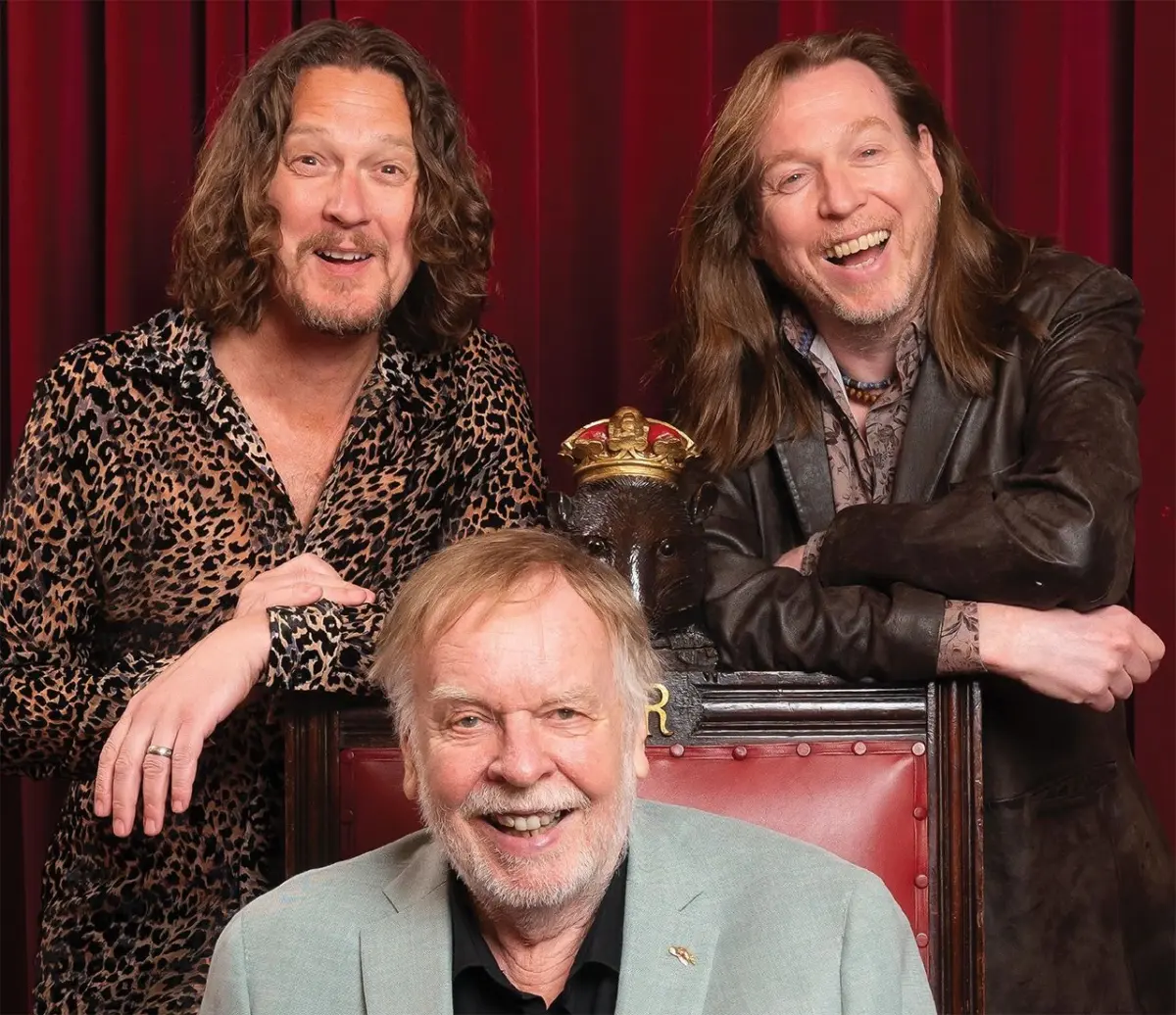
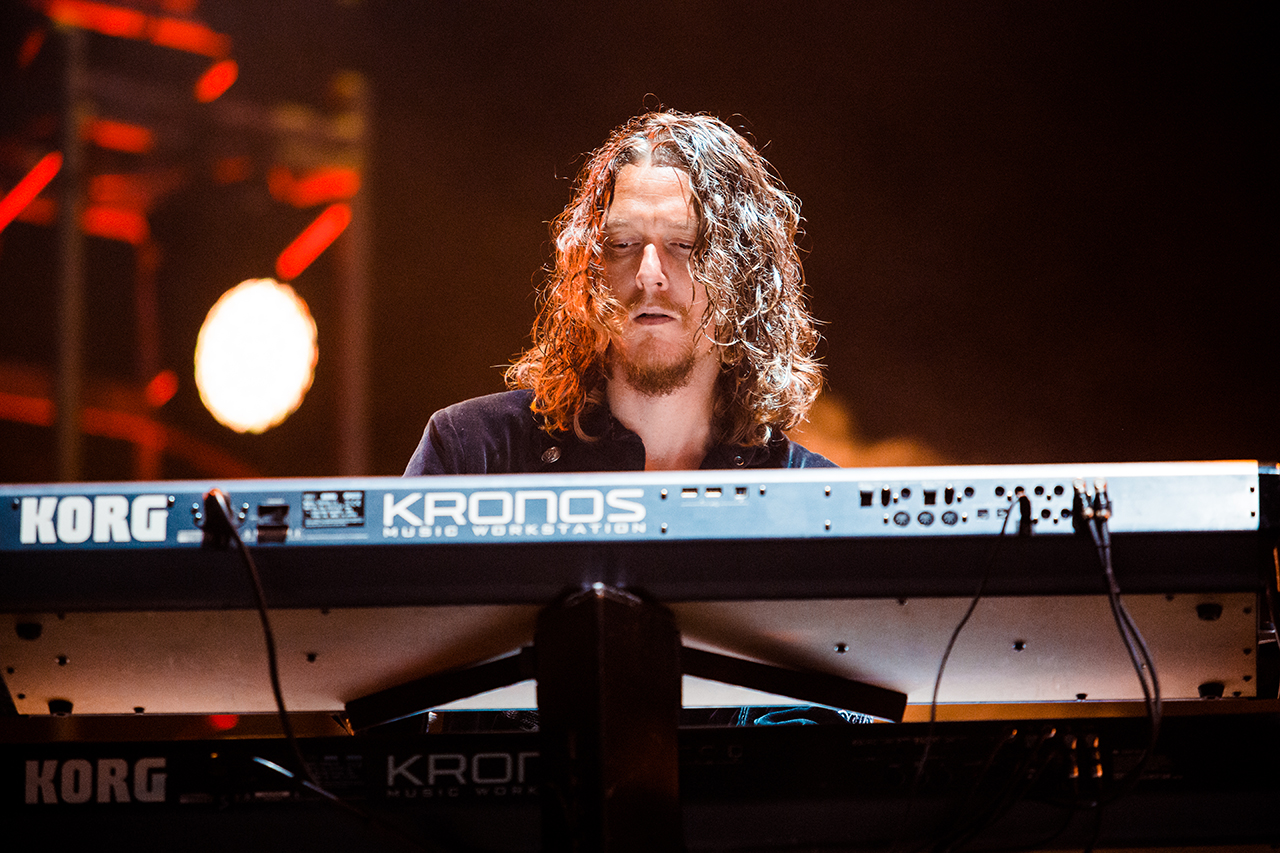
In the history of popular music, few family lines possess the creative pedigree and technical mastery of the Wakeman family. Led by patriarch Rick Wakeman—the cape-wearing keyboard wizard whose classical sensibilities helped define the sound of progressive rock giants Yes and established a sprawling solo career—the Wakeman name stands as a benchmark for keyboard excellence. Yet, the legacy does not end with the senior maestro. His eldest sons, Oliver and Adam Wakeman, have carved out their own formidable reputations across the spectrum of modern music, spanning progressive rock, hard rock, and heavy metal.
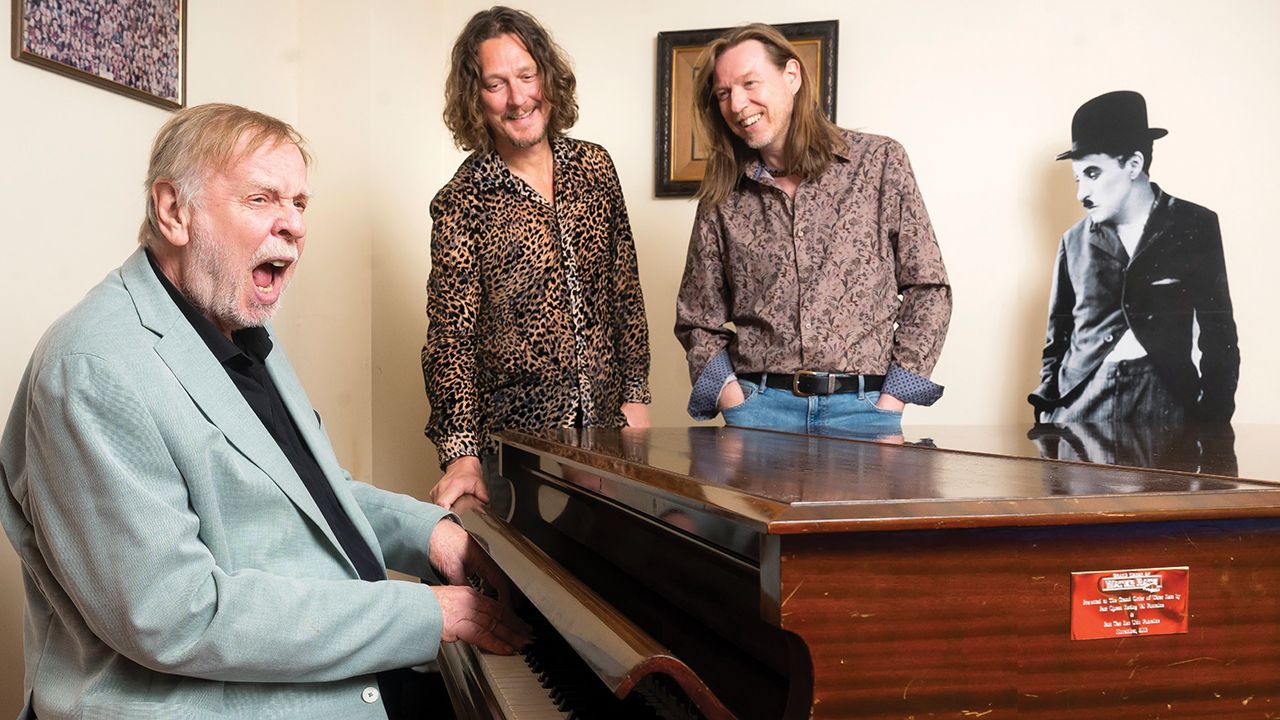
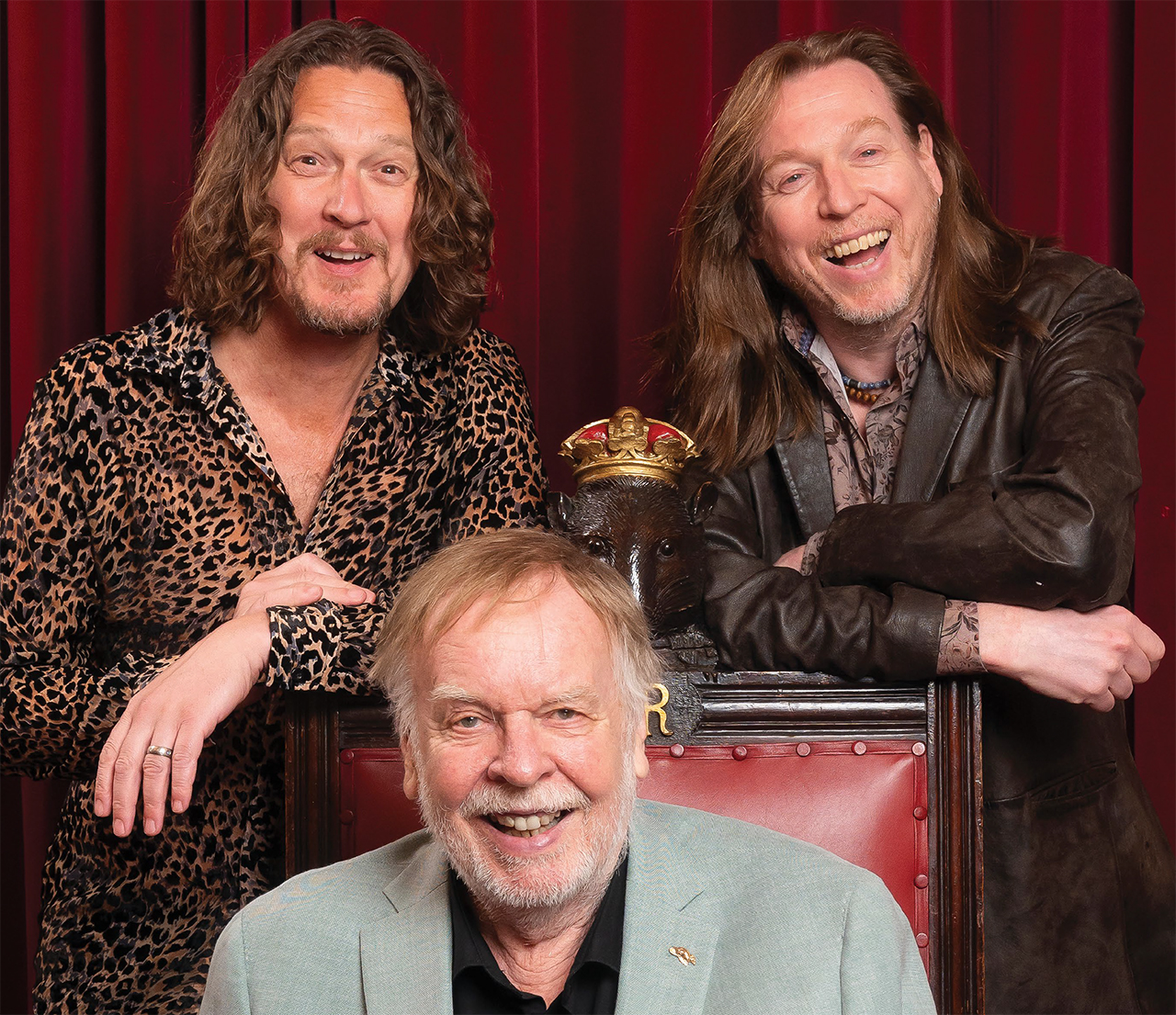
Despite their shared heritage and individual successes—Oliver having filled his father’s shoes in Yes, and Adam spending decades as a key collaborator with Ozzy Osbourne and Black Sabbath—the three keyboardists had never sat down together for a joint media interview until a historic gathering at the London headquarters of the Grand Order of Water Rats in King’s Cross.
This comprehensive report synthesizes the unique dynamics of the Wakeman dynasty. It explores the intersections of their respective careers, examines the realities of growing up in the shadow of progressive rock royalty, analyzes the technical and commercial demands of their craft, and evaluates the prospect of an ultimate, three-generation Wakeman musical union on stage.
Detailed Chronology of a Musical Dynasty
+-----------------------------------------------------------------------------------+
|                                 CHRONOLOGY                                        |
+-----------------------------------------------------------------------------------+
| 1970s : Rick Wakeman rises with Yes; records iconic solo works & session tracks.   |
| 1972  : Oliver Wakeman born; early exposure to grand pianos and studio gear.      |
| 1974  : Adam Wakeman born; progressive rock reaches peak commercial saturation.   |
| 1980s : Changing music trends; Oliver and Adam raised primarily by mother, Roz.   |
| 1993  : Adam releases 'Wakeman With Wakeman' with Rick, entering professional arena|
| 2008  : Oliver joins Yes on Rick's direct recommendation, serving through 2011.   |
| 2010s : Adam tours globally with Ozzy Osbourne and Black Sabbath; forms Headspace. |
| Present: Three Wakemans evaluate the feasibility of a joint symphonic production. |
+-----------------------------------------------------------------------------------+
1970s: The Golden Era of Prog and the Birth of a Legacy
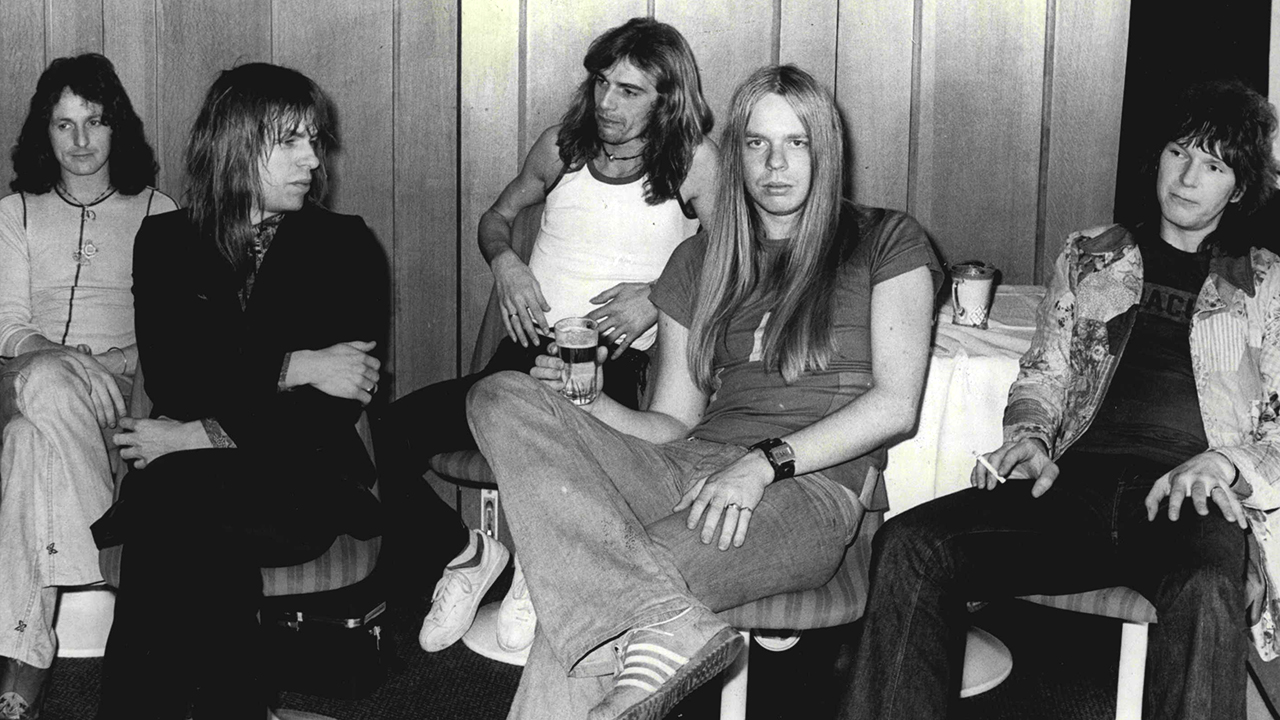
The early 1970s marked the apex of Rick Wakeman’s early career. After making crucial session contributions to seminal recordings—including David Bowie’s "Space Oddity" and "Life on Mars?", as well as Cat Stevens’ "Morning Has Broken"—Wakeman joined Yes in 1971, replacing Tony Kaye. His virtuoso piano, Mellotron, and Minimoog work helped elevate albums like Fragile (1971) and Close to the Edge (1972) into multi-platinum masterpieces.
Concurrently, his solo career exploded with conceptual works including The Six Wives of Henry VIII (1973), Journey to the Centre of the Earth (1974), and The Myths and Legends of King Arthur and the Knights of the Round Table (1975). It was during this period of stadium tours and theatrical ice shows that his sons Oliver (born 1972) and Adam (born 1974) were born.
1980s: The Post-Prog Transition and Childhood Realities
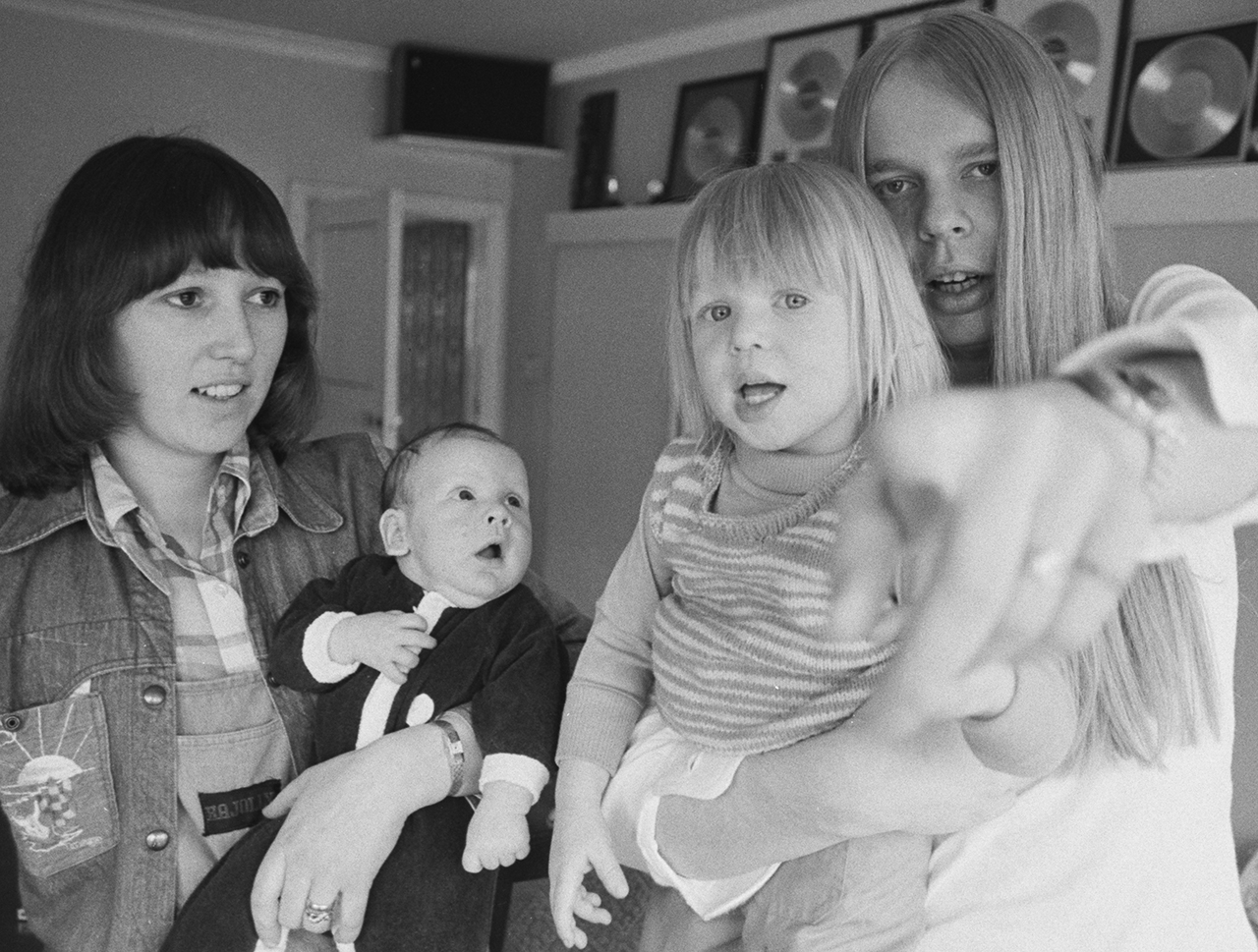
As punk and synth-pop reshaped the British music industry in the 1980s, progressive rock fell out of critical favor. For Oliver and Adam, growing up meant navigating a childhood distinct from their father’s rock-star lifestyle. Following their parents’ separation when Adam was three and Oliver was five, the brothers were raised primarily by their mother, Roz, and stepfather, John.
While schoolmates were listening to contemporary pop bands, the Wakeman brothers were gradually discovering their father’s catalog through attic vinyl collections and occasional visits to high-profile stadium rehearsals, such as the Anderson Bruford Wakeman Howe (ABWH) tour in the late 1980s.
1990s–2000s: Professional Convergence and Band Intersections
By the 1990s, both sons had independently committed to music. Adam Wakeman entered the professional realm through direct collaboration with his father, co-writing and recording Wakeman With Wakeman (1993) and embarking on extensive joint tours that served as an intensive apprenticeship in record production, touring logistics, and financial discipline.
Oliver Wakeman pursued a parallel path in the progressive rock scene, releasing acclaimed solo albums and collaborating with Yes guitarist Steve Howe. In 2008, when Yes prepared to tour without founding vocalist Jon Anderson, Rick Wakeman stepped aside due to health and artistic considerations. When bass player Chris Squire asked for a replacement recommendation, Rick put forward his eldest son. Oliver officially joined Yes, touring globally and recording material that would later form the basis of the album Fly from Here (2011).
+------------------------------------------------------------------------------------+
|                         THE WAKEMAN FAMILY MUSIC MATRIX                            |
+------------------------------------------------------------------------------------+
| MUSICIAN       | KEY AFFILIATIONS                   | NOTABLE WORKS                |
+----------------+------------------------------------+------------------------------+
| Rick Wakeman   | Yes, Strawbs, David Bowie, Solo    | 'The Six Wives...', 'Journey'|
| Oliver Wakeman | Yes, Steve Howe, Solo              | 'Ravens & Lullabies', 'Yes'  |
| Adam Wakeman   | Black Sabbath, Ozzy Osbourne, Solo | '13', 'Wakeman With Wakeman' |
+----------------+------------------------------------+------------------------------+
Meanwhile, Adam Wakeman secured one of the most coveted positions in heavy rock, serving as the long-term keyboardist and rhythm guitarist for Ozzy Osbourne and subsequently joining Black Sabbath for their final studio album, 13 (2013), and world tours.
Supporting Context, Technical Mechanics & Industry Metrics
The Mechanics of Keyboard Virtuosity
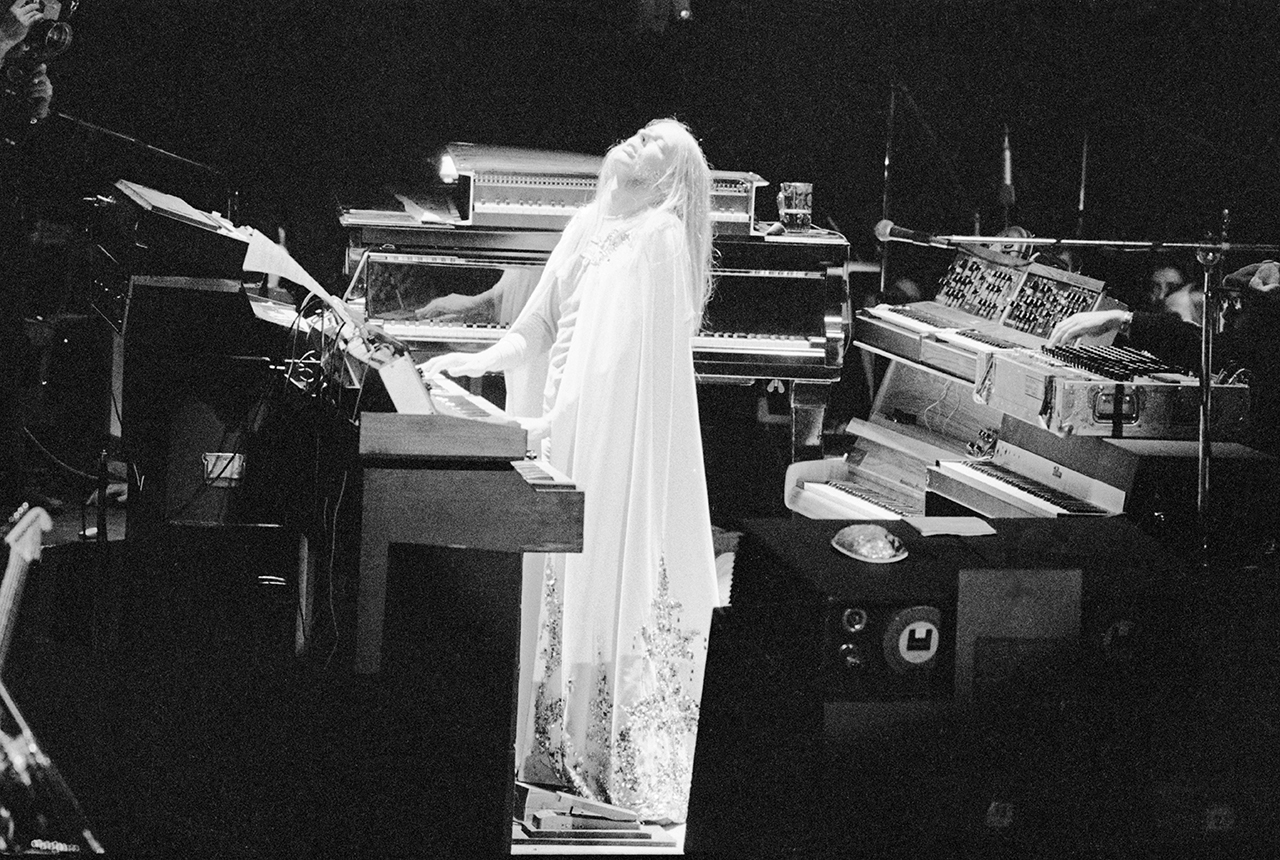
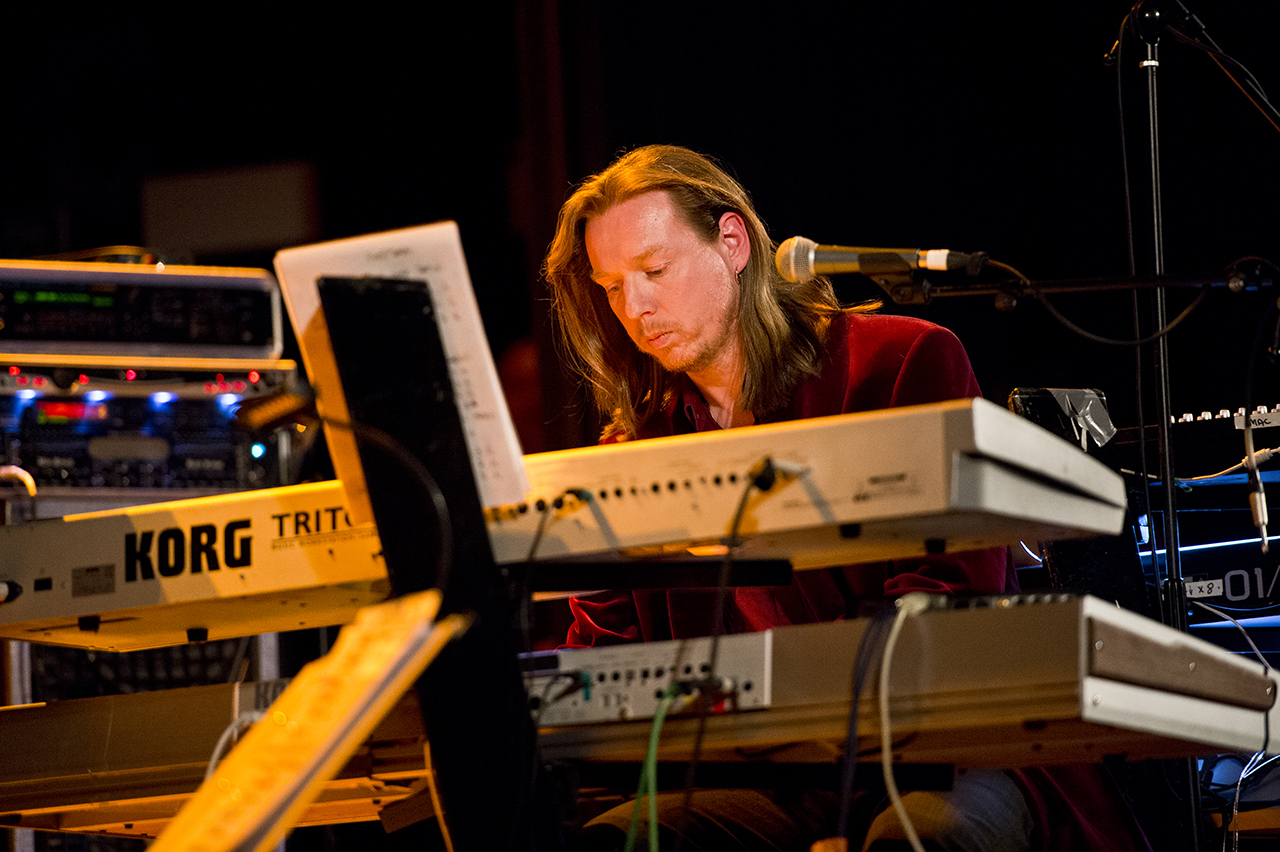
The Wakeman signature style is grounded in classical piano training adapted to complex, multi-keyboard rigs. In the 1970s, Rick Wakeman pioneered the live orchestration of symphonic rock by stacking Hammond B3 organs, Steinway grand pianos, Mellotrons, and Moog synthesizers.
This technical rigor was passed down non-verbally to his sons. Rather than offering formal home lessons, Rick opted to let professional tutors teach classical fundamentals, preserving the parent-child relationship while encouraging independent artistic growth.
Replacing a key member in a band as musically intricate as Yes involves navigating unconventional song structures. The group’s classic compositions rely heavily on non-standard time signatures, rapid counterpoint, and shifting arrangements that were frequently devised on the fly during 1970s jam sessions.
Arrangement Quirks: Key tracks like "Heart Of The Sunrise" feature sudden structural jumps where phrases do not repeat uniformly, forcing incoming keyboardists to memorize asymmetric patterns.
The "Electrician’s Trick": Rick Wakeman compared his playing style in Yes to an electrician who installs non-standard, custom-colored wiring. Subsequent musicians entering the setup often find it difficult to trace the logic of the original cues without direct instruction.
The Realities of Studio and Touring Economics
The transition between generations also highlights a dramatic shift in record industry economics:
The Golden Era (1970s): Extended studio block-bookings lasting several months or years, supported by massive record label advances and grand theatrical tours (e.g., King Arthur on ice at Wembley Arena).
The Professional Era (1990s–Present): Strict budget allocation and scheduling. As Adam Wakeman noted, album creation became tied to rigid parameters—such as a hard six-week tracking window followed by two weeks of mixing—to maintain commercial viability.
Touring Realities: Compensational disparities between legacy acts exist; operating as a touring musician for arena-level heavy metal acts often yields far greater stability than navigating the complex royalty and corporate structures of legacy progressive rock groups.
Official Statements and Inter-Generational Dialogue
The joint discussion at the Grand Order of Water Rats yielded candid, humorous, and deeply insightful exchanges regarding family history, musical heritage, and industry survival.
On Growing Up with a Famous Father
Oliver Wakeman: "Adam and I both essentially grew up in the 80s, when prog rock wasn’t really the flavour of the day. There were an awful lot of times when we would get picked on… But then I got to about 16, and one of these bullies came up to me in the classroom and said, ‘Did your dad play with Bowie? That’s pretty cool.’ And that was the realisation of, ‘Oh, actually it’s a thing.’"
Adam Wakeman: "Our mum and dad separated when I was about three years old and Oli was five, so we had a slightly schizophrenic life. We had a normal upbringing with Mum, and then we would go and visit Dad when he was back in the country, or visit him on tour."
Rick Wakeman: "I didn’t [raise them]. My life was mad, to put it bluntly. Roz, and her second husband, John, they raised them, and to give them credit, they did a fantastic job. But it was wonderful when they came out on tour."
On Advice and Influence
Rick Wakeman: "My dad said, ‘Go and play [everything], and try and learn why some people do.’ There was a pub in Hayes that had a country and western band on a Sunday, so I used to go along and sit in with them… One of the first sessions I got booked on was a country and western session. I remember thinking, ‘Thanks, Dad – it was well worth listening to your advice.’ I still hated it, though."
Oliver Wakeman: "For me, there’s an element of legacy to it, which goes back to Dad’s unbelievable career… There’s sort of a level of quality or expectation around the name. I don’t want to put out stuff that will sully that, or bring it down."
Adam Wakeman: "Once you find something you absolutely love, you don’t mind spending five hours sitting there until you can do it."
+-----------------------------------------------------------------------------------+
|                           FAVORITE ALBUM CONSENSUS                                |
+-----------------------------------------------------------------------------------+
|  Target Album: 'No Earthly Connection' (1976)                                      |
|  - Selected independently by both Oliver and Adam Wakeman.                        |
|  - Cited for its uninhibited avant-garde experimentalism and band dynamics.      |
|  - Characterized by Rick Wakeman as a "mental album" created during an intense    |
|    creative period.                                                               |
+-----------------------------------------------------------------------------------+
On the ‘Yes’ Lineage and Recommendations
Rick Wakeman: "I got a phone call from Chris [Squire], who said, ‘As you’re not going to do it, who would you recommend?’ And I said, ‘Both my boys could do it. Adam is tied in with Ozzy Osbourne… But Oliver can do it, and he’s worked with Steve.’ … I told Oliver, ‘Just keep out of the politics, because that’s the nasty side of Yes. Keep out of that and enjoy it while it lasts.’"
Oliver Wakeman: "It wasn’t so much the parts with Yes as the arrangements. There are these moments in a song like Heart Of The Sunrise where it jumps… ‘Oh shit, which bit am I in now?’ They’re the bits where you panic."
Future Outlook: A Dynasty’s Unfulfilled Grand Concert
While Oliver and Adam Wakeman continue to pursue independent projects—including Oliver’s solo acoustic/progressive works and Adam’s dual role in Wilson & Wakeman alongside singer Damian Wilson—the question remains whether all three Wakemans will ever unite for a major studio or stage project.
Logistics vs. Artistic Vision
The primary barrier to a full three-keyboard album or joint tour boils down to schedule coordination and financial backing. As Adam noted, creating a collaborative work of suitable quality without compromising individual standards would require a significant block of shared studio time—a rarity given their individual touring schedules.
Despite the practical obstacles, the emotional appeal of a joint appearance remains strong. Reflecting on the proposition after the interview, Rick Wakeman shared a personal vision for a potential final production:
"I’m close to 80 years old and who knows how much longer I’ve got being able to play and create? For me it would have to be a one-off, a big event with a big band, possibly some orchestra and choir and various guest singers. Featuring music in an equal amount from all three of us, and the last half hour or so incorporating all three of us playing together. It’s not likely to happen, sadly—but a dad can dream."
Whether this grand symphonic event comes to fruition or remains an unrealized concept, the Wakeman dynasty’s place in music history is secure. Through technical expertise, artistic independence, and a shared musical language, Rick, Oliver, and Adam Wakeman continue to demonstrate that their family legacy is not merely a artifact of rock history, but a living, evolving force in modern music.