Executive Overview
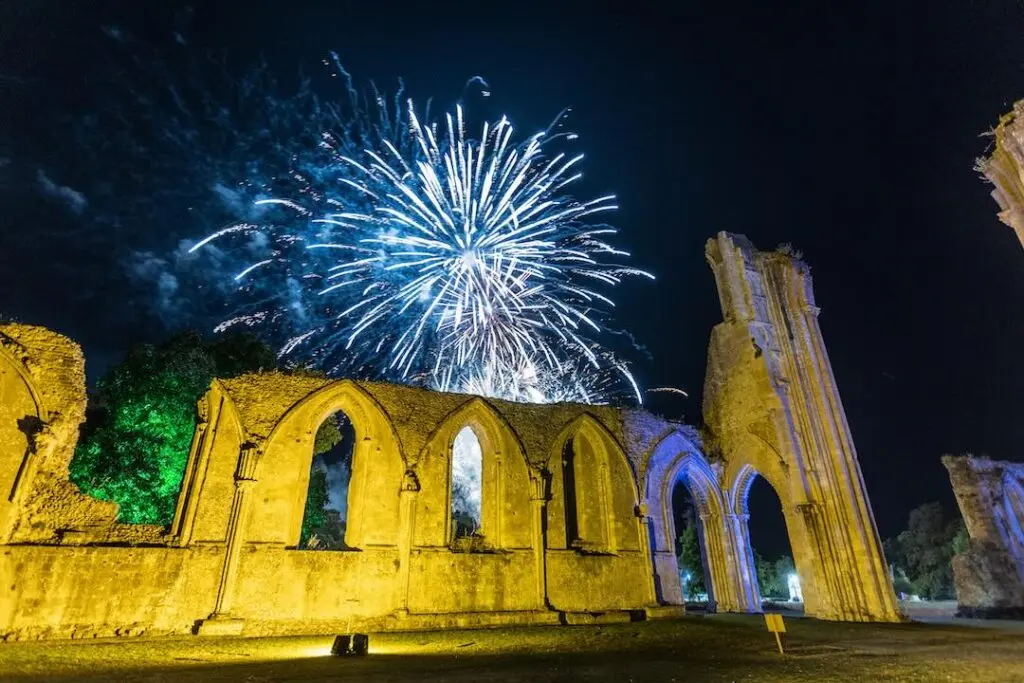
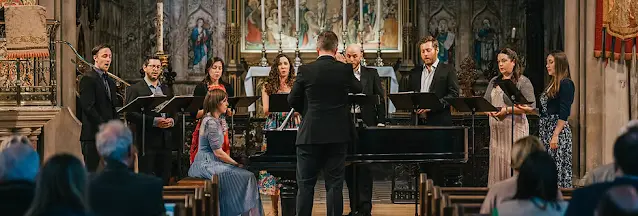
In the landscape of contemporary British classical music, few chamber ensembles have cultivated a distinct artistic identity quite as rapidly as the Jervaulx Singers. Taking their name from the evocative, atmospheric ruins of the great Cistercian abbey nestled in the heart of North Yorkshire, this elite eight-voiced professional ensemble has steadily carved out a reputation for refined musicianship, daring programming, and an acute sensitivity to acoustic space. Founded in 2021 by conductor Charlie Gower-Smith and singer Jenny Bianco, the ensemble was conceived as a vehicle for flexible, highly polished ensemble singing capable of navigating both the intimate corners of secular chamber repertoire and the grand, soaring demands of sacred polyphony.
As the ensemble looks toward its ambitious 2026/27 season, the Jervaulx Singers are expanding their geographical footprint and deepening their artistic parameters. With a slate of high-profile performances scheduled across historic and modern venues in York, Leeds, Bristol, Ripon, and the prestigious Haslemere Festival, the group is entering a defining chapter of its evolution.
The upcoming season is characterized by a thoughtful juxtaposition of profound historical trauma and exquisite lyrical intimacy. Opening at the historic Unitarian Chapel in York, the season anchors itself around Sir Charles Hubert Hastings Parry’s haunting Songs of Farewell—a masterpiece born out of the devastation of the First World War. This weight of memory and mourning is cleverly balanced against the crystalline textures of Judith Weir’s Love bade me welcome and the wry, theatrical charm of Jonathan Dove’s Five Am’rous Sighs.
Beyond the live concert stage, the ensemble’s growing discography—marked by critical acclaim on the Convivium Records label—serves as a crucial pillar of their artistic statement. From their debut album, Les Chansons des Roses, to the widely celebrated Christmas release In the stillness (which earned a coveted spot on Gramophone magazine’s 2025 Christmas List), the Jervaulx Singers have demonstrated a rare knack for capturing ethereal beauty on record. As they prepare to bring these recorded works into new live performance contexts—ranging from state-of-the-art modern auditoriums like The Cryer at The Grammar School at Leeds to soaring, candlelit cathedrals—the ensemble stands as a compelling testament to the vitality of the British a cappella tradition.
Detailed Chronology: Tracing the Evolution of the 2026/27 Season
The unfolding of the Jervaulx Singers’ 2026/27 season reads like a carefully curated masterclass in vocal programming. Each concert has been designed not merely as a standalone event, but as a chapter in a broader narrative exploring human grief, romantic intimacy, French liturgical grandeur, and the quiet comfort of seasonal stillness.
Autumn 2026: The Opening Salvo in York
The season commences at the atmospheric Unitarian Chapel in York, a venue renowned for its warm, intimate acoustics that reward the microscopic tuning and transparent textures of an eight-voice chamber group. The focal point of this opening programme is Parry’s Songs of Farewell. Written between 1915 and 1918, as the composer watched a generation of his students and friends perish on the battlefields of Europe, these motets represent the summation of Parry’s secular choral output. They are works of profound resignation, spiritual seeking, and transcendent beauty.
To prevent the programme from sinking entirely into the shadows of wartime remembrance, Gower-Smith and Bianco have thoughtfully paired Parry’s elegiac lines with contemporary works that explore the intricacies of human connection. Judith Weir’s Love bade me welcome introduces a serene, meditative spirituality, setting George Herbert’s text with a characteristic simplicity that conceals deep emotional undercurrents. Meanwhile, Jonathan Dove’s Five Am’rous Sighs injects secular wit, theatrical flair, and rhythmic vitality into the evening, showcasing the stylistic versatility required of modern professional consort singers.
Winter 2026: Candlelit Carols and Recorded Legacies
As the darker winter months settle over Northern England, the ensemble turns its attention to the repertoire that cemented its status on Gramophone’s radar: their sophomore album, In the stillness. Recognized as one of the standout recordings of the 2025 holiday season, In the stillness captures the quiet, introspective magic of winter and Christtide.
The Jervaulx Singers will bring this recorded material to life through a pair of immersive, candlelit carol concerts in Leeds and Ripon. These performances are meticulously designed to strip away the commercial bombast often associated with the festive season, replacing it with pristine vocal blend, shimmering suspensions, and a deep reverence for the acoustic properties of historic sacred spaces.
Spring 2027: Modern Venues and Masterworks
In the spring, the ensemble ventures into exciting new territory by headlining at The Cryer, a state-of-the-art performing arts venue located at The Grammar School at Leeds. Named in honor of the late Barry Cryer—one of Britain’s most beloved comedy legends and an esteemed alumnus of the school—The Cryer provides a striking modern contrast to the medieval and Victorian settings the group frequently inhabits.

Here, the singers will pivot back toward the repertoire of their debut Convivium release, Les Chansons des Roses. Centred around Morten Lauridsen’s transcendent cycle of the same name (setting poems by Rainer Maria Rilke), the programme also features Jonathan Dove’s breathless, virtuosic The Passing of the Year, alongside luminous choral miniatures by Ola Gjeilo, Francis Poulenc, and Leonard Bernstein. This concert promises to highlight the sheer agility and dynamic range of the eight voices, demonstrating how modern choral writing can effortlessly marry lush Romantic harmony with rhythmic propulsion.
Summer 2027: Monumental Collaboration in Bristol
The zenith of the 2026/27 calendar arrives in the summer, when the Jervaulx Singers undertake a major geographical and stylistic leap. Travelling south to the magnificent Gothic masterpiece of St Mary’s Redcliffe in Bristol—hailed by Queen Elizabeth I as "the fairest, goodliest, and most famous parish church in England"—the ensemble will join forces with the Lucis Choir, led by conductor Francis Faux.
This massed-forces collaboration is dedicated to an evening of monumental French liturgical music, anchored by Louis Vierne’s colossal Messe Solennelle, Op. 36. Written in 1899, Vierne’s mass represents the apex of the French Romantic organ and choral tradition. Originally conceived for a massive double-choir configuration and two independent pipe organs, the work was premiered in the reverberant expanses of Saint-Sulpice in Paris, where Vierne’s legendary teacher, Charles-Marie Widor, presided over the grand organ.
Recognizing the immense logistical hurdles of the original two-organ scoring, Vierne later recast the work for choir and a single organ, ensuring its survival in the standard choral repertoire. The pairing of the Jervaulx Singers and the Lucis Choir inside the cavernous acoustic of St Mary’s Redcliffe—with its soaring vaulted ceilings and rich resonance—promises to deliver a sensory experience of staggering proportions, bridging the gap between intimate chamber singing and cathedrals of sound.
Supporting Context, Metrics, and Artistic Philosophy
To fully appreciate the trajectory of the Jervaulx Singers, one must examine the structural realities of operating a professional vocal ensemble in the 21st century. Chamber choirs of this caliber—typically functioning as unconducted or minimally conducted consorts of eight to twelve singers—demand an extraordinary level of individual musicianship, breath control, and stylistic adaptability.
The Mathematics of the Eight-Voice Consort
An eight-voice ensemble (typically configured as SSATBarB or SSAATTBB) occupies a unique sweet spot in classical music. It is large enough to execute complex, multi-part polyphony—such as the eight-part textures of Parry or the shimmering chordal clusters of Lauridsen—yet small enough to retain the transparency and agility of a solo vocal consort.
In an eight-voice texture, there is no place to hide. Every singer functions simultaneously as a soloist and a section player. Intonation must be microscopic; vibrato must be carefully calibrated to ensure that vertical chords lock into place without turbulent beating; and textual clarity must remain paramount, allowing complex poetry (whether Rilke, George Herbert, or First World War verse) to pierce through the musical fabric.
Discography as a Visiting Card
The ensemble’s recording strategy has played a pivotal role in establishing their national profile. Their debut album, Les Chansons des Roses (Convivium Records), established their aesthetic credentials: a preference for luminous 20th- and 21st-century repertoire that explores texture, color, and emotional resonance.
The subsequent success of In the stillness, which earned a coveted spot on Gramophone magazine’s 2025 Christmas List, marked a critical turning point. In an overcrowded classical recording market, breaking through the holiday noise requires a distinct sonic signature. The Jervaulx Singers achieved this by emphasizing restraint over volume, treating Christmas music not as a vehicle for populist display, but as an exercise in meditative quietude. This critical validation has allowed them to command attention from major presenters across the UK, securing dates at prestigious festivals like the Haslemere Festival alongside their self-promoted regional tours.
Official Statements and Artistic Vision
The creative pulse of the ensemble is driven by the dynamic partnership between co-founders Charlie Gower-Smith and Jenny Bianco. Their shared vision rejects the dusty, museum-piece approach to choral music, opting instead for living, breathing programmes that connect historic masterworks with contemporary statements.

Reflecting on the curation of the 2026/27 season, Charlie Gower-Smith shared his deep personal and artistic enthusiasm for the upcoming repertoire:
"There are so many gems in our 2026–27 season. I’ve adored the musical language of Parry’s Songs of Farewell ever since singing them as a student. We have paired these with Jonathan Dove’s Five Am’rous Sighs, which I found so charming in their intimacy and honesty."
Gower-Smith’s comments shed light on the ensemble’s curatorial philosophy: a desire to bridge generational divides. By placing Parry—a towering figure of late-Victorian and Edwardian academic music—alongside Dove—one of Britain’s most prolific and accessible contemporary opera and choral composers—the Jervaulx Singers demonstrate how historical grief and contemporary wit can converse across a century of musical evolution.
Furthermore, co-founder Jenny Bianco has continually emphasized the importance of acoustic architecture in shaping the group’s sound. Whether performing in the intimate, domestic scale of a York chapel, the sleek modern lines of a school performing arts centre, or the Gothic majesty of a West Country parish church, the singers train their ears to treat the building itself as an active participant in the performance. This acoustic flexibility is what allows an eight-voice ensemble to sound feather-light one moment and cathedral-filling the next.
Future Outlook: The Horizon for British Chamber Music
As the Jervaulx Singers look past the 2026/27 season, their trajectory points toward sustained artistic growth and an expanding national footprint. In an era where arts funding faces perpetual pressure and classical music organizations are frequently forced to retrench, the success of artist-led ensembles like Jervaulx offers a beacon of hope.
Their model—built on lean, highly skilled professional personnel, intelligent digital and physical recording strategies, and imaginative programming that respects both heritage and innovation—proves that classical vocal music remains deeply relevant to modern audiences. By engaging with spaces that tell stories (from the ruined stone walls of their Yorkshire namesake to the modern educational legacy of Barry Cryer at The Cryer in Leeds), the ensemble anchors its music in a tangible sense of place.
For concertgoers across York, Leeds, Bristol, Ripon, and Haslemere, the 2026/27 season offers an invitation to experience vocal chamber music at its absolute zenith. Whether immersed in the shattering beauty of Parry’s wartime farewells, wrapped in the candlelit quiet of winter carols, or swept away by the French Romantic thunder of Vierne in the vast expanse of St Mary’s Redcliffe, audiences will bear witness to an ensemble that has firmly transitioned from a promising pandemic-era startup into one of the most compelling vocal consorts in the United Kingdom.
Full details, ticket bookings, and release links for the Jervaulx Singers’ 2026/27 season can be explored via their official website at www.jervaulxsingers.com/concerts.