Executive Overview
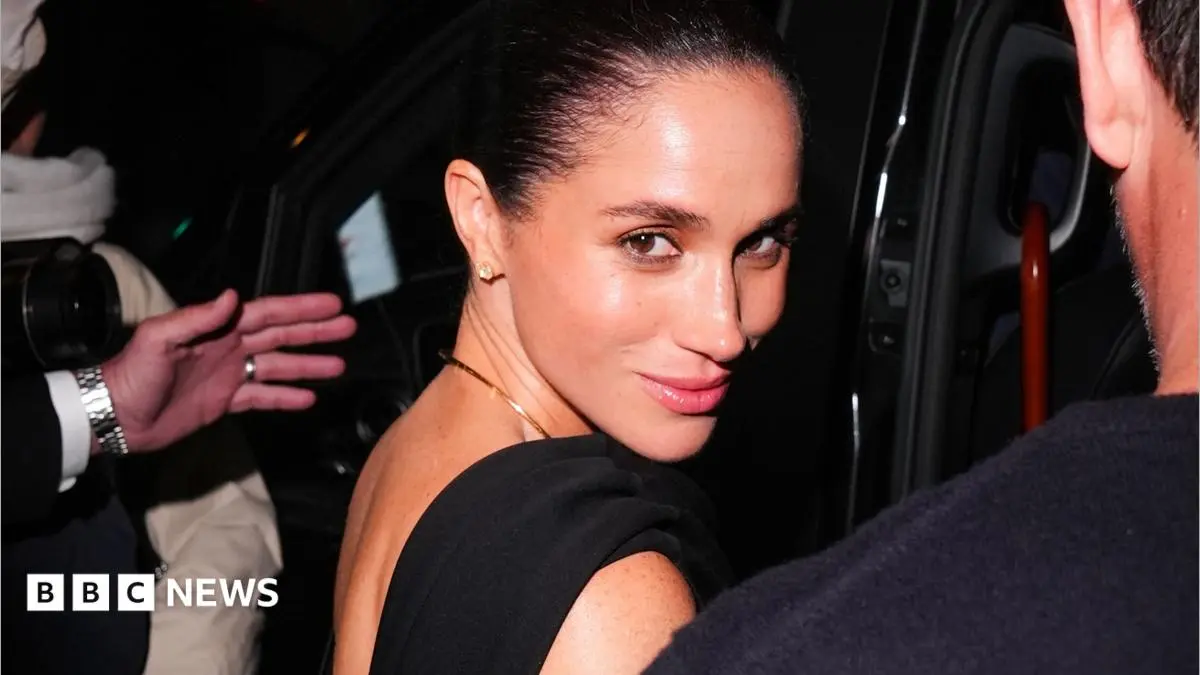
In a dramatic pivot that has sent shockwaves through both British media circles and the global entertainment landscape, Prince Harry and Meghan, the Duke and Duchess of Sussex, are orchestrating a permanent return to the United Kingdom. After years of living in self-imposed exile in Montecito, California—following their high-profile step back from frontline royal duties in 2020—the couple has elected to relocate their family across the Atlantic.
This unexpected homecoming, scheduled ahead of the upcoming academic term in September, sees the couple moving into a private, non-royal residence situated just outside London. Their children, seven-year-old Prince Archie and five-year-old Princess Lilibet, are already formally enrolled to begin schooling in the UK this autumn.
Yet, while familial reconciliation—specifically a watershed reunion with King Charles III at Highgrove in July—has played a crucial emotional role in the transition, investigative reporting points to a powerful professional catalyst: a lucrative, top-secret acting opportunity in a major British production that has lured the Duchess back to her artistic roots.
This comprehensive report examines the multifaceted drivers behind the relocation, analyzing the meticulous timeline of events, the financial and branding implications of Meghan’s return to the screen, the complex diplomatic and security dilemmas facing the British government, and the broader legal and royal ramifications of the Sussexes’ reintegration into British society.
Detailed Chronology: From California Exile to the Highgrove Reconciliation
To understand the suddenness of the Sussexes’ relocation, one must trace the timeline of quiet diplomacy and dramatic developments that culminated in the announcement.
The California Years and the Quiet Drift
Since relocating to North America in early 2020, Prince Harry and Meghan established a distinct life distinct from the constraints of the British monarchy. Operating out of California, the couple launched Archewell Productions, secured multi-million-dollar content deals with streaming giants, and cultivated lifestyle brands. However, the physical distance from the United Kingdom also created an unprecedented chasm between the Sussex family and the senior members of the House of Windsor. Prince Archie and Princess Lilibet grew up largely detached from their British heritage, with King Charles having had virtually no in-person contact with his youngest grandchildren for more than four years.
The July Watershed: The Highgrove Visit
The ice began to thaw in July, when Prince Harry, Meghan, and their children undertook a highly confidential, low-profile visit to the UK. The primary objective was a private summit with King Charles III at his Highgrove estate in Gloucestershire.
According to royal insiders, the encounter was profoundly emotional. It marked the first time the reigning monarch had seen his grandchildren in person since they were toddlers, and the first time the Duke and Duchess had visited the UK together since 2012—barring isolated, brief appearances for state funerals and jubilation events.
Sources close to the monarchy indicate that while the King was completely unaware of the impending permanent relocation plans prior to last weekend, the Highgrove summit laid the groundwork for renewed familial ties. Buckingham Palace has signaled that the King warmly welcomes the opportunity to see more of his grandchildren in a private, personal capacity, signaling a willingness to separate personal familial affection from formal institutional structures.
The Rapid Mobilization
Following the July visit, the pace of change accelerated dramatically. Within a matter of weeks, the Sussexes made the definitive decision to cross the Atlantic once more. Unlike their departure in 2020—which was marred by public friction and institutional fatigue—this return has been orchestrated with swift, military-like precision. Schools were vetted and finalized, logistical arrangements for a private residence outside London were secured, and public announcements were prepared, catching royal commentators and government officials entirely off guard.
Supporting Context & Metrics: Meghan’s Return to Acting and Global Branding
While the emotional pull of family played a vital role, senior entertainment reporter Bronte Coy of news.com.au—who broke the exclusive story—revealed that a professional opportunity served as a "significant" catalyst for the move.
The "Top Secret" British Production
Speaking on BBC Radio 4’s Today programme, Coy highlighted that Meghan’s casting in a high-profile, top-secret UK production was a critical missing puzzle piece.
"This is such a key part of the puzzle," Coy told the BBC. "I think when we all heard that news that Harry and Meghan were moving here, and within a matter of days, and the kids were enrolled in school, everyone was asking, what is Meghan going to be doing? I’m told it’s significant, and she’s very excited about it."
Industry insiders suggest that an announcement regarding the project will surface relatively soon. The role marks a monumental pivot for the Duchess, who stepped away from her flourishing acting career upon her marriage to Prince Harry in 2018.
At the time of her departure from the legal drama Suits—in which she portrayed ambitious attorney Rachel Zane for seven acclaimed seasons—Meghan told the BBC that she did not view quitting acting as giving anything up, but rather as transitioning into "a new chapter."
Cinematic Cameos and Commercial Expansions
That chapter is now evolving. Meghan recently dipped her toes back into the cinematic waters with a cameo appearance as herself in the upcoming comedy Close Personal Friends, which boasts a star-studded cast including Lily Collins and Brie Larson. This brief return has whetted public appetite and demonstrated her enduring marketability.
Furthermore, a full-time base in the United Kingdom offers strategic advantages for her commercial enterprises. The BBC understands that while managing her career renaissance on British soundstages, the Duchess also intends to expand the global footprint of her US-based lifestyle, culinary, and wellness brand, As Ever. Operating from a European time zone allows for smoother oversight of international supply chains, media partnerships, and brand expansion into the lucrative UK and Commonwealth markets.
Official Statements and Institutional Repercussions
The announcement of the Sussexes’ return has unleashed a torrent of debate regarding their status within the British ecosystem, particularly concerning their official standing and the controversial issue of state-funded protection.
Working Royal Status Remains Unchanged
Despite their physical return to British soil, Buckingham Palace and sources close to the Sussexes have been unequivocal on one point: there are no current plans for either Prince Harry or Meghan to resume their roles as working members of the Royal Family.
They will operate as private citizens, albeit ones possessing global celebrity status and intense media scrutiny. This distinction is vital, as it delineates their private lives from state responsibilities, ensuring they will not undertake official patronages, ribbon-cuttings, or representation of the Crown on international tours.
The Security Dilemma: Who Pays for Protection?
Perhaps the most contentious debate sparked by the relocation centers on security. When the Duke and Duchess stepped down as working royals in 2020 and relocated to North America, their taxpayer-funded UK Metropolitan Police protection was downgraded. In the United States, they have privately funded their own comprehensive security details.
Now that they are establishing a permanent primary residence in Britain, questions are mounting over whether they will petition for—or receive—publicly funded security once more.
Ailsa Anderson, press secretary to the late Queen Elizabeth II, expressed deep skepticism regarding any reinstatement of official protection. Appearing on BBC Breakfast, Anderson characterized the Sussexes’ return as "totally unexpected and fairly astonishing," before addressing the financial realities of protection details:
"It’s a very costly business and they are not working members of the Royal Family. I don’t think there will be any plans to give them official security."
Conversely, Dai Davies, a former head of royal protection and divisional commander in the Metropolitan Police, offered a more nuanced, operational perspective. Davies told the BBC’s Today programme that the architecture governing protective security is "carefully measured" and subject to rigorous threat assessments.
Davies suspects that an official review into the Sussexes’ security arrangements will inevitably take place given that Prince Harry plans to remain in the UK with his family. However, he echoed concerns over the prohibitive costs involved:
"Official security is enormously expensive, especially if you’re moving into a premises which is not security prepared."
Securing a private, non-royal estate outside London to the rigorous standards required for high-profile royals requires millions of pounds in infrastructure hardening, surveillance integration, and round-the-clock personnel—costs that will likely trigger intense parliamentary and public scrutiny over who ultimately foots the bill.
Future Outlook: Legal Battles, Media Scrutiny, and the Road Ahead
As the Duke and Duchess prepare for their autumn transition, they also face lingering legal and administrative challenges that underscore the complex realities of their reentry into British public life.
The Legal Landscape and Associated Newspapers
Coinciding with the logistical news of their relocation, Prince Harry faces immediate financial reckonings on the legal front. On Friday, the Duke is expected to learn the financial penalties he and other high-profile litigants must pay to the publisher of the Daily Mail following a failed high-court legal battle.
Prince Harry, alongside a formidable coalition of public figures—including music legend Sir Elton John, campaigner Baroness Doreen Lawrence, and actress Elizabeth Hurley—sued Associated Newspapers Limited (ANL) over widespread allegations of unlawful information gathering. However, last month, a judge dismissed all claims brought by the group, leaving the litigants exposed to substantial legal costs. The resolution of this case will serve as a stark reminder of the adversarial relationship the Duke continues to maintain with segments of the British tabloid press—an ongoing friction point that will undoubtedly complicate their re-entry into the UK media fishbowl.
Looking Toward September
As summer transitions into autumn, all eyes will turn to the Home Counties estate where the Sussex family will lay down roots. The enrollment of Prince Archie and Princess Lilibet in British schools signals a long-term commitment that transcends a mere trial period.
For King Charles, the move offers a long-awaited chance at grandfatherly engagement, bridging a generational divide that has ached for years. For Prince Harry and Meghan, it represents a calculated gamble: balancing the rewards of a resurgent British acting career and expanded commercial branding against the relentless glare of the British media and the labyrinthine politics of royal security.
Ultimately, the Sussex resettlement marks the beginning of a fascinating new chapter in modern royal history—one where the boundaries between public institution and private family life are continuously negotiated, tested, and redefined.