Executive Overview
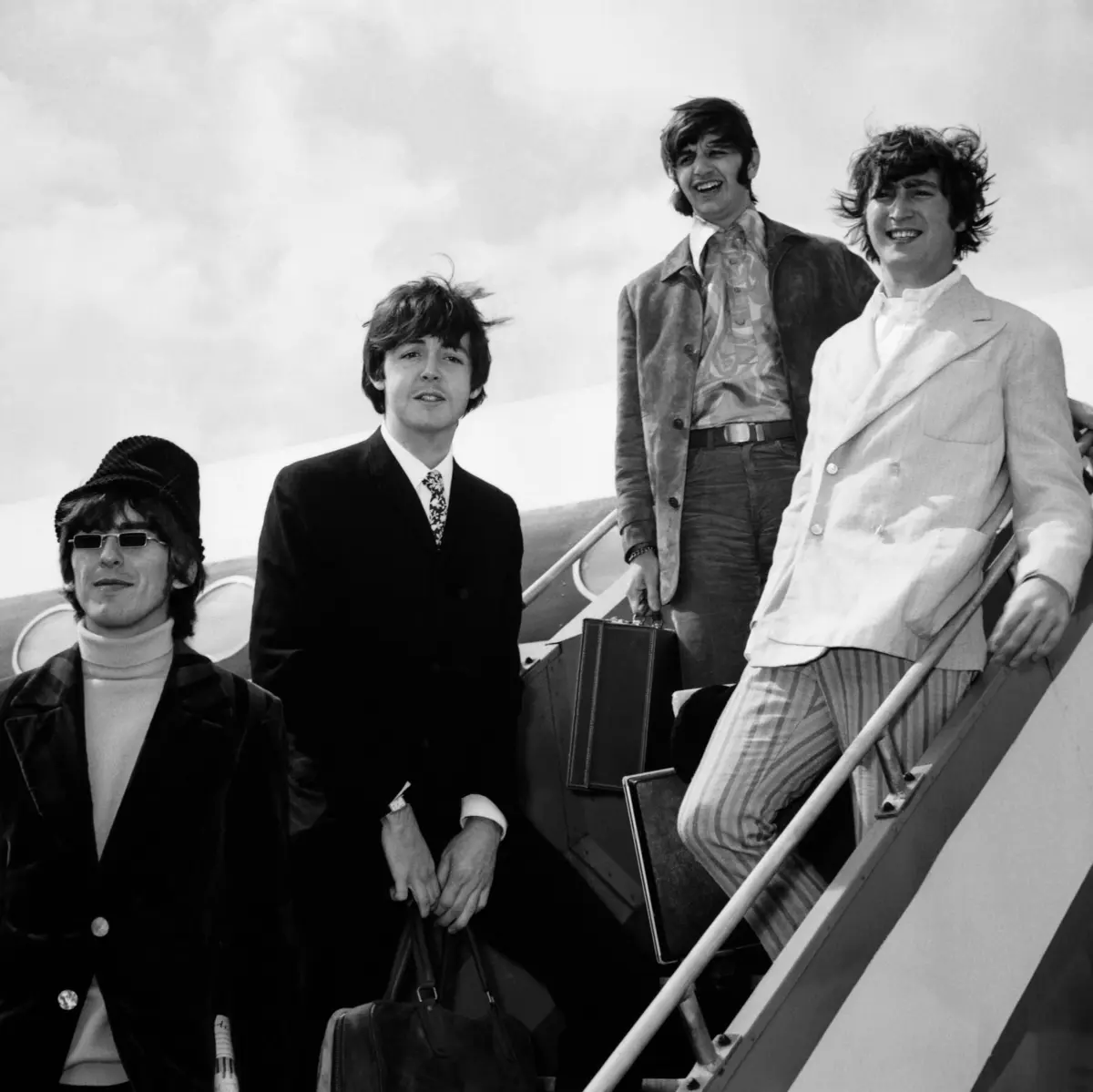
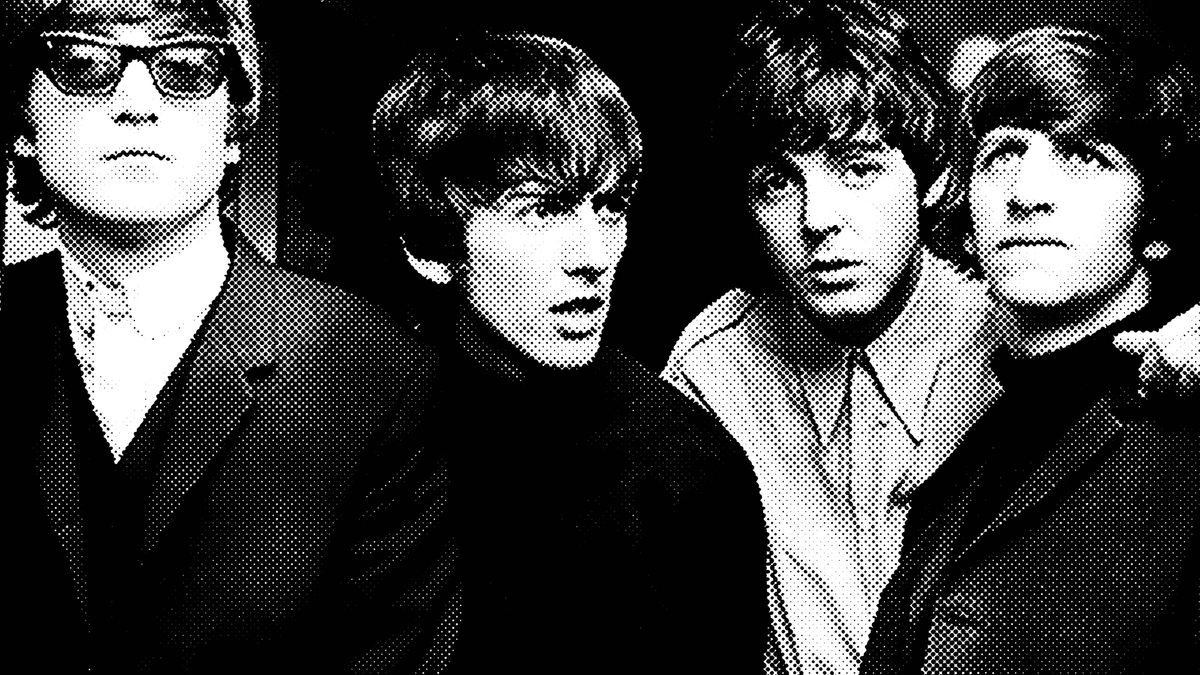
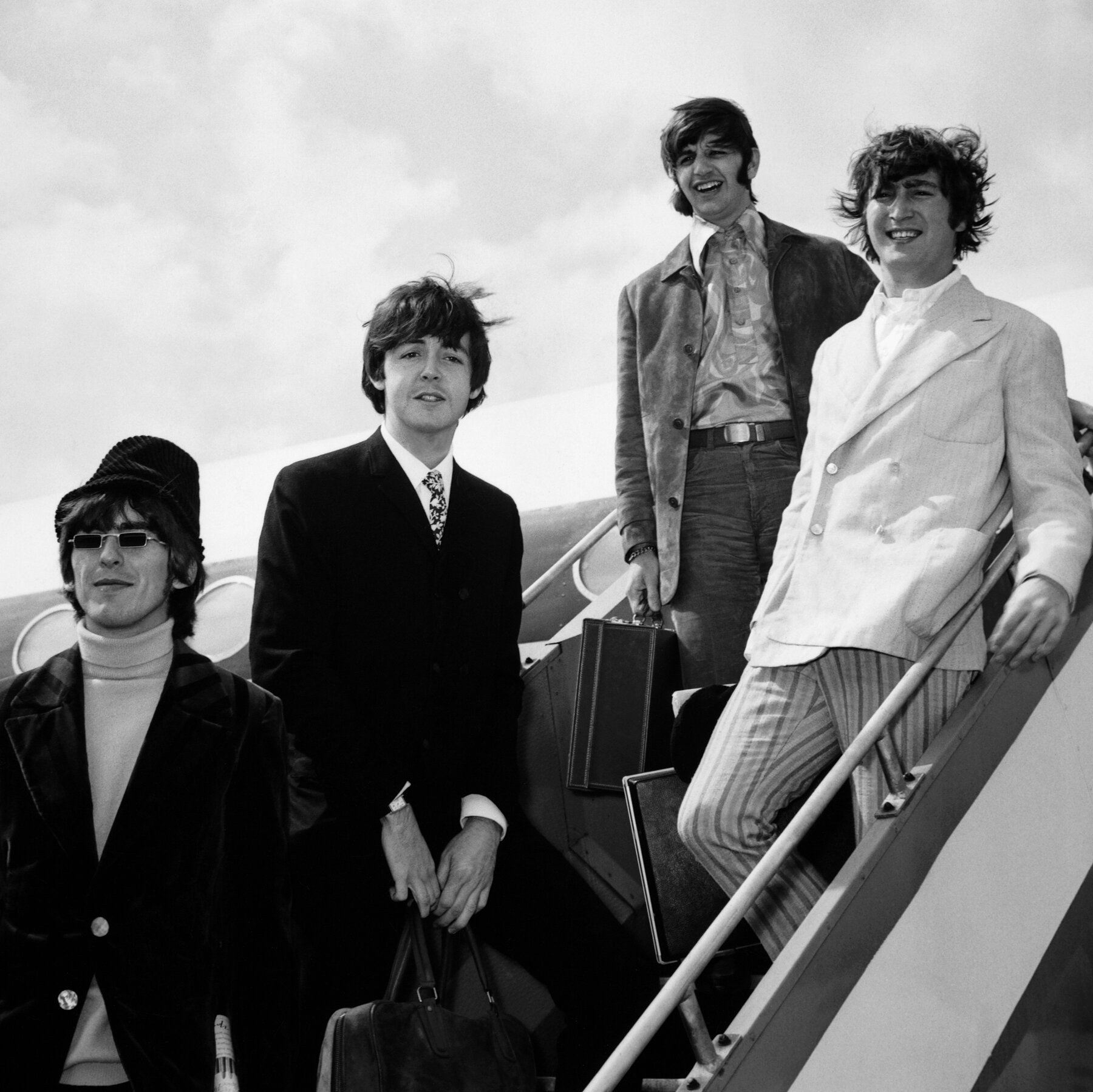
Few cultural artifacts loom as large over the twentieth century as the recorded output of The Beatles. Comprising John Lennon, Paul McCartney, George Harrison, and Ringo Starr, the band did not merely participate in the evolution of popular music; they actively authored its modern grammar. From the raw, amp-rattling energy of their early Hamburg and Cavern Club days to the baroque, studio-bound psychedelia of their twilight years, the group compressed an entire musical epoch into a shockingly brief active lifespan of less than a decade.
To evaluate their catalogue is to measure the shifting tectonic plates of modern art. Every generation inherits these records anew, treating them as foundational texts. In the following authoritative retrospective, Rough Trade Used Vinyl Assistant and resident Beatlemaniac Huw Thomas takes on the seemingly impossible task of ranking the top ten studio albums of the Fab Four. Blending rigorous musicological insight with unbridled fandom, this ranking re-examines the canon—from Merseybeat pop to avant-garde soundscapes—proving that sixty years on, the debate surrounding The Beatles remains as fierce, vital, and radioactive as ever.
(Note to Sir Paul McCartney: Should you be reading this and take issue with any placement herein, the doors of the Rough Trade warehouse are always open. As you once wrote, we can work it out.)
Detailed Chronology: Ranking The Top Ten Beatles Albums
10. With the Beatles (1963)
The Beatles’ second long-player is an exercise in sheer, unadulterated momentum. Released at a time when the band had already seized complete cultural dominion over Great Britain, With the Beatles functions as a brilliant hybrid of electrifying original compositions and masterclass R&B covers.
The group never played American rhythm and blues with more conviction than they did here. Witness the Smokey Robinson-inspired grace of "All I’ve Got to Do" or the pure, throat-shredding vocal attack of "Money (That’s What I Want)," which stands as a strong contender for John Lennon’s greatest-ever vocal performance. The record also established an unprecedented intimacy with the listener: they called you up ("All I’ve Got to Do"), sent you letters ("All My Loving," "Please Mr. Postman"), and occasionally told you to keep your distance ("Don’t Bother Me").
Why rank it tenth? Something has to occupy the base of the pyramid. Material-wise, it feels a fraction weaker than their debut. A slight middle-album sag, exemplified by Lennon and McCartney originals like "Little Child" and "I Wanna Be Your Man," reveals a temporary dip in songwriting inspiration before the truly stratospheric leaps that were just around the corner.
- Key Track: "Not a Second Time"
9. Let It Be (1970)
Let It Be commits the ultimate artistic sin for a Beatles record: it fails to completely transcend reality. Conceived as the soundtrack to Michael Lindsay-Hogg’s fly-on-the-wall documentary film, the album sounds precisely like what it is—a collection of audio snapshots capturing a fractious, exhausted band navigating an uncharacteristically aimless month in early 1969.
That said, to dismiss Let It Be is to miss moments of sublime beauty. Songs like "Across the Universe," "Two of Us," and George Harrison’s poignant "I Me Mine" showcase their enduring compositional grace. The sessions are dynamically supercharged by the inclusion of keyboardist Billy Preston, whose soulful Rhodes and organ work injects vital warmth. Yet, it remains the studio LP that falls furthest from their notoriously high standards. With only one "new" Lennon-led track anchoring the original sequence (as "Don’t Let Me Down" was famously relegated to a non-album B-side until later reissues), the material frequently feels in need of one final, rigorous polish. For better or worse, Richard Hewson’s controversial 1970 orchestral overdubs give the record a sweeping, cinematic sheen—turning it into a convincing piece of work, if not always an authentic-sounding Beatles album.
- Key Track: "Two of Us"
8. Help! (1965)
Much like the madcap Richard Lester film it accompanied, Help! finds The Beatles at their most heightened, technicolor, and cartoonish. Their preceding release, Beatles for Sale, had paired an uncharacteristically predictable suite of cover versions with glum, acoustic folk-tinged originals. Help!, by contrast, saw the lads loosen their neckties and embrace sonic expansion.
This album marked a crucial turning point: George Harrison was suddenly granted two songwriting slots (a massive leap in generosity), the arrangements were stuffed with organs and keyboards, guitar pedals made their debut, and Paul McCartney delivered "Yesterday," a solo performance backed entirely by a string quartet. While some of the raw Merseybeat vitality was inevitably smoothed away in the process, it is impossible to argue with the sheer melodic firepower of tracks like "I Need You," "You’ve Got to Hide Your Love Away," "I’ve Just Seen a Face," and John’s intensely defensive, brilliant "It’s Only Love." The sole blemish is a perfunctory, exhausting cover of Larry Williams’s "Dizzy Miss Lizzy," which completely disrupts the pacing as the album’s closer.
- Key Track: "I’ve Just Seen a Face"
7. Please Please Me (1963)
"Sexual intercourse began in nineteen sixty-three… between the end of the Chatterley ban and The Beatles’ first LP." — Philip Larkin
The late poet laureate may well have been onto something. While music critics often tire of attributing Year Zero status to everything The Beatles touched—ignoring the vibrant landscape of pre-Beatles British pop—dropping the stylus onto Please Please Me still feels like a jolt to the system.

Recorded almost entirely in a single marathon 12-hour session at EMI Studio 2, the album essentially served as the band’s own red-brick Brill Building. John, Paul, George, and Ringo captured the sweat, polish, and dynamic velocity of their live stage act. The stylistic variety, compositional ambition, and astonishingly consistent quality were completely unprecedented for a British pop debut. It remains a timeless document of raw, hungry genius. All together now—one, two, three, FAW!
- Key Track: "There’s a Place"
6. A Hard Day’s Night (1964)
In 1964, on both vinyl and celluloid, The Beatles were an absolute, unyielding force of nature. They were the musical Daleks: resistance was futile. A Hard Day’s Night stands as their most impressive pop onslaught from the height of full-blown Beatlemania, boasting a tracklist composed 100% of Lennon-McCartney originals.
Every single cut is a winner. Subtle detours into Latin rhythms ("And I Love Her") and country-and-western jangle ("I’ll Cry Instead") pointed directly toward the genre-defying experiments of their later career. Though A Hard Day’s Night may not be their absolute greatest album, it has a strong claim to being their most perfect. Modern listeners frequently undervalue the early records, but to overlook this masterclass is a grave error.

- Key Track: "And I Love Her"
5. Rubber Soul (1965)
Rubber Soul represents the moment The Beatles stepped off the screaming arena stage and locked themselves inside the recording studio to craft an artistic statement. Imbued with deep Motown rhythmic grooves ("Drive My Car," "You Won’t See Me"), overt nods to Bob Dylan’s lyrical introspection ("Norwegian Wood"), and proto-hippie countercultural messaging ("Think for Yourself," "The Word"), this is one of their most focused, cohesive long-players.
The concentration of canonical classics here is staggering. Had the band miraculously decided to call it a day in 1966, Rubber Soul would be universally remembered for what it truly is: the grand architectural kick-off for the psychedelic revolution on both sides of the Atlantic.
- Key Track: "Girl"
4. Abbey Road (1969)
There is a telling moment in The Beatles Anthology documentary where producer George Martin recalls telling Paul McCartney he would agree to produce Abbey Road "only if you let me produce it the way we used to." Shaped by the competing ambitions of McCartney and Martin, this final recorded suite plays out as a magnificent, glossy precursor to the blockbuster stadium-rock albums of the 1970s.

It functions as their unofficial Sgt. Pepper sequel, anchored by a legendary, sweeping side-two song-cycle. Disparate, half-finished ideas—two instant-classic contributions from George Harrison, a nautical country canter from Ringo Starr, an eight-minute proto-doom-metal stomper from Lennon, and a bizarre McCartney ditty about a hammer-wielding student—mysteriously mesh together into a seamless tapestry. Even the sleazy, tall Scouse tale of "Polythene Pam" feels entirely at home in this grand design. Released while the deeply troubled Let It Be languished in post-production limbo, Abbey Road was an audacious, triumphant curtain call. They truly went out with a blinding flash of pyrotechnics.
- Key Track: "I Want You (She’s So Heavy)"
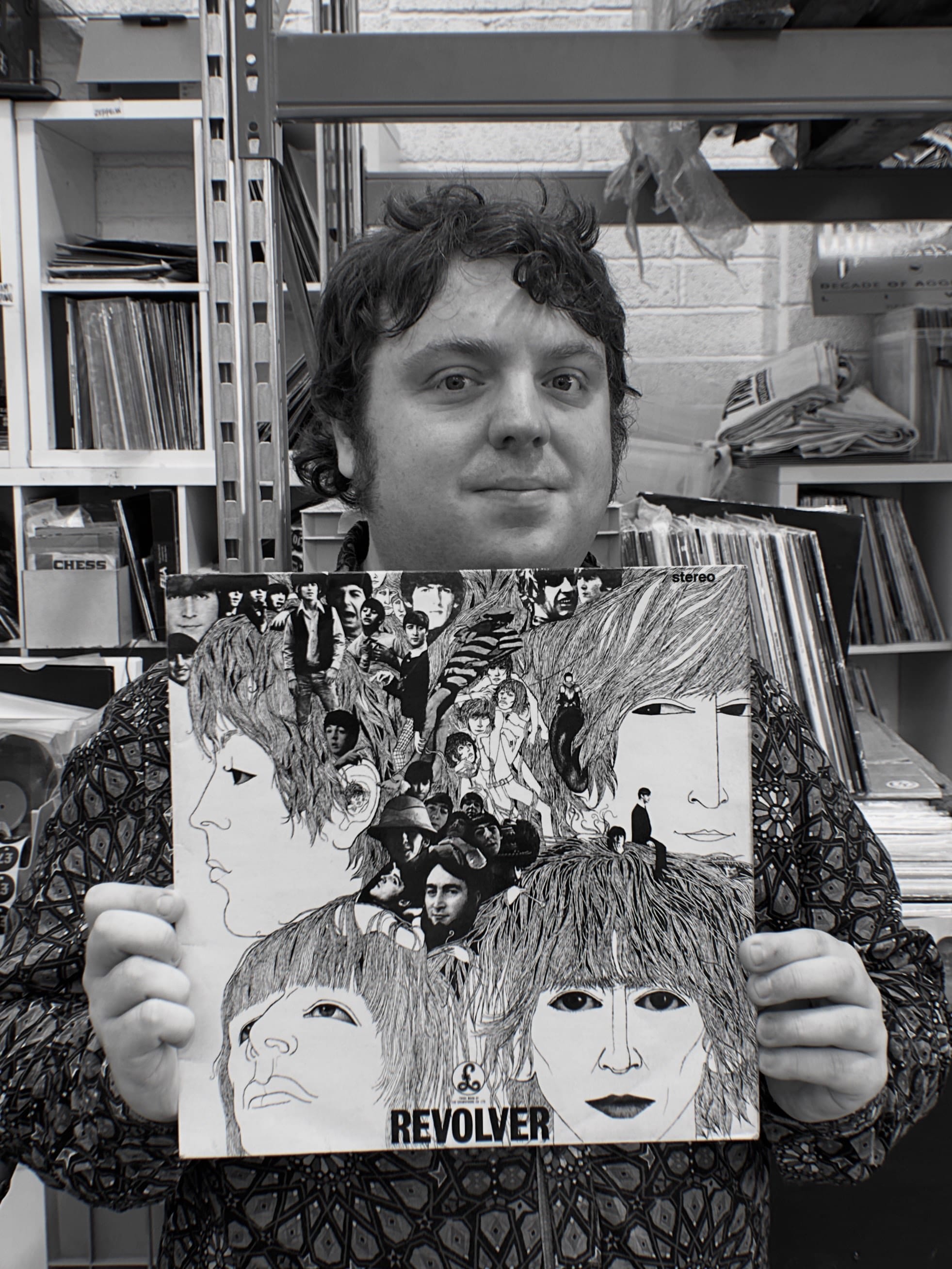
3. Revolver (1966)
Revolver has long held the coveted title of the "cool" Beatles record—the undisputed choice of indie kids and music purists. Of all their releases, it bears the closest structural resemblance to modern alternative rock, casting a massive shadow over the entire Britpop movement three decades later (noel Gallagher and The Chemical Brothers owe this record a royalty check for "Tomorrow Never Knows" alone).
It wasn’t always universally adored, however. Upon its 1966 release, establishment critics scratched their heads; Ray Davies of The Kinks bemoaned "the newer electronic stuff," while MOR vocal group The Overlanders dismissed the record as "absolutely useless." Fortunately, history proved them spectacularly wrong. Merging tape loops, Indian classical instrumentation, and stinging social commentary, Revolver sits comfortably at the apex of 20th-century recorded art.

- Key Track: "Eleanor Rigby"
2. Sgt. Pepper’s Lonely Hearts Club Band (1967)
For decades, Sgt. Pepper was universally crowned The Beatles’ crowning artistic achievement. While its cultural star has dimmed slightly among modern contrarians, its peerless status as a cultural milestone remains unshakeable.
Why has public perception slightly shifted? Because, quietly and without much hip fanfare, Sgt. Pepper accomplished something radical: it brought the parents in. The Edwardian pastiche, the East-meets-West orchestration, and the Lewis Carroll-inspired lyrical surrealism resonated deeply with a middle-aged, post-war demographic. That cross-generational appeal cemented its status in "high culture," yet paradoxically led younger generations of later decades to push back against its omnipresence. Regardless of pop-cultural revisionism, Sgt. Pepper remains a peerless artifact—Britain’s post-war cultural renaissance encapsulated inside 39 glorious minutes. It is rock music’s equivalent of the Festival of Britain.
- Key Track: "Within You Without You"
1. The White Album (1968)
Every fan has their definitive favorite, and for many, it is the sprawling, uncompromising double-LP officially titled The White Album. This is the record where John Lennon, Paul McCartney, and George Harrison were operating at their absolute peak as individual songwriters, yet functioning as an increasingly fractured collective unit.

It holds the most psychological mystery of any record in their canon—a vast, unpredictable monolith. The mood grows progressively more haunting, fractured, and surreal as the four sides unfold. From the frantic blues of "Helter Skelter" to the eerie, trembling beauty of "Long, Long, Long" and the avant-garde chaos of "Revolution 9," The White Album maps the entire spectrum of human emotion. Disregard the purists who claim it should have been edited down into a single disc; no streamlined version could ever replicate this thrilling, chaotic journey.
- Key Track: "Martha My Dear"
Supporting Context & Metrics: The 60th Anniversary of Revolver
To properly contextualize the enduring dominance of The Beatles’ discography, one must examine the metrics of their sustained commercial and cultural footprint. Sixty years after its initial August 5, 1966 release, Revolver continues to outpace modern contemporary releases in vinyl re-issues, streaming conversions, and critical retrospectives.
To mark this monumental diamond anniversary, Rough Trade is hosting exclusive events across the United Kingdom this August. Fans are invited to participate in specialized listening parties followed by high-stakes, Beatles-themed trivia quizzes at three key locations:

- Rough Trade Nottingham
- Rough Trade Bristol (hosted by resident Beatlemaniac Huw Thomas)
- Rough Trade Liverpool
Participants are encouraged to bring their absolute A-game, with major prizes supplied for top-performing trivia teams.
Honorary Mentions and Archival Curiosities
It almost goes without saying that any recording bearing The Beatles’ name released between 1962 and 1970 is mandatory listening. Ranking their studio output is akin to organizing a collection of identical precision rulers by length; the baseline of quality is simply too high. Excluding Beatles for Sale (1964) from the top ten top-tier ranking is merely a casualty of space, despite it being a profoundly moving, exhausted country-folk record.
Furthermore, several major releases sit just outside the formal studio album canon:

- Magical Mystery Tour (1967): Originally issued in the UK as an innovative six-track double EP, its North American LP counterpart padded the tracklist with unrelated 1967 singles. While indispensable, it avoids formal studio album ranking due to its compilation-adjacent nature.
- Yellow Submarine (1969): Discounted for similar structural reasons, though its four new compositions—specifically "Hey Bulldog" and "It’s All Too Much"—rank among the band’s heaviest, most inventive psych-rock excursions.
- Past Masters: Essential for completists, this compilation corrals all stray non-album A-sides, B-sides, and EP tracks that define the breadth of their cultural dominance.
- The 1 Collection and LOVE (Cirque du Soleil Soundtrack): While compilations are generally sidelined, George and Giles Martin’s 2006 sonic remix for the LOVE project remains a masterclass in recontextualizing archival multi-tracks into a breathtaking psychedelic soundscape.
Future Outlook
As we look toward the horizon of popular music, the shadow of The Beatles shows no sign of receding. With ongoing boxset campaigns breathing new life into mid-career masterpieces like Rubber Soul, and advanced AI-assisted audio restoration allowing for pristine, crystal-clear mixes of archival material (as demonstrated by the 2023 release of "Now and Then"), the band’s technological and artistic legacy is future-proofed.
The radioactive glow of their mid-century recordings will undoubtedly continue to illuminate generations of musicians to come. Whether through underground indie experimentation or stadium-sized pop spectacles, the DNA of Lennon, McCartney, Harrison, and Starr remains the bedrock upon which all modern guitar and pop music is built.