Executive Overview
The cinematic portrayal of human intimacy has long occupied a paradoxical space in popular culture—simultaneously heralded as the ultimate expression of artistic vulnerability and dismissed as an uncomfortable, highly orchestrated technical routine. In the modern cinematic landscape, few filmmakers are as equipped to dismantle these taboos as Gregg Araki, whose provocative filmography has consistently challenged conventional boundaries regarding youth, desire, and cultural identity. His latest feature, I Want Your Sex, continues this tradition, inviting audiences into a complex, morally ambiguous exploration of contemporary relationships.
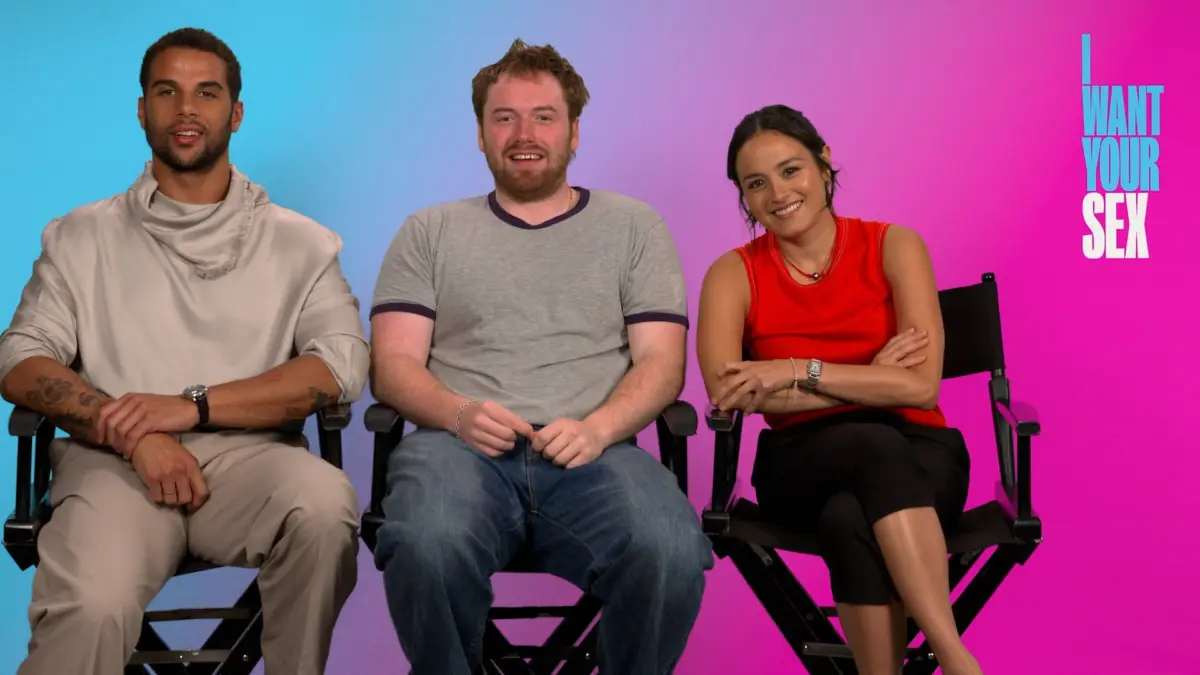
Recently, we sat down with the film’s principal cast members—Cooper Hoffman, Mason Gooding, and Chase Sui Wonders—to pull back the curtain on what it is genuinely like to capture passion under the relentless glare of studio lighting, surrounded by boom operators, focus pullers, and intimacy coordinators. The prevailing consensus from the ensemble? The romanticized notion of cinematic sex is largely a myth. In reality, filming these sequences is an exercise in intense choreography, profound technical precision, and, frequently, unexpected hilarity.
Beyond the logistical realities of stripping away the mystique of the bedroom, the conversation broadened into a compelling cultural critique. The cast offered rare insights into collaborating with visionary director Olivia Wilde, examined how Generation Z is radically redefining its relationship with sex and dating, and analyzed the enduring cinematic fascination with the "older woman, younger man" dynamic. As Hollywood navigates a post-pandemic, highly digitized era of storytelling, I Want Your Sex emerges not merely as a provocative entertainment piece, but as a cultural barometer for how contemporary society perceives, performs, and processes desire.
Detailed Chronology: From Script to Screen
To understand the weight and complexity of I Want Your Sex, one must trace the developmental trajectory of the project from its conceptual inception to the grueling reality of principal photography. Gregg Araki, renowned for his uncompromising vision and distinct visual aesthetic, set out to capture the mercurial nature of modern infatuation and physical connection. For the actors stepping into these demanding roles, the journey required a unique blend of trust, athletic endurance, and psychological fortitude.
Pre-Production and the Intimacy Architecture
Months before the cameras rolled, the production of I Want Your Sex established a meticulous framework designed to prioritize actor safety, emotional boundaries, and artistic integrity. In the contemporary film industry, the integration of intimacy coordinators has transformed how actors approach vulnerable material. Unlike the improvisational, often chaotic environments of late-20th-century cinema, the modern set operates with rigorous choreography.
During our conversation, Cooper Hoffman detailed the initial table reads and early discussions with Araki and the intimacy coordination team. "You think walking onto a set for an intimate scene is going to carry this heavy, dramatic energy," Hoffman explained. "In reality, it resembles a dance rehearsal more than anything else. You are mapping out spatial coordinates, marking where elbows go, ensuring blankets or modesty garments are secured, and treating the entire sequence like a complex stunt sequence."
For Mason Gooding and Chase Sui Wonders, the pre-production phase involved dissecting the psychological motivations of their respective characters. Physical intimacy in an Araki film is rarely just about physical attraction; it serves as a battleground for ego, insecurity, power dynamics, and emotional displacement. By establishing clear physical boundaries early on, the actors were able to invest more deeply in the emotional truth of the scenes without the lingering anxiety of unpredictability.
Principal Photography: The Reality of the Soundstage
When production formally commenced, the romanticized aura of cinematic passion quickly collided with the unglamorous mechanics of filmmaking. A typical day shooting an intimate scene does not involve hushed whispers in candlelit rooms; rather, it features a bustling crew operating specialized equipment, adjusting thermal lighting grids, and managing continuity down to the millimeter.
Chase Sui Wonders reflected on the sensory dissonance of filming these high-stakes sequences. "People forget that you are performing in front of a dozen people whose primary concern is whether your foot is blocking the boom mic or if the sweat on your forehead looks consistent from the wide shot to the close-up," Wonders noted. "There’s an inherent absurdity to it. You’ll be in the middle of what is supposed to be a devastatingly emotional, deeply physical connection, and then the director yells ‘Cut!’ and someone hands you a bathrobe while a lighting technician adjusts a diffuser."
Mason Gooding echoed this sentiment, emphasizing the physical endurance required. Sustaining high-energy physical performances—often requiring actors to maintain awkward postures for extended periods to capture specific camera angles—demands remarkable core strength and stamina. "It’s genuinely a workout," Gooding laughed. "You finish a twelve-hour day of shooting dramatic, intimate sequences feeling as though you’ve just run a marathon, except your only accomplishment is that you successfully pretended to be very passionate while staring intensely at a piece of tape on the wall."
Supporting Context & Metrics: Gen Z, Cinema, and the Evolution of Intimacy
The thematic resonance of I Want Your Sex extends far beyond the confines of individual performances, tapping into a broader cultural dialogue regarding how contemporary youth view relationships, romance, and physical intimacy. Sociological data and industry trends indicate a significant paradigm shift in how younger demographics approach dating compared to previous generations.
The Changing Landscape of Gen Z Intimacy
Recent sociological studies, including ongoing research from institutions such as San Diego State University and various youth culture trend reports, highlight a notable downward trend in sexual frequency among Generation Z compared to Millennials and Generation X at the same age. Factors such as economic instability, digital fatigue, the proliferation of dating apps, and an increased emphasis on mental health and emotional autonomy have fundamentally transformed the dating landscape.
[Traditional Dating Metrics vs. Gen Z Metrics]
--------------------------------------------------
Metric                 Millennial/Gen X    Gen Z (Est.)
--------------------------------------------------
Average Dating Frequency  Moderate          Lower/Intentional
Digital Dependence        Moderate          High (Apps/Social)
Value on Autonomy         Moderate          Very High
Taboo Level on Intimacy   Lower             Higher/Nuanced
--------------------------------------------------
This cultural shift provides vital context for understanding why films like I Want Your Sex resonate so strongly. Rather than portraying intimacy as a casual, consequence-free norm, modern cinema increasingly reflects the anxieties, hesitations, and complex psychological negotiations that characterize contemporary youth romance.
When asked about how Gen Z views sex on screen, Cooper Hoffman noted a fascinating dichotomy. "On one hand, younger audiences are hyper-aware of media literacy and representation," Hoffman observed. "They want authenticity, but they also experience a certain fatigue with gratuitousness. If a sex scene doesn’t advance the plot or reveal something profound about the psychological state of the characters, audiences today tend to check out. They demand narrative purpose."
The Power Dynamic: The Older Woman and Younger Man Trope
Another central pillar of I Want Your Sex is its exploration of the dynamic between an older, established woman and a younger man—a narrative framework that has experienced a notable resurgence across contemporary film and television. Historically, cinema has frequently relied on the inverse trope (the older man and younger woman), making the reversal a fertile ground for subverting power dynamics, exploring emotional maturation, and challenging societal expectations regarding aging and desire.
Cinematic history offers notable touchstones for this narrative, ranging from classic explorations of forbidden romance to modern psychological thrillers. However, I Want Your Sex approaches the dynamic through a uniquely contemporary lens, stripping away simplistic sensationalism to examine the transactional and emotional complexities at play.
Chase Sui Wonders analyzed why audiences remain perpetually captivated by this specific dynamic: "It completely upends traditional structures of authority. When you place a younger man in a scenario with an older, formidable woman—especially someone with the magnetic presence of Olivia Wilde—the power balance is instantly destabilized in a way that creates incredible dramatic tension. It forces both characters to confront their own vulnerabilities, insecurities, and definitions of self-worth."
Official Statements & Industry Insights
The collaborative energy behind I Want Your Sex is anchored by the unique vision of Gregg Araki and the commanding presence of Olivia Wilde. The cast offered profound insights into what it is like to work within such a dynamic creative ecosystem.
Collaborating with Olivia Wilde and Gregg Araki
Working with a filmmaker of Araki’s pedigree requires actors to surrender conventional inhibitions. Known for his stylized visuals, neon-drenched palettes, and unflinching examinations of youth culture (manifested in landmark works like The Doom Generation and Mysterious Skin), Araki demands absolute commitment from his ensemble.
"Gregg has an incredible clarity of vision," Mason Gooding stated. "He doesn’t waste time second-guessing the tone of a scene. He knows exactly how the neon will hit the lens, how the music will swell, and how the actors need to position themselves to convey the emotional core of the narrative. Working with him is liberating because you realize you are entirely safe within his aesthetic universe."
Complementing Araki’s direction is the formidable screen presence of Olivia Wilde. Wilde, who commands the screen with a potent mix of authority and emotional depth, provided an anchor for the younger cast members.
"Olivia brings an incredible intelligence to her performances," Chase Sui Wonders remarked. "She understands the mechanics of filmmaking from every possible angle, having directed as well as acted. Her presence on set elevates everyone else’s game. When you are sharing a scene with someone who possesses that level of focus and fearlessness, you can’t help but rise to the occasion."
Cooper Hoffman added that Wilde’s collaborative spirit helped demystify the intimidation factor often associated with high-profile productions. "She is remarkably generous as an scene partner," Hoffman noted. "She makes sure that the collaborative dialogue is open, that everyone feels heard, and that the integrity of the emotional arc is maintained, no matter how technically demanding the staging gets."
Future Outlook: The Evolution of Cinematic Intimacy
As I Want Your Sex prepares to make its mark on audiences and critics alike, the broader conversation surrounding how Hollywood handles intimate storytelling continues to evolve. The experiences shared by Hoffman, Gooding, and Wonders signal a permanent shift in industry standards.
The New Standard for On-Screen Vulnerability
Gone are the days when actors were left to navigate vulnerable material without institutional support. The widespread adoption of intimacy coordination, combined with a cultural demand for more nuanced, psychologically rich portrayals of relationships, points toward a healthier, more professional future for cinematic storytelling.
Industry analysts predict that as streaming platforms and theatrical distributors alike cater to audiences increasingly literate in media psychology, films that treat intimacy as a sophisticated narrative tool rather than a mere box-office gimmick will dominate. I Want Your Sex positions itself at the vanguard of this movement, proving that provocative art and rigorous, respectful production standards can successfully coexist.
What’s Next for the Ensemble
For the film’s rising stars, the lessons learned on the set of I Want Your Sex will undoubtedly inform their future creative endeavors. Cooper Hoffman, continuing his impressive ascent in the industry following breakout roles, demonstrates a maturity and analytical approach to character work that belies his years. Mason Gooding continues to expand his versatile range, effortlessly transitioning between high-octane genre fare and complex psychological dramas. Chase Sui Wonders solidifies her status as one of her generation’s most compelling screen presences, capable of anchoring intricate emotional narratives with nuance and grace.
Ultimately, as audiences sit down to experience the neon-infused, emotionally charged world of I Want Your Sex, they are engaging with a work forged through meticulous collaboration, professional rigor, and a healthy dose of behind-the-scenes humor. The mystery of the cinematic bedroom may be largely dismantled by the reality of soundstages, crew members, and choreography notes, but as the cast proves, the magic of storytelling remains entirely intact.