In an era dominated by hyper-exposed algorithmic tailoring, relentless social media curation, and the omnipresent threat of frictionless AI-generated content, modern music consumers are experiencing a profound fatigue. The slick, over-optimized surfaces of contemporary mainstream pop charts—while commercially unassailable—frequently leave a void for those seeking tactile, idiosyncratic, and radically distinct artistic expressions.
Enter the otherworldly.
Throughout the cultural landscape of 2026, a resilient counter-current has taken hold. Listeners are increasingly drawn to masked provocateurs wielding microtonal instruments, sonic architects forging liminal audio-scapes from dusty VHS fragments, and shape-shifting entities who treat pop music as a modular science-fiction playground. Far from a passing novelty, this embrace of obscurity, world-building, and high-concept anonymity represents a return to a sacred tenet of music culture: the cultivation of deep, uncompromised artistic mythology.
Whether examining the sudden viral dominance of French-Canadian math-rock disruptors Angine de Poitrine or deciphering the cryptic, Reddit-fueled lore surrounding cult electronic originators Boards of Canada, the modern listening public is demanding more than passive streaming convenience. They are demanding a universe to inhabit. This comprehensive investigative feature explores the psychological, cultural, and sonic architectures of music’s most otherworldly cult icons—tracing a historical and contemporary lineage from Sun Ra to Arca, and assessing the vanguard of future world-builders redefining the parameters of modern rock, electronic, and avant-garde composition.
Detailed Chronology: A History of Sonic Extraterrestrials
To understand why the sonic anomalies of 2026 resonate so deeply, one must map the historical evolution of the otherworldly persona. The strategy of shedding terrestrial identity to elevate pure sound has taken many shapes over the decades.
[1950s] Sun Ra & The Arkestra ──> Afrofuturism & Cosmic Jazz
[1990s] Cocteau Twins / Aphex Twin ──> Glossolalia & Liminal IDM
[2000s] Daft Punk / Boards of Canada ──> Anonymity & Nostalgic Hauntology
[2010s] Grimes / Arca ──> Cyberpunk Fluidity & Mutation
[2026] Angine de Poitrine & Modern Vanguard ──> Microtonal Surrealism & Viral Mythmaking
1. The Cosmic Pioneers: Sun Ra and the Birth of Afrofuturism
Long before electronic dance music producers donned helmets or indie rock bands wore ghillie suits, Herman Poole Blount—known universally as Sun Ra—descended into public consciousness with a singular thesis: Space is the Place. Beginning in the early 1950s and continuing until his passing in 1993, Sun Ra masterminded the Sun Ra Arkestra, fusing free jazz, big-band arrangements, avant-garde electronics, and ancient Egyptian-inspired iconography. By anchoring Black cultural history to science fiction, Sun Ra rewrote the trauma of earthly oppression into a triumphant, celestial liberation. His real name evaporated, replaced by an accepted reality: he was a visitor from another dimension, proving that sonic radicalism and cosmic world-building could become one and the same.
2. The Architects of Etherealism and IDM: Cocteau Twins and Aphex Twin
By the late 20th century, European underground scenes were weaponizing abstraction to construct psychological safe havens away from standard pop structures.
In Scotland, the Cocteau Twins pioneered dream pop by rendering direct semantic communication entirely optional. Elizabeth Fraser’s legendary glossolalic vocal deliveries—comprising non-lexical syllables, emotional gasps, and phantom languages—allowed listeners to project their inner psyches onto shimmering, reverb-drenched guitar arrangements. The music felt like a half-remembered dream upon waking, untouchable by modern, fast-paced trends.
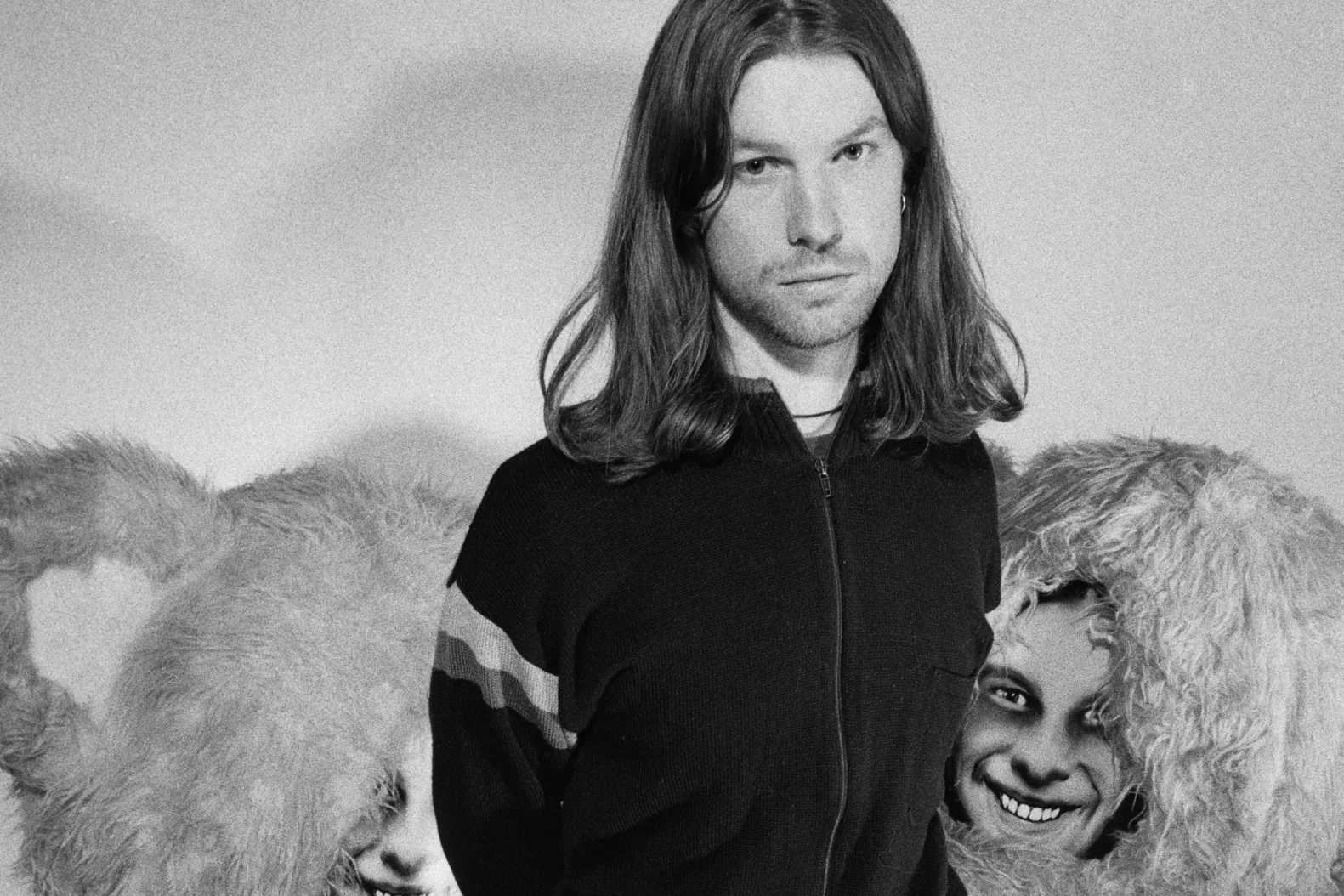
Simultaneously, electronic music was being entirely rewired by Richard D. James, operating as Aphex Twin. In a rare 2014 interview with Pitchfork, James articulated the holy grail of modern composition with striking clarity:
"The holy grail for a music fan, I think, is to hear music from another planet, which has not been influenced by us whatsoever. Or, even better, from lots of different planets."
Through distorted self-portraits, cryptic release rollouts, and an near-total absence of traditional press, Aphex Twin cultivated an aura where listeners genuinely questioned whether a human being sat behind the complex, beautiful, and abrasive machinery.
3. The Masked Hegemony: Daft Punk, The Residents, and Angine de Poitrine
In the digital age, masking became a masterclass in shifting the critical gaze entirely toward the output. French house pioneers Daft Punk famously traded their human faces for robotic helmets, ensuring that media narratives focused on the timelessness of their disco-infused synthesis rather than tabloid trivia.
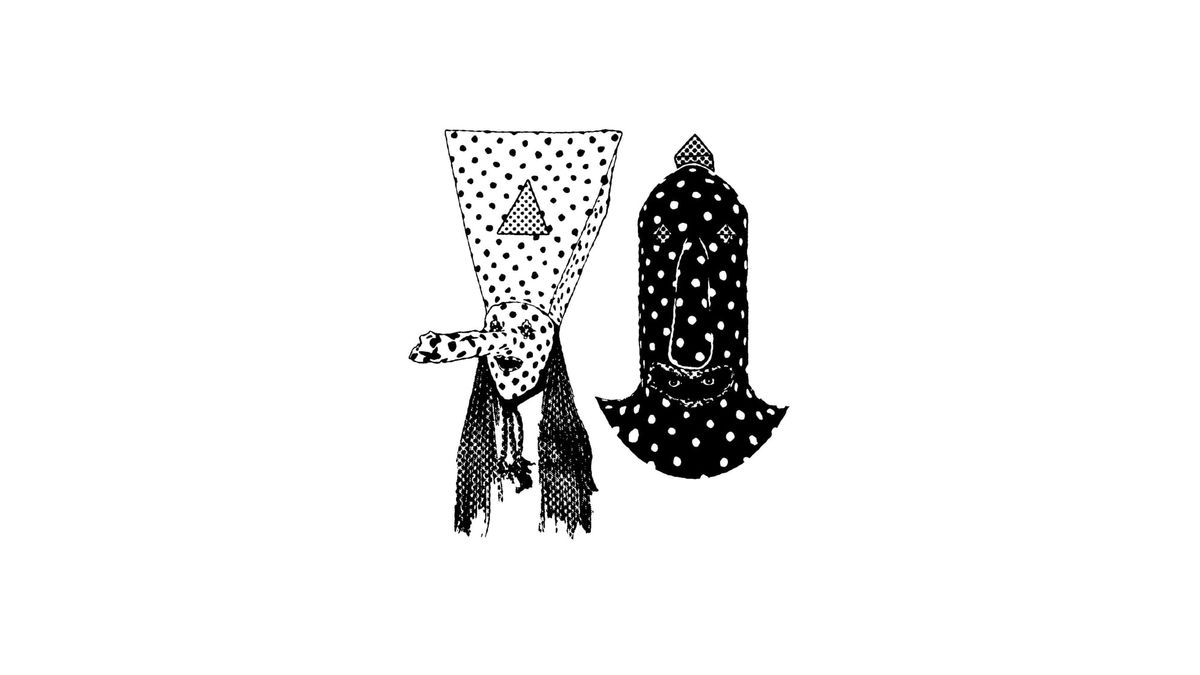
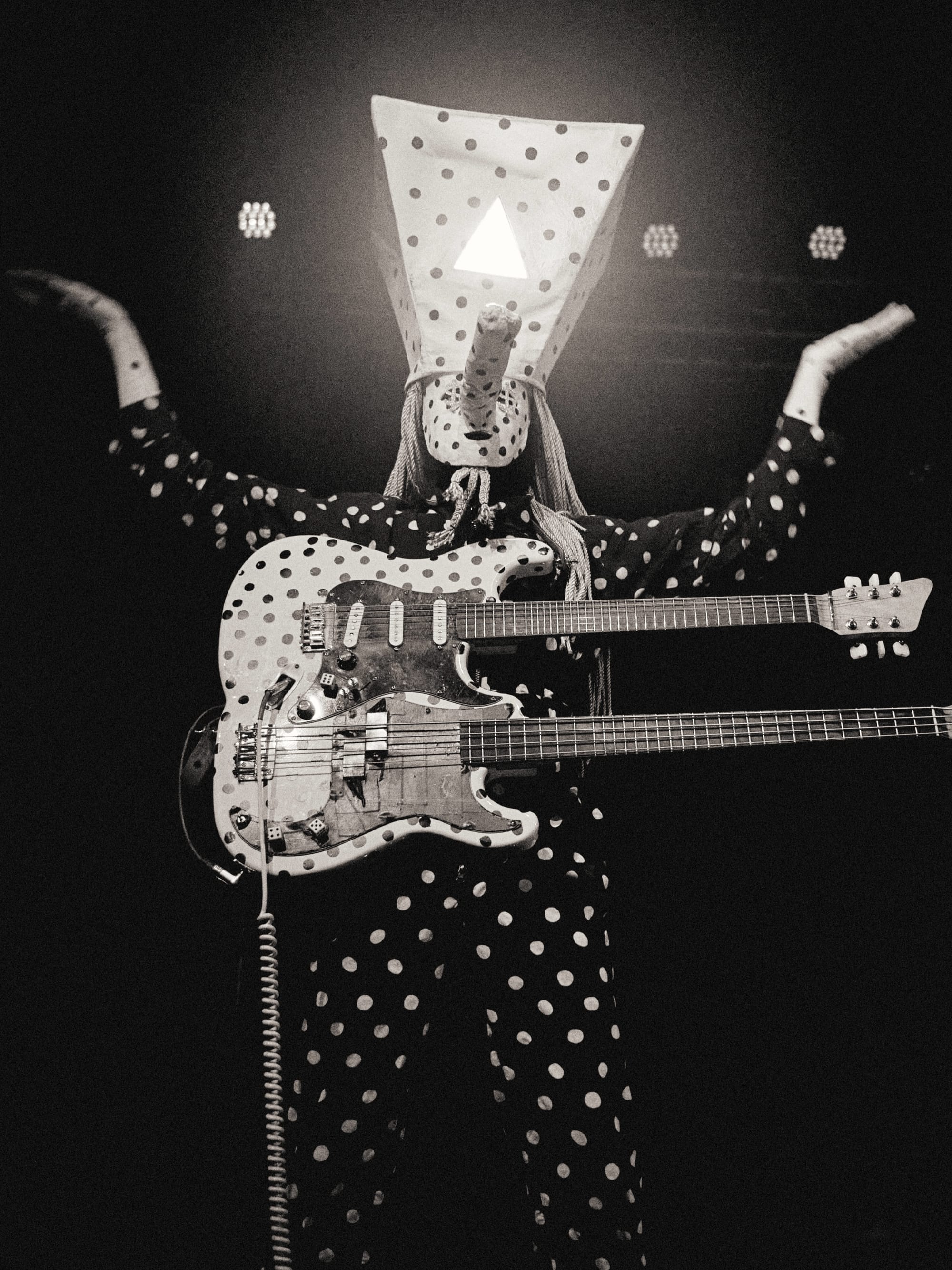
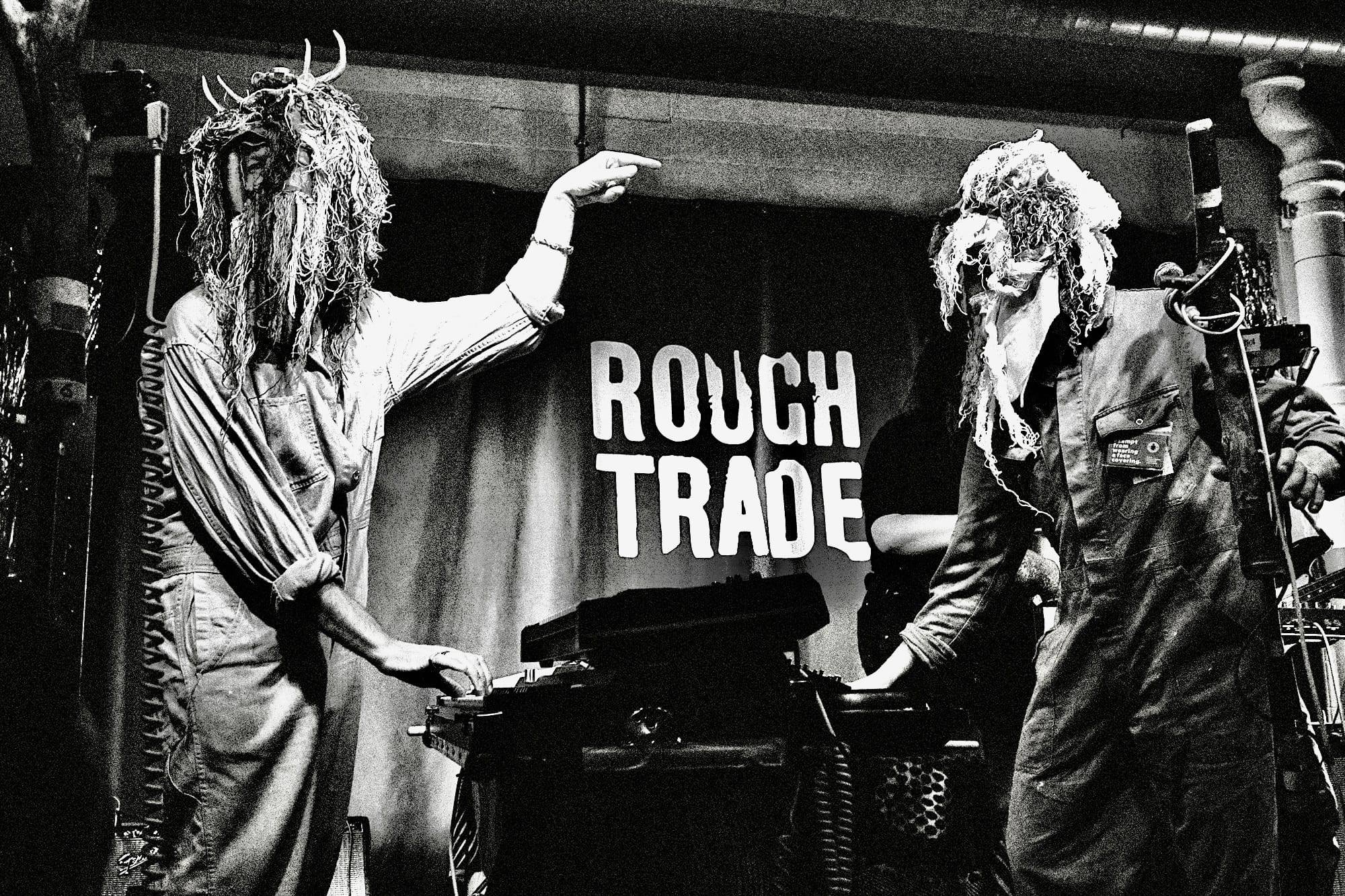
This lineage reaches its hyper-modern zenith in 2026 with the explosive emergence of Angine de Poitrine. Adopting monochromatic, polka-dotted DIY costumes and hybrid microtonal instruments, the French-Canadian math-rock duo bypassed traditional music industry pipelines. Following a viral KEXP performance that captivated an international audience—drawing legions of enthusiastic "6 Music Dads" and avant-garde enthusiasts alike—the duo conversed exclusively in a constructed alien tongue during live appearances. Like The Residents before them, their anonymity is not a gimmick; it is an active mechanism forcing the listener to confront music that feels as though it was dropped onto this planet with a singular mandate: to shatter the established boundaries of rock.
Supporting Context & Metrics: The Anatomy of Cult Appeal
What separates a fleeting internet meme from a deeply entrenched musical cult following in 2026? Quantitative metrics from independent music retailers, streaming analytics, and cultural institutions point to three core pillars: Tactile Authenticity, Liminal World-Building, and Community-Driven Lore.
The Rejection of the Algorithmic Smoothness
In an environment where generative AI threatens to flood streaming platforms with homogenized, hyper-produced audio loops, audiences are placing a massive premium on what feels stubbornly, jaggedly human—even when disguised as something alien.
Arca’s Mutational Palette: Across her groundbreaking bodies of work, culminating in the expansive 5-part KiCk cycle and her anticipated 2026 return via XL Recordings with the 16-track project XXXXX, the Venezuelan artist treats sound as biological tissue. Metallic percussion, warped vocals, and glitching noise form a physical, hyper-futuristic texture that defies genre categorization. The KiCk era represented not only a radical sonic expansion—melding cyber-reggaeton, IDM, and ambient soundscapes—but a profound spiritual transition marking her public release as a trans woman. The music fights against oppression by mutating into forms entirely unknown to mainstream pop architecture.
Boards of Canada’s Hauntological Echoes: Operating at the intersection of comforting analogue warmth and apocalyptic dread, Boards of Canada utilize degraded audio snippets from old VHS tapes, public service broadcasts, and 1970s children’s television. This "hauntological" approach anchors listeners in liminal spaces—a phenomenon so culturally potent that director Kane Parsons utilized their track The World Becomes Flesh for the closing credits of A24’s viral psychological horror hit, Backrooms.
The Power of Fan-Driven Lore
Cult appeal thrives when the audience becomes an active participant in unearthing the artist’s secrets.
The Reddit Deep Dive: Online communities dedicated to Boards of Canada or Aphex Twin function less like fan clubs and more like digital archaeological digs, analyzing audio static for hidden spectrograms, Morse code messages, and geographic coordinates.
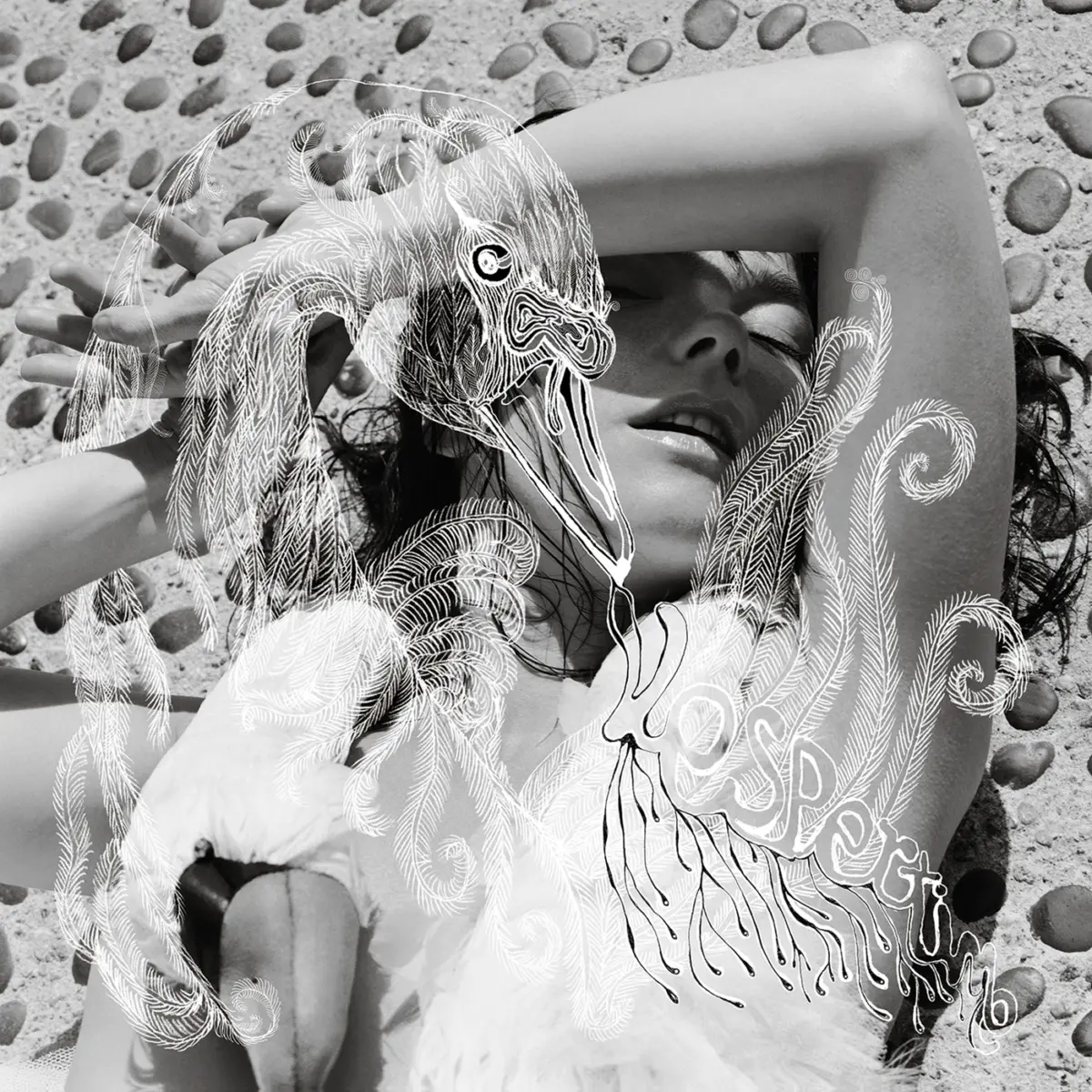
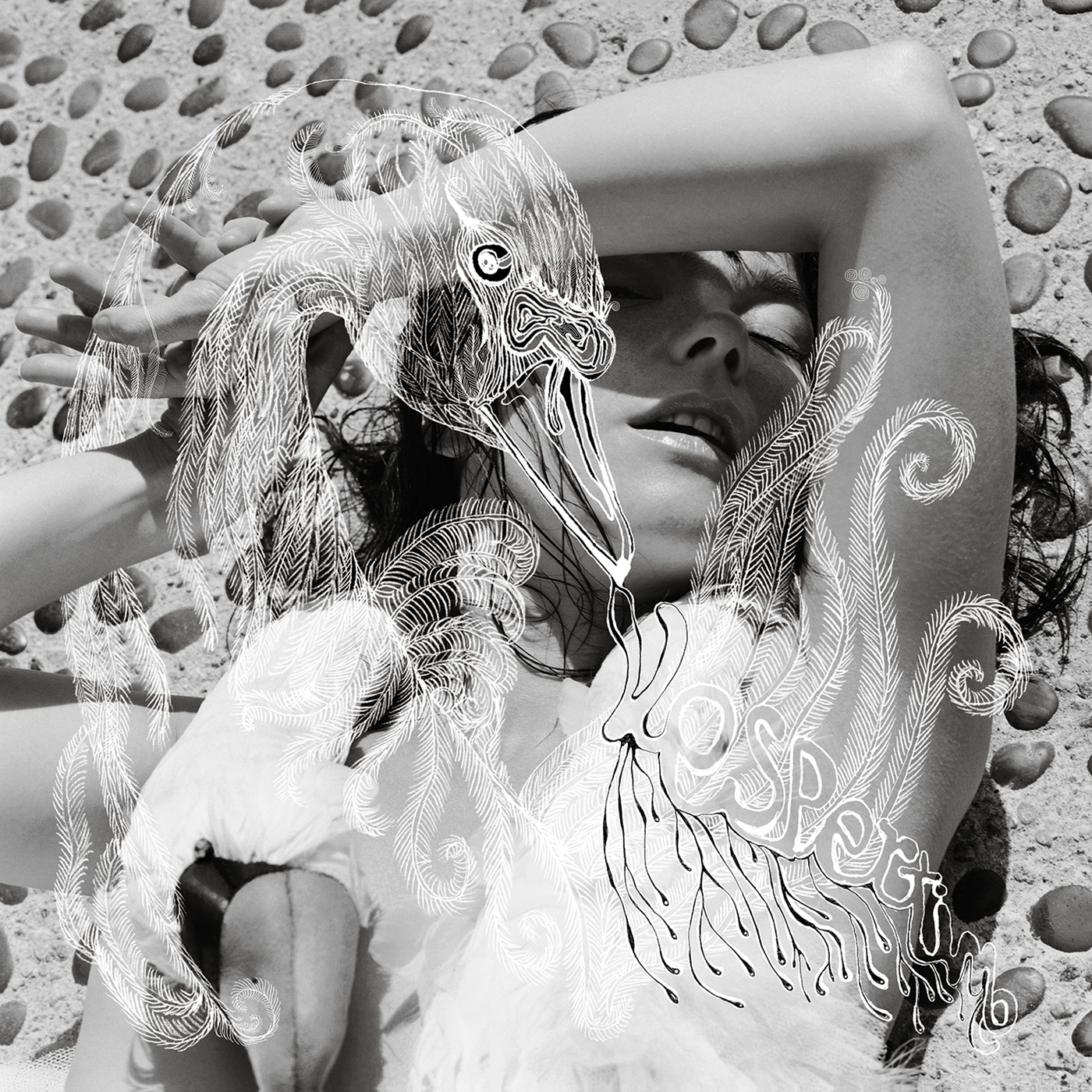
The Visual-Sonic Syncretism: Artists like Björk have spent decades constructing universes where nature, technology, and ancient mythology interlock. Through guttural vocal techniques, breath sounds, and biomechanical visual worlds (from the icy celestial landscapes of Vespertine to the organic fantasy of Fossora), Björk has cultivated an unshakeable audience that treats her discography as sacred texts from an alternate reality.
Official Statements & Critical Perspectives
Industry observers, cultural critics, and the artists themselves have increasingly spoken out on the vital necessity of maintaining mystery in an over-connected global marketplace.
"When an artist removes their ego, their face, and their biographical backstory from the equation, they grant the listener permission to inhabit the work completely unhindered. You aren’t listening to a person; you are experiencing an ecosystem."
— Dr. Aris Thorne, Professor of Contemporary Musicology, McGill University
The shift toward eco-punk and feral performance art—exemplified by forest-dwelling dance-punk practitioners Snapped Ankles, who don ghillie-suit camouflage to channel motorik rhythms and anti-capitalist world-building—underscores a collective desire to escape urban alienation.
Similarly, shape-shifting innovators like Yves Tumor have drawn critical comparisons to the flamboyant, androgynous disruption of David Bowie’s Ziggy Stardust era. Blending psychedelic rock, industrial noise, and sensual R&B, Yves Tumor constructs live shows that are simultaneously grungy, intensely emotional, and utterly hypnotic. As captured in their iconic lyricism:
"I can be your baby in real life… sugar / I can live in… your dreams"
This blurring of the boundaries between recorded fiction and physical reality is precisely what cements these acts into cultural immortality.
Future Outlook: Meet Your Next World-Building Obsessions
As the musical landscape pushes further into 2026 and beyond, the appetite for otherworldly auteurism shows no signs of slowing down. A new generation of boundary-pushing artists is currently expanding the blueprints laid down by Aphex Twin, Sun Ra, and the Cocteau Twins, ensuring that the avant-garde remains a vibrant, unpredictable frontier.
For listeners seeking their next deep dive into alien soundscapes, world-building pop, and hyper-conceptual electronica, the modern vanguard features an extraordinary roster of rising and established icons:
Magdalena Bay – Masters of high-concept, pop-infused sci-fi world-building.
yeule – Digital hauntology and glitch-pop cyborg aesthetics.
Jawnino – Grimy, futuristic transmissions from London’s underground.
Jane Remover – Hyper-emotional, sprawling shoegaze-electronic hybrids.
horsegiirL – Equestrian-masked electronic surrealism taking global club circuits by storm.
Blawan & Two Shell – Masterminds of warped, alien-sounding club frequencies.
Model/Actriz – Theatrical, feral post-punk charged with visceral, unhinged energy.
Pollyfromthedirt & Scaler – Emerging experimentalists redefining the intersection of physical instrumentation and digital abstraction.
In an age where everything can be Googled, cataloged, and instantly streamed, these artists remind us of the most vital truth of music appreciation: the most exciting journey is the one that leads into the unknown. Space truly is the place, and the frontier of rock and electronic music has never felt more infinite.