Executive Overview
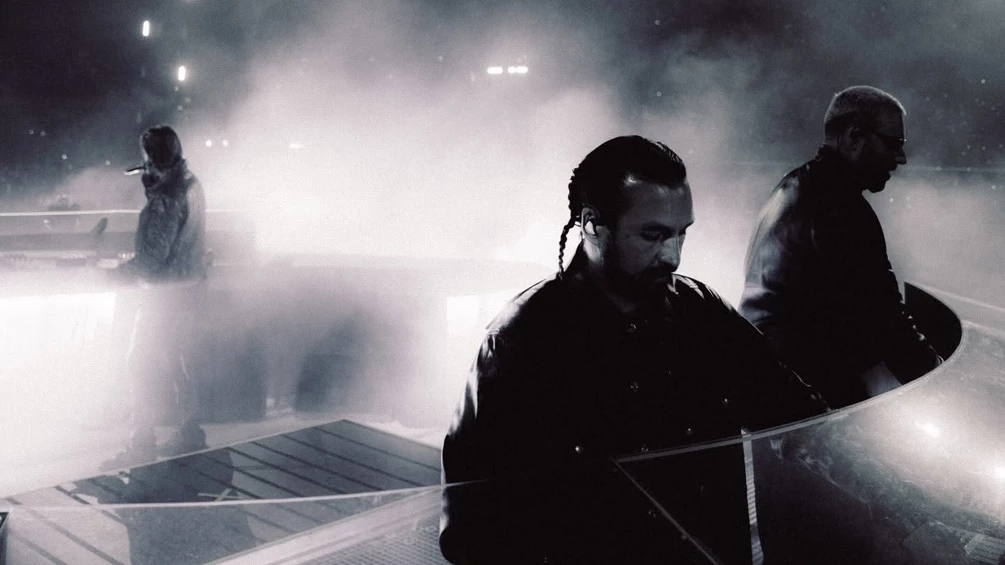
For electronic dance music royalty, few milestones match the gravity of returning home. For legendary Swedish trio Swedish House Mafia—comprising Sebastian Ingrosso, Steve Angello, and Axwell—late August 2026 was supposed to mark a triumphant, weather-defying double-header at Gothenburg’s historic Ullevi stadium. What ultimately materialized, however, was a masterclass in resilience, a deeply emotional family passing of the torch, and a poignant celebration of Swedish electronic music history.
The crowning jewel of the weekend’s events occurred during the second night of their rescheduled homecoming run, when Sebastian Ingrosso’s young daughter, Melina Ingrosso, took center stage to deliver the opening verses of the group’s definitive 2012 global anthem, “Don’t You Worry Child.” The touching performance, which culminated in a heartfelt father-daughter embrace just as the iconic progressive house chord progression dropped, captured the hearts of thousands in attendance and quickly went viral across global social media channels.
Yet, the emotional weight of the weekend extended far beyond a single family moment. The triumphant Ullevi stadium showcase was preceded by logistical chaos, severe weather cancellations, an impromptu pop-up free rave in the heart of Gothenburg, and a heartfelt tribute to the late, great Avicii. Set against the backdrop of the group’s recent 2026 studio output—including their collaboration with fellow Swedish export Lykke Li—the Gothenburg homecoming proved to be a defining weekend for one of dance music’s most enduring institutions.
Detailed Chronology: Weather Crises, Pop-Up Raves, and Stadium Triumphs
The road to Swedish House Mafia’s Ullevi stadium residency was anything but straightforward. Originally planned as a massive one-night-only homecoming spectacle, overwhelming ticket demand prompted promoters and the group to expand the booking into a historic double-bill, scheduling consecutive nights at the legendary venue.
The Storm That Stole Night One
The first crack in the plan appeared on August 28, 2026. As festival-goers and loyal fans descended upon Ullevi stadium, severe meteorological warnings materialized into torrential downpours and dangerous storm conditions. In the interest of public safety, organizers were forced to make the difficult executive decision to cancel the August 28 opening night entirely on the day of the show.
For a production of Swedish House Mafia’s scale—complete with towering LED walls, high-intensity pyrotechnics, and complex laser rigs—weather-related cancellations present a logistical nightmare. More importantly, thousands of fans who had traveled from across Europe to witness the homecoming were left devastated.
Turning Adversity into Art: The Götaplatsen Pop-Up
Refusing to leave their hometown supporters empty-handed, the trio mobilized quickly to make amends. On the afternoon of August 29, just hours before the gates for the rescheduled main event were set to open, Swedish House Mafia announced a spontaneous, free open-air pop-up set at Gothenburg’s iconic public square, Götaplatsen.
Transforming the city center into an impromptu rave, the trio delivered a high-energy daylight set that instantly galvanized the local community. Video clips circulating online showed thousands of fans packing the square, turning a potential disaster into a legendary piece of dance music folklore. During this park performance, the group notably dropped Tim Bergling’s (Avicii) timeless 2011 classic, “Levels,” setting a nostalgic and deeply respectful tone for the weekend ahead.
The Ullevi Redemption: Melina’s Star Turn
By the evening of August 29, the storm clouds had cleared, paving the way for the rescheduled Ullevi stadium spectacular. The energy inside the massive venue was palpable—a mixture of pent-up frustration from the previous night’s cancellation and explosive anticipation for the homecoming.
The emotional peak of the evening arrived during the performance of “Don’t You Worry Child.” Originally recorded with pristine vocals by singer John Martin, the song is universally recognized as the emotional apex of the trio’s golden era. Instead of relying solely on the backing track or a guest vocalist, Sebastian Ingrosso introduced a surprise guest to the massive stage: his daughter, Melina Ingrosso.
Stepping into the spotlight with remarkable poise, Melina sang the first two verses of the legendary track. The thousands-strong Gothenburg crowd fell into a hushed reverence before erupting into cheers as she reached the song’s poignant penultimate line: "My father said."
As she delivered the final note, Melina turned and shared a long, emotional embrace with her father on stage. Moments later, the stage design exploded into light as the iconic, euphoric synth lead of the chorus dropped, sending the stadium into a frenzy. It was a rare, humanizing moment for a group known for industrial, stadium-sized techno and house spectacles, cementing a generational link within the Swedish dance music dynasty.
Supporting Context & Metrics: The Cultural Legacy of Swedish House Mafia
To understand the magnitude of the Ullevi homecoming, one must contextualize Swedish House Mafia’s enduring dominance in modern electronic music. Formed in 2008, the trio pioneered the late-2000s and early-2010s EDM boom, transforming underground house music into a stadium-filling global phenomenon.
Charting the Impact of "Don’t You Worry Child"
Released in late 2012 as the final single before their initial, highly publicized breakup, "Don’t You Worry Child" became a cultural touchstone.
- Global Chart Success: The track peaked in the top 10 of charts across more than 20 countries, including reaching #1 on the UK Dance Chart and breaking into the Billboard Hot 100 top 40.
- Streaming Milestones: Over a decade later, the track commands billions of streams across Spotify and Apple Music, remaining a staple of modern wedding playlists, graduation ceremonies, and festival closing sets worldwide.
- Cultural Relevancy: The song represents an era when electronic dance music transitioned from European clubs into American mainstream consciousness, paving the way for the modern festival economy.
Honoring Avicii at Ullevi
The decision to weave Avicii’s “Levels” into both the Götaplatsen pop-up and the Ullevi stadium setlist highlights a broader narrative of brotherhood within the Swedish electronic music community. Tim Bergling, who tragically passed away in 2018, was a contemporary and close friend of Ingrosso, Angello, and Axwell. By playing “Levels” in front of tens of thousands of cheering Swedes, the trio ensured that the legacy of Sweden’s other great electronic pioneer remained central to the national celebration of dance music history.
The 2026 Creative Landscape
The homecoming also arrived at an intriguing time for the trio creatively. Following years of sporadic reunions, world tours, and their 2022 studio album Paradise Again, Swedish House Mafia have entered a prolific new phase in 2026:
- "Happiness Is So Sad": Released in late July 2026, the group’s collaborative single with fellow Swedish indie-pop icon Lykke Li has dominated festival mainstages all summer, successfully bridging the gap between melancholic Scandinavian pop lyricism and driving electronic house production.
- Sebastian Ingrosso’s Solo Ventures: Alongside group commitments, Sebastian Ingrosso has continued to push sonic boundaries, notably releasing a solo single earlier this year that cleverly samples Celine Dion’s 2002 adult-contemporary anthem, "A New Day Has Come."
Official Statements and Industry Reception
While major electronic music acts often rely on meticulously choreographed PR cycles, the raw nature of the Gothenburg weekend generated an unprecedented wave of organic praise from fans, peers, and industry publications alike.
Music journalists and cultural commentators noted that Melina Ingrosso’s live vocal debut represents a fascinating shift for dance music artists who came of age during the peak EDM era. As founding members of these superstar acts start families, the intersection of domestic life and hyper-commercial touring is producing unscripted, highly emotional live moments that resonate deeply with aging fanbases who have grown up alongside the artists.
On social media, the reaction was overwhelmingly positive. Clips of Melina’s performance shared via platforms like Instagram and TikTok racked up hundreds of thousands of views within hours, accompanied by comments praising Sebastian Ingrosso for creating an unforgettable memory for his family and fans. Similarly, the rapid pivot to the Götaplatsen free rave earned the group widespread respect from event organizers and municipal authorities in Gothenburg, who praised the trio’s commitment to safety and fan satisfaction in the wake of the severe weather cancellation.
Future Outlook: What Lies Ahead for the Trio?
As the dust settles on their triumphant Gothenburg homecoming, Swedish House Mafia show no signs of slowing down their relentless pace. The successful integration of new material—such as the Lykke Li collaboration "Happiness Is So Sad"—into their live sets proves that the trio is far from being a legacy act reliant solely on nostalgia.
Upcoming Tour Cycles and Festival Dominance
With the 2026 festival season drawing to a close, industry insiders anticipate that the group will leverage the momentum from their Ullevi residency to announce an expanded global touring schedule for late 2026 and 2027. Their ability to sell out massive stadium bills—even when faced with extreme weather interruptions—cements their status as viable stadium-headlining acts on par with major rock and pop artists.
Production and Musical Evolution
Musically, the group appears to be steering away from the aggressive, dark techno leanings of Paradise Again toward a more melodic, emotionally resonant space that incorporates organic instrumentation, vocalists from outside the traditional electronic sphere (such as Lykke Li), and deep nods to their Swedish heritage.
Furthermore, moments like Melina Ingrosso’s stage appearance open up interesting creative possibilities for future live productions. As electronic music continues to age gracefully, the integration of family, legacy, and community storytelling will likely play an increasingly prominent role in how veteran acts connect with their audiences.
Ultimately, the Gothenburg homecoming will be remembered not just for the weather drama or the viral family snapshot, but as a testament to the enduring bond between three Swedish producers, their hometown, and the global dance music community that continues to sing their anthems back to them, generation after generation.