Executive Overview
In a rare moment of bipartisan and cross-industry alignment, major American entertainment unions, studio representatives, and political figures from both sides of the aisle have thrown their weight behind a renewed push for a federal film and television production incentive. The movement gained immediate momentum following a public appeal by President Donald Trump urging Congress to enact sweeping financial measures to combat the steady bleeding of domestic entertainment jobs to foreign competitors.
For years, Hollywood labor organizations—most notably SAG-AFTRA, the International Alliance of Theatrical Stage Employees (IATSE), and Teamsters Local 399—have warned that aggressive tax breaks and subsidies offered by foreign nations and competing international jurisdictions are siphoning away American productions, cutting livelihoods short for thousands of below-the-line workers, actors, and technicians. President Trump’s call to action on social media has effectively galvanized these long-standing lobbying efforts, breathing new life into prospective federal legislation.
The push is not confined to the executive branch or conservative circles. Prominent Democrats, including California Senator Adam Schiff and Los Angeles local leaders, have joined the chorus, framing the initiative as a matter of urgent economic defense rather than partisan politics. The broader coalition now includes the Motion Picture Association (MPA), which argues that federal intervention is vital to ensuring that the economic ripple effects of the entertainment industry are felt across all 50 states rather than concentrated solely in traditional coastal hubs.
As California continues to grapple with a protracted local production slump—exacerbated by a compounding series of crises including the COVID-19 pandemic, historic 2023 industry strikes, and the devastating 2025 Los Angeles wildfires—the debate over federal tax credits represents a potential turning point. This comprehensive report explores the background of the proposed federal legislation, the economic pressures driving the coalition, official statements from key stakeholders, and the road ahead for American entertainment policy.
Detailed Chronology: From Tariffs to Tax Credits
The journey toward a potential federal production incentive has seen dramatic pivots in strategy from policymakers and industry advocates alike. To understand the current climate of cooperation, it is necessary to trace the timeline of policy proposals and legislative maneuvering that brought Hollywood labor and the federal government to this juncture.
The 2025 Tariff Proposal and Early Warnings
The conversation surrounding federal intervention in the entertainment economy took a markedly different tone in 2025, when President Trump initially floated the idea of slapping a heavy 100% tariff on movies and television projects produced entirely outside the United States. While the proposal signaled a clear intent to protect domestic jobs and penalize runaway production, it immediately sparked widespread skepticism among industry analysts, legal scholars, and studio executives. Economists questioned the logistical feasibility of taxing creative intellectual property and physical media crossing international borders, noting that retaliatory tariffs could severely damage the global distribution infrastructure that Hollywood relies upon for a substantial share of its revenues.
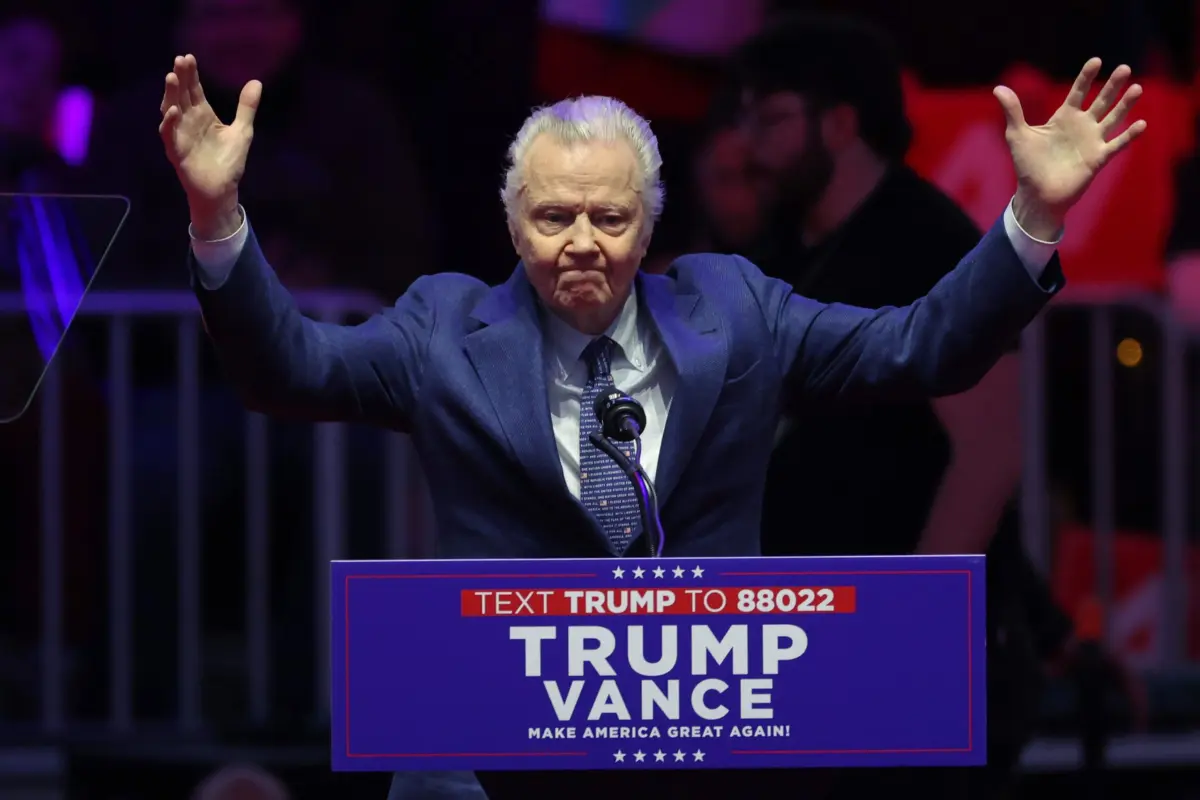
Recognizing the practical limitations of a punitive tariff model, industry advocates and labor unions accelerated behind-the-scenes lobbying efforts to pivot the executive focus toward positive economic incentives. Organizations like IATSE, working in tandem with actor and special Hollywood ambassador Jon Voight—whom Trump appointed to bridge the gap between the administration and the creative community—began quietly mapping out potential legislative frameworks that mirrored successful state-level models.
The Truth Social Announcement
The landscape shifted decisively when President Trump took to Truth Social to formally abandon punitive concepts in favor of direct legislative support. Writing directly to Capitol Hill, Trump urged: "Congress should approve, immediately, a Federal Production Incentive to create Entertainment Jobs in America."
While the initial announcement notably lacked fine print regarding the exact size, scope, or structural mechanics of the proposed subsidy, it immediately commanded the attention of congressional leadership. Trump noted that preliminary, bipartisan discussions were already being arranged to draft a viable bill that could pass through a fractured legislature.
The Union Response and Bipartisan Momentum
Within hours of the announcement, the reaction from major Southern California entertainment unions was swift and overwhelmingly positive. Recognizing an unprecedented window of opportunity, SAG-AFTRA, IATSE, and Teamsters Local 399 issued coordinated statements supporting the executive call to action.
Simultaneously, Democratic lawmakers who represent the heart of America’s entertainment workforce seized upon the momentum. Senator Adam Schiff publicly endorsed the creation of a federal film tax incentive, arguing that congressional action was long overdue to protect domestic talent and stop the hemorrhage of jobs moving overseas. Rather than turning into a political flashpoint, the proposal rapidly evolved into a rare point of legislative consensus, with local leaders and studio executives rushing to shape the conversation around job preservation and international competitiveness.
Supporting Context & Metrics: The Crisis Facing California and U.S. Production
The sudden urgency behind a federal production incentive is rooted in a deeply troubled economic reality for American entertainment workers. For decades, traditional production hubs like Los Angeles and New York enjoyed a near-monopoly on high-budget film and television creation. However, the globalization of media production, combined with aggressive state and international subsidies, has fundamentally altered the landscape.
The Global Incentive Race
Foreign nations—including the United Kingdom, Canada, Australia, and various European and Asian countries—have enacted extraordinarily generous tax credits, cash rebates, and infrastructure investments designed to lure Hollywood studios away from American soil. These foreign jurisdictions often cover 30% to 40% or more of qualified local production expenditures. For major studios operating under ballooning budgets and intense pressure from shareholders to control costs, the math overwhelmingly favors filming abroad.
Consequently, American crews have watched helplessly as soundstages sit dark at home while massive tentpole franchises and prestige television series are shot entirely overseas, utilizing foreign technicians and local talent pools built up by decades of intentional government investment.
Compounding Local Crises in California
While federal inaction has left the U.S. vulnerable to foreign competition, California’s domestic infrastructure has been battered by a relentless succession of crises. The industry has yet to fully recover from the compounding disruptions of:
- The COVID-19 Pandemic: Which halted global production for months and permanently altered distribution and streaming economics.
- The 2023 Hollywood Strikes: Historic dual strikes by SAG-AFTRA and the Writers Guild of America (WGA) brought the industry to a near-complete standstill for nearly four months, causing catastrophic financial strain for below-the-line workers and freelance artists.
- The 2025 Los Angeles Wildfires: Natural disasters that not only destroyed homes and property across Southern California but also disrupted local shooting schedules and damaged physical production facilities.
State-Level Adjustments
Recognizing that local measures alone were no longer sufficient to stem the tide, the State of California attempted to shore up its defenses. Lawmakers dramatically increased annual funding for the California Film and Television Tax Credit Program, boosting allocations from $330 million to an unprecedented $750 million beginning in the 2025–26 fiscal year.
Despite this substantial financial injection, state officials and industry analysts acknowledge that California’s budget cannot indefinitely match the combined treasuries of foreign sovereign nations. Proponents argue that only a coordinated, national federal response can level the playing field and ensure that the United States remains the premier capital of global entertainment.
Official Statements and Stakeholder Perspectives
The broad coalition supporting the push for a federal production incentive spans union leadership, municipal government, and studio executives, all converging on the urgent need for federal reform.
SAG-AFTRA
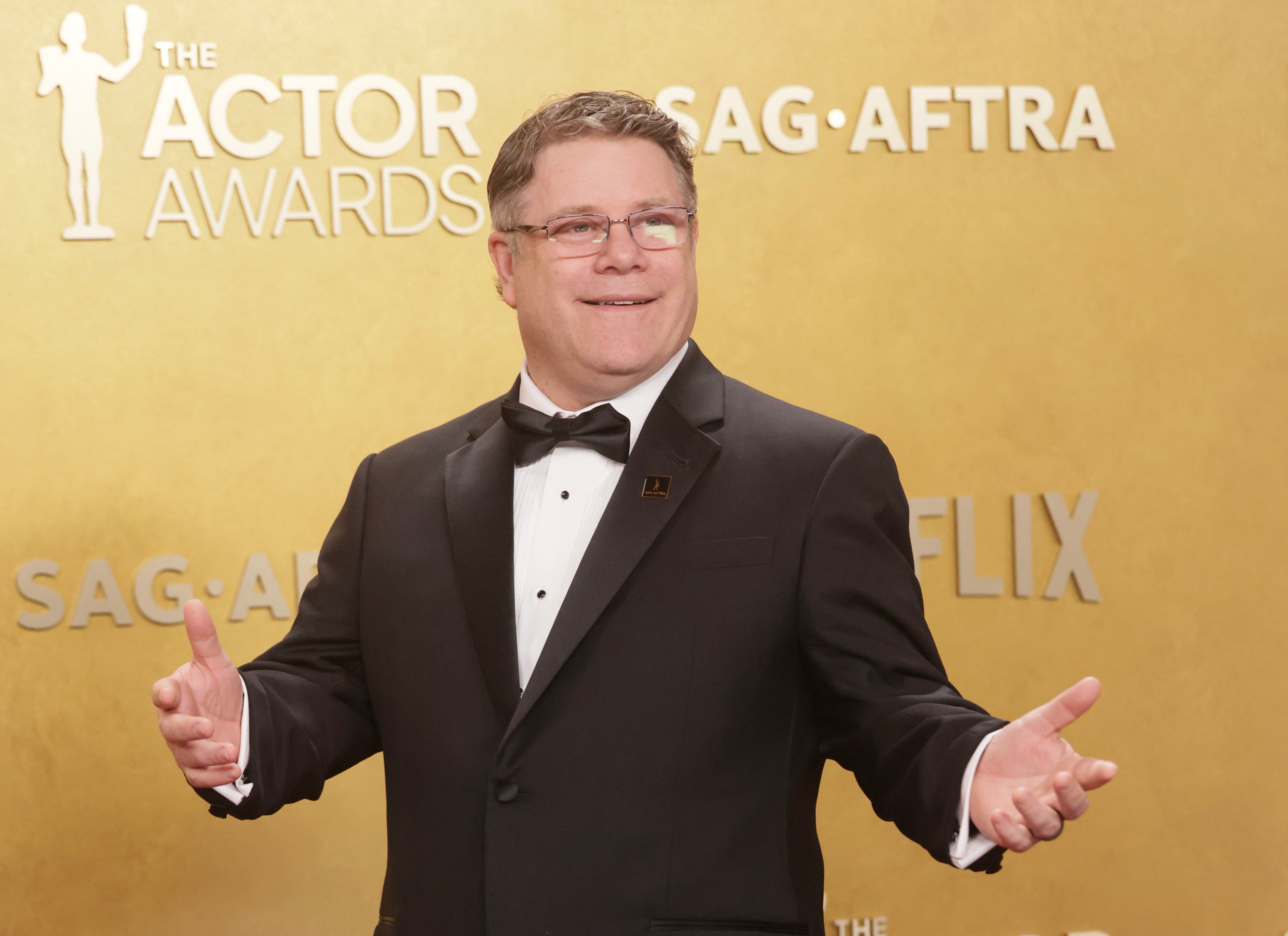
SAG-AFTRA leadership emphasized the holistic impact that runaway production has on the entire ecosystem of American entertainment communities. In a joint statement, SAG-AFTRA President Sean Astin and National Executive Director Duncan Crabtree-Ireland stated:
"President Trump’s vocal and determined leadership in calling for federal production incentives is exactly what the entertainment industry needs. Production is the lifeblood of our industry and the communities that support it."
Astin and Crabtree-Ireland stressed that performers, stunt professionals, and voice artists are inextricably linked to the physical crews who build the sets and manage the equipment, making a united front on federal policy essential.
IATSE
As the union representing the vast majority of behind-the-line technicians, artisans, and craftspeople, IATSE noted that the President’s public endorsement validates years of grassroots advocacy. In an official release, the union remarked:
"IATSE welcomes President Donald Trump’s public endorsement of a federal film and television production incentive and is encouraged to see growing support for a policy the union has championed for years."
The union highlighted its ongoing collaborative efforts with actor Jon Voight—serving as a special ambassador to Hollywood—alongside industry stakeholders and a bipartisan coalition of federal lawmakers to draft viable, comprehensive legislation.

Teamsters Local 399
Representing roughly 6,500 motion picture drivers, wranglers, mechanics, and logistics workers across California and New Mexico, Teamsters Local 399 welcomed the initiative as a vital lifeline for transportation and logistics professionals whose employment fluctuates directly with local production volumes.
"We applaud this step in the right direction," the union noted, confirming that it is actively participating in a broader industry coalition dedicated to formulating the specifics of a federal tax credit structure.
Bipartisan Legislative Voices
Democratic policymakers have similarly stepped forward to champion the cause, stripping the debate of partisan posturing. Los Angeles City Councilmember Adrin Nazarian, who chairs the council’s Ad Hoc Committee on Film, Entertainment and Creative Industry, underscored the non-partisan human element at stake:
"This is not a partisan political issue. It’s about doing what’s right for the thousands of below-the-line production workers who build the sets, haul equipment, and do a hundred other behind-the-scenes jobs."
California Senator Adam Schiff echoed these sentiments, pressing Congress to prioritize hearings and legislative markup sessions to draft a federal tax incentive capable of restoring lost jobs and revitalizing domestic creative infrastructure.
The Motion Picture Association (MPA)
Representing major Hollywood studios and streaming giants, the MPA added significant institutional weight to the movement. Charles Rivkin, Chairman and CEO of the MPA, endorsed Trump’s proposal, pointing out that a federal incentive would not merely benefit traditional coastal enclaves:
"A federal incentive has the power to bring production and high-paying jobs to communities across all 50 states, ensuring that the economic dividends of storytelling are shared nationwide."
Future Outlook: Challenges and Legislative Realities on Capitol Hill
While the convergence of support from the White House, major labor unions, studio executives, and congressional Democrats creates a formidable alliance, transforming this proposal into law will require navigating significant political and logistical hurdles.
Crafting the Legislative Framework
The most immediate challenge facing lawmakers is the drafting phase. Because President Trump’s initial proposal on Truth Social did not specify the financial parameters, structure, or funding mechanism of the incentive, the details must be hammered out by a bipartisan working group. Key questions remain:
- What will be the annual budgetary cap on the federal tax credit?
- Will the incentive prioritize mid-budget films, independent projects, and episodic television, or will it encompass massive studio blockbusters?
- How will the federal credit interact with existing state-level incentives in California, New York, Georgia, and New Mexico to avoid administrative redundancy or interstate bidding wars?
Navigating the Fiscal Climate in Congress
Passing any new federal spending measure or tax expenditure package inevitably draws scrutiny from fiscal conservatives concerned about the national debt and the federal budget deficit. Proponents of the film incentive will need to convincingly demonstrate through economic impact studies that the measure will pay for itself by generating substantial tax revenues through income taxes, local small business spending, and tourism. Advocates will argue that keeping production domestic prevents the permanent erosion of a vital manufacturing and cultural sector, safeguarding thousands of middle-class jobs that support local economies across the nation.
The Road Ahead
As Capitol Hill prepares for upcoming legislative sessions, the active involvement of a unified entertainment coalition—featuring traditional adversaries finding common ground—signals that Hollywood is mobilizing like never before. Whether Congress can successfully reconcile differing legislative priorities to pass a comprehensive Federal Production Incentive remains to be seen, but the collective push from labor, management, and lawmakers has firmly placed the future of American entertainment production at the forefront of the national economic agenda.