Executive Overview
On Thursday, 24 September, the historic stone walls of St James Garlickhythe Church in the heart of central London will resonate not merely with the echoes of centuries past, but with the transformative, restorative energy of live performance. Renowned pianist Christopher Glynn is set to host and perform in a prestigious benefit concert designed to support the vital nationwide charity Music in Hospitals & Care. He will be joined on stage by esteemed soprano Rowan Pierce and virtuosic oboist Julia White for an evening titled “Music, for a while.”
This carefully curated musical showcase bridges centuries of artistic tradition, seamlessly weaving classical masterpieces with evocative cinematic scores. Yet, beyond its aesthetic ambition, the event serves a profound philanthropic mission. Every ticket sold and donation collected will directly fund the charity’s ongoing initiatives, ensuring that vulnerable individuals residing in hospitals, care homes, hospices, and isolated community spaces across the United Kingdom can experience the proven therapeutic benefits of live music.
In an era where healthcare systems face unprecedented demands, and issues of loneliness and cognitive decline among the elderly and infirm are on the rise, this concert highlights a growing movement: the integration of the arts into formal health and social care frameworks. This report examines the upcoming event through a comprehensive lens, detailing the artists’ programme, the neurological and physiological science underpinning the charity’s mission, official commentary from the performers, and the broader future outlook for arts-in-health initiatives.
Detailed Chronology and Event Architecture
The genesis of the September concert lies in a collaborative artistic vision that values both the technical excellence of classical repertoire and the universal emotional resonance of film scores. The evening’s architecture has been meticulously designed by Christopher Glynn to take audiences on an introspective yet uplifting journey exploring how music interacts with the human condition.
The Programme: A Journey Through Memory and Consolation
The thematic anchor of the evening is drawn from Henry Purcell’s iconic baroque masterpiece, Music for a while. Serving as both the thematic blueprint and the structural bookend of the performance, the piece embodies the restorative philosophy that underpins the entire event.
+-----------------------------------------------------------------+
|              CONCERT PROGRAMME: "MUSIC, FOR A WHILE"            |
+-----------------------------------------------------------------+
|  [OPENING]      Henry Purcell – "Music for a while"             |
|  [LIEDER]       Franz Schubert – "An die Musik"                 |
|  [ART SONG]     Herbert Howells – "King David"                  |
|  [CINEMATIC]    Ennio Morricone – "Gabriel's Oboe" (The Mission)|
|  [FILM SCORES]  Selections from "The Sound of Music" & "Amélie" |
|  [CLOSING]      Henry Purcell – "Music for a while"             |
+-----------------------------------------------------------------+
As the programme unfolds, listeners will be guided through a diverse landscape of musical expression:
- Franz Schubert’s An die Musik: A profound ode to the art form itself, capturing the German Romantic tradition of elevating music to a divine force capable of transporting the soul to a better world.
- Herbert Howells’ King David: A hauntingly atmospheric twentieth-century art song that demonstrates the deep emotional storytelling characteristic of English pastoral composition.
- Ennio Morricone’s Gabriel’s Oboe: Taken from the critically acclaimed film The Mission, this soaring, melancholic melody showcases Julia White’s mastery of the oboe, creating an environment of meditative contemplation within the Wren-designed church.
- Cinematic Selections: Light and evocative pieces from beloved cinematic scores, including The Sound of Music and Amélie, injected to demonstrate how popular melodies anchor us to moments of joy, nostalgia, and shared cultural memory.
The Venue: St James Garlickhythe
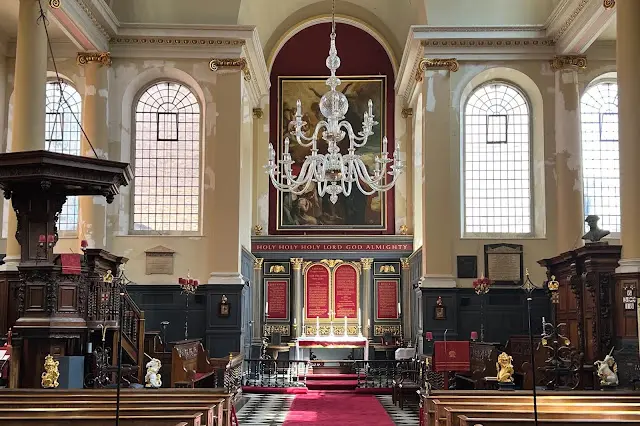
The choice of St James Garlickhythe as the venue is far from incidental. Known affectionately as "Wren’s Lantern" due to its magnificent clear glass windows designed by Sir Christopher Wren after the Great Fire of London, the church offers an intimate yet acoustically brilliant environment. Its rich history of community service and architectural beauty provide a contemplative backdrop for an evening dedicated to healing and human connection.
Supporting Context & Metrics: The Science of Sound in Healthcare
While concerts in historic churches are common cultural occurrences in London, the driving force behind this specific gathering is deeply rooted in clinical science and sociological research. Music in Hospitals & Care operates on a premise backed by a growing body of neuroscientific and psychotherapeutic evidence: live music is a clinical intervention that yields measurable physical and psychological benefits.
Neurological and Physiological Impacts
Modern research into music therapy and participatory arts reveals that hearing and interacting with live music triggers complex neural processing across both hemispheres of the brain. Key health impacts include:
- Pain Perception Reduction: Listening to engaging, live music stimulates the release of endogenous opioids (endorphins) and dopamine, which naturally elevate mood and act as mild analgesics, reducing a patient’s subjective perception of physical pain.
- Autonomic Nervous System Regulation: Live acoustic performances have been clinically shown to lower cortisol levels, reduce resting heart rates, and stabilize blood pressure, mitigating the physiological toll of chronic anxiety and clinical stress.
- Cognitive Stimulation and Memory Retrieval: For individuals suffering from dementia, Alzheimer’s disease, or age-related cognitive decline, familiar melodies act as neural keys, unlocking long-term memories and sparking lucid communication that might otherwise remain dormant.
- Natural Physiotherapy: Movement to rhythm—even micro-movements such as toe-tapping, hand-clapping, or swaying—engages motor pathways, serving as an accessible form of physical therapy for individuals with limited mobility.
The Socio-Economic Case for Arts in Care
Beyond clinical parameters, the charity addresses an insidious epidemic within modern healthcare systems: isolation. Loneliness among care home residents and hospital patients is recognized by public health authorities as a major contributor to accelerated physical decline and mental health deterioration.

+-----------------------------------------------------------------+
|              THE MULTI-FACETED IMPACT OF LIVE MUSIC             |
+-----------------------------------------------------------------+
|  [PSYCHOLOGICAL] -> Relieves stress, frustration, and isolation|
|  [NEUROLOGICAL]  -> Stimulates memory and cognitive functions   |
|  [PHYSIOLOGICAL] -> Lowers cortisol, reduces pain perception    |
|  [PHYSICAL]      -> Encourages safe movement (physiotherapy)    |
+-----------------------------------------------------------------+
By bringing world-class musicians directly to the bedside or communal lounge, Music in Hospitals & Care bridges the gap between high culture and marginalized communities. The charity’s model bypasses the physical barriers that prevent vulnerable people from attending traditional concert halls, democratizing access to high-art experiences and fostering a sense of shared humanity.
Official Statements and Artistic Insights
The conceptual weight of the evening is perhaps best captured in the reflections of the artists bringing the project to life. Christopher Glynn, whose acclaimed career as a collaborative pianist and recording artist has taken him to major international stages, articulated the philosophical core of the event in a recent statement.
"The programme is a celebration of music in its many different roles, moving between songs and melodies in which it is praised, imagined, remembered, and shared," explained Christopher Glynn.
"We begin and end with ‘Music, for a while, shall all your cares beguile.’ The opening line of one of Purcell’s most famous songs gives this programme its starting point: the idea that music can console, delight, stir memories, lift spirits, and bring people together."
Glynn’s sentiments are mirrored by the leadership and operational teams at Music in Hospitals & Care. Representatives for the organization emphasize that events of this scale are vital not only for fundraising—which directly underpins the thousands of interactive live music sessions delivered annually across the UK—but also for raising public awareness about the necessity of integrating the arts into standard care packages.
Future Outlook: The Expanding Horizon of Arts-In-Health
As the healthcare sector looks toward more holistic, patient-centric models of treatment, initiatives spearheaded by organizations like Music in Hospitals & Care are shifting from the periphery to the mainstream of medical strategy.
Scaling Impact Across the UK
The funds raised at St James Garlickhythe on 24 September will directly feed into the charity’s expansive operational pipeline. Looking ahead, Music in Hospitals & Care aims to:
- Expand Geographic Reach: Increase the frequency of visits to remote rural care facilities and underfunded inner-city NHS trusts.
- Diversify Repertoire and Practitioners: Continue commissioning diverse ensembles—ranging from classical string quartets and folk instrumentalists to jazz improvisers and vocalists—tailoring performances to the specific cultural and generational preferences of diverse patient groups.
- Deepen Academic Partnerships: Collaborate with universities and medical schools to gather longitudinal data on the cost-effectiveness of live music interventions in reducing reliance on pharmaceutical pain management and anxiety medications.
A Call to Action
The convergence of world-class artistry, historical architecture, and profound philanthropy makes the upcoming concert at St James Garlickhythe a standout event in London’s cultural calendar. It serves as an urgent reminder that art is not merely an ornamental luxury for times of prosperity, but an essential component of healing, resilience, and human dignity.
For music lovers, patrons of the arts, and advocates for progressive healthcare, the evening promises both exceptional aesthetic fulfillment and the profound satisfaction of contributing to a life-changing cause.
Further details, ticket availability, and direct donation channels can be accessed via the official Music in Hospitals & Care website.