"Music is the only thing that will give and give and give and not take." — Amy Winehouse
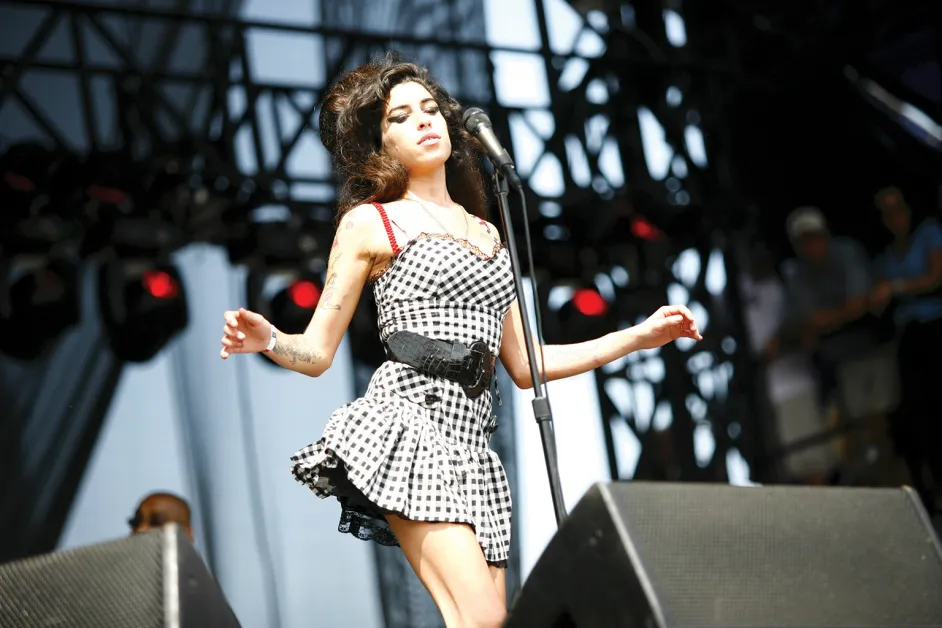
Fifteen years after her tragic passing on July 23, 2011, the voice of Amy Winehouse remains startlingly immediate. It is a voice that is intimate, sharp, intensely funny, jazz-schooled, and entirely irreplaceable.
Though she released only two studio albums during her lifetime, the sheer magnitude of her influence reaches far beyond her compact discography. Winehouse fundamentally altered the landscape of British soul, single-handedly reintroduced sophisticated jazz phrasing into mainstream pop, and demonstrated how raw, conversational songwriting could achieve universal resonance. Today, that legacy echoes vividly through a new generation of artists—including RAYE, Olivia Dean, Billie Eilish, Celeste, and Lola Young. These musicians do not merely imitate her; rather, they inherit her radical freedom to fuse classic, mid-century musical references with the honest, unfiltered realities of modern life.
Executive Overview: The Architectural Blueprint of Modern Soul
To understand Amy Winehouse is to understand an artist who lived entirely through her craft. From her smoky, syncopated debut to the era-defining heartbreak of her sophomore masterpiece, Winehouse operated without artifice. Her untimely death at the age of 27 cast a long, somber shadow over the music industry, prompting profound conversations regarding celebrity, media intrusion, and mental health.
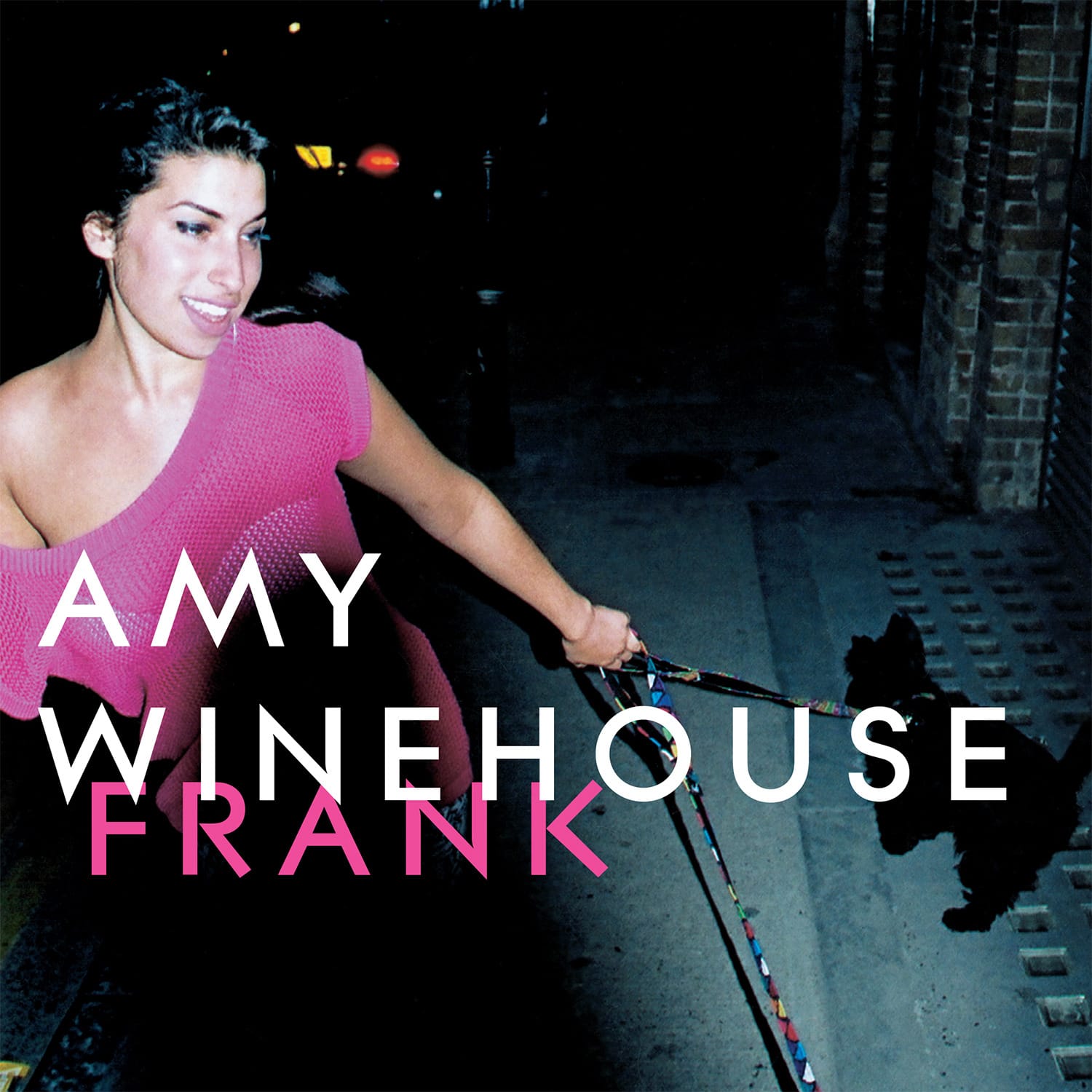
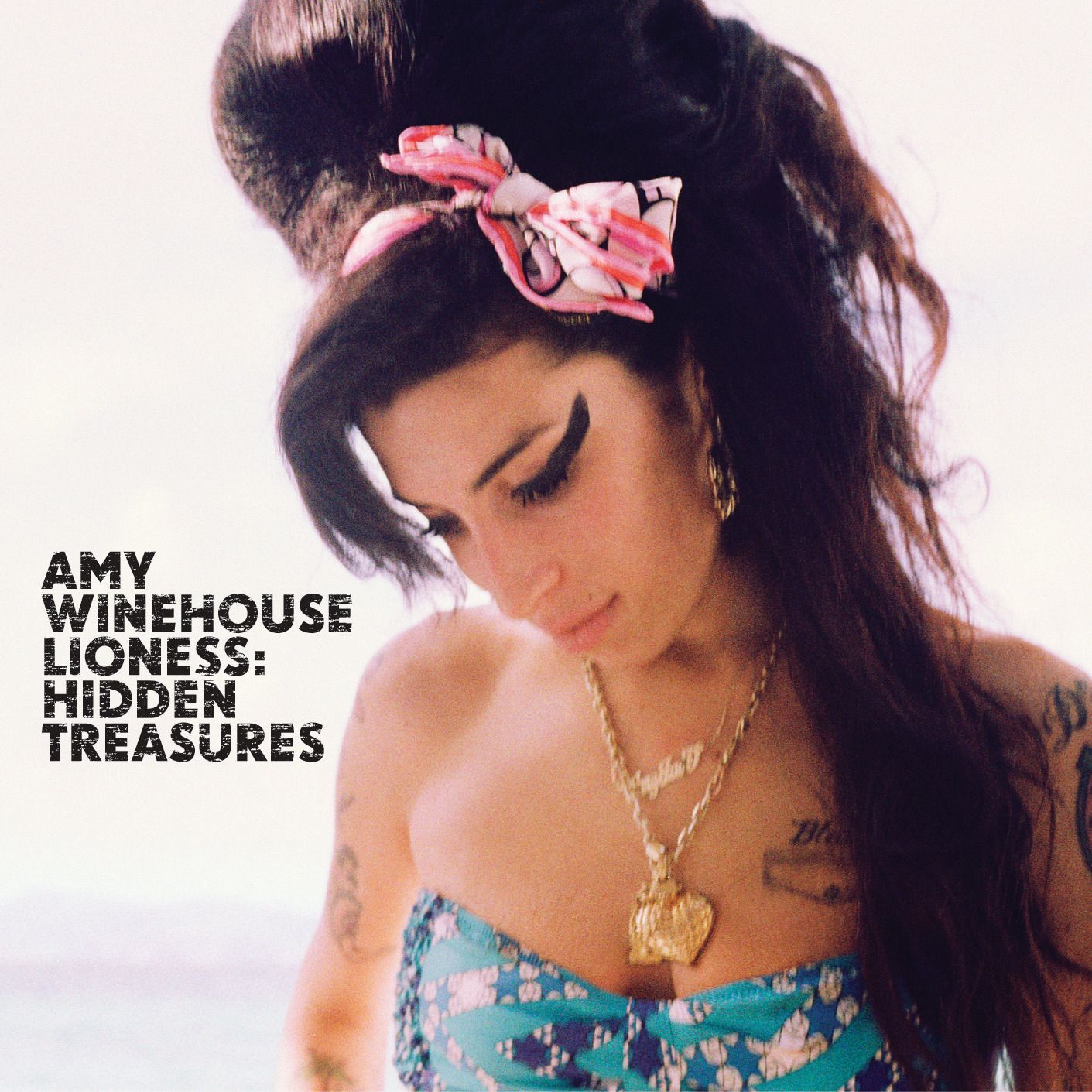
Yet, fifteen years later, the cultural narrative has rightfully shifted away from the tabloid tragedies and back toward her extraordinary musicianship. Her discography stands as a monument to uncompromising artistic vision. Across her foundational studio albums, Frank (2003) and Back to Black (2006), alongside the posthumous compilation Lioness: Hidden Treasures (2011), Winehouse gifted the world an idiom of vulnerability and strength that continues to serve as a masterclass for contemporary songwriters.
Detailed Chronology: From North London Jazz Clubs to Global Iconography
The Genesis of a Sound: Pre-Fame and Musical Foundations
Growing up immersed in her father Mitch’s expansive record collection, a young Amy was surrounded by the mid-century titans of American vocal jazz and soul. Voices like Frank Sinatra, Dinah Washington, and Sarah Vaughan became her earliest teachers. This foundational education shaped an instinctive, deeply informed sound that allowed her to move freely across genres.
Winehouse effortlessly blended soul, jazz, R&B, reggae, ska, and 1960s girl-group pop, anchoring it all with a vocal delivery firmly rooted in sophisticated jazz phrasing. Her undeniable talent was evident early on; in her application to the Sylvia Young Theatre School at age twelve, she wrote with startling clarity: "I want people to hear my voice and just forget their troubles for five minutes."
2003: Frank — The Arrival of a Prodigy
At just 19 years old, Winehouse signed to Island Records, a breakthrough catalyzed by label executive Darcus Beese. Beese had stumbled upon her voice on a promotional recording for an entirely different client, subsequently spending months tracking down the mysterious young vocalist.
Released in 2003, her debut album, Frank, introduced the world to an artist with a fully formed identity. The production—steered by Salaam Remi, Commissioner Gordon, and Jimmy Hogarth—provided Winehouse with ample sonic room to navigate. Hip-hop-influenced beats sat comfortably alongside upright acoustic bass, sweeping brass sections, and complex jazz harmonies, while her voice slipped effortlessly behind or danced ahead of the rhythm. Frank was an unflinchingly honest, brilliant debut by an artist determined to remain entirely herself.
"I don’t need help because if I can’t help myself I can’t be helped." — Amy Winehouse
2006: Back to Black — An Era-Defining Masterpiece
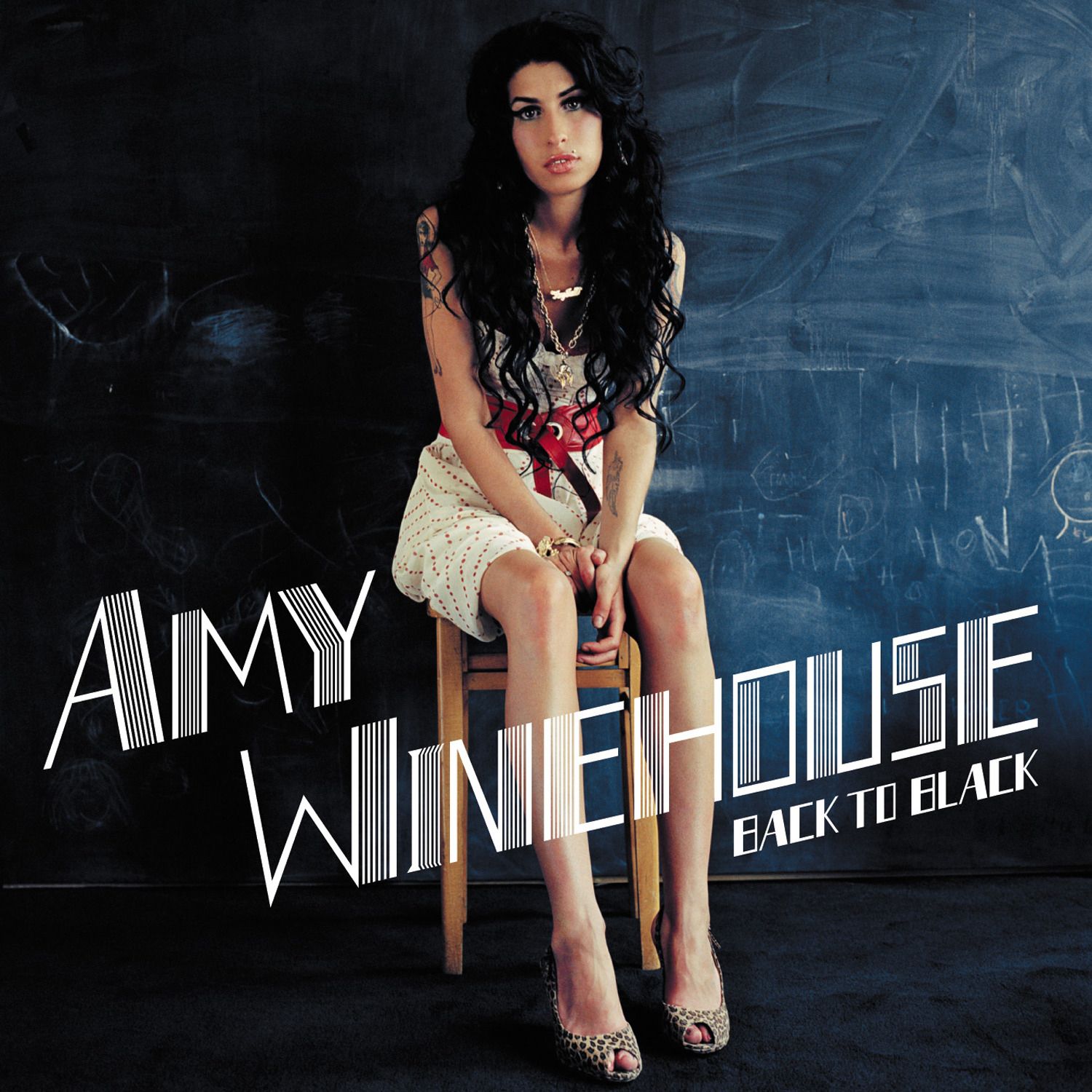
If Frank announced her arrival, 2006’s Back to Black cemented her immortality. One of the most era-defining albums of the 21st century, the record found Mark Ronson and the Dap-Kings injecting the punch and symphonic sweep of 1960s soul, while Salaam Remi preserved the warmth and rhythmic looseness established on her debut.
At the center of these contrasting approaches was Winehouse’s voice—conversational in one breath and utterly devastating in the next. Classic soul arrangements framed lyricism that was direct, modern, and intensely personal. Heartbreak was laced with sharp humor; raw vulnerability sat shoulder-to-shoulder with fierce pride; and profound regret arrived hand-in-hand with unflinching self-awareness. Winehouse refused to make difficult emotions neat or polite, which is precisely why the record remains a universal touchstone.
Fuelled by her tumultuous personal life, ongoing battles with substance abuse, and her famous defiance toward intervention, Back to Black translated real-life anguish into immortal art. The album earned international acclaim, yielding six Grammy nominations and historic victories, including five wins. Two decades on, it remains a pillar of modern music and a definitive Rough Trade Essential.
2011: The Tragic Loss and Posthumous Consolidation
Following her tragic passing in July 2011, close collaborators Salaam Remi and Mark Ronson returned to the archives. Sifting through recordings made before, during, and after the creation of her two studio albums, they realized they were holding a trove of material that demanded to be heard.
Released posthumously via Island Records, Lioness: Hidden Treasures brought together twelve tracks comprising unreleased gems, stunning alternate versions of established classics, and brand-new compositions. It served as a poignant reminder of an artist who lived for the stage. As Winehouse herself once noted: "I live to go on stage. I would be on tour for the rest of my life if I could be."
Supporting Context & Metrics: Cultural Resonance and Film Archival
The enduring fascination with Winehouse’s life and art has inspired major cinematic explorations. Asif Kapadia’s Academy Award-winning 2015 documentary, Amy, offered an intimate, archive-led portrait that stripped away tabloid headlines to reveal the sensitive artist beneath. Later, Sam Taylor-Johnson’s 2024 narrative biopic, Back to Black, introduced her narrative and music to a brand-new generation of listeners, sparking industry-wide discussions regarding the complexities of recreating an icon’s unmistakable musical world on screen.
Critical Metrics of Impact
Grammy Success:Back to Black made Winehouse the first British female artist to win five Grammy Awards in a single night (2008), including Record of the Year and Song of the Year for "Rehab."
Global Sales: Both studio albums have collectively sold tens of millions of copies worldwide, achieving multi-platinum status across Europe and the Americas.
Legacy Streaming Numbers: Decades after release, tracks like "Back to Black," "Valerie," and "Rehab" pull in hundreds of millions of streams annually, proving her timeless appeal to Generation Z and Millennial audiences alike.
Official Statements and Industry Insights
Reflecting on the meticulous sonic architecture of Back to Black for the screen, music producer Giles Martin and music supervisor Iain Cooke shared insights into the daunting task of capturing Winehouse’s lightning-in-a-bottle brilliance.
"Recreating the world of Amy Winehouse requires absolute respect for her uncompromising ear," noted Martin during a retrospective conversation on her musical production. "She wasn’t just singing melodies; she was inhabiting every single syllable, bending pitch and rhythm in a way that very few vocalists in history could ever hope to replicate."
Future Outlook: A Timeless Blueprint for Generations to Come
Fifteen years removed from her physical absence, Amy Winehouse’s blueprint for modern songwriting remains more vital than ever. The modern musical landscape—one that increasingly values genre-fluidity, emotional transparency, and lyrical candor—bears her fingerprints at every turn.
Artists like RAYE and Billie Eilish carry forward her ethos: that pop music can be deeply intellectual, stylistically eclectic, and ruthlessly honest all at once. Whether through the smoky jazz-club intimacy of Frank, the cinematic heartbreak of Back to Black, or the poignant closure of Lioness: Hidden Treasures, Winehouse’s art continues to give, and give, and give.
"I don’t ever want to do anything mediocre. I want to be different, definitely. I’m not a one-trick pony. I’m at least a five-trick pony." — Amy Winehouse
A one-of-a-kind voice, an extraordinary artist, and an unforgettable spirit. Then, now, always.