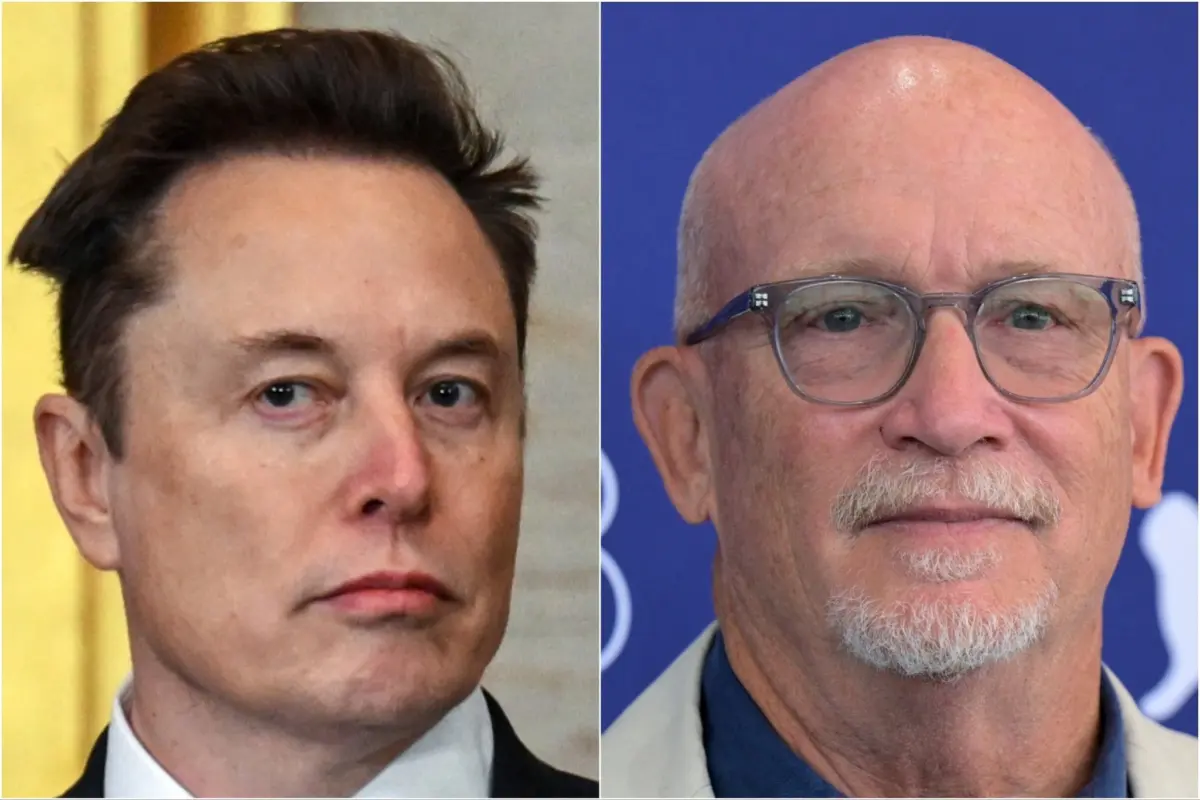
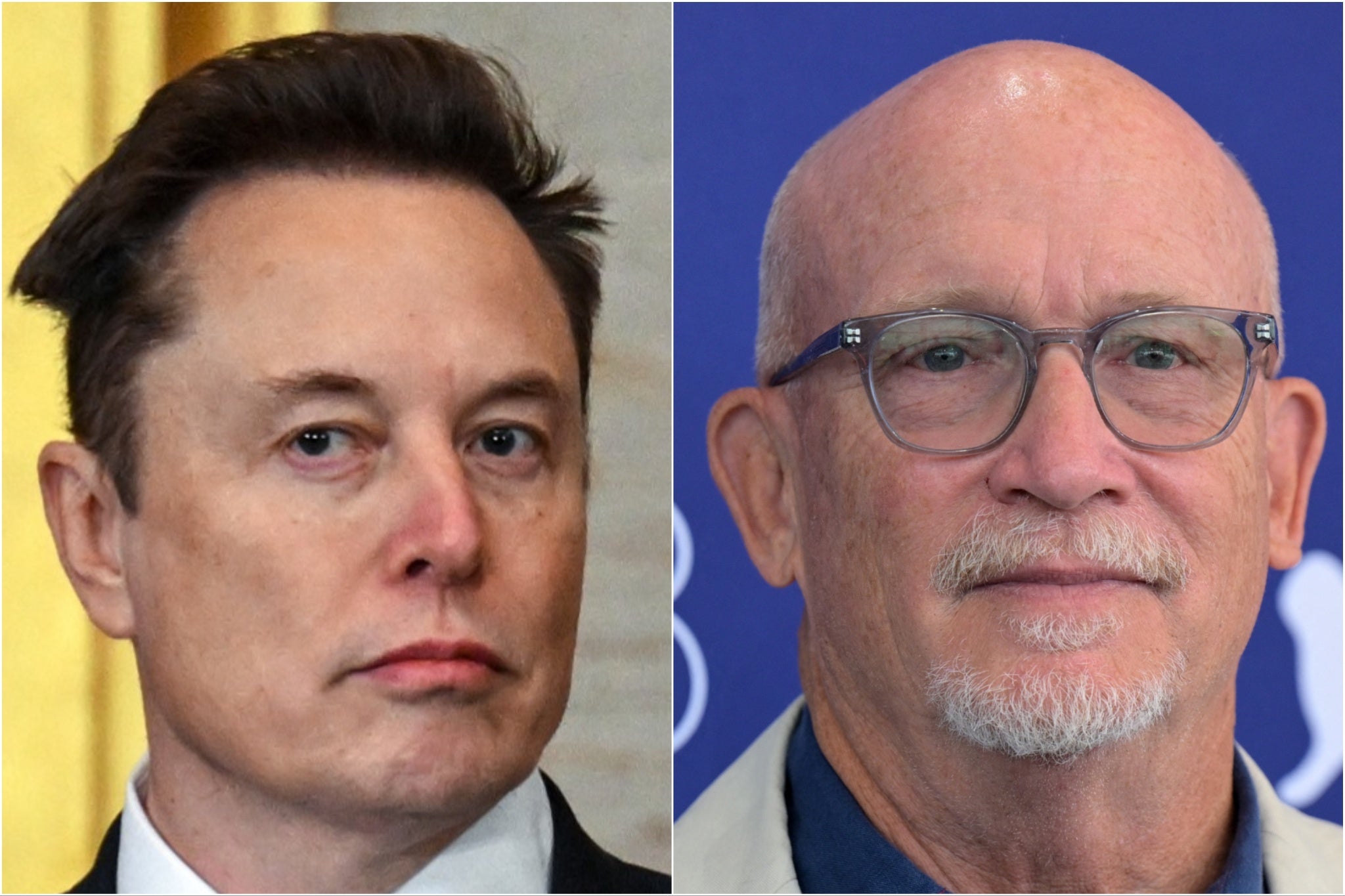
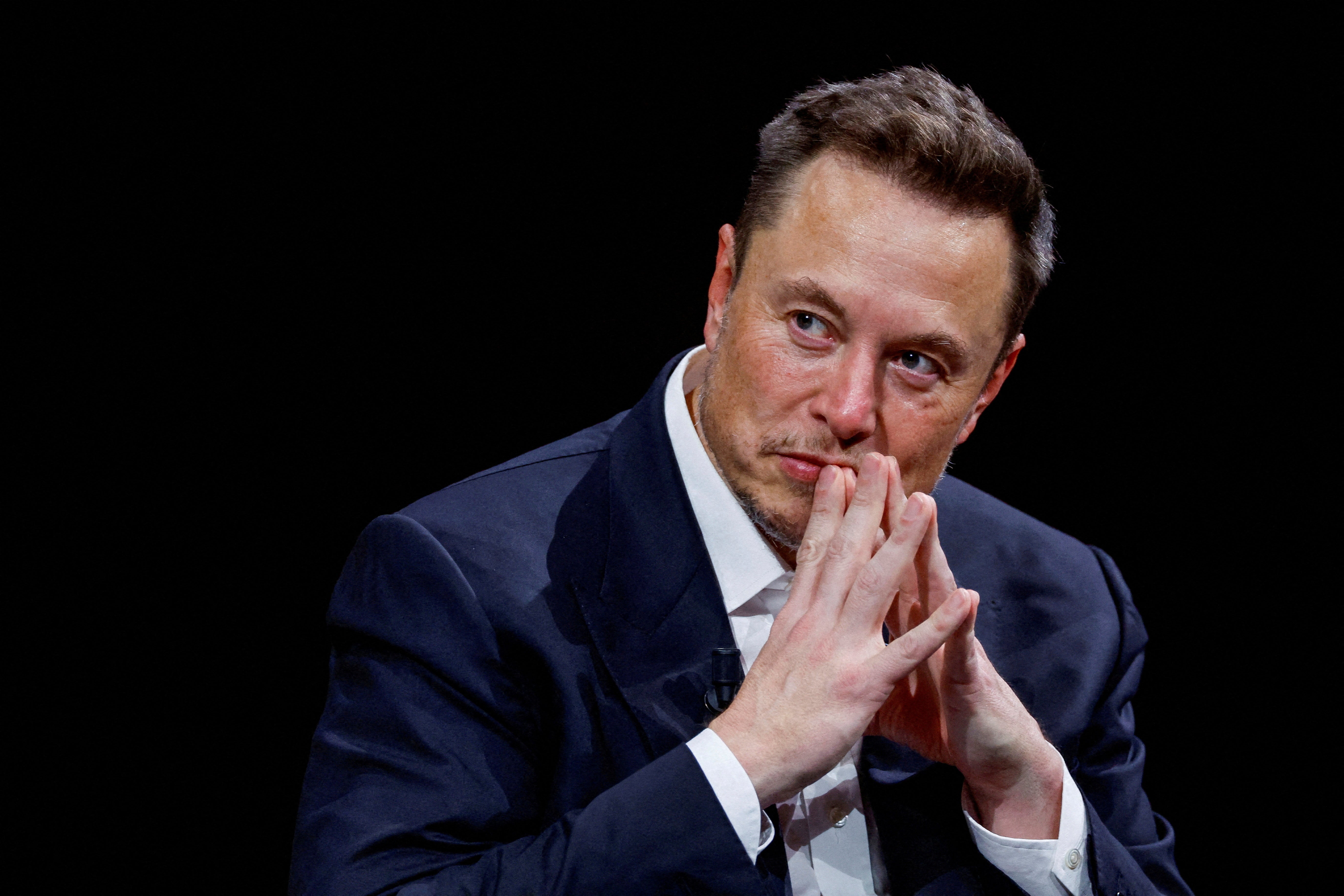
The intersection of high-stakes technology, political influence, and documentary filmmaking reached a boiling point at the Venice Film Festival with the premiere of Musk, a nearly four-hour investigative feature directed by Academy Award-winning filmmaker Alex Gibney. The sprawling, unflinching documentary—titled simply after its subject—painted a searing, critical portrait of the world’s richest man, examining his corporate empire, personal relationships, and unprecedented global influence.
Earning a polarized reception that culminated in a five-minute standing ovation from festival attendees, the film immediately drew the fierce ire of its subject. Elon Musk took to X (formerly Twitter), the social media platform he acquired for $44 billion in 2022, to launch a scorching counter-offensive. Labeling Gibney a “bitter old man” with “zero integrity,” Musk dismissed the critically acclaimed project as a fraudulent “hit piece that misses.”
The documentary features explosive testimonies, most notably from former MAGA influencer and Musk’s ex-partner Ashley St. Clair, who alleges that the billionaire sought out young women to act as "breeders" for a vast progeny, citing a text message in which Musk allegedly stated a need to build "a legion of children before the civil war." St. Clair also claims that Musk’s inner circle attempted to silence her with a $40 million non-disclosure agreement (NDA)—an allegation Musk has vehemently denied.
As the film prepares for its theatrical release on October 16, the clash between Gibney’s investigative approach and Musk’s formidable media apparatus has ignited a fierce debate over journalistic ethics, the responsibilities of modern tech titans, and the cultural power of documentary cinema.
Detailed Chronology
The Venice Premiere and Critical Reception
The controversy erupted on a Tuesday at the Venice Film Festival, where Musk made its world debut. Spanning an exhausting yet hypnotic 225 minutes, the documentary unspooled before an international audience of cinephiles, journalists, and industry insiders. The screening concluded with a dramatic five-minute standing ovation, signaling immediate critical intrigue.
However, the tone of the reviews was far from conventional celebrity hagiography. Major entertainment trade publications immediately recognized the film as a devastating critique. The Hollywood Reporter characterized Musk as a "poleaxing portrait of the tech titan as a con man given way too much power to be stopped," warning readers that the nearly four-hour runtime would leave audiences "simmering in outrage." Similarly, Variety described the feature as a "lacerating portrait of technocratic brilliance, power lust, and crackpot delusion."
Musk’s Social Media Counter-Offensive
The billionaire’s response was swift, unvarnished, and broadcast globally to his hundreds of millions of followers. Utilizing the platform he owns, Musk unleashed a series of scathing posts attacking both the film’s quality and its director’s character.
“Gibney deliberately set out to make a hit piece and lacks any integrity whatsoever,” Musk posted.
In subsequent updates, he doubled down on his critique, writing, “Gibney has zero integrity. Zero. Fortunately, his movies are boring af…. It’s a hit piece that misses, and makes the fatal sin of being boring for 4 hours.”
Musk further characterized the documentary as a cobbled-together list of disgruntled voices:
“Gibney just assembled a hit list of people who either have an axe to grind or don’t even know me (but still have an axe to grind)…. Yeah, he’s a bitter old man who lost the plot long ago.”
In perhaps his most colorful dismissal, Musk remarked that "Dogs*** is worth more respect than Gibney." He also specifically addressed and denied claims made regarding an alleged multi-million-dollar NDA, asserting on X that St. Clair "was never offered that and has a history of making false claims."
Press Conference Revelations and Insider Reactions
The friction intensified during the festival’s official press conference, where Gibney defended his creative choices and offered psychological insights into his subject. Addressing why prominent allies or insiders of Musk were absent from the project, Gibney revealed that individuals he approached displayed a "tremendous sense of fear" that felt "existential."
The director did not mince words regarding his personal assessment of the tech entrepreneur, calling Musk "extremely ridiculous." Venturing into a psychoanalytic perspective, Gibney pointed to Musk’s formative years:
"He had a childhood that was very difficult and traumatic. To some extent he’s now playing out that trauma on the rest of us, if I were to psychoanalyze the situation."
Echoing Musk’s defense, allies from his political and corporate sphere quickly mobilized online. Katie Miller—a podcaster, wife of Donald Trump’s adviser Stephen Miller, and former communications director for Musk’s short-lived Department of Government Efficiency (DOGE)—criticized the film’s reliance on outside perspectives. Sharing her thoughts on social media, Miller argued: "It simply can’t be ‘definitive’ if the people who were present didn’t participate. This fictional movie is a hit job by a self-obsessed Hollywood director."
Supporting Context & Metrics
The Allegations of Ashley St. Clair
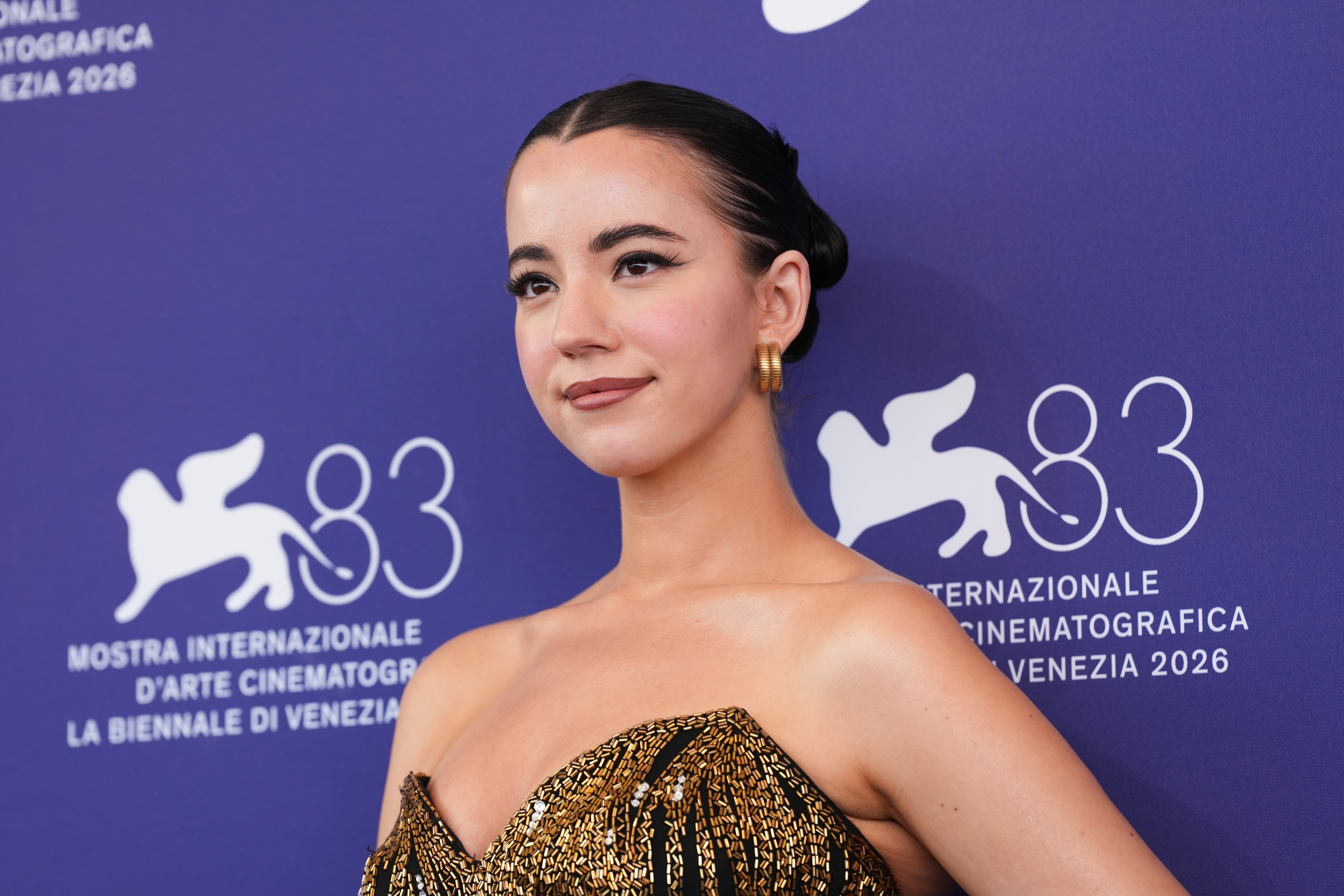
Central to the documentary’s narrative arc are the revelations provided by Ashley St. Clair, a former MAGA influencer who shares a son, Romulus, with Musk. St. Clair’s testimony dives deep into the personal dynamics of the billionaire, who currently acknowledges 14 children across multiple relationships.
During the Venice press conference and within the film itself, St. Clair claimed that Musk texted her directly to express his desire to father children with her, rationalizing the request by stating he needed "a legion of children before the civil war." Furthermore, St. Clair alleged that representatives for Musk approached her with a staggering $40 million NDA offer designed to buy her silence regarding their relationship and shared child—an assertion that Musk’s camp has firmly rejected as fabricated.
Beyond personal grievances, St. Clair used her platform at the festival to warn against the societal implications of Musk’s media empire:
“Whatever it is, what he’s doing with this platform on X cannot be ignored, because he is stoking flames that don’t exist in the real world… I do believe that he is causing deliberate division that may be catastrophic if it’s not regulated or tamed, or if we don’t do our part in putting it down.”
Legal Maneuvers and Fact-Checking Disputes
The battle lines were drawn long before the Venice red carpet rolled out. According to reports from The Hollywood Reporter, Musk’s high-powered attorney, Alex Spiro, dispatched a formal letter to the documentary’s production team. The correspondence accused Gibney of misrepresenting foundational facts about Musk’s business dealings and personal history, while also condemning the director for allegedly failing to adequately engage with Musk’s corporate and legal representatives during the fact-checking phase.
Gibney countered these assertions by maintaining that invitations were repeatedly extended to Musk and his inner circle to collaborate or sit for interviews, offers that were ultimately declined or ignored.
Official Statements
Alex Gibney (Director): Emphasized the climate of fear surrounding the billionaire’s orbit during production, noting that potential interviewees were terrified of professional or personal retaliation. He summarized Musk’s public persona as "extremely ridiculous" and suggested that the billionaire’s tumultuous South African upbringing has manifested as a public crisis playing out on a global stage.
Elon Musk (Subject / CEO of Tesla, SpaceX, and X): Condemned the documentary via X as an incompetent "hit piece," branding the director a "bitter old man" devoid of professional integrity, while categorically denying allegations of offering a $40 million NDA to Ashley St. Clair.
Ashley St. Clair (Film Subject / Ex-Partner): Highlighted the alleged ideological motives behind Musk’s family-planning choices and warned the international community about the destabilizing real-world impacts of his digital influence and platform governance.
Katie Miller (Political Ally / Podcaster): Dismissed the documentary’s legitimacy on social media, arguing that a definitive portrait of the tech titan is impossible without the active participation of his loyalists.
Future Outlook
As the dust settles over the Venice Film Festival, the cultural and commercial trajectory of Musk enters its next phase. With a theatrical release date locked in for October 16, the film is poised to transition from an exclusive festival talking point to a mainstream cinematic event that will test public appetite for critical examinations of contemporary tech oligarchs.
The fallout from the documentary highlights a broader, ongoing war over narrative control in the digital age. For Gibney, Musk represents a continuation of his career-long mission to dissect power, institutional corruption, and hubris—following in the footsteps of his previous investigations into Enron, Scientology, and Theranos. For Musk, the project is merely the latest skirmish in a persistent crusade against mainstream media institutions and critical biographers.
Whether the documentary will significantly alter public perception of the world’s wealthiest individual remains to be seen. However, by thrusting private dynamics, controversial political ideologies, and corporate governance into the cinematic spotlight, Musk has successfully forced a global conversation about the accountability, motivations, and unchecked influence of modern technology’s most polarizing figure.