Executive Overview
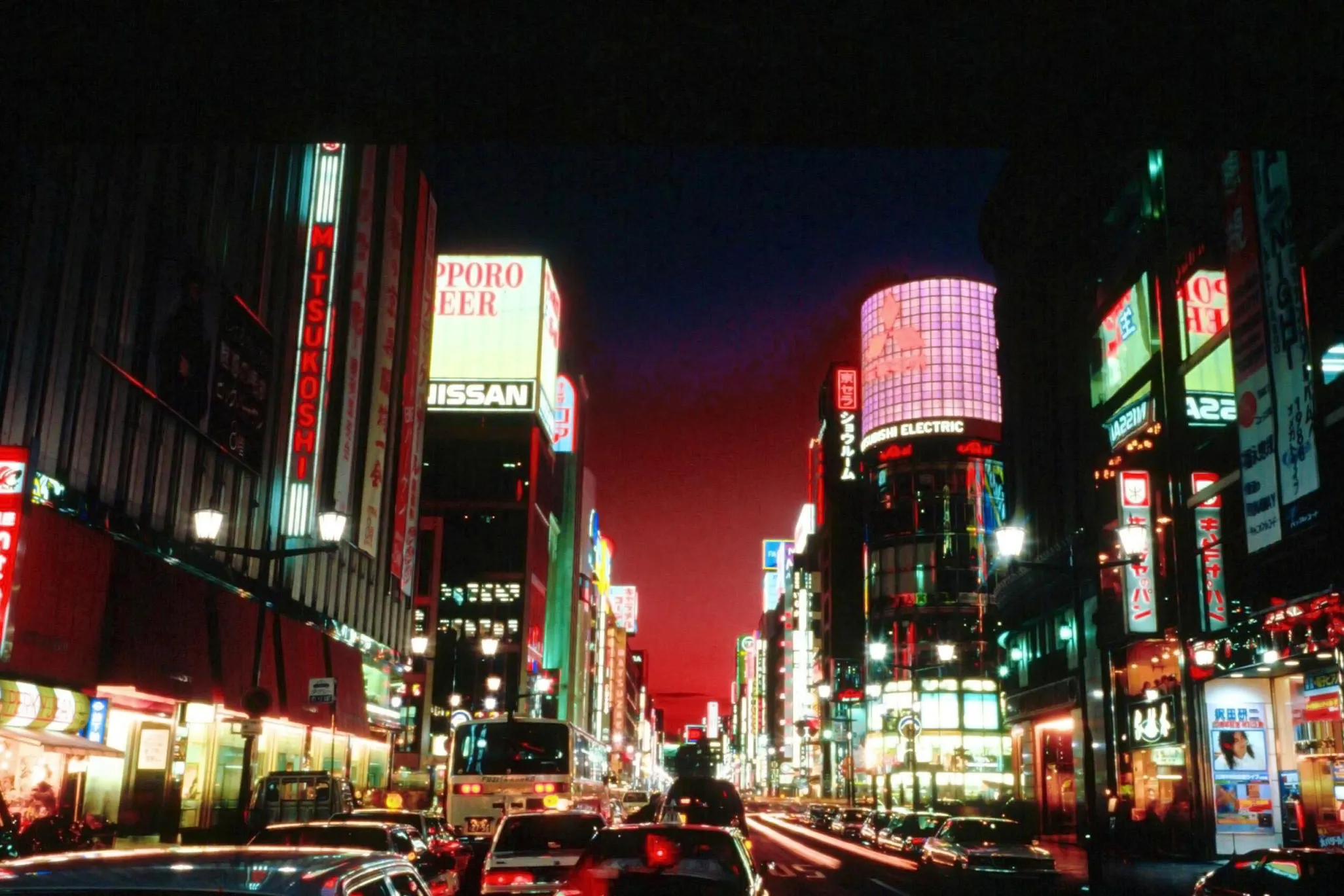
Sun-soaked geometric vistas stretch unmarred toward horizons of artificially perfect palm trees silhouetted against an impossible blue. Neon signs cast iridescent pinks and purples over labyrinthine concrete canyons, where skyscrapers pierce the night and empty freeways promise an urban existence of endless romance and possibility. More than just a collection of frequencies, frequencies bound to magnetic tape or spun on vinyl, "city pop" is an all-encompassing cultural artifact. It describes an era, an aesthetic, a psychological atmosphere, and a fully realized lifestyle.
As Japanese city pop travels far beyond its 1970s and 1980s origins, it has ensnared a passionate new global audience, bridging the chasms of language, geography, and time. This worldwide revival is set to reach a landmark physical crescendo in August 2026, when guitar virtuoso Masayoshi Takanaka headlines City Pop Waves at the Crystal Palace Bowl—London’s premier outdoor festival dedicated entirely to the genre. Today’s global revivalists treat figures like Takanaka as foundational architects of the sound. Though his precise sonic output leans closer to jazz fusion and instrumental rock, his meteoric rise occurred within the same golden cultural epoch, defined by the same smooth, tropical, and aggressively upbeat aesthetic that governs the entire movement.
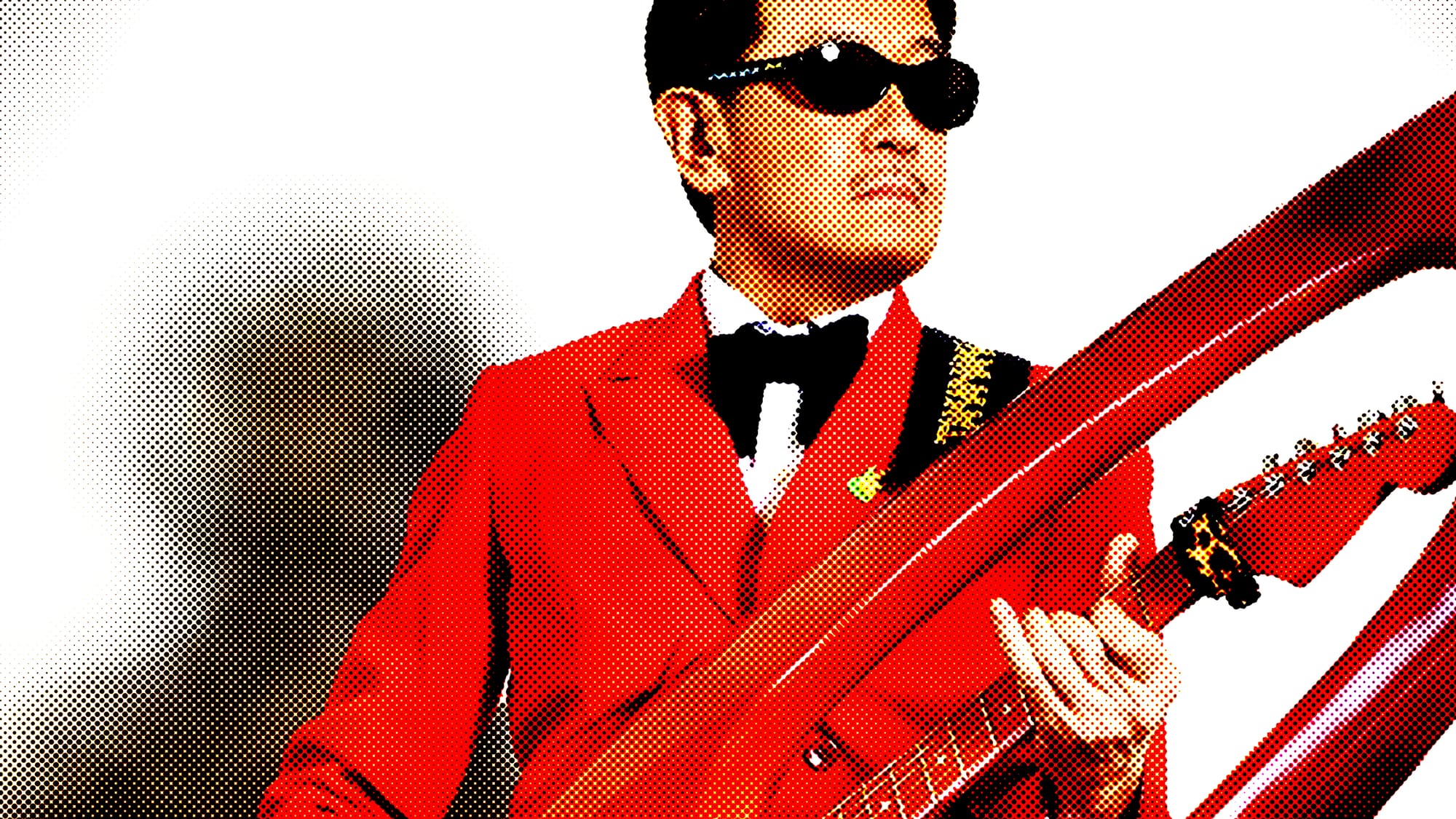
To celebrate this unprecedented cultural renaissance, we turn to Rough Trade Nottingham’s resident crate-digger and city pop aficionado, Jono Beard. In the following exploration, Beard guides us through ten essential Japanese city pop albums, traversing the spectrum from Takanaka’s sun-drenched Seychelles to cult-status masterworks by Taeko Ohnuki, Haruomi Hosono, Junko Yagami, and beyond.
Detailed Chronology: Ten Essential Albums That Shaped the City Pop Paradigm
Japan possessed the second-largest music market in the world during the post-war economic boom, a hyper-capitalist hothouse that cultivated an astonishing density of talent. While it is impossible to catalogue every contributor, Beard has mapped a chronological trajectory through ten definitive monuments of the genre.
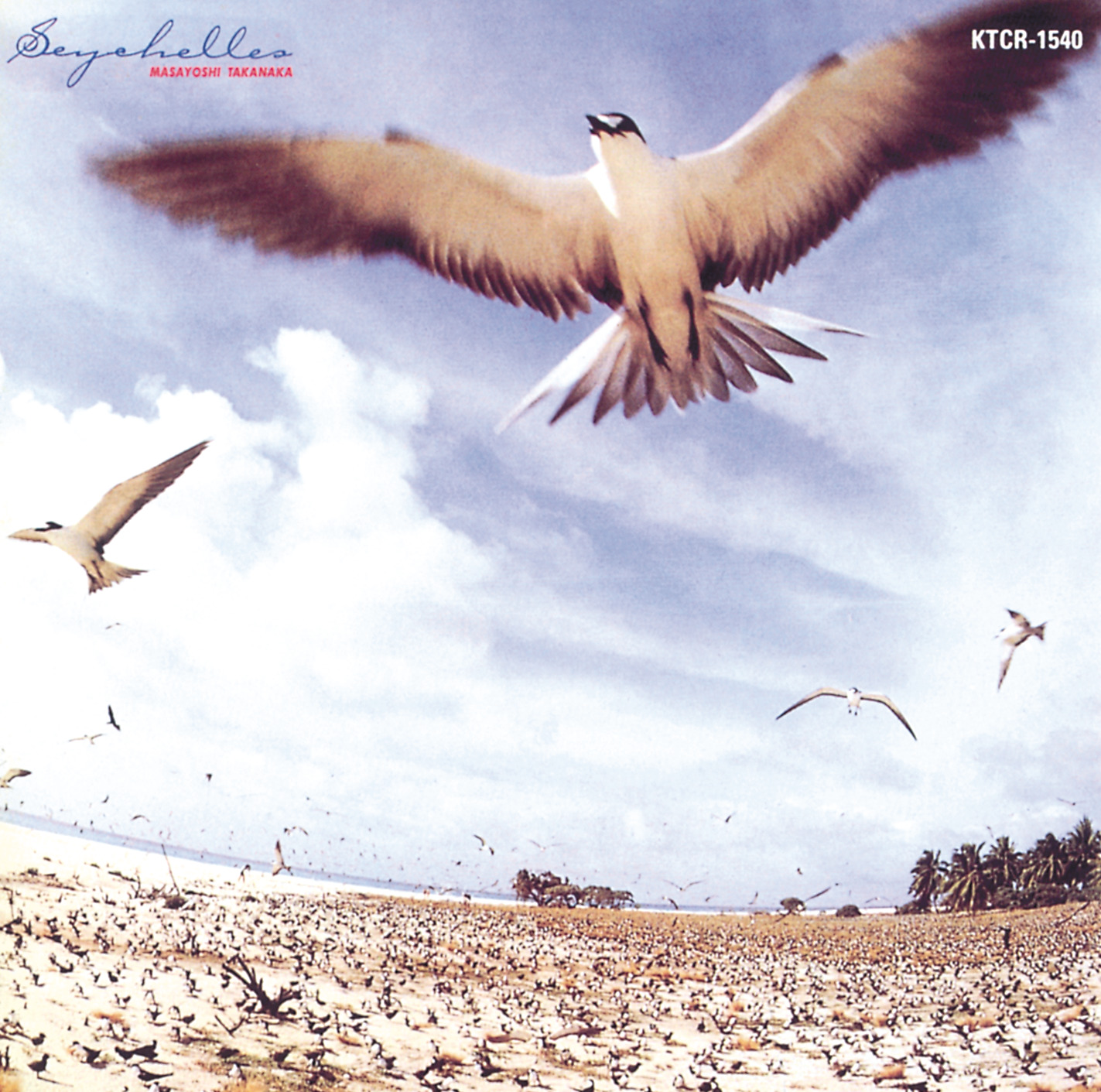
1. Masayoshi Takanaka – Seychelles (1976)
Released in the searing heat of the summer of 1976, Seychelles is a quintessential milestone and one of the genre’s earliest definitive statements (narrowly preceded by seminal records like Sugar Babe’s Songs). While technically anchored in jazz fusion—with Takanaka executing virtuosic guitar lines reminiscent of Carlos Santana—its breezy, vibrant, funky, and tropical ethos codified the precise vibe the world would come to recognize as city pop. Much like Western yacht rock, the tracks are light, buoyant, and deceptively easy to digest. Yet, the real engine of the record is its staggering musicianship. Takanaka’s intricate arrangements reveal an artist operating as a fully fledged auteur right out of the gate.
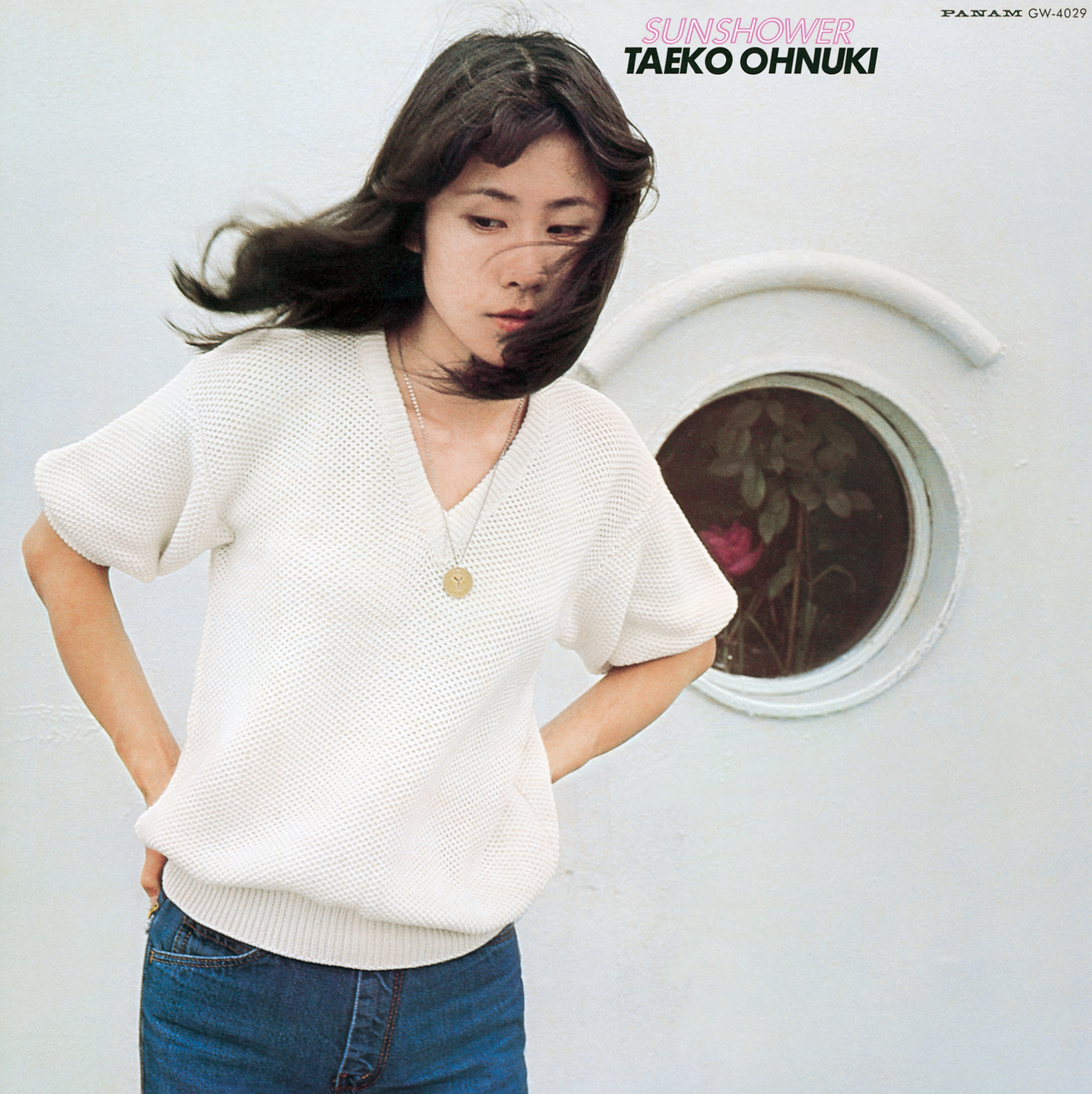
2. Taeko Ohnuki – Sunshower (1977)
A founding member of the legendary group Sugar Babe, Ohnuki leveraged the promise of that outfit (alongside her 1976 solo debut, Grey Skies) to deliver her sophomore masterwork, Sunshower, in 1977. Though still officially navigating the broader "New Music" era, this record points resolutely toward the commercial, slickly produced funk that would utterly dominate the following decade of city pop. The intricate, groove-heavy arrangements—crafted by a pre-Yellow Magic Orchestra Ryuichi Sakamoto—are uniquely juxtaposed against Ohnuki’s vocals: pure, high, and airy, possessing an idiosyncratic, quirky charm rather than overt sensuality. Sakamoto also contributes the chilling, rippling synthesizer backdrops on the eerie penultimate track, "Sargasso Sea."
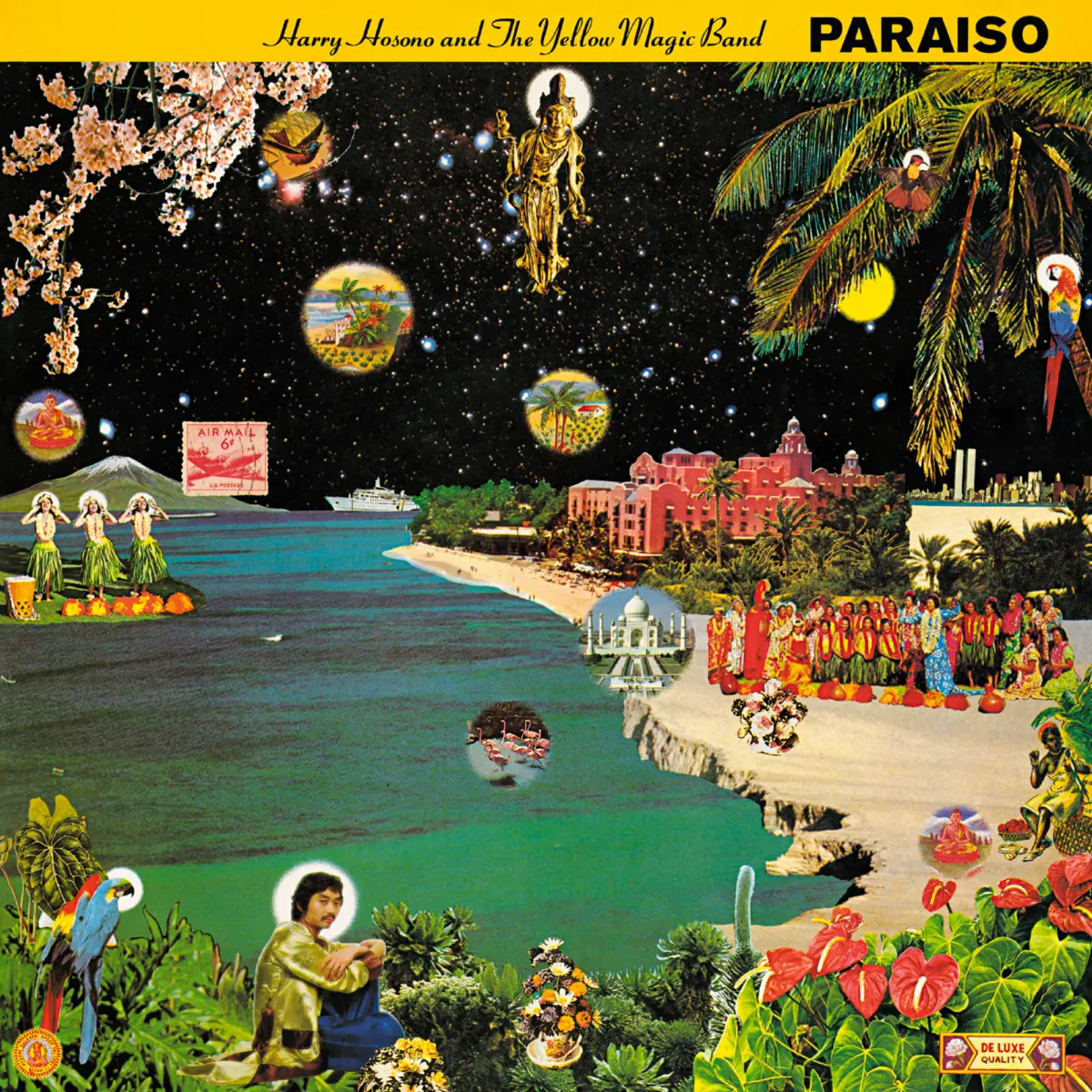
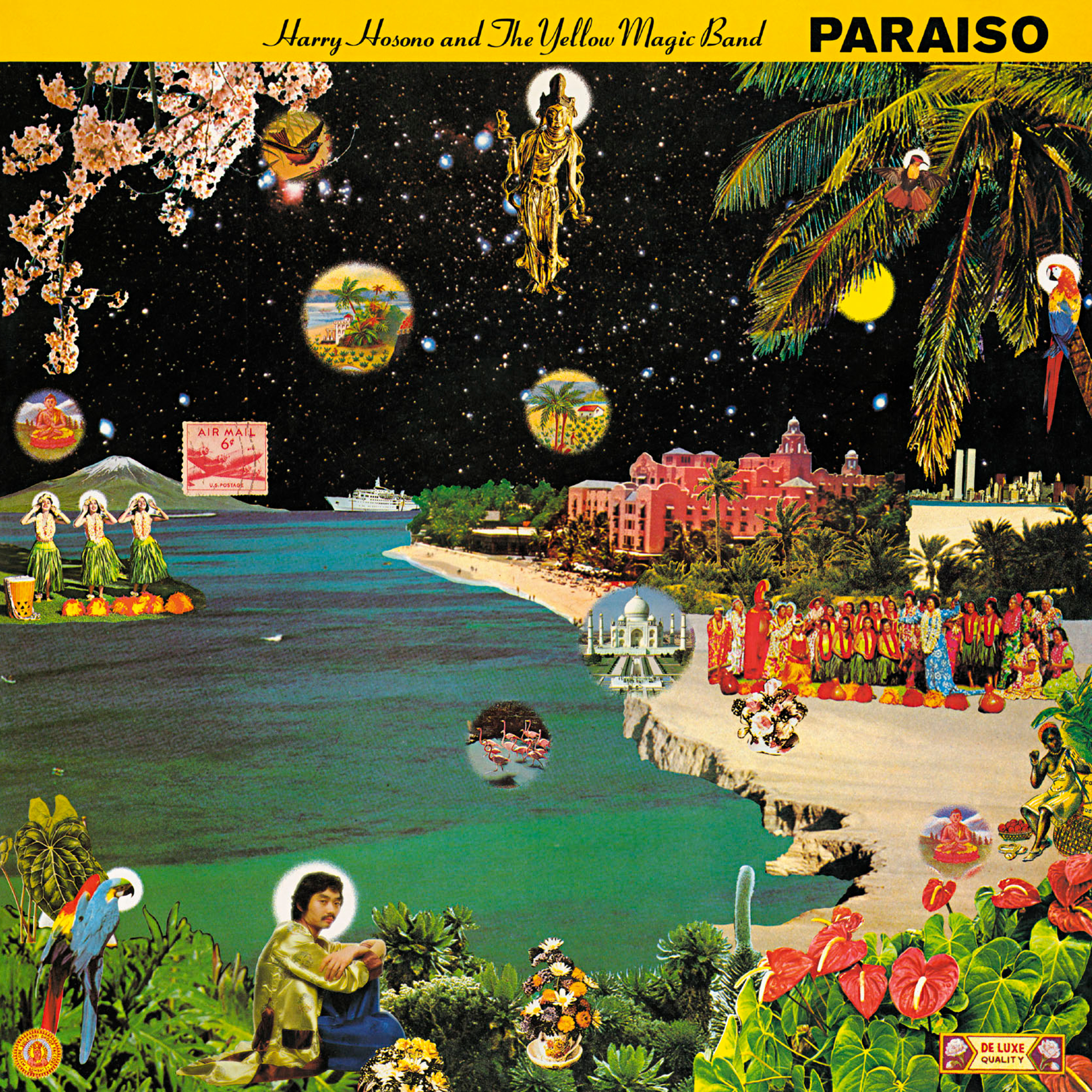
3. Haruomi Hosono – Paraiso (1978)
Easily one of the most eccentric releases in the canon, Paraiso leans into the playful, slightly psychedelic weirdness that often colors Western perceptions of Japanese pop culture. Yet beneath its playful exterior lies a supremely uplifting, joyous record. Hosono blends exotica and tropicalia through a distinctly psychedelic lens, evoking a sonic portrait akin to Little Feat fronted by Bill Withers and produced by Les Baxter. As a pioneering composer, producer, and founding member of both Happy End and Yellow Magic Orchestra, Hosono demonstrates why his footprint remains indelible across generations of alternative Japanese electronic and pop composition.
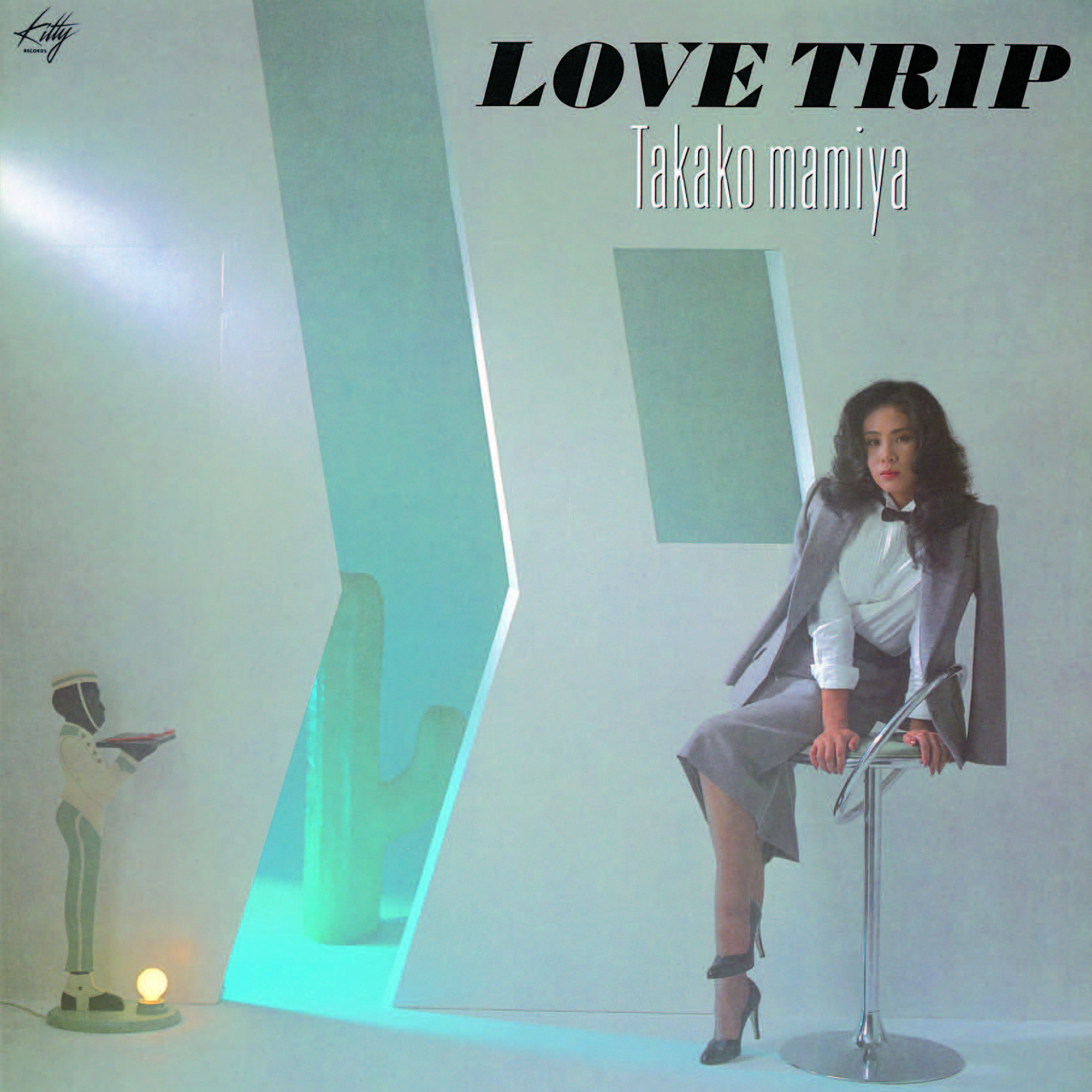
4. Takako Mamiya – Love Trip (1982)
From its effortlessly sophisticated sleeve art to the iconic Kitty Records center label, Love Trip screams "cult classic" before a single note is even played. Coupled with the enigmatic biography of Mamiya—who released this sole studio album before vanishing from the commercial spotlight—it has all the ingredients of an internet-age legend. Musically, however, it completely justifies its hyper-elusive status. Straddling the intersections of city pop, sophisti-pop, and smooth jazz, tracks from Love Trip could easily slide into a playlist alongside Roxy Music’s Avalon, Randy Crawford’s Secret Combination, or Everything But The Girl’s The Language Of Life. It is opulent, melancholic, and dripping with sophisticated yuppie ennui.
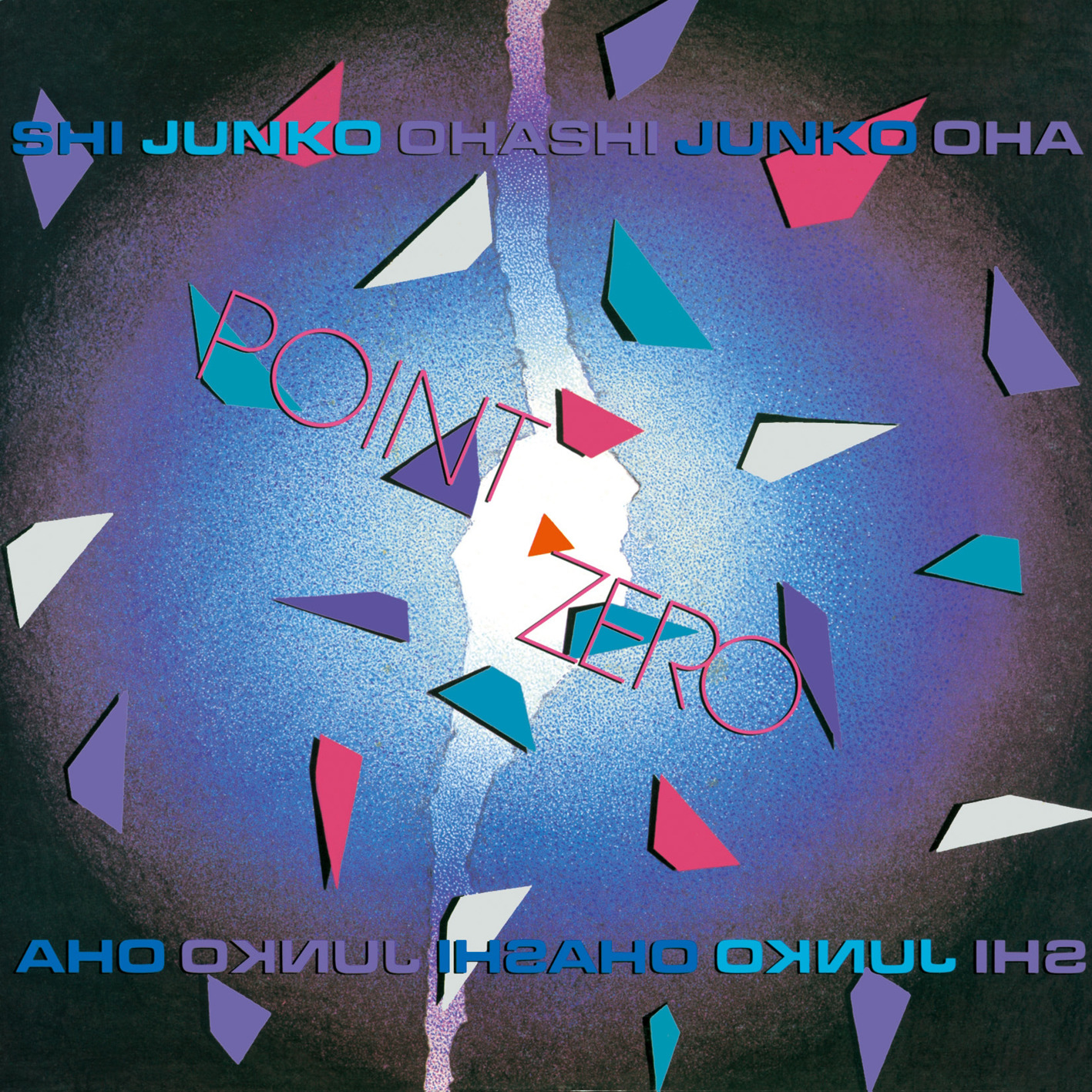
5. Junko Ohashi – Point Zero (1983)
While Ohashi is frequently celebrated for her powerhouse vocals on the definitive compilation Magical, her 11th studio album, Point Zero, offers an infinitely more rewarding listening experience. Recorded in New York City with an elite roster of local session legends, it presents a kaleidoscopic, boldly experimental post-disco landscape. Bookended by the gold-standard boogie classic "Dancin’" and the impossibly catchy closer "Sugao no Mama de" (arguably the pinnacle of the city pop art form), the futuristic cut "Sensual Night" reveals a compositional foresight years ahead of its time.
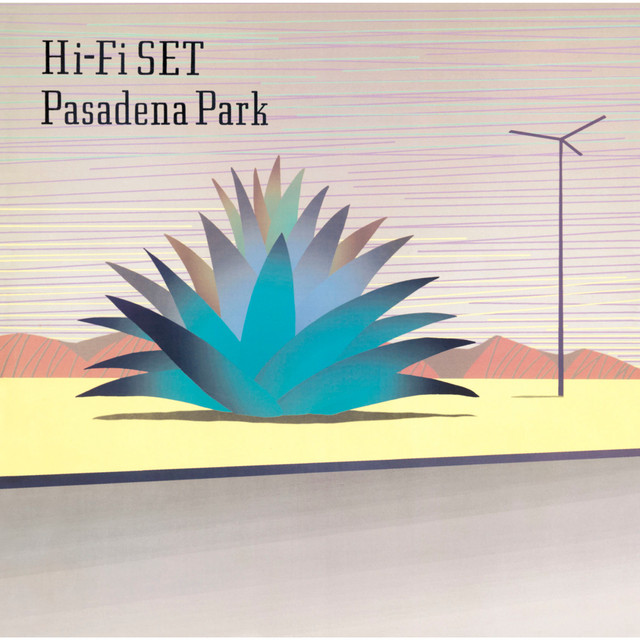
6. Hi-Fi Set – Pasadena Park (1984)
Emerging from the ashes of the folk-oriented vocal group Akai Tori (The Red Birds), Hi-Fi Set fused tight, intricate vocal harmonies with jazz-funk rhythms and a dash of theatrical sheen, evoking comparisons to Manhattan Transfer. By the mid-1980s, their sonic palette evolved into a lush, decadent texture that came to define the decade. Featuring minimalist Japanese Americana cover art and sophisti-pop arrangements that bridge the gap between Swing Out Sister and The Carpenters, Pasadena Park stands as a textbook definition of the city pop aesthetic.
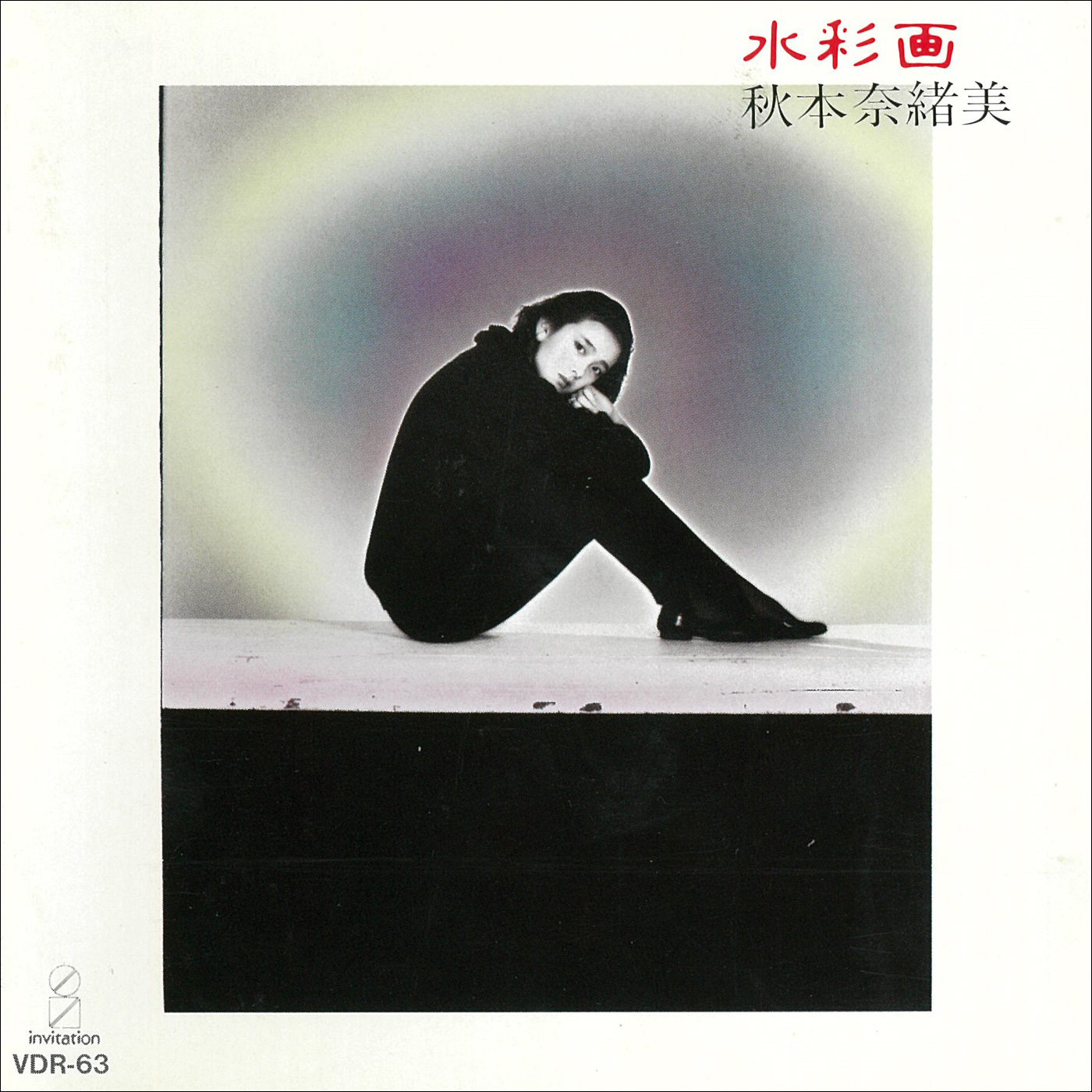
7. Naomi Akimoto – Suisaiga (1984)
While Akimoto’s name circulates within dedicated collector circles, Suisaiga (translating to "Watercolour Painting") remains criminally underrated. Its sonic profile resists easy categorization: imagine a dub mix of the instrumental backing track to Jennifer Rush’s "The Power of Love," stripped down exclusively to synthesizers and a desolate drum machine. Devoid of heavy basslines or traditional funk grooves, and awash in heavy reverb beneath understated, ethereal vocals, it skirts the boundaries of what modern listeners might classify as alternative R&B.
8. Junko Yagami – Communication (1985)
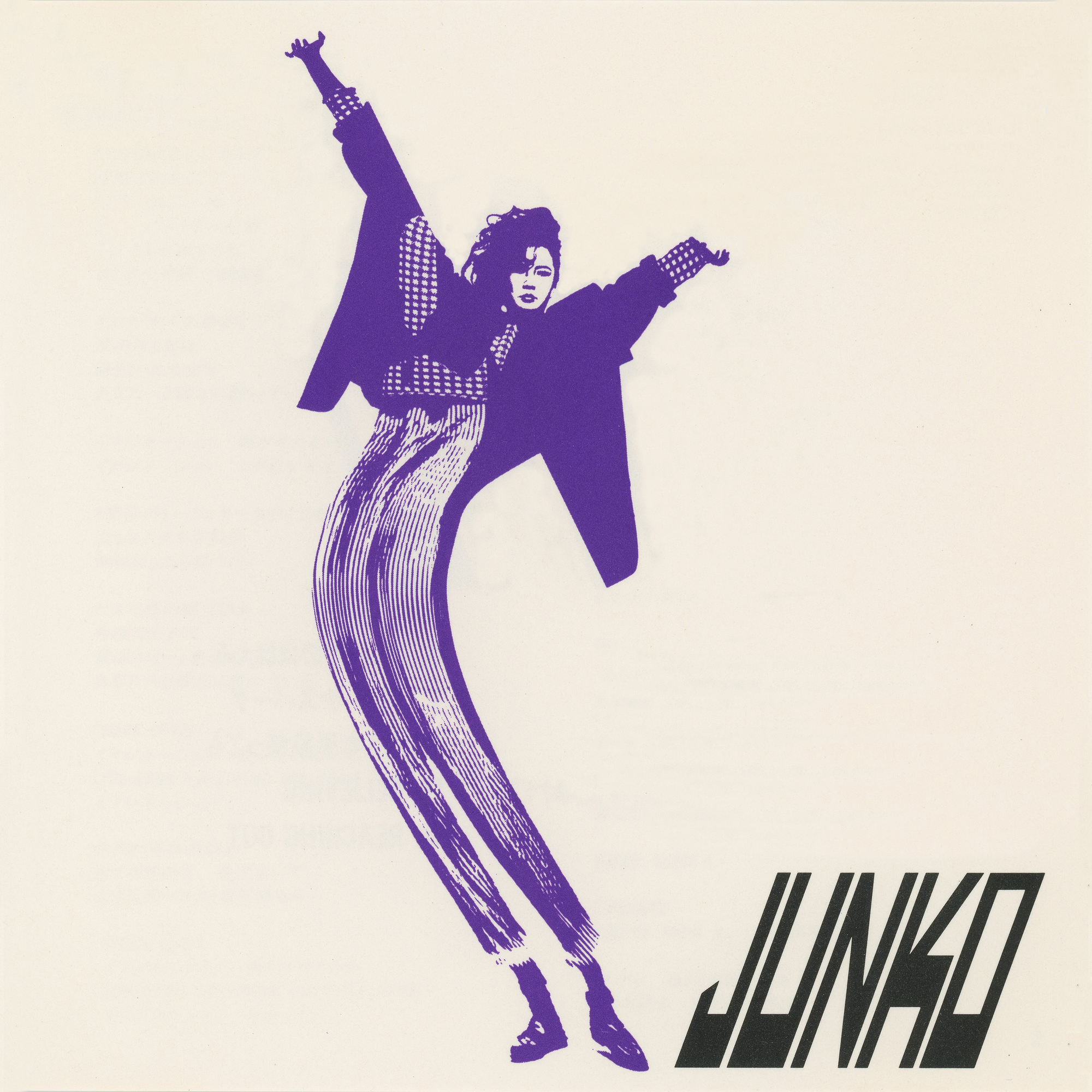
Yagami’s catalog teems with masterworks like The Best, Lonely Girl, and Full Moon, but Communication represents her most cohesive full-length statement. Her first release under Moon Records after departing Discomate (the label initially founded to distribute ABBA records in Japan), the album pivots her sound into a digital, Hi-NRG, synth-funk arena. From its zany, Jean-Paul Goude-inspired cover art to the Madonna-esque title track and the electronic reggae-pop of "Johannesburg," this LP is a masterclass in mid-80s futurism.
9. Rajie – Espresso (1985)
Emerging during the initial wave of singer-songwriters, Rajie delivered several brilliant city pop records before dropping her seventh and final studio album, Espresso, in 1985. Here, she essentially invents a uniquely Japanese, wintry, and synthetic variant of dream pop, predating Akina Nakamori’s brilliant Fushigi by a full year. Driven by ethereal vocals, dream-like synthesizers, chorused guitars, and cavernous reverb, Espresso retains a bright, accessible pop undercurrent that keeps its otherworldly production grounded.
10. RA MU – Thanks Giving (1988)
For fans tracking the twilight of the genre, the presence of Momoko Kikuchi is mandatory. Having risen through the concurrent Japanese Idol scene, Kikuchi brought undeniable city pop DNA to her solo outings like Ocean Side and Adventure. This sonic evolution reached its absolute zenith with RA MU (a transliteration of l’amour), a short-lived project featuring Kikuchi alongside American backing vocalists Rosalyn Renee Keel and Darelle-Foster Holden. Supported by musicians who contributed to thousands of 80s Japanese productions, RA MU married Kikuchi’s signature breathy delivery with high-gloss American R&B and New Jack Swing, closing the classic era with an irresistible stylistic hybrid.
Supporting Context & Metrics: The Anatomy of a Genre
To fully understand city pop, one must deconstruct the socio-economic conditions of Shōwa-era Japan. During the late 1970s and 1980s, the Japanese economy experienced an astronomical asset price bubble. This unprecedented affluence fueled a cultural obsession with modernity, urban isolation, leisure, and Western consumerism.
| Metric / Attribute | Historical Context (1970s–1980s) | Modern Revival Era (2020s–Present) |
|---|---|---|
| Primary Medium | Vinyl LPs, Cassette Tapes, CDs | Remastered Vinyl Represses, Digital Streaming (YouTube/Spotify algorithms) |
| Global Reach | Domestic Japanese Market (World’s 2nd Largest) | Borderless digital audience, Western vinyl collector communities |
| Aesthetic Pillars | Urban alienation, perpetual summer, neon vistas, luxury | Retro-futurism, vaporwave adjacency, nostalgic escapism |
| Key Collaborators | Studio session legends, jazz fusionists, folk pioneers | International festival headliners, global crate-diggers |
As Jono Beard notes, the terminology itself remains a point of gentle contention among purists:
"At the time, it was generally known as ‘new music’ in Japan… ‘city pop’ was coined in the late 70s as a way to distinguish this new, exciting sound that blended American folk influences with jazz, funk, soul, disco, boogie, and synth-pop."
Official Statements & Cultural Commentary
The resurgence of city pop is no longer a localized internet phenomenon driven by YouTube recommendation algorithms (such as the viral explosion of Miki Matsubara’s "Stay with Me"). It has graduated into an institutionalized global movement recognized by major music distributors and live-music curators alike.
Industry stakeholders emphasize that the current revival is fundamentally rooted in physical preservation and high-fidelity archival work. Major labels and boutique distributors—such as Rough Trade and its contemporaries—are actively licensing, importing, and repressing long-out-of-print Japanese masterworks. This logistical shift ensures that collectors outside of Tokyo no longer need to rely on exorbitant secondhand auction sites to experience these immaculate recordings.
As Jono Beard summarizes regarding the ethos of the movement:
"Perhaps more so than any other genre, the term ‘city pop’ describes more than just the sound of the music. It’s an era but also an aesthetic, a vibe, a feeling, a lifestyle… I hope that with this exploration, I’ve been able to introduce you to some amazing music that you’ll come to love as much as I do."
Future Outlook: The Horizon of City Pop
Looking past the immediate horizon, the trajectory of city pop points toward continued cross-cultural integration. The upcoming August 2026 City Pop Waves festival at the Crystal Palace Bowl in London serves as a watershed moment, proving that the genre has successfully transitioned from bedroom internet playlists to major outdoor festival real estate.
While luminaries like Tatsuro Yamashita, Anri, Miki Matsubara, EPO, Minako Yoshida, and Tomoko Aran still command devoted global followings—even with omissions from generalized lists—the appetite for archival exploration shows zero signs of abating. As archival labels dig deeper into the vaults of 90s revival acts and unearth lost master tapes from the late Shōwa period, city pop will continue to redefine itself not merely as a retrospective genre, but as an enduring blueprint for sophisticated, timeless pop craftsmanship.