Executive Overview
In a surprising yet remarkably seamless cross-genre collaboration, country-pop royalty Shania Twain has breathed vibrant new life into her timeless 1998 ballad “You’re Still the One.” Partnering with renowned German-Russian producer, DJ, and electronic dance music virtuoso Zedd, Twain has delivered a dance floor-ready reworking of the global smash.
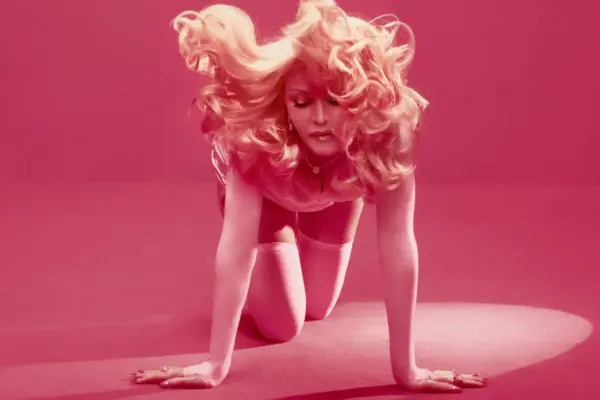
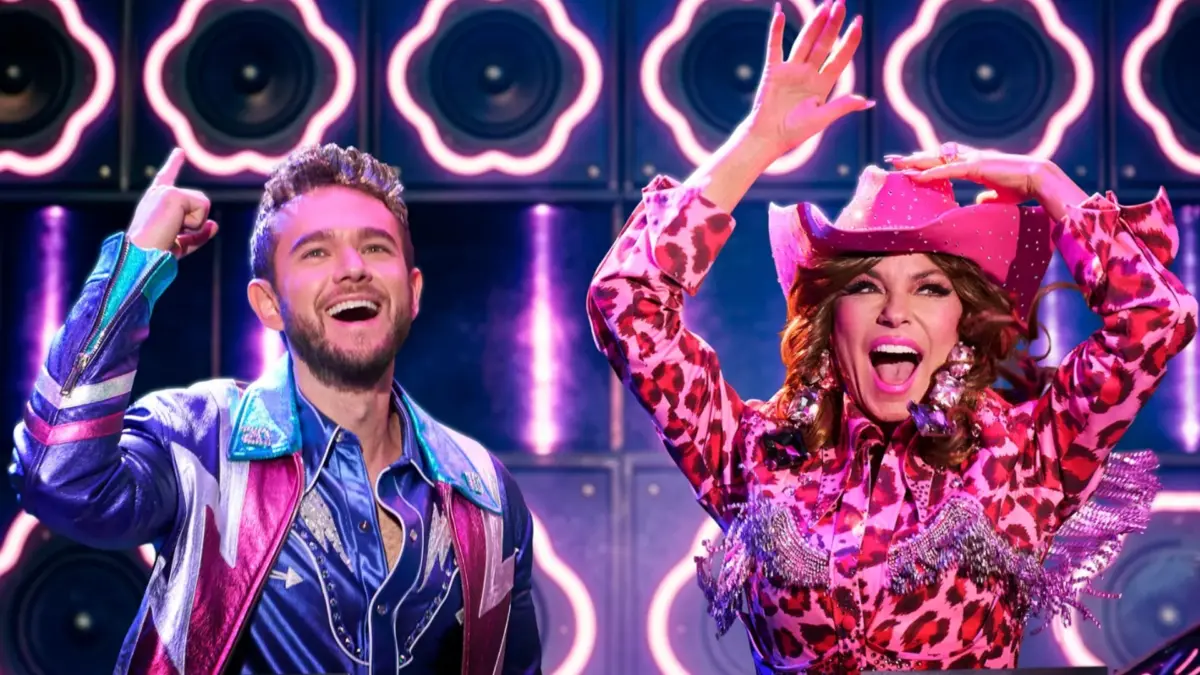
This high-profile reimagining arrives coupled with an ultra-vibrant, hyper-saturated music video. Serving as the anchor for the mobile gaming giant Candy Crush’s "Music Season 2026," the project represents a multi-million-dollar convergence of legacy musicianship, electronic production mastery, and interactive mobile gaming marketing. Directed by visionary filmmaker Jonas Åkerlund, the visual companion transports viewers to a candy-coated, bubble-gum pink "Western-inspired" fantasy universe aptly dubbed Candy Country.
Far from a conventional remix, the collaboration is a masterclass in modern brand-artist synergy. It highlights the shifting paradigms of the contemporary music industry, where streaming ubiquity, gaming partnerships, and nostalgic reinventions coalesce to capture the attention of a multi-generational audience. As traditional album rollout models evolve, artists are increasingly turning to non-traditional platforms—such as high-engagement mobile games—to sustain cultural relevance, unlock new revenue streams, and introduce classic catalog tracks to Gen Z and millennial demographics alike.
Detailed Chronology of the Collaboration
The genesis of the "You’re Still the One" (Candy Crush Version) project dates back to late 2024, when conceptual discussions began between King (the developer behind Candy Crush), Zedd’s creative management team, and Shania Twain’s longtime representation. As King prepared its blueprint for the ambitious Music Season 2026 initiative, the company sought an iconic crossover track that possessed both immediate emotional resonance and high-energy remix potential.
- Phase One: Conceptualization and Pitch (Q4 2024 – Q1 2025): King approached Zedd, known for his pristine crossover pop-EDM production style (exemplified by hits like "Clarity" and "The Middle"), to spearhead the musical direction. Zedd immediately suggested Twain’s "You’re Still the One," citing it as a defining soundtrack of his youth. Upon receiving the pitch, Twain expressed immediate enthusiasm, drawn to the challenge of recontextualizing her most enduring romantic anthem for electronic dance floors.
- Phase Two: Production and Studio Sessions (Spring – Summer 2025): Zedd set to work in his Los Angeles studio, balancing acoustic elements of the original track—such as the instantly recognizable guitar plucks and Twain’s soaring, distinct vocal delivery—with modern four-on-the-floor synth leads, pulsating basslines, and dynamic drop structures tailor-made for festival stages and club environments. Twain re-recorded portions of her vocal stems to sit optimally within the higher tempo and compressed mix parameters required by electronic dance music arrangements.
- Phase Three: Visual Conception and Direction (Autumn 2025): To match the auditory scope of the collaboration, director Jonas Åkerlund was brought on board. Known for his daring, highly stylized music videos for Beyoncé, Lady Gaga, Madonna, and The Prodigy, Åkerlund envisioned a surreal, maximalist landscape. Shooting took place over a tightly scheduled three-day production in a Los Angeles soundstage outfitted with massive physical props, confectionary-themed western sets, and immersive augmented reality integration points designed specifically for the Candy Crush in-game event.
- Phase Four: Global Reveal and Release (Early 2026): The track officially debuted globally alongside the launch of Candy Crush’s Music Season 2026. The release was strategically staggered across major streaming platforms via Republic Records, accompanied by the premiere of Åkerlund’s cinematic music video on YouTube and integrated directly into the Candy Crush application interface for millions of active daily users.
Supporting Context & Metrics: The Intersection of Gaming and Pop Culture
The partnership between Shania Twain, Zedd, and Candy Crush is not merely a creative vanity project; it is a calculated masterstroke within the booming ecosystem of music-gaming crossovers. Over the past half-decade, the gaming industry has effectively supplanted traditional radio and physical retail as the premier destination for music discovery and promotional activation.
The Rise of In-Game Music Seasons
Mobile and console games with massive, highly engaged user bases—such as Fortnite, Roblox, League of Legends, and Candy Crush Saga—boast daily active user (DAU) figures that dwarf traditional media networks. By anchoring a major musical release to an in-game "Season," rights holders can guarantee millions of organic impressions.
For Candy Crush Saga, which routinely ranks among the top-grossing mobile games globally with hundreds of millions of monthly active users, Music Season 2026 serves as a retention and monetization engine. Players are incentivized to engage with themed levels, unlock exclusive in-game avatars inspired by Twain and Zedd, and stream the accompanying soundtrack directly through partner portals.
Catalog Rejuvenation Economics
For legacy artists like Shania Twain, whose original 1998 release of "You’re Still the One" (from the diamond-certified album Come On Over) remains a pillar of country and pop history, catalog monetization relies heavily on synchronization deals, sync remixes, and cultural re-entrenchment.
Data from music analytics firms consistently demonstrates that when a legacy catalog track is re-imagined by a contemporary electronic producer or tied to a major interactive campaign, consumption metrics surge:
- Streaming Lifts: Tracks receiving high-profile cross-genre remixes typically experience a 150% to 300% spike in weekly on-demand streams across Spotify and Apple Music within the first 14 days of release.
- Algorithmic Spillover: Crucially, listeners drawn in by the Zedd remix inevitably cross-pollinate back to the original 1998 master recording, driving long-term residual royalties and boosting the master’s placement on algorithmic editorial playlists like "Today’s Top Hits," "90s Country," and "Flashback."
- Demographic Expansion: While Twain’s core demographic spans Gen X and Millennials, Zedd’s core audience skews heavily toward Gen Z and younger Millennials. This collaboration bridges an intergenerational gap, exposing Twain’s legendary songwriting to an entirely new cohort of electronic music enthusiasts who may have previously dismissed country music.
Official Statements and Creative Vision
The collaborative spirit behind the project was underscored by warm remarks from both primary artists, who expressed mutual admiration and excitement over the unorthodox creative journey.
Reflecting on the process of breathing new life into a track that defined late-90s radio, Shania Twain noted the organic nature of the partnership:
"Bringing ‘You’re Still the One’ back with Zedd, and building this special world with Candy Crush for fans to play in, felt like the perfect way to give the song new life," Twain shared in a joint press statement. "It feels exactly right."
For Zedd, whose electronic productions have consistently blurred the lines between underground club culture and mainstream pop radio, working with Twain represented a bucket-list career milestone:
"I was super happy Candy Crush brought me and Shania Twain together," Zedd added. "She’s a legendary artist, and I grew up listening to her music, so being able to collaborate with her on a new version of such an iconic song has been really special."
Director Jonas Åkerlund also weighed in on the aesthetic challenges of merging classic Western iconography with the hyper-vibrant, sugary palette of a mobile puzzle game:
"When you combine Shania’s natural cinematic presence with Zedd’s futuristic sonic landscape, you need a visual world that can hold both extremes," Åkerlund explained during behind-the-scenes press rounds. "We created ‘Candy Country’—a place where cowboy boots meet bubble-gum pink deserts, and where every frame feels like a sugar rush balanced by pure, authentic star power."
Future Outlook: The Blueprint for Modern Music Marketing
As the dust settles on the initial launch of the "You’re Still the One" (Candy Crush Version) campaign, industry analysts are looking closely at what this partnership signals for the future of entertainment marketing.
1. The Death of the Linear Rollout
The traditional album cycle—consisting of a lead single, a radio push, a music video, and an eventual tour—is rapidly losing ground to modular, multi-platform campaigns. Artists are learning that a song can no longer live solely on DSPs (Digital Service Providers). It must exist as a holistic ecosystem that encompasses short-form video content (TikTok/Reels), interactive gaming integrations, physical merchandise lines, and high-fashion visual identities. The Twain-Zedd-Candy Crush triad serves as a primary case study for how future legacy catalog campaigns will be executed.
2. Deepening Brand-Artist Partnerships
Historically, brands sponsoring musical artists were viewed with skepticism by purists, often dismissed as "sell-out" moves. However, as major labels face shrinking margins and fragmented marketing budgets, brands have evolved into essential financial and infrastructural partners. Brands like King, Roblox, and Epic Games provide multi-million-dollar marketing machines that can rival or exceed the promotional budgets of traditional record labels. Moving forward, expect to see more artists co-creating intellectual property directly with non-endemic brands from inception, rather than signing on as late-stage endorsers.
3. The Endless Evolution of the Remix
Remixes are no longer afterthoughts tossed to underground club DJs for late-night radio play. They are strategic tools designed for playlist engineering and global audience capture. By pairing an iconic, emotionally resonant vocal performance with cutting-edge electronic production, artists can effectively occupy two distinct genre spaces simultaneously. For Shania Twain, this release proves that her songwriting is genre-agnostic, capable of transitioning effortlessly from a breezy 1998 acoustic ballad into a bombastic, festival-ready electronic anthem.
As Music Season 2026 rolls out its subsequent phases, millions of gamers and music lovers alike will continue to swipe candies, stream the track, and bear witness to an unlikely pop culture pairing that successfully bridges the gap between Nashville storytelling, Los Angeles club production, and Swedish mobile gaming innovation.