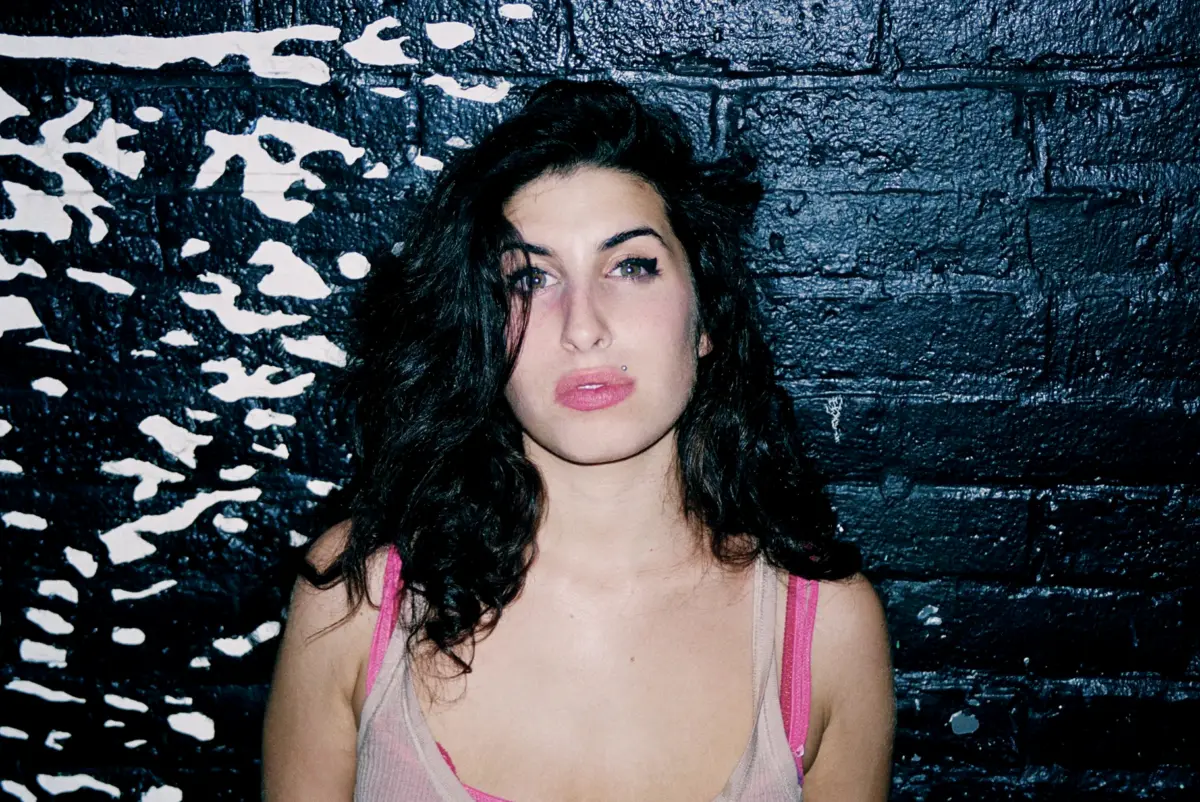
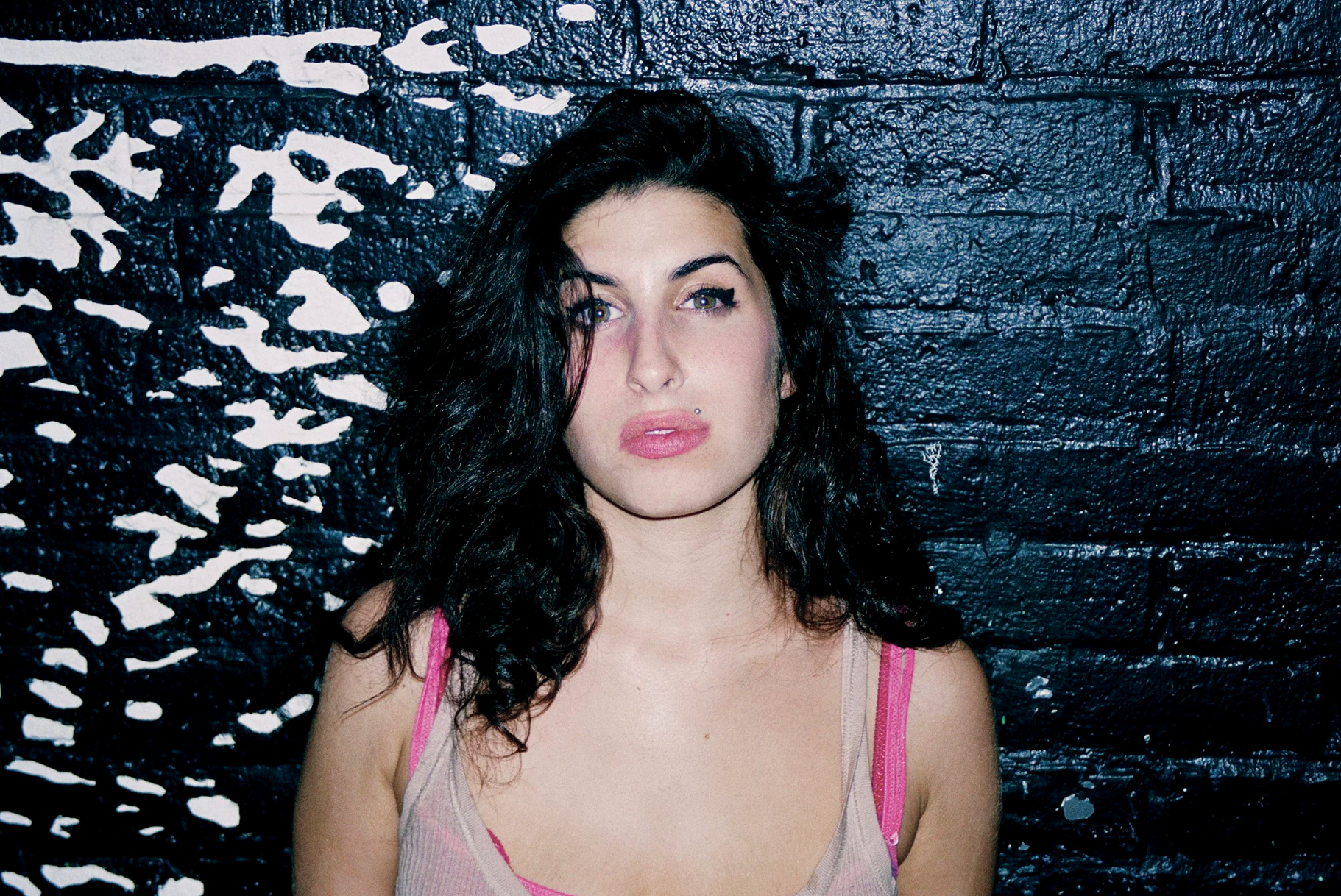
"Music is the only thing that will give and give and give and not take." — Amy Winehouse
Executive Overview
Fifteen years after her tragic passing on July 23, 2011, the voice of Amy Winehouse remains as startlingly immediate as it was the day it was recorded: intimate, witty, razor-sharp, jazz-schooled, and entirely irreplaceable. Though she released only two studio albums during her lifetime—Frank (2003) and Back to Black (2006)—her cultural gravity extends far beyond the modest size of her official catalog.
Winehouse single-handedly reshaped the trajectory of British soul, re-injected sophisticated jazz phrasing into the lifeblood of mainstream pop, and demonstrated how raw, conversational songwriting could achieve universal emotional resonance. Today, that legacy echoes loudly through a new generation of boundary-pushing artists—including RAYE, Olivia Dean, Billie Eilish, Celeste, and Lola Young. These musicians inherit not a sound to be mimicked, but a creative freedom: the license to seamlessly merge classic musical references with honest, unvarnished modern lives.
As we look back across a decade and a half without her physical presence, the enduring power of her artistry demands a rigorous, multi-faceted re-examination. This retrospective explores her foundational musical education, traces her detailed chronology across three core releases, analyzes her cultural impact through cinematic and critical lenses, and evaluates how her irreplaceable spirit continues to define the modern musical landscape.
Detailed Chronology: The Evolution of an Icon
Frank (2003): The Arrival of a Prodigy
"I want people to hear my voice and just forget their troubles for five minutes." — Amy Winehouse (Sylvia Young Theatre School application, age 12)
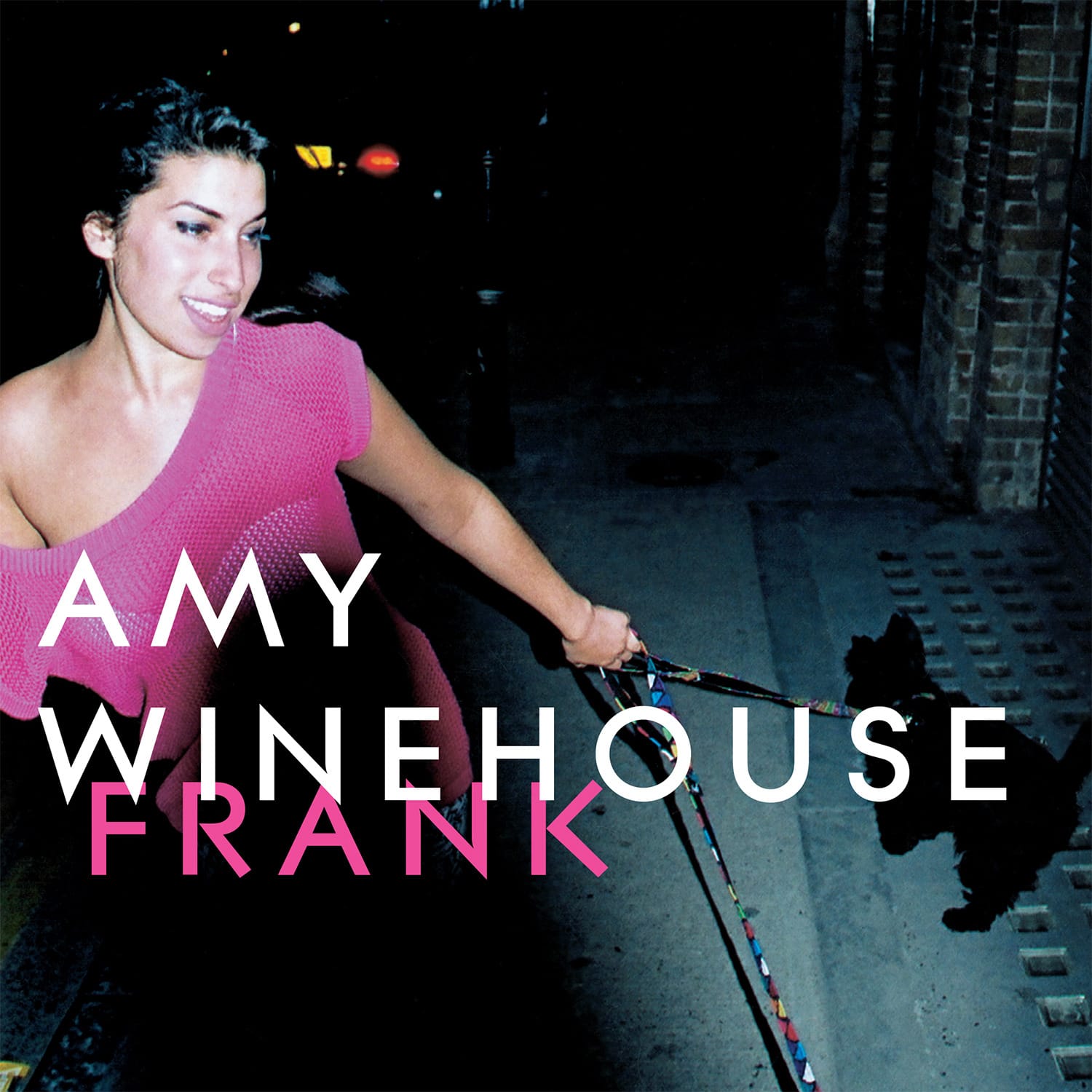
At just 19 years old, Amy Winehouse signed to Island Records, launching her debut album, Frank, in 2003. The discovery of her talent reads like modern music folklore: Darcus Beese, an executive at Island Records, happened to hear Winehouse’s distinctive vocals on a promotional recording intended for an entirely different client. Captivated instantly by the smoky richness and maturity of her tone, Beese spent months tracking down the mysterious young singer from North London.
Frank immediately introduced the music world to an artist with a remarkably fully formed identity. Heavily shaped by the mid-century jazz and soul records introduced to her by her father, Mitch—who filled their home with the legendary voices of Frank Sinatra, Dinah Washington, and Sarah Vaughan—Winehouse’s voice possessed the weathered wisdom of a veteran performer who had spent decades in the back rooms of subterranean American jazz clubs.
The production crew behind Frank—featuring Salaam Remi, Commissioner Gordon, Jimmy Hogarth, and others—built a sonic playground that gave Winehouse ample room to maneuver. Hip-hop-influenced drum breaks rubbed shoulders with organic upright basses, rich brass arrangements, and complex jazz harmonies. Meanwhile, Winehouse’s vocal delivery danced effortlessly around the pocket, slipping behind the rhythm or darting ahead of it with absolute confidence.
From its opening tracks, Frank established that Winehouse was unflinchingly honest, weaving biting humor with stark vulnerability. It was a stunningly mature debut by an artist who refused to compromise her artistic vision for commercial packaging.
Back to Black (2006): A Defining Masterpiece
"I don’t need help because if I can’t help myself I can’t be helped." — Amy Winehouse
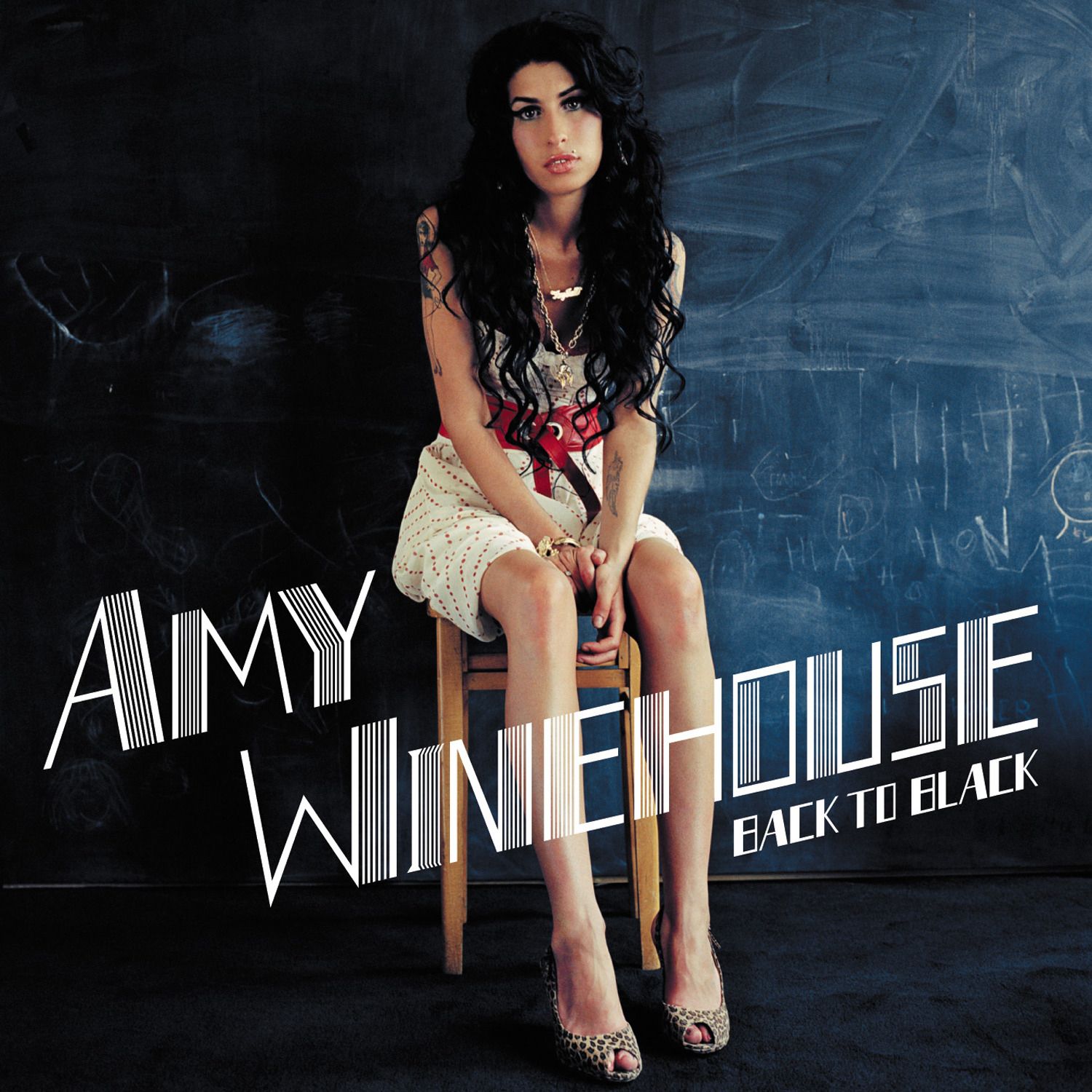
If Frank announced her arrival, Back to Black cemented her immortality. Widely recognized as one of the defining albums of the 21st century, the 2006 masterpiece was a monumental collaborative achievement. Producer Mark Ronson and the legendary Dap-Kings injected the punch, grit, and cinematic sweep of 1960s girl-group soul and Motown, while Salaam Remi retained the deep warmth and rhythmic looseness that had characterized Frank.
At the center of these contrasting yet complementary production styles was Winehouse’s astonishing vocal instrument—conversational and cheeky one moment, utterly devastating the next.
Classic, timeless soul arrangements framed lyricism that was direct, fiercely modern, and intensely personal. Heartbreak was laced with dark humor; profound vulnerability sat side-by-side with hard-earned pride; deep regret arrived hand-in-hand with an unflinching degree of self-awareness. Winehouse stubbornly refused to make difficult emotions neat, palatable, or polite. It was this refusal to sanitize her pain that allowed millions of listeners to see their own struggles reflected in her music.
As her career ascended to dizzying heights, Winehouse’s personal life faced compounding pressures. Her well-documented battles with substance abuse and her resistance to traditional intervention heavily influenced the lyrical narrative of Back to Black. Far from exploiting her pain, the album transformed harrowing real-life experiences into transcendent emotional art.
The record propelled Winehouse to unprecedented international success, garnering six Grammy nominations at the 50th Annual Grammy Awards—of which she historicially won five, including Song of the Year and Record of the Year for "Rehab," alongside Best New Artist. Two decades after its initial release, Back to Black remains a foundational pillar of modern music, holding its hard-earned status as a Rough Trade Essential.
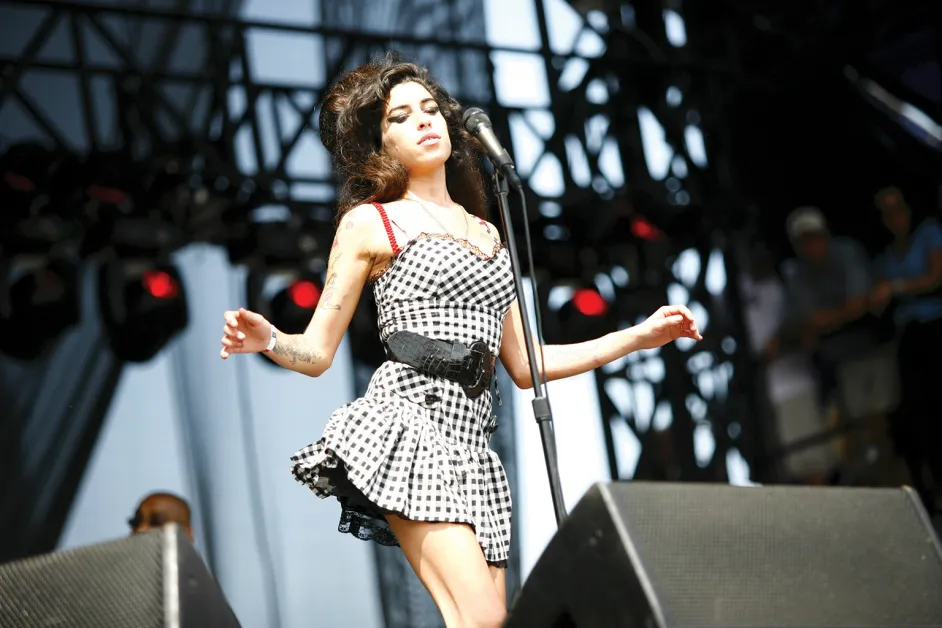
"I live to go on stage. I would be on tour for the rest of my life if I could be." — Amy Winehouse
Following her tragic passing in July 2011 at the age of 27, the global music community plunged into mourning. In the wake of the tragedy, the producers and musicians who had worked most closely with Winehouse—specifically Salaam Remi and Mark Ronson—began sifting through the vast archive of recordings she had amassed before, during, and after the creation of Frank and Back to Black.
It quickly became apparent that these unreleased gems, alternate studio takes, and cover versions possessed an artistic integrity and emotional depth that demanded to be shared with the world. The result was Lioness: Hidden Treasures, released posthumously through Island Records.
The 12-track collection serves as a poignant reminder of her staggering versatility. Featuring previously unheard compositions, alternate stews of beloved classics, and breathtaking vocal performances, Lioness proved that even Winehouse’s outtakes operated at a standard far above her contemporaries. It stands not as a cynical cash-in, but as a loving, respectful memorial curated by those who knew her music best.
Supporting Context & Metrics: Cultural Footprint and Critical Reception
To understand the sheer magnitude of Amy Winehouse’s legacy, one must examine the metrics and cultural shifts she triggered.
The Neo-Soul Renaissance: Prior to the release of Frank, the mainstream British charts were heavily dominated by pop, dance, and indie-rock revivalism. Winehouse opened the floodgates for a massive neo-soul and jazz revival in the UK, paving the way for artists like Adele, Duffy, and Corinne Bailey Rae to achieve massive global platforms.
Grammy Dominance: Her milestone night at the 2008 Grammy Awards broke records, making her the first British female artist to win five Grammys in a single night—a feat that cemented her crossover appeal in the United States, a notoriously difficult market for emerging British soul acts.
Streaming Longevity: Fifteen years after her passing, Winehouse’s streaming metrics continue to climb year-over-year. Tracks like "Back to Black" and "Valerie" regularly pull in hundreds of millions of streams globally, proving that her music resonates just as deeply with Gen Z listeners who were toddlers when the tracks were first recorded as it did with Millennials who bought the original compact discs.
Official Statements and Cinematic Legacy
Winehouse’s life and art have continued to be examined through the medium of film, offering both starkly intimate portrayals and cautionary examinations of modern fame.
Asif Kapadia’s Academy Award-winning 2015 documentary, Amy, offered a groundbreaking, archive-led portrait of the artist behind the tabloid headlines. Eschewing talking-head interviews in favor of raw home videos, telephone calls, and studio outtakes, Kapadia returned Winehouse’s humanity, humor, and agency to the screen, reminding audiences of the vibrant young woman crushed underneath the relentless machinery of celebrity culture.
Conversely, Sam Taylor-Johnson’s 2024 biographical film, Back to Black, introduced Winehouse’s story and music to an entirely new generation of filmgoers. While biographical dramas invariably spark debate regarding how to accurately depict real-life trauma, the film threw a sharp spotlight on the immense technical and emotional challenges of recreating Amy’s unmistakable musical world.
For music purists seeking a deeper understanding of how her sonic architecture was brought to the screen, critical insight can be found in specialized retrospectives, such as the In Conversation feature pairing acclaimed music producer Giles Martin with music supervisor Iain Cooke, detailing the intricate process of honoring Winehouse’s sonic blueprint in modern cinema.
Future Outlook: The Next Generation and Eternal Resonance
"I don’t ever want to do anything mediocre. I want to be different, definitely. I’m not a one-trick pony. I’m at least a five-trick pony." — Amy Winehouse
As we look toward the future, the primary vehicle for understanding Amy Winehouse remains the music itself. Whether spinning Frank on a turntable, immersing oneself in the heartbreak of Back to Black, or exploring the posthumous rarities of Lioness: Hidden Treasures, her artistic footprint is permanent.
The modern musical landscape is noticeably braver because Amy Winehouse existed. The current wave of British vocalists—artists like RAYE, who fought major label structures to release independent, jazz-drenched masterpieces; Olivia Dean, with her conversational warmth; and Billie Eilish, who redefined the parameters of confessional pop—all carry a piece of Winehouse’s fearless DNA.
Amy Winehouse was a one-of-a-kind voice, an uncompromising artist, and a fiercely complex human being. Then, now, always.