Executive Overview
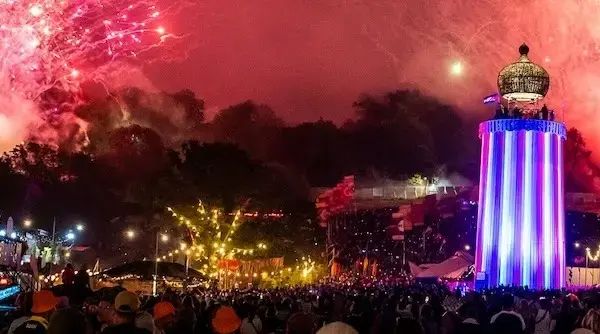
For decades, the ethos of the Glastonbury Festival has extended far beyond the iconic Pyramid Stage, late-night revelry, and Worthy Farm’s legendary pastoral landscapes. At its heart, the world-renowned festival functions as a massive, temporary community engine designed to generate crucial financial and operational support for humanitarian, environmental, and grassroots organizations. In its latest year-end philanthropic accounting, Glastonbury Festival organizers announced a staggering distribution of more than £4.2 million to over 300 charitable organizations globally, domestically, and locally by the close of 2025.
This monumental financial injection demonstrates the festival’s enduring commitment to turning cultural celebration into tangible, life-altering action. From international medical emergency relief and systemic climate change advocacy to regional food security, healthcare enrichment, and local youth programs, Glastonbury’s unique economic model continues to prove that music and social responsibility are deeply intertwined.
Alongside the £4.2 million direct funding pipeline, festival organizers and their supporters orchestrated high-impact supplemental fundraising campaigns throughout the year. Most notably, a specialized Crowdfunder Prize Draw for the first 25 pairs of tickets to Glastonbury 2027 hauled in an astonishing £929,480, bringing the total direct and community-driven charitable footprint for the cycle to well over £5 million. This comprehensive report explores the granular breakdown of these donations, the strategic allocation of funds across diverse sectors, and the profound ripple effects of Glastonbury’s philanthropic engine.
Detailed Chronology and Phased Allocation of Funds
The distribution of over £4.2 million across more than 300 distinct organizations requires a meticulous, year-round operational framework. Rather than a singular end-of-year lump sum disbursement, Glastonbury’s charitable efforts follow a structured, phased approach that responds to both long-term institutional partnerships and sudden global crises.
Phase 1: Sustaining Core Institutional Partnerships
At the bedrock of Glastonbury’s charitable identity are its three long-standing Joint Charity partners: Oxfam, WaterAid, and Greenpeace. These organizations do not merely receive passive grants; they form an operational backbone of the festival itself, deploying tens of thousands of volunteers to manage recycling, promote environmental awareness, and run campaign stalls.
By the end of 2025, direct donations and volunteering-exchange payments to these three colossal entities exceeded £2 million. This steady, predictable financial support allows Oxfam, WaterAid, and Greenpeace to plan large-scale international development, clean water infrastructure, and ecological protection campaigns with structural confidence.
Phase 2: Rapid Response to Global Crises and Conflicts
Beyond its core pillars, 2025 saw Glastonbury pivot significant resources toward unprecedented humanitarian crises across the globe. As geopolitical instability and violent conflicts strained international aid networks, festival organizers renewed and expanded their commitments to humanitarian organizations operating in high-risk zones.
- Sudan and the Middle East: Recognizing the devastating humanitarian toll of the conflict in Sudan, Glastonbury directed targeted grants to emergency health appeals via Child.org and Plan International.
- Médecins Sans Frontières / Doctors Without Borders (MSF UK): MSF UK received a direct core donation of £100,000 dedicated specifically to its emergency operations in Sudan and its specialized surgical hospital in Amman, Jordan, which provides critical trauma and reconstructive care to patients displaced or injured by regional conflicts throughout the Middle East.
- Crowdfunder Surge: Amplifying these international efforts, the Glastonbury 2027 ticket prize draw mobilized festival-goers worldwide. The resulting £929,480 was earmarked specifically for MSF’s emergency medical interventions in Gaza and Sudan, illustrating how eager the festival audience is to participate directly in global disaster relief.
Phase 3: Regional Communities, Bristol Partnerships, and NHS Support
While global headlines frequently capture public imagination, Glastonbury has never lost sight of its geographic roots in Somerset and the wider South West region. In 2025, the festival funded over 40 distinct local causes, balancing grassroots environmentalism with essential community services.
- Somerset Food and Biodiversity: Grants were distributed to innovative local ecological projects, including the Food Forest Project, the Somerset Wildlife Trust, and the Shepton Mallet Community Woodland. Additionally, funding was secured for the Mendip Community Transport scheme—a vital lifeline ensuring isolated rural residents can access essential services and community activities—and the Somerset Community Foundation, which annually distributes funds to more than 400 local charities.
- Urban Outreach in Bristol: A massive contingent of the festival’s crew, artists, and wider community reside in nearby Bristol. To honor this connection, Glastonbury funded several urban initiatives in 2025, including the historic St Paul’s Carnival, Bristol Refugee Rights, and Young Bristol, which provides safe spaces and development programs for vulnerable youth.
- Healthcare and Pediatric Education: Building on substantial 2024 investments in the Somerset NHS, the festival expanded its healthcare philanthropy in 2025. Collaborating with the Bristol & Weston Hospitals Charity, Glastonbury funded creative education programs for children undergoing prolonged hospital treatment. In a unique artistic collaboration, young hospital patients even designed the official Glastonbury 2025 tote bag. Furthermore, heavy-hitting national health institutions—including the British Heart Foundation, the Teenage Cancer Trust, and the Royal College of Nursing Foundation—received significant financial backing.
Supporting Context and Metrics: Environmental Advocacy and Volunteer Power
Combatting the Climate Crisis
As an outdoor festival operating on a working dairy farm, Glastonbury faces the realities of ecological degradation and climate change firsthand. In response to the escalating climate emergency, festival organizers directed funding toward 25 distinct environmental and rewilding projects both in the United Kingdom and internationally.
- Rewilding and Conservation: Domestically, the festival supported pioneering organizations such as Heal Rewilding, alongside established national wildlife conservation trusts.
- Aquatic Ecosystems: Recognizing the perilous state of global waterways, targeted grants were awarded to The Rivers Trust and Project Seagrass to protect vital freshwater and marine habitats.
- Systemic Climate Impact: To tackle the broader systemic drivers of ecological collapse, Glastonbury supported legal and environmental campaigning bodies like ClientEarth, alongside touring sustainability networks such as Onboard:Earth.
The Unsung Heroes: Volunteer Networks and Festival Medical Services
Financial capital is only one metric of Glastonbury’s philanthropic reach; human capital plays an equally vital role. Every year, over 200 charities rely on tens of thousands of volunteers who donate their time to manage festival infrastructure—ranging from campsite stewarding to operating the famous Worthy Farm Property Lock Ups. In exchange for their labor, these charities receive essential operational grants from the festival.
Furthermore, Glastonbury continues its deep-rooted partnership with Festival Medical Services, a registered charity staffed entirely by volunteer medical professionals. These doctors, nurses, and paramedics not only run the festival’s fully equipped onsite Medical Centre during the event but also utilize their organizational network to support health-related causes globally year-round.
Official Statements and Industry Impact
While formal press releases from Worthy Farm often maintain a humble and community-focused tone, the cumulative impact of Glastonbury’s financial reporting speaks volumes within the international live entertainment sector. No other commercial music festival of Glastonbury’s scale operates with such a transparent, institutionalized commitment to philanthropy.
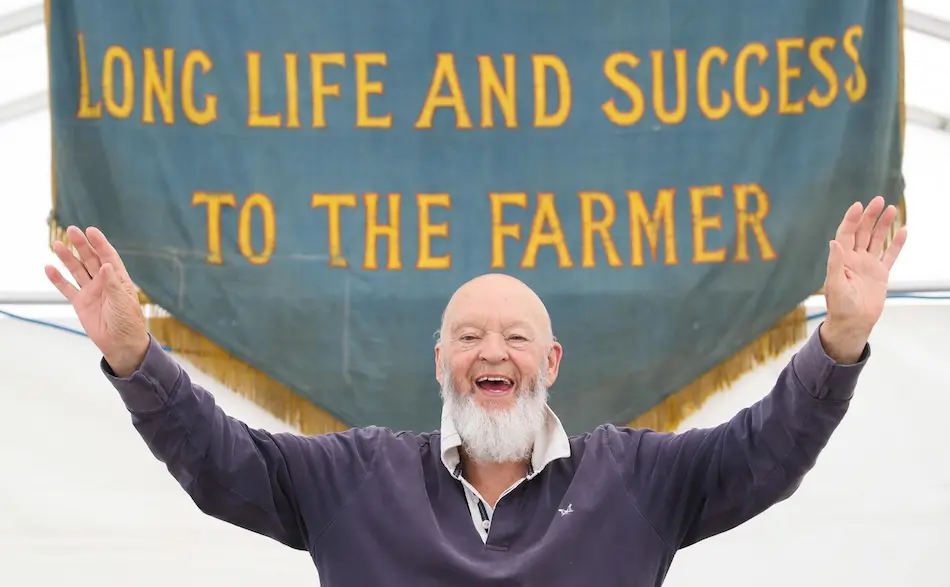
Festival organizers have consistently maintained that Worthy Farm is first and foremost a farm, and secondarily a temporary city designed to generate public good. By funneling millions of pounds into structural charities, emergency medical missions, and grassroots environmental trusts, Glastonbury sets an ethical benchmark for the global festival industry. In an era where corporate sponsors often dominate large-scale entertainment events, Glastonbury’s model proves that commercial success and radical altruism are not mutually exclusive—they can, and should, reinforce one another.
Future Outlook: Looking Toward 2027 and Beyond
As the dust settles on the financial reporting for 2025, the cultural gaze already stretches forward. The immense success of the Glastonbury 2027 Crowdfunder Prize Draw—which netted nearly £1 million for international medical relief months before a single line-up rumor was confirmed—demonstrates an unwavering public appetite for the festival’s mission.
Moving forward, Glastonbury Festival is expected to maintain its dual-track philanthropic strategy: providing guaranteed baseline funding to its core institutional partners (Oxfam, WaterAid, and Greenpeace) while retaining the financial agility to respond to unfolding geopolitical crises and accelerating climate pressures. Locally, the ongoing partnerships with Somerset and Bristol community foundations ensure that the prosperity generated by the festival continues to enrich the lives of those who live nearest to Worthy Farm.
Ultimately, Glastonbury 2025 has cemented the festival’s legacy not merely as a pinnacle of contemporary music and arts culture, but as one of the most effective and enduring philanthropic institutions in the United Kingdom.