Executive Overview
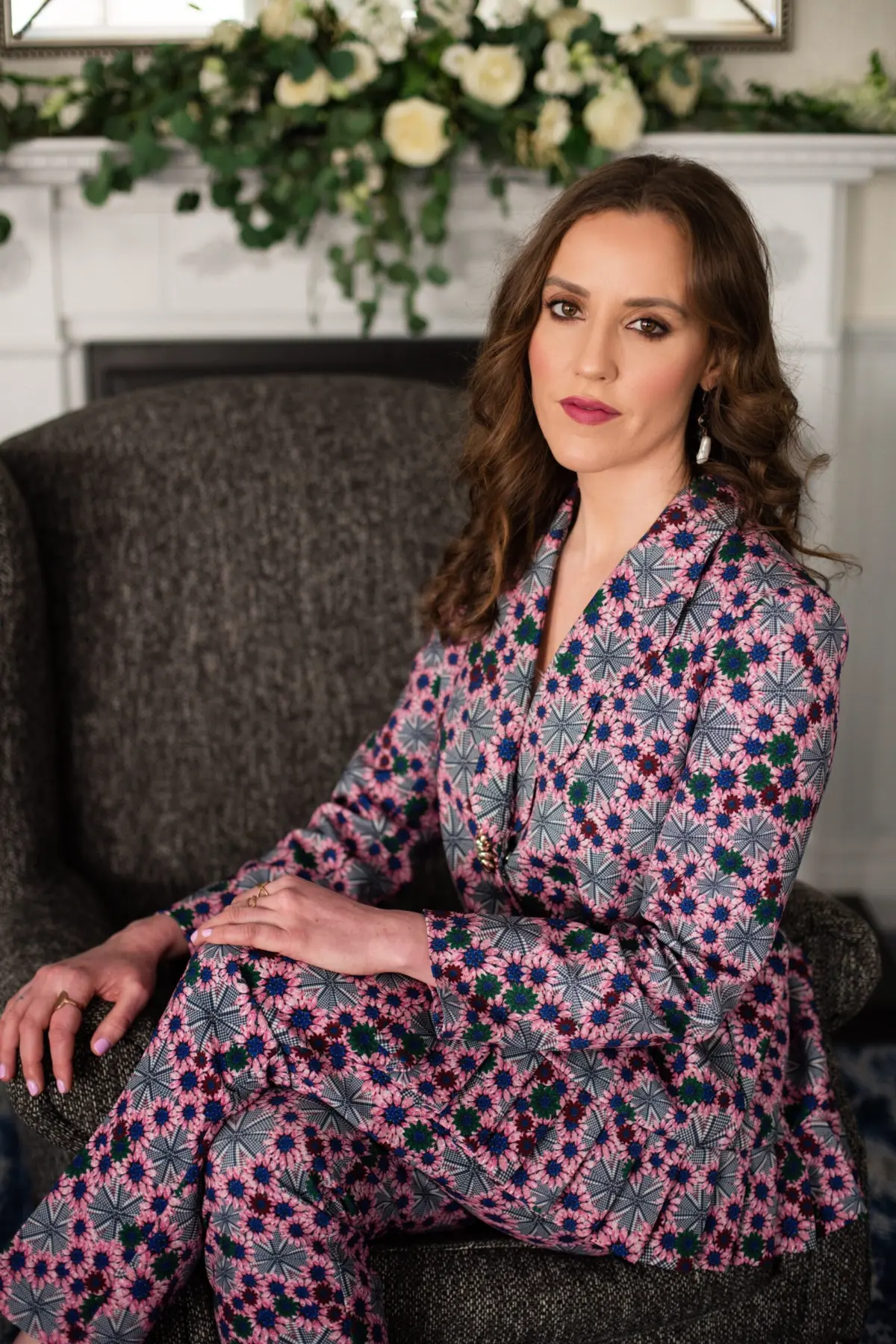
When celebrated Irish novelist Louise O’Neill found her five-year relationship dissolving just months before her 38th birthday, the immediate reaction was not grief alone, but a paralyzing wave of systemic panic. Only a short time prior, she had been selecting pastel pink tiles for the bathroom renovation of a coastal Wicklow home she shared with her partner. Suddenly, she was packing her belongings to move back in with her parents, confronting an emotional landscape that will feel uncomfortably familiar to countless women navigating their thirties: the acute, suffocating terror of having to start over.
What followed, however, was not a descent into perpetual despair, but a radical, globe-trotting act of self-reclamation. Turning her personal upheaval into an exhaustive social and psychological experiment, O’Neill embarked on a mission that saw her go on more than 100 first dates across major cultural capitals including Paris, London, New York, Rome, and her native Ireland. Utilizing platforms ranging from mainstream apps like Hinge to exclusive invitation-only networks like Raya, she transformed a potential crisis into a masterclass in autonomy.
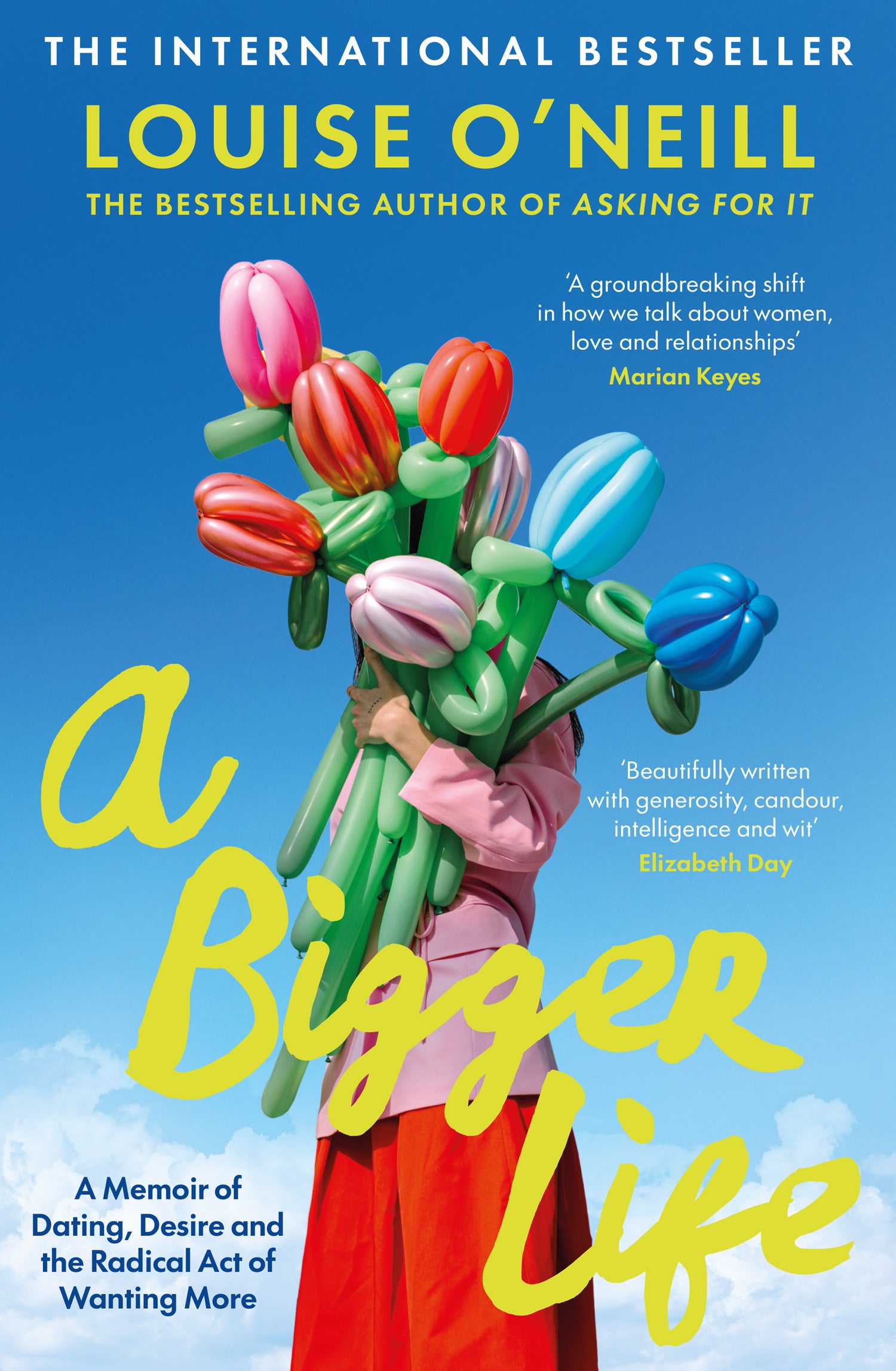
This journey forms the backbone of her eighth book—and her very first foray into non-fiction—titled A Bigger Life (HQ, £20). Eschewing the conventional timelines dictated by patriarchal societal milestones, O’Neill’s memoir has rapidly emerged as a vital cultural touchstone. Described by critics as an Eat, Pray, Love for the Hinge generation and a millennial counterpart to Miranda July’s bracing midlife masterwork All Fours, the book dismantles entrenched societal myths surrounding aging, female desire, and the destructive "scarcity mindset" that tells women their worth and prospects plummet the moment they cross the threshold into their late thirties.
Detailed Chronology: From Domestic Collapse to Global Exploration
The Precipice of Change
The unraveling of O’Neill’s long-term relationship triggered an instantaneous, visceral anxiety response. Sitting in the liminal space between a life she had meticulously planned and an uncertain future, the author experienced the standard societal conditioning wash over her in a tidal wave.
"I instantly felt this panic, like, ‘Oh my God, I have to get my eggs frozen, I have to get straight back on the dating apps, I should be engaged and pregnant by my 39th birthday if I rush,’" O’Neill, now 41, reflects.
In those initial weeks of shock, she began drafting hypothetical timelines designed to fast-track her life back toward the traditional milestones of marriage, domesticity, and motherhood. But then, she stopped. A quiet, disruptive thought pierced through the noise: Is this what I actually want?
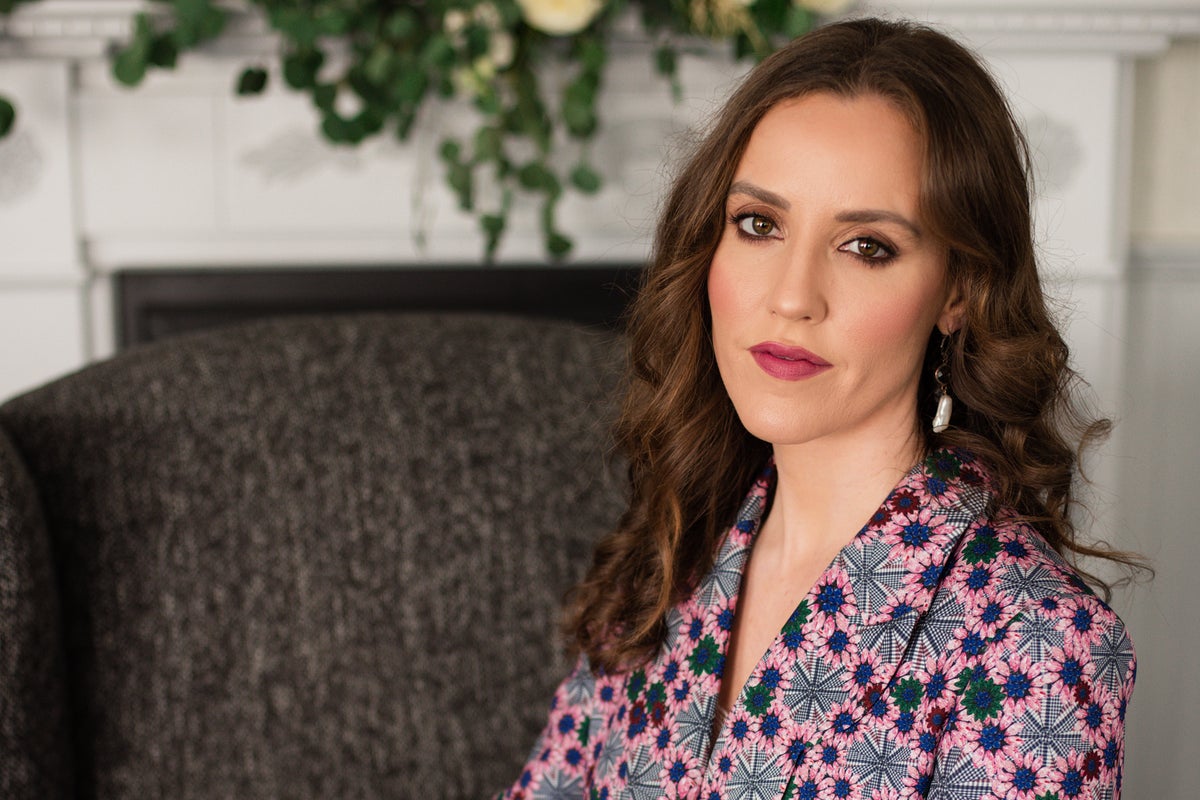
Rather than instinctively racing to check off the remaining boxes of expected adult achievements, O’Neill realized that the total demolition of her life offered a rare, radical opportunity. If she had to rebuild from the foundation up anyway, she could intentionally design the next iteration of her life based entirely on her own authentic desires rather than societal inertia. Her first definitive conclusion was disarmingly simple yet revolutionary for a woman in her late thirties: she just wanted to have fun.
The International Dating Odyssey
Following a restorative wellness retreat in Thailand, O’Neill set out on a literary and romantic odyssey that took her across the globe. While actively working on a new novel, she immersed herself in the local dating pools of Paris, London, New York, and Rome. Rather than approaching these encounters with dread, she maintained an insatiable curiosity.
Her dates were wonderfully eclectic, spanning an age range from 27 to 56, and encompassing every imaginable socioeconomic background and profession. A Bigger Life chronicles this parade of encounters with unflinching candor and sharp humor:
- The Longevity-Obsessed Billionaire: A man who immediately offered to scout luxury properties in West Cork following their introductory rendezvous.
- The Over-Sharer: An Irish suitor who was disconcertingly transparent about his habit of involuntary incontinence following heavy nights out.
- The Parisian Romantics: A succession of French men whose primary objective appeared to be securing her approval of their favored views of the Eiffel Tower.
Through it all, O’Neill steadfastly refused to let dating become a chore. Balancing near-nightly first dates with her rigorous writing schedule, she anchored her days in activities that brought her independent joy—frequenting museums, art galleries, and the theater.
Supporting Context & Metrics: Challenging the "Scarcity Mindset"
The Anatomy of Dating Fatigue and Modern Pessimism
In an era dominated by "hetero-pessimism," algorithmic exhaustion, and endless social media discourse decrying modern romance as dead, O’Neill’s relentless optimism is an anomaly. Many contemporary daters enter the scene "still bleeding from old wounds," shrinking from potential connection out of an instinct for self-preservation or an obsessive desire to "protect their peace."
O’Neill argues that this cynicism is not only counterproductive; it is actively damaging. By viewing the dating market through a lens of inevitable failure, individuals risk sabotaging genuine connections before they can even take root.
Deconstructing the Biological Clock and Societal Fear-Mongering
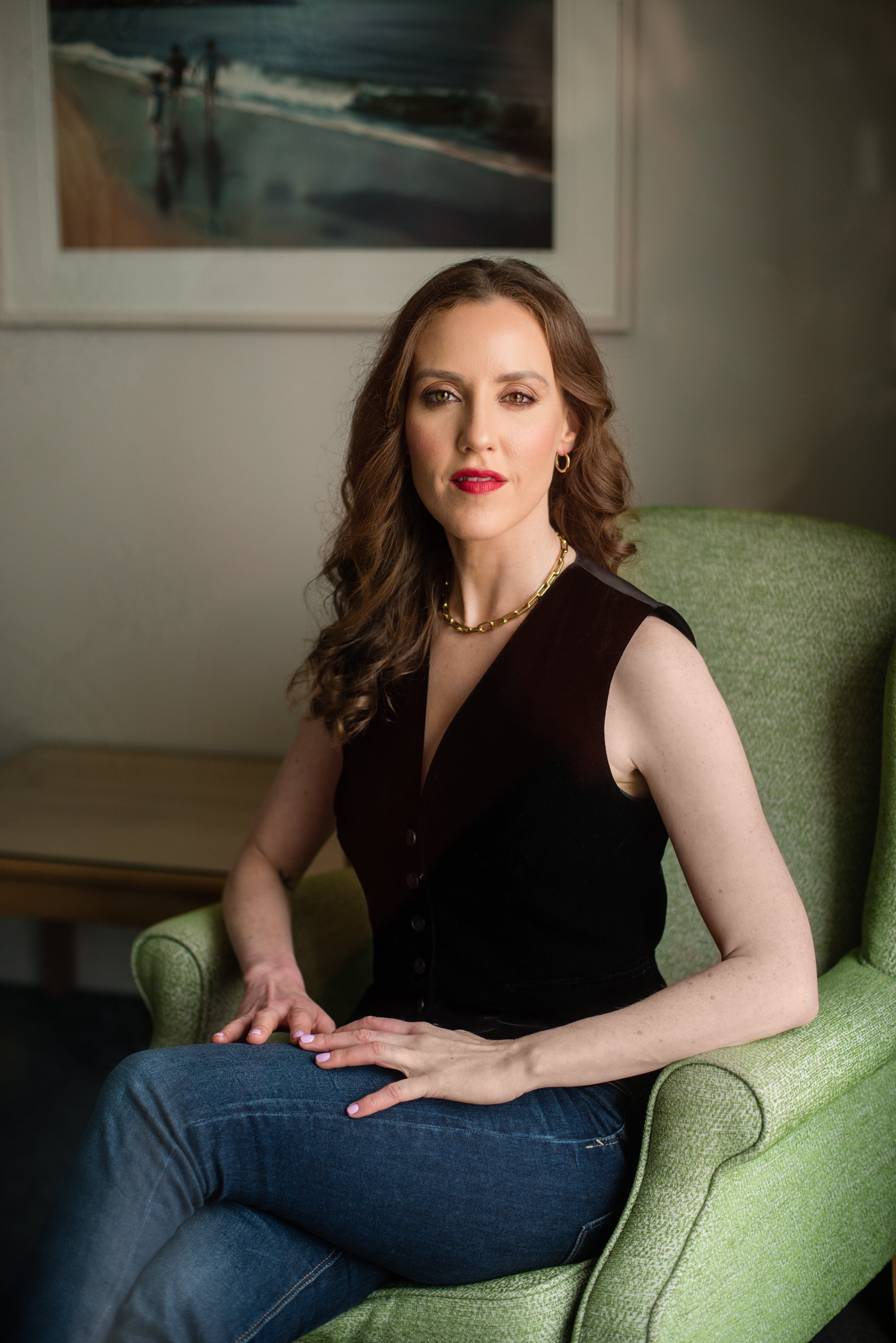
One of the most profound contributions of A Bigger Life is its direct assault on the weaponization of time against women. Society, O’Neill notes, employs a very clever, calculated trick to instill a scarcity mindset in women approaching their mid-to-late thirties.
[Societal Conditioning]
       │
       ▼
[Internalized Panic: "Biological Clock Is Ticking"]
       │
       ▼
[Scarcity Mindset: Settle for Less Out of Fear]
       │
       ▼
[Perpetuation of Unequal Gender Expectations in Relationships]
Pop culture narratives, casual microaggressions, and medicalized alarmism combine to propagate the myth that once a woman hits 35 or 40, she becomes effectively invisible.
"The idea of time has really been used to browbeat women a bit," O’Neill observes. "If you meet a man at 35, he does not feel panicked or under time pressure in the same way that a woman at the age of 35 will do. We’ve been subjected to a lot of fear-mongering, particularly around the idea of the biological clock."
While acknowledging the biological realities of aging, she emphasizes that the cultural narrative claiming fertility "drops off a cliff" at 35 is vastly oversimplified and weaponized to scare women into settling for subpar partnerships. By refusing to succumb to this pressure, O’Neill found that her own standards were not compromised by age, but rather elevated, as the men she encountered routinely met—and frequently exceeded—her expectations.
Official Statements and Reader Resonance
The Cultural Aftershock of A Bigger Life
Since its publication, A Bigger Life has struck a visceral chord with an international readership. O’Neill has been inundated with correspondence from individuals—primarily women—grappling with dissatisfaction in their professional, romantic, and personal lives.
The volume of feedback has been staggering, sorting itself largely into two distinct categories:
- Readers contemplating major life pivots: Messages asking for definitive guidance on whether they should dissolve marriages or long-term partnerships.
- Therapy breakthroughs: Readers reporting that entire clinical therapy sessions are now dedicated entirely to unpacking the themes and provocations presented in O’Neill’s memoir.
Reflecting on her own journey, O’Neill notes that keeping meticulous personal diaries throughout her life provided the raw material needed to trace her rapid psychological shift from panic to liberation.
"There were times in my relationship where I was like, ‘I just don’t feel happy and I don’t think this is the right thing,’" she admits, recalling the period before her split. "But I was too afraid to move or leave because I felt like there was going to be nothing else out there. Once I started dating, it was really interesting to see how it challenged the scarcity mindset… because I kept meeting really nice, interesting, fun, sexy, decent men."
Future Outlook: Redefining Midlife for the Next Generation
Passing the Torch of Autonomy
The true emotional crescendo of A Bigger Life arrives near its conclusion. As O’Neill celebrates her 40th birthday, she receives a deeply moving letter from her cousin, who is 17 years her junior. The younger relative reflects on what she has learned by observing O’Neill navigate the turbulent waters of heartbreak, reinvention, and self-discovery.
This intergenerational exchange crystallized for the author that living life on her own terms is not merely an exercise in personal fulfillment; it is a political and cultural necessity. By visibly thriving outside the rigid confines of traditional milestones, she is actively demonstrating alternative trajectories for aging and womanhood.
"I look at her coming up behind me, and I want her to be excited to turn 40," O’Neill says with conviction. "I want her to look at me and be like, ‘Oh my God, 40 looks so cool, 40 looks fun. Forty looks like it’s full of adventure and hope.’ I want her to live the biggest life that she possibly can, and I can’t say that to her unless I’m doing the same thing."
Conclusion: A Blueprint for Radical Self-Desire
In a literary market frequently saturated with trauma memoirs or cautionary tales about the perils of modern romance, A Bigger Life stands out as a radical manifesto of hope, pleasure, and agency. Louise O’Neill has successfully reframed the dreaded midlife singlehood not as a failure or a period of waiting, but as an expansive, vibrant chapter of self-authorship. For women conditioned to believe that their best years possess a rigid expiration date, O’Neill’s chronicle serves as an indispensable blueprint: an invitation to stop settling, start desiring, and build a life that is unapologetically vast.