Executive Overview
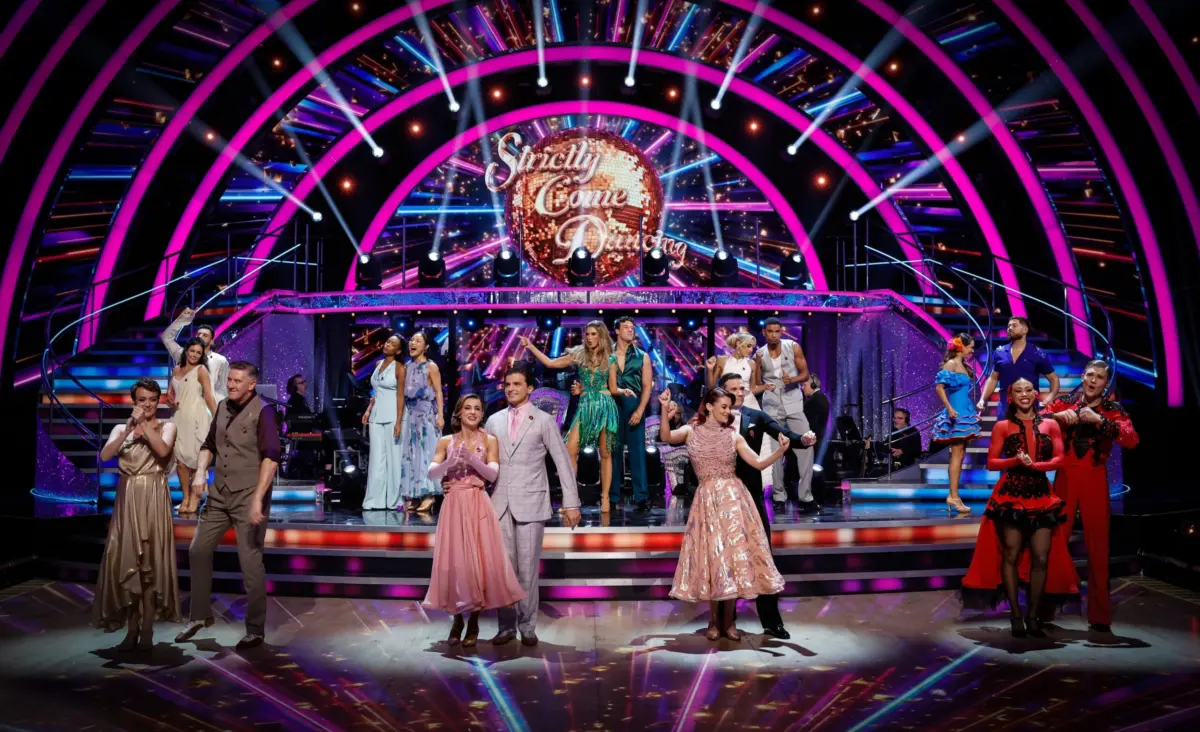
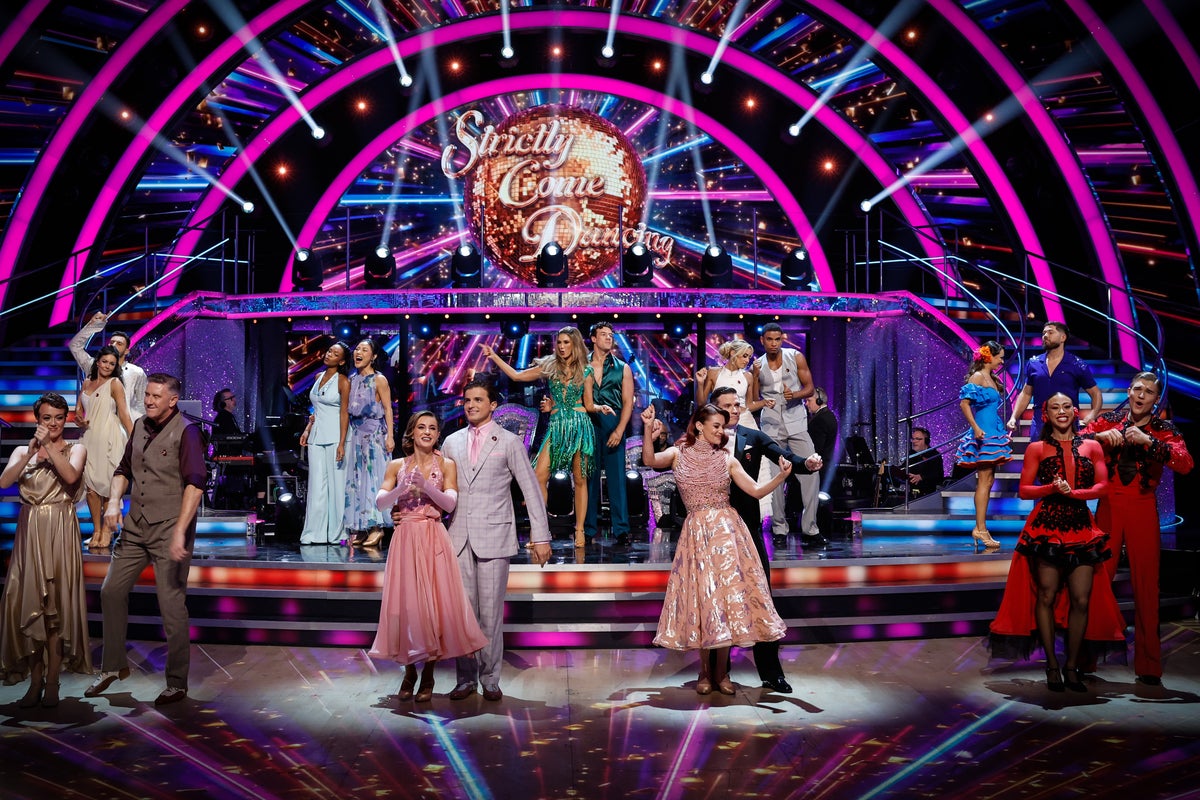
There is a uniquely British ritual that occurs every autumn: millions tune into the BBC’s flagship entertainment behemoth, Strictly Come Dancing, only to immediately take to social media to complain about it. Whether viewers are up in arms over the judges’ notoriously erratic scoring, mourning the shifting aesthetic of a revamped series, or dissecting the nervous energy of a new presenting line-up, the public’s critique is delivered with the fierce passion of dedicated aficionados. As critics and fans alike often note, this incessant moaning rarely stems from genuine malice; rather, it is born of a profound, collective affection for the show. Usually, these complaints are short-lived—swiftly eclipsed by a jaw-dropping routine, a masterclass in Latin footwork, or a viral moment that dominates the watercooler chat for days.
Yet, as the 2026 season marches past its halfway mark, a distinct malaise hangs over the ballroom. Something feels undeniably "off," and the issue runs far deeper than the wobbly transitional phase of the new trio of presenters. The problem is not the absence of television royalty Tess Daly and Claudia Winkleman, nor is it the occasional flat note in the musical arrangements. Instead, the current series is suffering from a structural deficiency: the missing archetype of the contestant viewers love to loathe.
We are talking about the "ringer"—the celebrity who enters the competition armed with a background in dance or musical theatre, adored by the judges while remaining a divisive figure among the viewing public. Without these high-performing powerhouses setting a blistering standard, Strictly 2026 is suffering from a fundamental flaw: a distinct lack of genuinely spectacular dancing. In trying to level the playing field, the show has inadvertently sanded down its own competitive edge, leaving behind a series defined less by incandescent brilliance and more by middling mediocrity.
Detailed Chronology: The Rise and Fall of the Class of 2026 "Ringers"
To understand how Strictly 2026 arrived at this creative crossroads, one must trace the trajectory of this year’s pre-season favourites and how their journeys unspooled in real time.
Long before the glitter-dusted opening credits rolled in September, the rumour mill worked overtime. Wikipedia pages were forensically scoured, and acting CVs were combed for the faintest whiff of rhythm. In the case of Emmerdale star Lawrence Robb, past theatrical credits were immediately weaponised by vigilant fans online, weaponising any prior stage experience as an "unfair advantage." Robb was swiftly flagged as the season’s primary male ringer, alongside Love Island breakout star Cach Mercer, Australian pop royalty Delta Goodrem, and, somewhat surprisingly, celebrity dog trainer Graeme Hall, who possessed a background in amateur ballroom circuits.
CHRONOLOGICAL TIMELINE: THE 2026 RINGER TRAJECTORY
│
├─ Pre-Season: Internet sleuths comb CVs; Robb, Mercer, Goodrem, and Hall flagged as "ringers."
├─ Week 1–3: High expectations set; Goodrem dominates early leaderboards.
├─ Week 4: Delta Goodrem suffers a fractured rib in rehearsals, capping her athletic potential.
├─ Week 6: Lawrence Robb is eliminated after failing to bridge an insurmountable height gap with pro Jowita Przystał.
├─ Post-Week 6: Mercer struggles with fundamental technique; Hall plateaus with an underwhelming Couples Choice routine.
└─ Current Status: An all-female final of non-ringers looms, leaving the series starved of high-end spectacle.
The Early Exit and Technical Hurdles
Despite the pre-show panic, these anticipated powerhouses failed to establish the expected dominance. Lawrence Robb found himself severely compromised from day one by a towering height differential between himself and professional partner Jowita Przystał. Despite flashes of leading-man charm, the physical geometry of their routines proved too difficult to reconcile. Robb lasted just six weeks before facing the dreaded dance-off and getting the chop, robbing the competition of its most charismatic classical contender early on.
Meanwhile, Graeme Hall—whose amateur ballroom background suggested he might quietly cruise to the quarter-finals—hit a brick wall. His plateau became glaringly apparent during a mid-season Couples Choice routine inspired by the life-altering stroke he suffered in 2019. On paper, the emotive performance should have been an artistic triumph and a guaranteed scoreboard topper. In execution, however, it felt pedestrian. The judges struggled to feign enthusiasm, and Hall found himself languishing near the bottom of the leaderboard, proving that nostalgia and narrative cannot permanently substitute for dynamic execution.
Untapped Potential and Physical Setbacks
Cach Mercer entered the competition with street and Afrobeat credentials that should have revolutionised the BBC ballroom. Yet, aside from sporadic moments of raw kinetic brilliance, his potential has remained frustratingly locked away. Week after week, the judges—specifically targeting new professional Maddie Ingoldsby—have reprimanded the partnership for a failure to master the foundational mechanics of traditional ballroom and Latin styles. When an athlete-turned-dancer cannot execute basic holds or footwork transitions, the delicate ecosystem of the competition tilts dangerously off-balance.
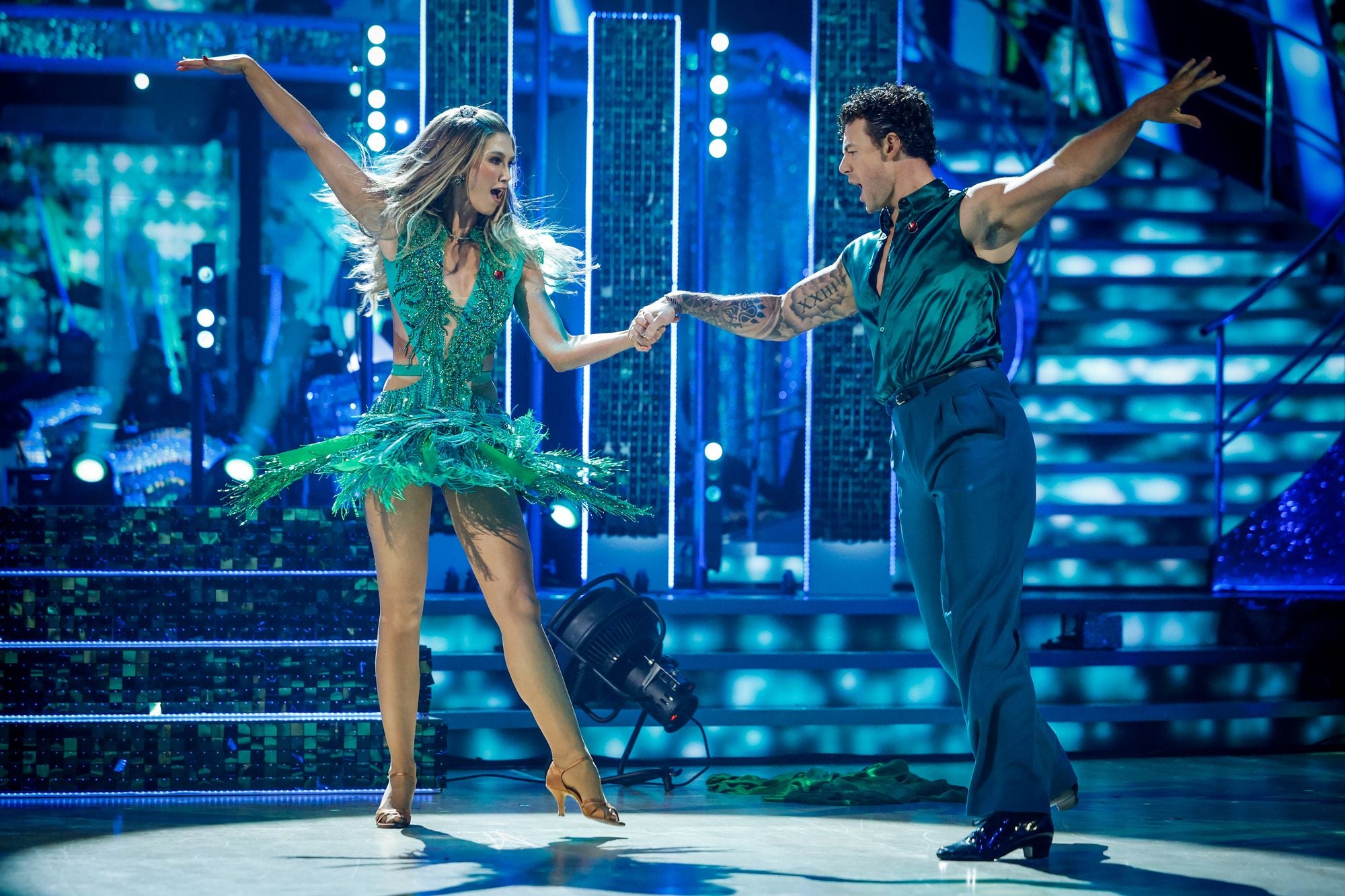
Then there is Delta Goodrem. Initially, the pop singer soared high above her competitors, positioning herself as the undisputed heir apparent to the glitterball trophy. But fortune is a fickle mistress in the Strictly universe. In week four, a painful fractured rib sustained during rigorous rehearsals left Goodrem physically compromised.
While her lightning-fast footwork in subsequent Latin numbers (such as a remarkably gutsy cha-cha) proved that fast-paced routines were not entirely out of reach, a ceiling was firmly placed over her potential. Fear of reinjury halted the integration of daring, acrobatic lifts—the very vocabulary that elevates a good dance to an unforgettable one. Goodrem remains arguably the most technically accomplished dancer in the room, but she is operating at a fraction of her true capacity.
Supporting Context & Metrics: The Historical Ringer Complex
The plight of Delta Goodrem and her contemporaries is not an isolated anomaly; it is part of a deeply ingrained socio-cultural cycle that repeats itself on BBC One nearly every autumn.
To quantify this phenomenon, one must examine the historical precedent of high-achieving contestants who entered Strictly with prior training or high-level performance backgrounds:
| Celebrity | Series Year | Primary Background | Public Reception / Narrative | Final Placement |
|---|---|---|---|---|
| Alexandra Burke | 2017 | Pop / Musical Theatre | Highly divisive; accused of being "fake" by tabloids | Runner-Up |
| Ashley Roberts | 2018 | Pussycat Dolls (Pop/Dance) | Technical excellence overshadowed by public coolness | Runner-Up |
| Faye Tozer | 2018 | Steps (Pop/Dance) | Consistently top-tier scoring; struggled for public affection | Runner-Up |
| Jay McGuinness | 2015 | The Wanted (Pop) / Stage | Rare exception; won audience over with iconic Pulp Fiction jive | Winner |
| Layton Williams | 2023 | West End Theatre / Ballet | Phenomenal standard; faced intense online scrutiny | Runner-Up |
| Amber Davies | 2025 | West End / Love Island | Openly called out public reluctance to warm to her | Finalist |
As the metrics show, these performers almost never win the competition. Out of the glittering pantheon of high-scoring ringers, only The Wanted singer Jay McGuinness (2015) managed to convert technical brilliance and prior experience into an outright victory. For the rest, the trajectory is almost monotonously predictable: they dominate the leaderboards, endure weeks of passive-aggressive public indifference, find themselves repeatedly dragged into the bottom two despite stellar scores, and hobble into the grand final feeling emotionally bruised and deflated.
This creates a psychological burden for the celebrities involved. Amber Davies candidly called out the viewing public during the 2025 series for refusing to "warm to" her despite her work ethic. Similarly, in 2017, Alexandra Burke was forced to issue emotional defenses in press interviews after being relentlessly branded as "fake" simply because she possessed the discipline of a seasoned pop professional.
THE AUDIENCE PSYCHOLOGY PARADOX
┌─────────────────────────────┐     ┌─────────────────────────────┐
│    Desire for Spectacle     │ vs. │  Desire for "The Journey"   │
│ (Wants 10/10 technical art) │     │ (Wants clumsy, loveable     │
└──────────────┬──────────────┘     └──────────────┬──────────────┘
               │                                   │
               └───────────────┬───────────────────┘
                               ▼
            ┌─────────────────────────────────────┐
            │          THE COGNITIVE DISSONANCE   │
            │  Viewers complain about "ringers"   │
            │  yet expect West-End-level quality  │
            │        in the final weeks.          │
            └─────────────────────────────────────┘
Official Statements and Industry Perspectives
The debate surrounding the inclusion of celebrities with dance experience has prompted intermittent commentary from BBC producers, former professional dancers, and the judges themselves. While the broadcaster officially maintains that Strictly is open to anyone with the enthusiasm to learn—regardless of whether they once took a contemporary jazz class as a teenager or starred in a West End musical—insiders privately acknowledge the delicate tightrope walk of casting.
A senior production source, speaking anonymously on the matter of the 2026 casting philosophy, noted:
"Every year, the casting team looks for a diverse tapestry of lived experiences and physical abilities. If you cast an entirely raw slate of novices, you risk having weeks where the dancing is simply too low-level to sustain a 120-minute primetime Saturday night broadcast. Conversely, if you bring in individuals with high-level performance backgrounds, you immediately invite the ‘ringer’ discourse. It is a perpetual balancing act between raw emotional journeys and elite athletic spectacle."
Judges have historically rallied around these high-performing contestants when public backlash threatens to push them out prematurely. Craig Revel Horwood, the panel’s resident arbiter of technical precision, has repeatedly emphasized in post-show interviews that the competition must ultimately reward the person who dances the best on the night, regardless of their past CV.
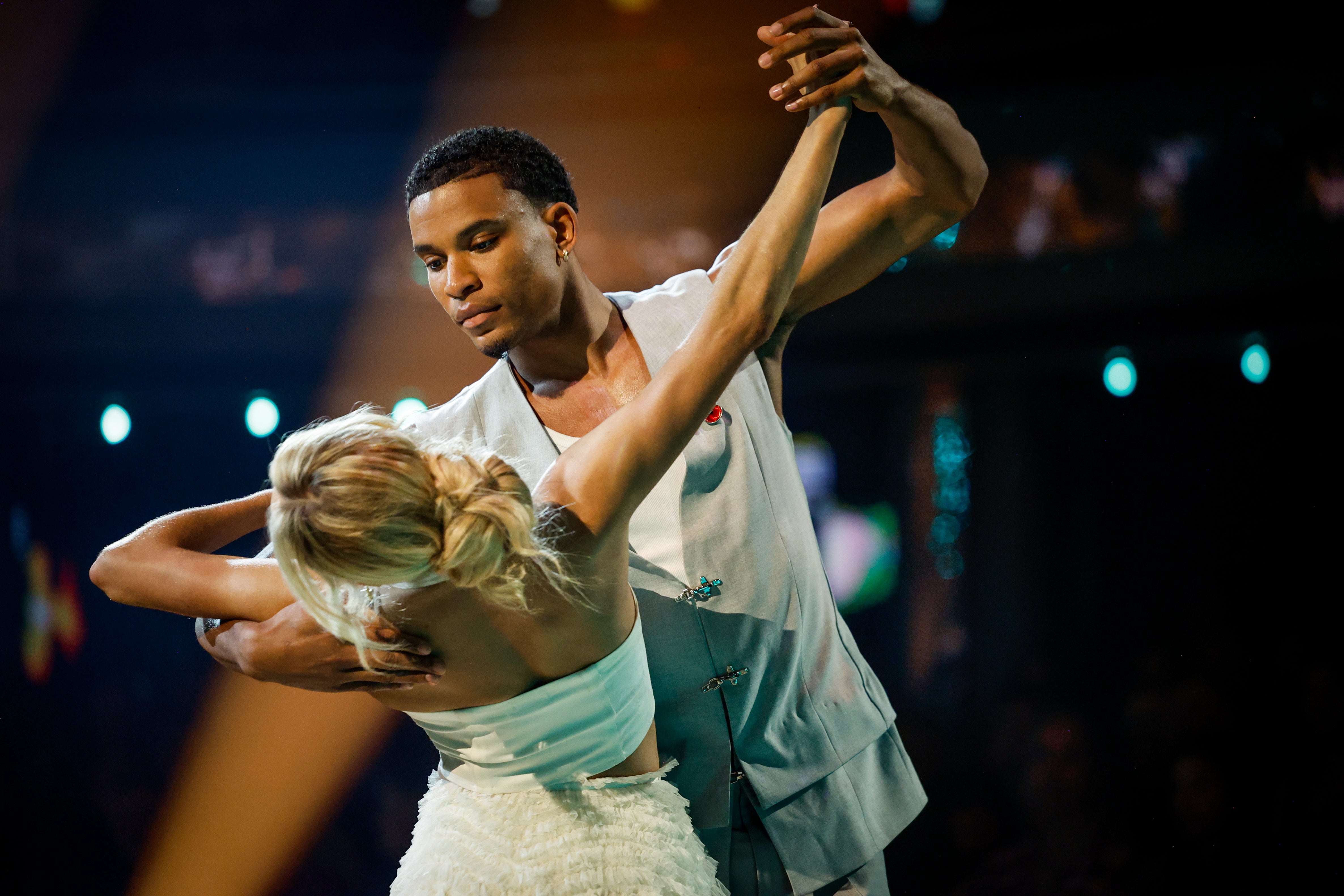
However, the reluctance of the voting public to embrace technical perfection points to a wider cultural preference in British reality television: we prefer our heroes to be flawed, relatable underdogs who stumble, cry, and visibly improve, rather than polished professionals who execute a flawless Viennese Waltz in week two without breaking a sweat.
Future Outlook: Can Strictly Rediscover Its Spark?
As the 2026 series hurtles toward its inevitable conclusion—projected by many odds-makers to be an all-female final featuring Delta Goodrem alongside audience-favourite "journey" contestants like Tabby Stoecker, Dani Dyer, and Lacey Turner—the broader implications for the format are stark.
The absence of a dominant, high-octane ringer who pushes the boundaries of choreography has left a palpable void. Without performers like Ashley Roberts, Danny Mac, or Layton Williams to blow the roof off the Elstree studios, Strictly has lost those watershed moments that populate future "best dance ever" compilation reels on YouTube.
THE FUTURE OF STRICTLY: STRATEGIC RECOMMENDATIONS
┌────────────────────────────────────────────────────────┐
│ 1. Reframe the Narrative: Celebrate Technical Mastery  │
│    Active education for viewers on why elite technique │
│    is desirable rather than a cheating mechanism.       │
├────────────────────────────────────────────────────────┤
│ 2. Diversify Professional Choreography Partnerships   │
│    Pair tall contestants with pros who can adapt       │
│    spatial geometry to avoid structural handicaps.     │
├────────────────────────────────────────────────────────┤
│ 3. Recalibrate Public Voting Psychology                │
│    Encourage viewers to decouple "likability" from     │
│    pure dance competence in weekly elimination votes.  │
└────────────────────────────────────────────────────────┘
When viewers look back at 2026, they will likely remember a season defined by pleasant, competent performances and a whole lot of "middling meh." The likes of Goodrem, hobbled by injury, and Mercer, stifled by fundamental misunderstandings, serve as cautionary tales for future casting directors.
If Strictly Come Dancing wishes to retain its crown as the undisputed king of weekend television entertainment, it must find a way to reconcile the British public’s deep-seated aversion to the "ringer" with the undeniable fact that these very contestants are the lifeblood of the show’s artistic ambition. Without them raising the bar, the glitterball begins to lose its shine—leaving us with plenty to complain about, but very little to truly cheer for.