Executive Overview
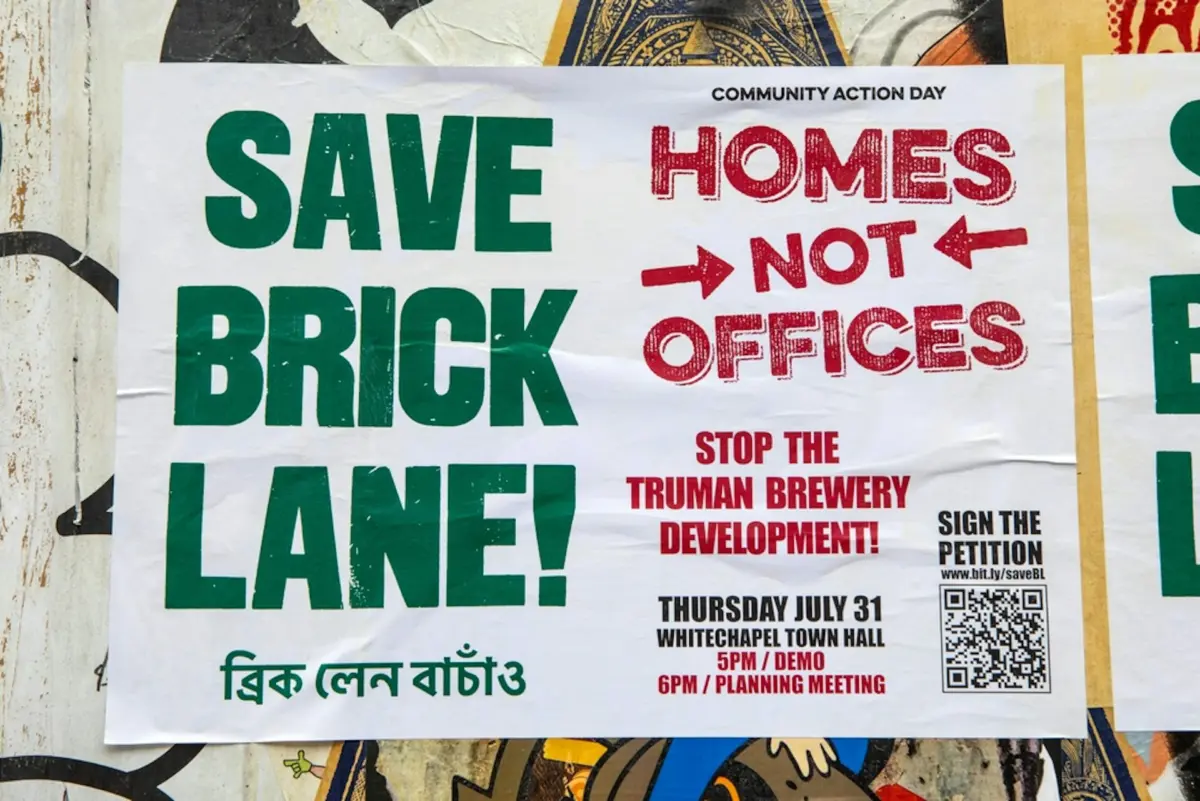
In the heart of East London, where the aromatic scent of curry houses mingles with the vibrant pulse of Bangladeshi culture along iconic Brick Lane, a high-stakes modern conflict is playing out. At its center is the historic Truman Brewery, a sprawling 17th-century landmark that once quenched the thirst of the British Empire with its famous porter beer. Today, the site symbolizes a profound twenty-first-century clash: the unstoppable, government-backed march of digital infrastructure colliding directly with grassroots community preservation, local heritage, and desperate demands for urban housing.
Following a contentious planning saga, a public inquiry, and intense local pushback, the UK government intervened to approve a controversial £500 million mixed-use redevelopment plan spearheaded by site owners Truman Estates. Most notably, this blueprint includes a specialized 5,200-square-metre, 3-megawatt (MW) data centre.
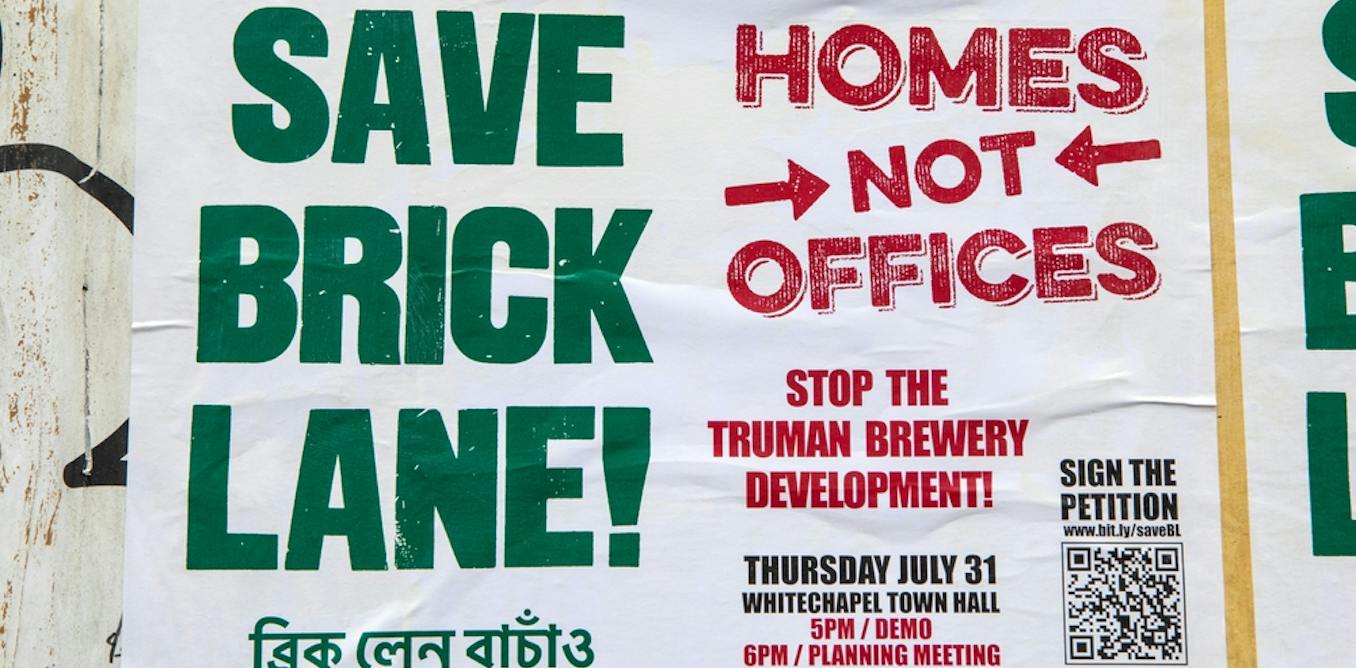
While modest in scale compared to the colossal, multi-hundred-megawatt hyperscale facilities now required to train and run artificial intelligence (AI) models, the Truman Brewery data centre has unleashed a storm of controversy. Local authorities, heritage groups, and residents fiercely opposed the project, arguing that siting a data facility in a dense urban neighbourhood accelerates gentrification, threatens local culture, and squanders precious land that should be dedicated to desperately needed social housing.
Yet, on July 29, Housing Minister Matthew Pennycook issued a decisive ruling on behalf of Secretary of State Angela Rayner, overriding local objections and greenlighting the project. The decision marks a watershed moment in British urban planning. It signals a hardline government commitment to prioritize digital infrastructure and economic growth—cemented by the 2024 classification of data centres as Critical National Infrastructure (CNI)—even when it directly overrides local democratic preferences.
As data centres transition from invisible out-of-town boxes into hyper-connected urban necessities, the Brick Lane controversy serves as a cautionary tale and a blueprint for how Britain will balance the physical demands of the virtual economy with the soul of its historic communities.
Detailed Chronology: From Porter Brewery to Digital Hub
To understand how a historic brewing empire transformed into a battleground for modern digital connectivity, one must trace the evolution of the Truman Brewery site over four centuries.
1. The Rise and Fall of an East London Giant
Founded in the 17th century, the Truman Brewery expanded rapidly through the 18th and 19th centuries, scaling its operations to meet surging domestic and international demand for porter and stout beers. For generations, it was an economic anchor for East London. However, shifting consumer tastes, rising competition, and industrial modernization led to a protracted decline, culminating in the brewery’s permanent closure in 1989.
2. The Creative Renaissance (1995–2021)
Following its acquisition for redevelopment in 1995, the sprawling estate evolved organically into a thriving creative and cultural hub. The cavernous industrial spaces were repurposed into art galleries, independent design studios, retail shops, trendy restaurants, dynamic weekend markets, and popular music venues. It became a defining pillar of modern East London’s bohemian identity.
3. The First Flashpoint: The 2021 Shopping Centre Proposal
The fragile peace of the creative enclave was tested in 2021, when developers proposed a major shopping centre on the underused portions of the estate. The initiative instantly triggered fierce resistance from local residents, independent traders, and heritage conservationists. Mobilizing under the banner of the "Save Brick Lane" campaign, the community successfully fended off the proposal, preserving the street’s independent spirit.
4. The Master Plan and the Data Centre Gambit
Undeterred, the site owners, Truman Estates, went back to the drawing board to develop a far more comprehensive master plan. In August 2024, they formally submitted planning applications encompassing new office spaces, retail zones, leisure facilities, public squares, housing, and the pivotal 3MW data centre.
When the local authority—Tower Hamlets Council—failed to determine the complex applications within the statutory time frame, Truman Estates lodged a non-determination appeal with the Planning Inspectorate. In July of the following year, Tower Hamlets’ Strategic Development Committee evaluated the proposals. Although municipal planning officers recommended approval, local councillors made it clear they would have voted it down, citing acute concerns over local heritage, the erosion of small businesses, and a perceived shortfall in genuinely affordable housing.
5. The Public Inquiry and Ministerial Override
An exhaustive public inquiry was convened in October to hear testimonies and weigh evidence from the developers, local councillors, and passionate campaign groups. The standoff finally concluded on July 29, when Housing Minister Matthew Pennycook released a definitive decision letter on behalf of Secretary of State Angela Rayner. The government approved the appeal, overriding the local council and handing Truman Estates the victory they sought.
Supporting Context & Metrics: Why Geography Still Matters
Critics of the Truman Brewery project have repeatedly questioned the wisdom of embedding an energy-intensive, heat-generating data facility within a densely populated, historic urban core. Many major data developments are historically sited on large, edge-of-town greenfield or brownfield sites—such as the contentious £1 billion data facility development proposed in Iver, Buckinghamshire. While edge-of-town sites have their own environmental and local controversies, they typically avoid the complex spatial conflicts inherent in inner-city locations.
So why did Truman Estates and the government insist on Brick Lane? The answer lies in the unforgiving physics of the digital economy: geography and latency matter.
The Need for Speed in High-Value Finance
The Truman Brewery data centre is officially framed as a "retail co-location" facility, targeting professional clients such as legal firms, online gambling platforms, and financial institutions. In the world of high-frequency trading and digital financial services, milliseconds equate to millions of pounds. As financial author Michael Lewis famously chronicled in Flash Boys, physical proximity to the core financial exchange points dictates digital performance.
Tower Hamlets sits directly adjacent to the City of London and just three miles from Canary Wharf. It boasts the third-largest economic output of any local authority in the entire United Kingdom, with financial and professional services generating roughly £11 billion in economic activity and supporting some 160,000 jobs.
The data centre is strategically positioned near the Osborn Street substation—a site bearing its own century-old electrical lineage dating back to Stepney Electricity Works—and sits directly atop the dense fiber-optic utility routes crisscrossing the capital. For London’s financial ecosystem, having ultra-low-latency data infrastructure embedded directly within the financial district is not a luxury; it is an operational imperative.
The Housing Crisis vs. Digital Imperative
A central pillar of local opposition focused on Tower Hamlets’ severe housing crisis. Local campaigners argued that dedicating urban land to data storage represents a catastrophic missed opportunity to build social housing. The council’s own draft local plan had previously earmarked the wider brewery site for up to 800 residential homes.
However, the national government assigned that draft housing policy "limited weight," citing a lack of detailed financial and logistical evidence proving that a purely housing-led alternative was commercially viable. To bridge the gap, the approved scheme does incorporate residential units—specifically 44 apartments, of which 11 are designated as affordable, and six specifically earmarked for social rent.
Official Statements and Stakeholder Perspectives
The debate surrounding the Truman Brewery development exposed deep ideological fractures between national economic strategy and local democratic accountability.
- The National Government’s Stance: In his official decision letter, Housing Minister Matthew Pennycook emphasized that the Secretary of State attached "significant weight" to the scheme’s undeniable economic dividends. Pennycook explicitly recognized the facility’s role in fortifying high-speed digital infrastructure for London’s powerhouse financial sector. Furthermore, addressing community anxiety, Pennycook noted that the government deliberately factored in the welfare of the area’s prominent Bangladeshi community, ensuring that the six social-rent homes were explicitly tailored in size to accommodate multi-generational Bangladeshi heritage families.
- Local Opposition and Campaigners: Grassroots groups, preservationists, and local MPs have pushed back fiercely. Critics argue that introducing a high-tech data facility into a culturally rich neighborhood risks accelerating hyper-gentrification, pushing out independent traders, and fundamentally altering the character of Brick Lane. Environmental advocates have also raised alarms regarding the immense water and electrical resources required to cool and power server hardware, warning it could strain local utility grids.
- The Developers: Truman Estates maintained throughout the lengthy inquiry that the mixed-use master plan represents a balanced, holistic rejuvenation of an underutilized industrial asset. They argue that the development will inject vital capital, generate hundreds of jobs, and seamlessly blend modern commercial utility with public realm improvements and much-needed residential spaces.
Future Outlook: A New Paradigm for Urban Land Use
The battle over the Truman Brewery is far more than an isolated planning dispute in East London; it is a preview of a nationwide structural shift.
In September 2024, the UK government officially reclassified data centres as Critical National Infrastructure (CNI). Under the updated National Planning Policy Framework (NPPF), planning guidelines formally recognize that Britain requires a massive expansion of data capacity to support everything from standard corporate cloud computing to the explosive computational demands of artificial intelligence.
While planning authorities continue to process data centres under traditional industrial use classes—such as Class B8 for "storage and distribution"—they are no longer viewed merely as passive suburban warehouses. They are now recognized as high-value, highly strategic infrastructure assets.
As a result, data centres are increasingly locked in a zero-sum competition for expensive urban land, electrical grid capacity, and water resources against housing developments, retail spaces, heritage conservation zones, and local cultural hubs.
The precedent set at Brick Lane proves that when national economic imperatives clash with local resistance over digital infrastructure, central government policy will pull rank. No longer invisible out-of-town boxes, data centres have arrived in the inner city—and our urban landscapes will never look the same again.