In the canon of heavy metal, critical consensus can be as uncompromising as a guitar solo played at breakneck speed. Legendary bands—from the founding fathers of the New Wave of British Heavy Metal to thrash icons and deathcore pioneers—are often held to rigid aesthetic standards by both journalists and devoted fanbases. When a sacred cow strays from its established sonic domain, the immediate reaction is frequently swift, punitive, and monolithic. Albums that experiment with electronic textures, stripped-down production, or unconventional songwriting are routinely dismissed as commercial sellouts, misguided vanity projects, or artistic failures.
However, historical distance frequently reveals a vastly different reality. Many of the genre’s most maligned releases represent essential moments of creative risk-taking, where musicians refused to be trapped by their own legacies. This investigative re-evaluation examines eleven of the most polarizing records in heavy metal history—released between 1990 and 2018—by heavyweights including Iron Maiden, Slayer, Megadeth, Metallica, Judas Priest, Guns N’ Roses, Machine Head, Paradise Lost, Morbid Angel, Korn, and Suicide Silence.
By analyzing the cultural climate at their release, production methodologies, songwriting structures, and subsequent artistic legacies, this report proves that these so-called "black sheep" records were not signs of creative decline, but rather bold, misunderstood detours that deserve critical rehabilitation.
Detailed Chronology: Four Decades of Polarizing Masterpieces
  1990                  1998-1999                  2008                  2011                  2017-2018
   │                        │                        │                     │                       │
   ├── Iron Maiden          ├── Slayer               ├── Guns N' Roses     ├── Morbid Angel        ├── Suicide Silence
   │   (No Prayer...)       │   (Diabolus...)        │   (Chinese Dem.)    │   (Illud Divinum...)  │   (Self-Titled)
   │                        ├── Megadeth             ├── Judas Priest      ├── Korn                ├── Machine Head
   │                        │   (Risk)               │   (Nostradamus)     │   (Path of Totality)  │   (Catharsis)
   │                        └── Paradise Lost        │                     └── Metallica / L. Reed │
   │                            (Host)               │                         (Lulu)              │
The 1990s: Stripped-Down Grit and Groove Pivots
Iron Maiden – No Prayer for the Dying (1990)
Following the progressive heights of 1984’s Powerslave, 1986’s synth-infused Somewhere in Time, and 1988’s conceptual Seventh Son of a Seventh Son, Iron Maiden found themselves at a crossroads. As thrash metal reached its commercial zenith, the British titans sought to shed the theatrical, multi-suite arrangements that had come to define their arena show, opting instead for a raw, street-level sound.
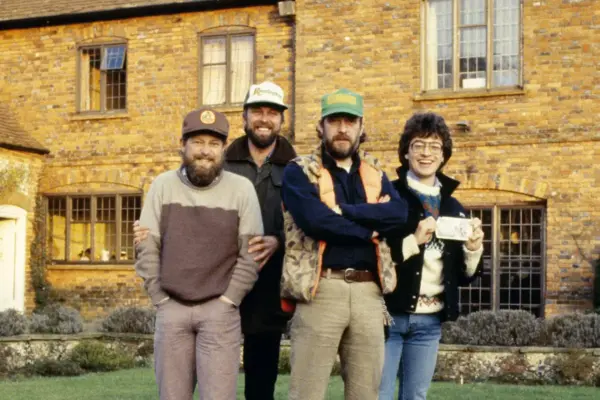
To capture this energy, the band deployed the Rolling Stones Mobile Studio to bassist Steve Harris’s barn in Essex. The resulting record featured shorter, punchier compositions and a deliberately raspy vocal performance from Bruce Dickinson. While long dismissed as a minor entry in their discography, tracks like "Tailgunner" and "Public Enema Number One" brought a kinetic, galloping urgency back to the band’s repertoire.
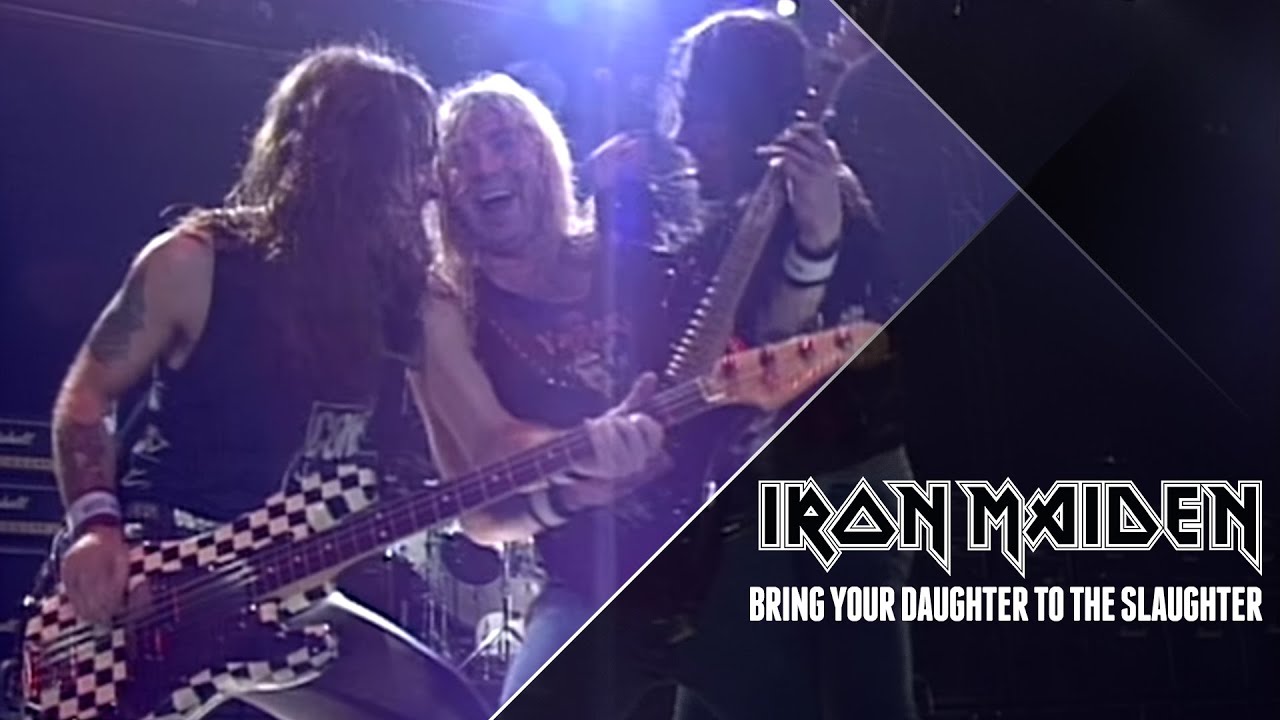
Furthermore, the record delivered "Bring Your Daughter… to the Slaughter," which secured Iron Maiden their first and only UK Singles Chart No. 1—a testament to the album’s broad cultural impact despite vocal fan pushback.
Slayer – Diabolus in Musica (1998)
By the late 1990s, traditional thrash metal was being eclipsed by the rising tide of nu-metal and alternative heavy music. Unenthused by the changing landscape, lead guitarist Kerry King took a back seat during the composition of Slayer’s eighth studio album, leaving primary songwriting duties to guitarist Jeff Hanneman and frontman Tom Araya.
The resulting release, Diabolus in Musica, was immediately labeled a cynical attempt to hijack the nu-metal trend. Yet a contemporary listen disproves this narrative. The record contains no DJ scratching, no rap verses, and no pop-oriented concessions. Instead, Hanneman traded lightning-fast tremolo picking for heavy, down-tuned grooves reminiscent of industrial metal acts like Godflesh and Prong. Tracks like "Bitter Peace," "Perversions of Pain," and the Grammy-nominated "Stain of Mind" preserve the terrifying malice essential to Slayer’s identity while showcasing an elastic, heavy atmosphere that expanded their sonic palette.
Megadeth – Risk (1999)
Following the radio-friendly success of 1992’s Youthanasia and 1997’s Cryptic Writings, Dave Mustaine made a deliberate gamble. Spurred on by a comment from former Megadeth guitarist Marty Friedman—and challenge-driven remarks from radio programmers—Mustaine set out to write an album that prioritized mainstream melodic rock over thrash intensity.
Titled Risk as an explicit nod to the artistic danger involved, the record was met with immediate hostility from purists who viewed it as a complete betrayal. Looked at outside the boundaries of thrash metal, however, Risk is an exceptionally executed hard rock record. "Breadline" delivers one of the most infectious hooks in Mustaine’s catalog, while "Wanderlust" and "Time: The Beginning" display an emotional depth and reflective maturity rarely seen in aggressive metal during that era.
Paradise Lost – Host (1999)
Having pioneered gothic death-doom with albums like Gothic (1991) and mastered gothic metal on Draconian Times (1995), Halifax’s Paradise Lost made a radical left turn on their seventh studio album. Host saw the band fully embrace synth-pop, electronica, and darkwave, drawing obvious sonic parallels to Depeche Mode and The Cure.
Facing fan confusion over their short hair and electronic gear, alongside friction with major label EMI, the band was caught in a storm of negative press. Yet Host stands as a remarkably cohesive piece of melancholic art. Stripping away heavy guitar distortion revealed Nick Holmes’s rich baritone vocals and Greg Mackintosh’s sharp melodic sensibilities on standout tracks like "So Much Is Lost" and "Nothing Sacred."
The 2000s: Grandiose Concept Projects and Legendary Production Sagas
Guns N’ Roses – Chinese Democracy (2008)
Few records in music history carry the narrative weight of Chinese Democracy. Gestating over 14 years, costing a reported $13 million, and involving a revolving door of elite musicians (including Buckethead, Robin Finck, and Richard Fortus), Axl Rose’s long-delayed opus became a punchline before a single note was officially released.
When the album finally arrived in late 2008, critics struggled to separate the music from the legendary production delays. Evaluated purely on its musical merits, Chinese Democracy is a vast, hyper-ambitious art-rock masterpiece. The title track and "Better" offer powerful industrial rock anthems, while "There Was A Time" and "Sorry" rank among the most emotionally sweeping ballads Axl Rose has ever written. Far from a trainwreck, the record represented a forward-thinking fusion of classic arena rock and modern production technology.
       CHINESE DEMOCRACY BY THE NUMBERS
┌──────────────────────────────────────────────┐
│  • Gestation Period: 14 Years (1994–2008)    │
│  • Estimated Production Cost: $13 Million    │
│  • Modern Live Staples: Title Track, "Better"│
└──────────────────────────────────────────────┘
Judas Priest – Nostradamus (2008)
Following the successful reunion with frontman Rob Halford on 2005’s Angel of Retribution, Judas Priest chose not to play it safe. Instead, the heavy metal founders constructed a massive, 102-minute double concept album detailing the life, prophecies, and struggles of 16th-century seer Michel de Nostredame.
Critiqued upon arrival for its length, abundance of classical interludes, and reliance on symphonic keyboards provided by Don Airey, Nostradamus was seen by impatient listeners as overly indulgent. In hindsight, the album stands out as a bold career statement. Guitarists Glenn Tipton and K.K. Downing crafted some of their most creative lead passages on tracks like "Prophecy" and the towering title track, while Halford delivered a nuanced, theatrical vocal performance that proved Judas Priest was still capable of narrative scope.
The 2010s: Crossover Experiments, Avant-Garde Collaborations, and Genre Disruption
      Key Creative Pivots of the 2010s Crossover Era
┌──────────────────────┬──────────────────────────────────────────┐
│ Album                │ Primary Stylistic Pivot                  │
├──────────────────────┼──────────────────────────────────────────┤
│ Morbid Angel (2011)  │ Death Metal ➔ Industrial Stomp / Gabba   │
│ Korn (2011)          │ Nu-Metal ➔ Dubstep / EDM Integration     │
│ Metallica/Reed (2011)│ Heavy Metal Riffs ➔ Avant-Garde Spoken Word│
│ Suicide Silence (2017)│ Deathcore ➔ Unpolished Nu-Metal/Clean Vox│
│ Machine Head (2018)  │ Groove/Thrash ➔ Eclectic/Rap-Metal Fusion│
└──────────────────────┴──────────────────────────────────────────┘
Morbid Angel – Illud Divinum Insanus (2011)
When death metal pioneers Morbid Angel returned with vocalist/bassist David Vincent for their eighth studio album, expectations pointed toward a return to classic, blast-beat-driven death metal. Instead, the band delivered Illud Divinum Insanus, a sharp turn into industrial rhythms, electronic sequencing, and danceable beats.
Fans reacted with outrage, disowning songs like the electro-tinted "Radikult" and "Too Extreme!". However, viewed through an avant-garde lens, the record was a fearless experiment. Morbid Angel had explored industrial remixes as early as 1994’s Laibach collaborations; Illud Divinum Insanus simply brought those ideas to the forefront. Vincent’s theatrical vocal delivery and Trey Azagthoth’s unconventional guitar textures produced a uniquely bizarre, high-camp release that defied genre constraints.
Korn – The Path of Totality (2011)
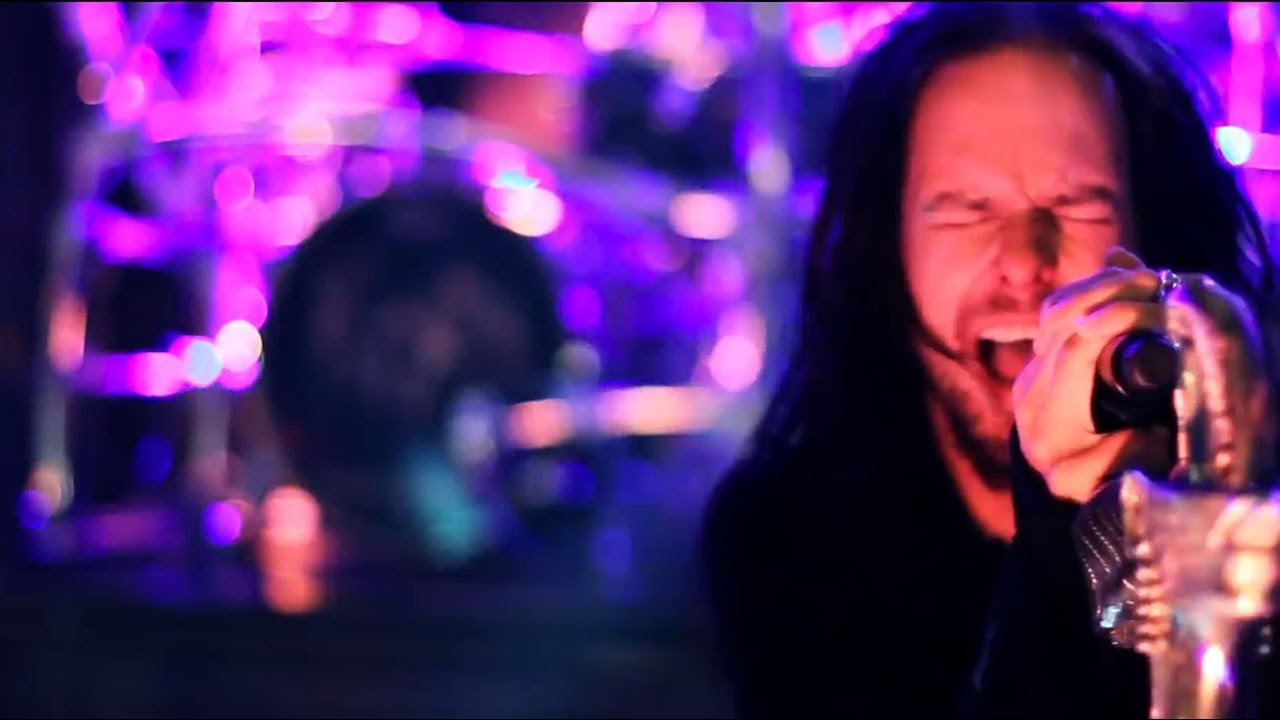
In 2011, as dubstep and EDM dominated youth culture, Korn chose to fully integrate those electronic textures into their signature sound. Collaborating with prominent bass music producers including Skrillex, Noisia, Kill the Noise, and Excision, the nu-metal originators sought to define what frontman Jonathan Davis described as "future metal."
Traditionalists rejected the album as an attempt to chase a passing radio trend. Yet The Path of Totality succeeded by leaning into the shared sonic DNA of both genres: sub-bass frequencies, aggressive drops, and rhythmic grooves. Hits like "Get Up!" and "Chaos Lives in Everything" proved that Korn’s down-tuned guitar riffs could seamlessly mesh with modern electronic production, creating an energetic hybrid that broadened their appeal to a new generation.
Metallica & Lou Reed – Lulu (2011)
Perhaps no record in the 21st century has elicited as much public confusion as Lulu, the full-length collaboration between thrash metal giants Metallica and avant-garde rock icon Lou Reed. Based on Frank Wedekind’s "Lulu" plays, the record featured Reed declaiming dark, explicit poetry over heavy, improvisational riffs recorded live in single takes by Metallica.
Fans expecting polished, traditional thrash were appalled, turning the album into an immediate target for internet satire. Yet Lulu was never intended to be a conventional Metallica release. It was an unfiltered piece of noise-rock performance art. Beneath Reed’s challenging spoken-word delivery lies some of the rawest, most visceral guitar work James Hetfield and Kirk Hammett have committed to tape since the 1980s, stripped of the pristine digital polishing that characterizes modern metal production.
"It’s aged extremely well. It sounds like a motherfucker still. So I can only put the reaction down to ignorance."
— Lars Ulrich on *Lulu*
Suicide Silence – Suicide Silence (2017)
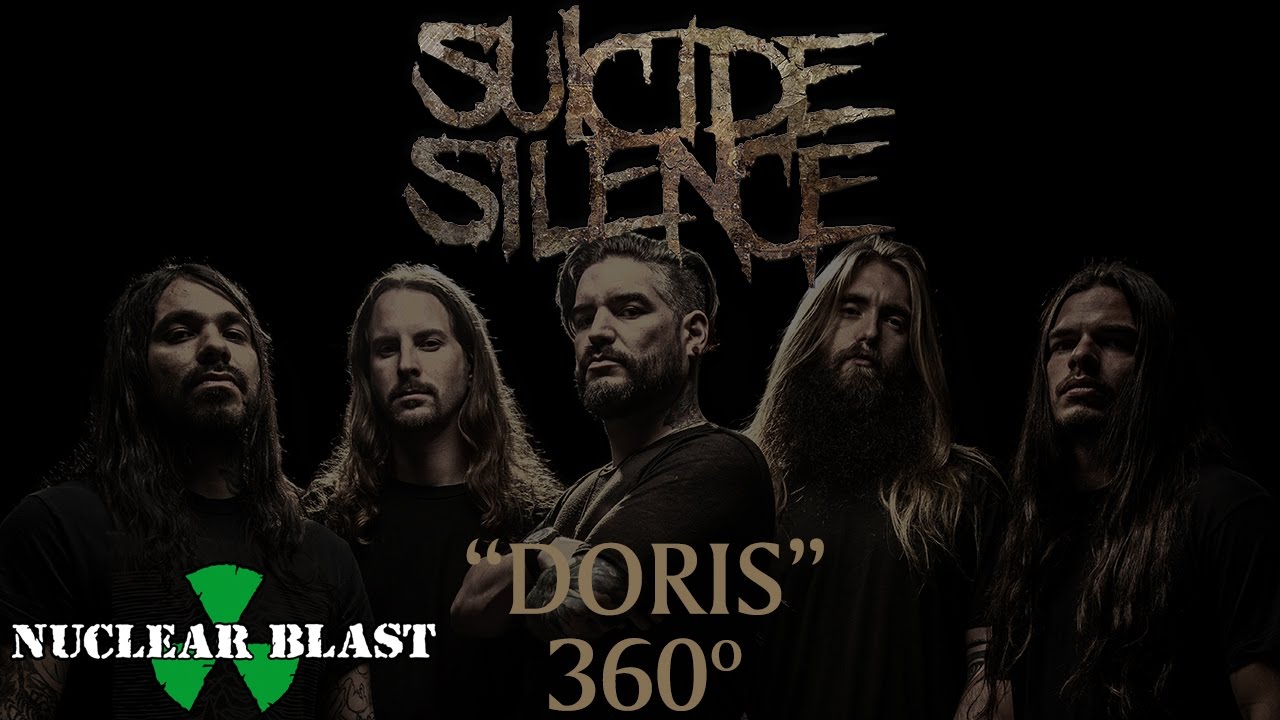
By 2017, the deathcore genre had grown formulaic, relying heavily on pitch-corrected vocals, grid-aligned drums, and predictable breakdown structures. Suicide Silence responded by hiring producer Ross Robinson—famed for his unvarnished work on early Korn and Slipknot records—to produce their self-titled fifth album.
The band largely abandoned deathcore’s vocal "pig squeals" and clean digital production in favor of dynamic, unhinged clean singing from Eddie Hermida, backed by analog, live instrumentation. The backlash was intense, culminating in an online fan petition requesting the album’s release be canceled. In reality, Suicide Silence was a brave effort to inject genuine danger, human imperfection, and emotional volatility back into a stale genre, sacrificing comfort for authentic artistic expression.
Machine Head – Catharsis (2018)
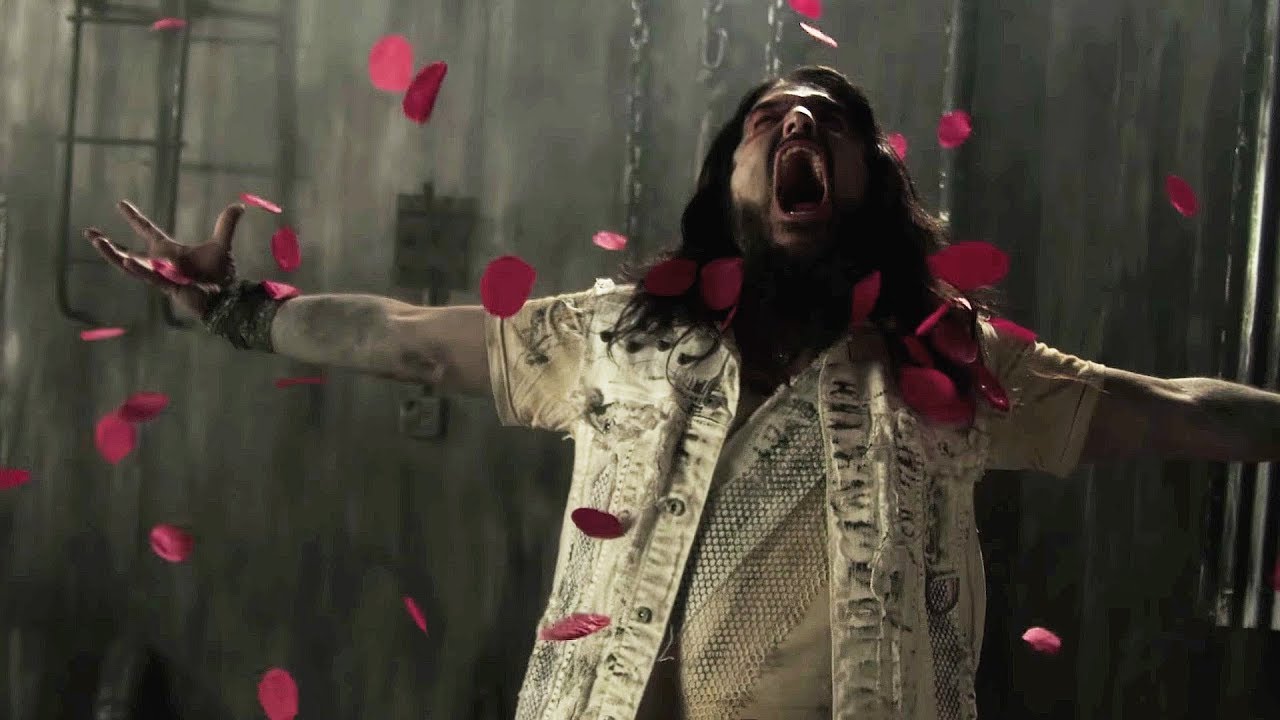
Following a run of critically acclaimed, progressive groove-thrash records—including 2007’s The Blackening and 2011’s Unto the Locust—Machine Head frontman Robb Flynn deliberately pivoted on 2018’s Catharsis. Designed as an expansive, unfiltered dump of musical influences, the 75-minute album incorporated nu-metal rapping, acoustic ballads, folk-punk influences, and topical political commentary.
The record fractured the band’s internal dynamics, directly contributing to the departure of longtime guitarist Phil Demmel and drummer Dave McClain. Yet Catharsis remains an exhilaratingly chaotic album. Tracks like "Volatile" and the title track deliver intense groove-metal, while experimental numbers like "Triple Beam" and "California Bleeding" offer a candid window into Flynn’s personal life and musical roots.
Supporting Context & Industry Metrics
To understand why these records generated such intense pushback upon release, one must look at the broader industry factors at play: line-up shifts, production deviations, media narratives, and economic pressures.
       HISTORICAL IMPACT & REHABILITATION MATRIX
┌──────────────────────┬──────────────────────┬───────────────────────────────┐
│ Album                │ Commercial Context   │ Retrospective Re-evaluation  │
├──────────────────────┼──────────────────────┼───────────────────────────────┤
│ Iron Maiden (1990)   │ Yielded UK #1 Single │ Recognized for live energy    │
│ Slayer (1998)        │ Grammy Nominated Track│ Appreciated for dark atmosphere│
│ Megadeth (1999)      │ Mainstream Radio Aim │ Re-evaluated as solid hard rock│
│ Paradise Lost (1999) │ Major Label Pressure │ Celebrated synth-pop classic  │
│ Guns N' Roses (2008) │ $13M Budget Legacy   │ Reclaims live setlist staples │
│ Judas Priest (2008)  │ Double Concept Album │ Hailed for symphonic scope    │
│ Morbid Angel (2011)  │ Industrial Experiment│ Cult status for avant-garde   │
│ Korn (2011)          │ Dubstep Crossover    │ Pushed electro-metal boundaries│
│ Metallica/Reed (2011)│ Live Improv Session  │ Respected performance art     │
│ Suicide Silence (2017)│ Abandoned Deathcore │ Praised for organic production │
│ Machine Head (2018)  │ Caused Lineup Shift  │ Recognized for bold honesty   │
└──────────────────────┴──────────────────────┴───────────────────────────────┘
Production Aesthetics vs. Fan Expectations:
Iron Maiden recorded in a converted barn using the Rolling Stones Mobile Studio to deliberately avoid the slick digital polish of late-1980s metal.
Metallica and Lou Reed eschewed multi-tracking and click tracks on Lulu, capturing complete live takes that preserved every dynamic imperfection.
Suicide Silence brought in Ross Robinson to record directly to tape, rejecting the computerized, quantized sound typical of modern deathcore.
Economic and Cultural Shifts:
In 1990 and 1998, classic heavy metal and thrash faced existential threats from grunge and nu-metal, forcing bands like Iron Maiden and Slayer to either adapt or risk appearing dated.
In 2011, the rise of EDM created a similar disruption, prompting Korn to embrace electronic producers rather than retreat into nostalgia.
Chart Success vs. Critical Reception:
Despite widespread criticism, Iron Maiden’s "Bring Your Daughter… to the Slaughter" topped the UK singles chart, proving that commercial viability and fan sentiment do not always align.
Guns N’ Roses’ Chinese Democracy sold millions of copies worldwide and spun off major live staples ("Better," "Chinese Democracy"), despite a wall of skeptical media coverage.
Official Statements: The Creators Speak
The perspectives of the musicians involved illustrate the deep divide between initial critical reception and the internal artist experience. While some band members expressed regret over the outcome, others fiercely defended their artistic choices.
Defending the Creative Risk
"I think it’s a really strong album… We were trying to make it sound like a live album, which is why we got the Rolling Stones Mobile Studio to record it live in the barn. If someone says they don’t like something, that makes me embrace it even more. You’ve got to believe in what you do, haven’t you?"
— Steve Harris, Iron Maiden bassist
"It’s aged extremely well. It sounds like a motherfucker still. So I can only put the reaction down to ignorance."
— Lars Ulrich, Metallica drummer
"I’m proud as fuck of that record. I knew it was going to piss people off. A bunch of asshole trolls who got their fuckin’ panties in a bunch about it. Fuck ’em! I ain’t gonna apologise for shit!"
— Robb Flynn, Machine Head frontman
"Songwriting-wise, Host is a great album. There are some great songs on there and it was always about that. It was never about playing them at rock festivals or anything like that."
— Nick Holmes, Paradise Lost vocalist
"I think Axl sang his ass off. He made the record he wanted to make and I’m happy for him. I thought he did a great job."
— Duff McKagan, Guns N’ Roses bassist (reflecting on Chinese Democracy)
Acknowledging the Backlash
"When we made the Diabolus In Musica record, I wasn’t into writing music because I was so offended by that shit [nu-metal]. I couldn’t understand why anybody would make music like that, let alone like it. That was definitely my darkest time as a musician."
— Kerry King, Slayer guitarist
"If I drink a little bit I’m gonna want to do a bit of blow. If I do blow I want to do heroin. And if I do heroin I end up writing an album like Risk again — and nobody wants that."
— Dave Mustaine, Megadeth frontman
"I thought it was gonna sound a lot more heavy. But nothing could save a silly song like Radikult, which I just tried to ignore. I had nothing to do with that thing."
— Trey Azagthoth, Morbid Angel guitarist
"We took a lot of heat for it and the backlash was much more severe than we thought it would be. That definitely affected us personally."
— Eddie Hermida, Suicide Silence vocalist
Future Outlook: The Evolution of Critical Consensus
As physical media gives way to digital streaming platforms, the way audiences discover and evaluate music has fundamentally changed. Younger listeners, unburdened by the historical context, magazine feuds, or release-day controversies of previous decades, are approaching these albums with fresh ears.
On streaming services, tracks like Guns N’ Roses’ "Better," Korn’s "Get Up!", and Iron Maiden’s "Tailgunner" sit side-by-side with the acts’ most famous hits. This equalizer effect has accelerated a broader critical reassessment:
Genre Fluidity: Modern heavy music increasingly values crossover elements. The electronic experiments of Paradise Lost’s Host and Korn’s The Path of Totality no longer look like trend-chasing detours, but early examples of genre-bending that paved the way for contemporary industrial, synthwave, and trap-metal acts.
Production Authenticity: As over-processed, perfectly time-aligned digital recording becomes the standard, the raw, analog production of Iron Maiden’s No Prayer for the Dying, Suicide Silence’s self-titled record, and Metallica’s Lulu gains newfound respect for its human feel and dynamic variance.
Live Setlist Rehabilitation: Key tracks from these divisive records continue to earn spots in live setlists, proving their lasting value. Bands like Guns N’ Roses, Machine Head, and Iron Maiden regularly perform material from their once-maligned releases to enthusiastic festival audiences worldwide.
Ultimately, these eleven records demonstrate that artistic evolution requires risk. While taking those risks can lead to immediate commercial pushback or critical confusion, history often vindicates the artists who choose to break the mold rather than repeat a safe formula. Heavy metal remains a vital, evolving genre precisely because its most iconic artists were brave enough to release the albums their audiences didn’t yet know they wanted.