Executive Overview
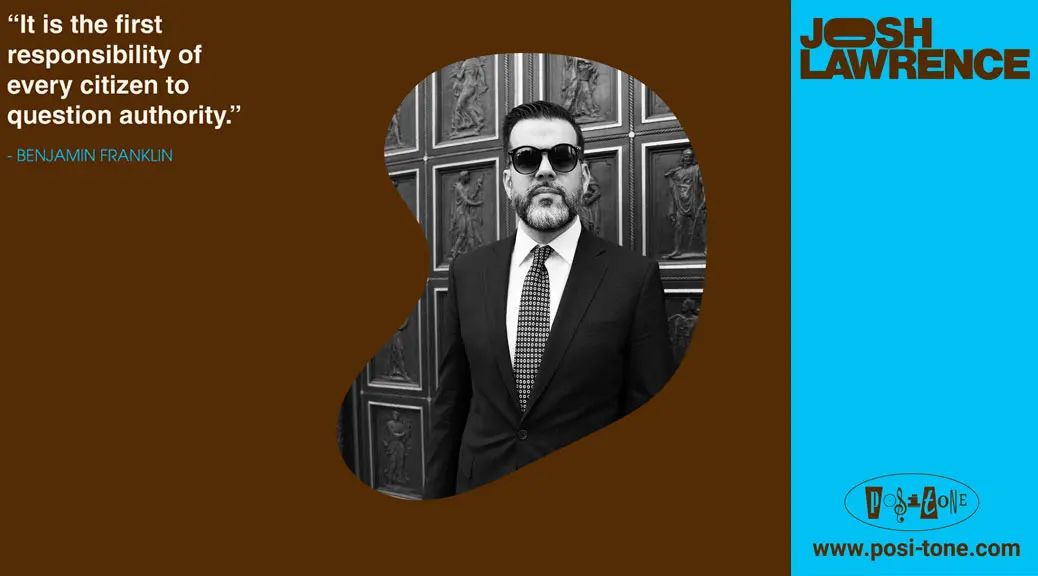
In the world of contemporary jazz, few geographical locations carry as much stylistic and cultural gravity as Philadelphia. From the labyrinthine alleyways of its historic neighborhoods to the smoke-filled, hallowed bandstands of its legendary jazz clubs, the city has long served as an uncompromising crucible for America’s classical art form. It is within this rich, storied lineage that accomplished trumpeter and composer Josh Lawrence positions his latest masterwork, Philly Twisted. Released as his eighth outing for the venerable Posi-Tone Records, the album is far more than a mere collection of tunes; it is a vibrant, deeply affectionate, and thoroughly swinging love letter to the City of Brotherly Love—a place that adopted Lawrence, shaped his artistic sensibilities, and ultimately forged him into the formidable musician he is today.
Spanning an evocative program of originals and carefully curated covers, Philly Twisted captures the unmistakable musical state of mind that defines Philadelphia’s jazz ecosystem. While Lawrence spent his formative years just across the river in neighboring New Jersey, his true musical baptism occurred within the academic halls of the University of the Arts and, crucially, in the crucible of the city’s nocturnal bandstands. Eschewing dry, academic replication, Lawrence and his powerhouse sextet breathe dynamic, modern life into the classic idioms of the late 1950s and 1960s Blue Note era. The result is an album that honors tradition without ever reducing it to a museum piece—blending muscular horn arrangements, infectious blues, driving boogaloo, and a palpable sense of joyous camaraderie that proves impossible to resist.
Detailed Chronology: From New Jersey Roots to the Philadelphia Bandstand
To fully understand the sonic architecture of Philly Twisted, one must trace the developmental arc that brought Josh Lawrence from his New Jersey upbringing into the beating heart of Philadelphia’s jazz underground. Like many young brass players of his generation, Lawrence was initially drawn to the sheer power and communicative range of the trumpet. However, it was his relocation to Philadelphia for undergraduate studies at the University of the Arts that catalyzed his transformation from a promising student into a seasoned professional.
While formal conservatories provide essential theoretical foundations, jazz is famously a music learned on the bandstand, transmitted orally and experientially from elder masters to eager disciples. For Lawrence, this rite of passage took place primarily during the legendary Sunday night blowing sessions at Ortlieb’s Jazzhaus. These late-night marathons served as an unforgiving proving ground where aspiring players had to sink or swim alongside Philadelphia’s battle-tested veterans. It was here that Lawrence learned the practical realities of pacing a solo, engaging a live audience, and locking in with a rhythm section under high-pressure conditions.
This foundational street-level education was subsequently reinforced by elite academic refinement. Lawrence would go on to study under the legendary jazz pianist and master pedagogue Barry Harris, whose uncompromising dedication to bebop vocabulary and harmonic clarity profoundly impacted Lawrence’s approach to composition and improvisation. Further studies at the prestigious Juilliard School solidified his technical mastery, equipping him with the structural tools necessary to arrange for larger ensembles and conceptualize cohesive, long-form album projects.
Over the years, this dual track of rigorous conservatory training and hard-earned bandstand experience has allowed Lawrence to cultivate a distinct artistic identity. His tone is famously burnished—possessing a warm, round core that can cut through a dense arrangement with razor-sharp clarity, yet remains deeply lyrical and never needlessly showy. Philly Twisted represents the absolute zenith of this evolutionary trajectory, bringing together the streetwise grit of his Ortlieb’s days with the compositional sophistication honed through years of dedicated study.
Supporting Context & Metrics: Deconstructing Philly Twisted
Musically, Philly Twisted is firmly rooted in the golden age of hard bop and soul-jazz, specifically evoking the iconic aesthetics of the Blue Note Records catalog from the late 1950s and mid-1960s. Listeners familiar with the era will immediately recognize the signifiers: muscular, multi-layered horn arrangements; deep-pocket blues grooves; infectious Latin-inflected boogaloos; and sprawling, dynamic song forms that provide ample runway for individual soloists to stretch out, explore harmonic extensions, and tell compelling musical stories.
However, Lawrence avoids the trap of retro "cosplay." Instead, he enlists a world-class sextet whose collective chemistry makes the material feel urgently contemporary. The ensemble features an embarrassment of riches across both the front line and the rhythm section:
- Josh Lawrence (Trumpet): Anchoring the project with his signature burnished tone, Lawrence balances fiery technical passages with lyrical restraint.
- Altin Sencalar (Trombone): Sencalar makes a commanding, indelible impression throughout the album, his warm, robust slide work weaving seamlessly into the horn arrangements and delivering blistering solo statements.
- Willie Morris (Tenor Saxophone): Morris serves as a fiery melodic foil, contributing towering, emotionally charged tenor solos that form the emotional peaks of several tracks.
- Art Hirahara (Piano / Fender Rhodes): A Posi-Tone mainstay, Hirahara provides harmonic ingenuity, grounding the band with sophisticated voicings while occasionally switching to the Fender Rhodes to invoke distinct stylistic eras.
- Boris Kozlov (Bass): Serving double duty as both a rhythmic anchor and a composer, Kozlov’s foundational swing and stunning textural work—including exquisite arco (bowed) bass playing—are central to the album’s dynamic range.
- Rudy Royston (Drums): One of the most sought-after drummers in modern jazz, Royston drives the ensemble with a rare combination of ironclad time, interactive spontaneity, and an acute sensitivity to the structural twists of Lawrence’s arrangements.
The tracklist itself reads like a carefully curated map of Philadelphia’s multifaceted cultural topography. The opening title track, "Philly Twisted," serves as an immediate statement of intent. The composition draws direct inspiration from two monumental tenor saxophonists inextricably linked to the city: John Coltrane and Benny Golson. The thematic interplay between the horns evokes the sophisticated yet earthy head arrangements of the classic Prestige and Blue Note sessions recorded just down the Northeast Corridor.
The historical depth of the album deepens with bassist Boris Kozlov’s contribution, "Rittenhouse Romp." Named after Philadelphia’s upscale Rittenhouse Square, the tune delivers a hard-driving, infectious boogaloo groove that pays direct homage to the peerless blue-note legacy of trumpeter Lee Morgan, another legendary Philly adopted son whose life and career cast a long, brilliant shadow over the city’s musical history.
Perhaps the emotional and socio-political centerpiece of the record is "One Battle After Another," a powerful original written in tribute to Cecil B. Moore, the fierce civil rights leader, attorney, and civil rights activist who fundamentally shaped Philadelphia’s political landscape during the mid-20th century. Over a tense, surging harmonic framework, tenor saxophonist Willie Morris unleashes a blistering, cathartic solo that captures the urgency, struggle, and ultimate triumph embedded in Moore’s legacy.

Lawrence’s vision of Philadelphia, however, extends far beyond the traditional hard-bop boundary lines. The program deftly incorporates external compositions that either trace the city’s broader jazz lineage or nod to its modern cultural evolution. Hank Mobley’s "East Of The Village," Thelonious Monk’s delightfully knotty and angular "Brilliant Corners," and Horace Silver’s joyous, uplifting closer "Where You At?" firmly anchor the project within the pantheon of classic jazz innovation.
Simultaneously, tracks like "Black Lillies"—which prominently features Art Hirahara on the Fender Rhodes—expand the album’s stylistic palette to embrace Philadelphia’s legendary neo-soul heritage. The title directly references the historic "Black Lily" weekly jam sessions held at the Five Spot in the late 1990s and early 2000s, an incubator movement that helped launch global superstars such as The Roots, Jill Scott, and Musiq Soulchild. By incorporating this neo-soul undercurrent, Lawrence acknowledges that Philadelphia’s musical identity did not freeze in 1965; rather, it is an ongoing, continuous evolution that bridges acoustic jazz, soul, and hip-hop culture.
Official Statements & Critical Reception
In promotional materials and early critical assessments accompanying the release of Philly Twisted, the prevailing narrative centers on authenticity, community, and the sheer joy of collaborative music-making. Industry insiders and critics alike have lauded Lawrence for his ability to synthesize disparate historical threads into a cohesive, highly entertaining contemporary package.
Reflecting on the motivations behind the project, Lawrence has frequently emphasized that the album was conceived not as an academic exercise or a solemn historical excavation, but as a celebration of living culture. In statements regarding his time in Philadelphia, the trumpeter has highlighted how the city’s unpretentious, hard-working artistic community molded his artistic ethos. "In Philadelphia, you learn very quickly that the music has to mean something to the people standing right in front of you on the bandstand and sitting at the tables," Lawrence notes in album production notes. "It’s about communication, muscle, and heart. You can’t fake sincerity in a Philly club."
Jazz critics have been swift to praise this philosophy in action. Renowned jazz journalist and reviewer Mike Gates, writing for UK Vibe, aptly summarized the record’s overarching impact:
"Philly Twisted is ultimately a celebration rather than a history lesson. Lawrence brings together the city’s jazz, soul and social history with the confidence of someone who has lived inside that tradition. It swings, it grooves and occasionally catches fire. Above all, it sounds like six exceptional musicians having a very good time — and that spirit proves impossible to resist."
Furthermore, representatives from Posi-Tone Records have highlighted Philly Twisted as a high-water mark in Lawrence’s prolific recording career. By providing a stable, creatively liberating platform across eight releases, the label has allowed Lawrence to steadily refine his compositional voice. Industry analysts point to this ongoing partnership as a model for how modern independent jazz artists can build a sustainable, critically acclaimed catalog without compromising their artistic integrity or bowing to fleeting commercial trends.
Future Outlook: The Ongoing Legacy of Josh Lawrence
As Philly Twisted makes waves across international jazz radio and digital streaming platforms, it establishes a new benchmark for Josh Lawrence’s career while signaling exciting directions for his future artistic endeavors. By successfully wedding historical reverence with contemporary urgency, Lawrence has proven himself to be not only a master instrumentalist and composer, but a vital custodian of America’s improvised music heritage.
Looking ahead, Lawrence is slated to take the music of Philly Twisted on the road, bringing the high-octane chemistry of his sextet to jazz festivals and intimate club venues across the United States and abroad. For jazz enthusiasts starved for music that honors the swinging, blues-infused roots of the tradition while maintaining a fierce, modern intellectual curiosity, these live performances promise to be unmissable events.
Moreover, the critical and creative triumph of this eighth Posi-Tone release raises pressing questions about what Lawrence will tackle next. Having successfully mapped the jazz, soul, and social history of Philadelphia, one can only speculate on which cultural and musical epicenter Lawrence might turn his keen compositional lens toward in the future.
What remains certain, however, is that as long as Josh Lawrence continues to lift his trumpet to his lips with the same fierce dedication, historical awareness, and unbridled joy that animates Philly Twisted, the future of the hard-bop tradition remains in exceptionally capable hands. The album stands as an enduring testament to the power of place in shaping art—reminding listeners everywhere that when great musicians honor their roots with authenticity and soul, the resulting music transcends geography to speak directly to the human condition.