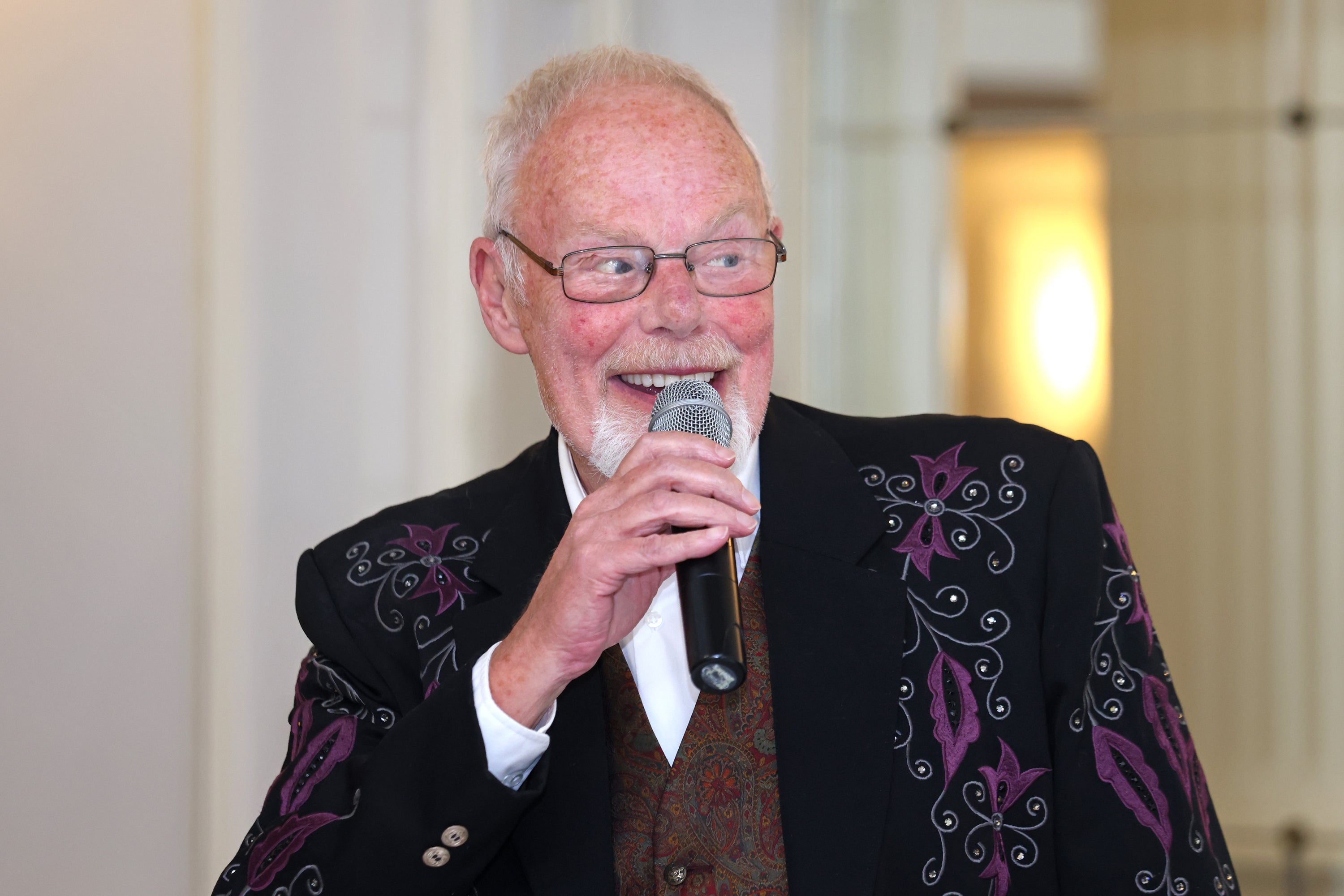
In the landscape of British broadcasting, few voices carry the warmth, authority, and cultural resonance of Bob Harris. For over half a century, the revered presenter has been an irreplaceable fixture of the airwaves, guiding generations of music lovers through the evolving landscapes of rock, folk, Americana, and country. Today, however, the pioneering broadcaster faces the most formidable challenge of his personal life.
At 80 years old, Harris has officially embarked on an intensive course of intravenous radiotherapy as part of an aggressive medical strategy to manage advanced prostate cancer. The treatment follows a recent and concerning progression of his illness, which first forced him to step away from his beloved BBC Radio 2 programmes earlier this year.
Despite the gravity of his diagnosis—which revealed that the cancer has spread to his upper spine—Harris has met the adversity with characteristic resilience. In a deeply personal and emotional statement shared with his devoted public via social media, the legendary presenter underscored his unwavering optimism, even as he acknowledged the heavy emotional toll of the medical journey.
While the rigorous therapy marks a challenging chapter for the broadcaster and his family, Harris is steadfastly looking toward the horizon. Far from retreating from public life entirely, he has maintained an active focus on future creative endeavors, including a monumental star-studded tribute concert scheduled at London’s iconic Royal Albert Hall this coming December.
This comprehensive report examines the current state of Harris’s health, his illustrious career trajectory across BBC Radio and television, the mechanics and implications of his latest medical treatment, and the outpouring of support from the global music community.
Detailed Chronology
April 2026: The Initial Disclosure and Diagnosis
The foundation of Bob Harris’s recent health battles became public knowledge in April, when the broadcaster bravely shared that his ongoing battle with prostate cancer had taken a more serious turn. Medical examinations confirmed that the malignancy had metastasized, spreading to his upper spine. For a man whose life has been defined by boundless creative energy and a tireless work ethic, the diagnosis represented a profound turning point, prompting immediate discussions with his oncology team regarding palliative and life-extending therapeutic strategies.
June 2026: Stepping Back from the BBC Airwaves
Recognizing the physical demands of intensive cancer care and the necessity of prioritizing his recovery, Harris made what he described as "one of the hardest decisions of my life" in June. After nearly 56 years of continuous broadcasting, he formally stepped back from presenting his weekly BBC Radio 2 staples: Sounds Of The 70s and Radio 2 Country.
The departure marked an emotional milestone for both the broadcaster and his millions of devoted listeners. Harris noted at the time that while he felt physically well enough to continue for a brief period, the escalating requirements of his treatment regimen necessitated an immediate pause to focus on his health and well-being at home.
Summer 2026: A Season of Reflection and Precious Time
Following his departure from the BBC, Harris embraced an unexpected silver lining: time. In his recent health update, the broadcaster reflected on a serene summer spent at home alongside his family and close friends. Embracing what he termed "a most precious commodity—TIME," Harris shared glimpses of his domestic respite on Instagram, enjoying the glorious British sunshine and cherishing intimate moments with loved ones, including his son, Miles.
However, this period of respite was accompanied by stealthy physiological changes. Despite continuing to feel physically stable on a day-to-day basis, medical evaluations revealed that the cancer had grown more aggressive, "getting more of a hold" and necessitating a shift in his clinical management plan.
September 2026: The Onset of Intravenous Radiotherapy
Responding to the disease’s progression, Harris’s medical team initiated a targeted, intensive course of intravenous radiotherapy designed to suppress the spread of the cancer and keep the condition firmly "at bay."
Describing the experience as an "emotional roller coaster," Harris offered an honest window into the realities of advanced cancer treatment. He recounted a poignant moment leaving the hospital on a Friday afternoon when the emotional weight of the journey overcame him, bringing him to tears alongside his son Miles. Nevertheless, bolstered by his natural optimism and an unyielding fighting spirit, Harris remains confident in the efficacy of the new protocol, noting that he expects to receive definitive outcomes regarding the treatment’s success in the near future.
Supporting Context & Metrics: The Career and Legacy of "Whispering" Bob Harris
To fully understand the cultural weight of Bob Harris’s current battle, one must examine the monumental footprint he has left on the British media landscape. Spanning nearly six decades, his career is a masterclass in musical curation, cultural advocacy, and steadfast professionalism.
The BBC Years and the Genesis of a Legend
Harris’s journey into the national consciousness began in earnest during the formative years of modern rock broadcasting. Earning the affectionate moniker "Whispering" Bob Harris due to his trademark low-key, intimate delivery style, he became a defining voice of the countercultural music boom.
The Old Grey Whistle Test (1970s): Perhaps his most influential television role, Harris presented the groundbreaking BBC music show The Old Grey Whistle Test from 1972 to 1978. The programme served as a vital platform for album-oriented rock, punk, new wave, and folk acts, broadcasting performances from legendary artists such as David Bowie, Bob Marley, Queen, and the New York Dolls. Under his stewardship, the show earned a reputation for treating music with absolute intellectual and artistic seriousness, free from the superficiality of mainstream pop television.
Radio 1 and BBC Six Music: Across the decades, Harris’s voice became synonymous with progressive music curation on BBC Radio 1, and later, the foundational digital waves of BBC Six Music, where he championed alternative genres and deep cuts that rarely found space on commercial radio.
Reviving Sounds Of The 70s: Demonstrating his enduring relevance, Harris took over hosting the iconic Sounds Of The 70s on BBC Radio 2 from Johnnie Walker in 2024, seamlessly bridging generational divides by introducing classic tracks to modern audiences while contextualizing their historical importance.
Champion of Roots and Americana: Beyond rock, Harris is widely recognized as the godfather of British country, folk, and Americana music. Through Radio 2 Country and his numerous independent ventures, he served as a crucial bridge between Nashville and London, helping launch and sustain the careers of countless emerging singer-songwriters.
Career Longevity Metrics
Total Years in Broadcasting: Nearly 56 years of continuous professional contributions across radio, television, print, and digital media.
Major Platforms: BBC Radio 1, BBC Radio 2, BBC Six Music, BBC Two (The Old Grey Whistle Test), and dedicated digital streaming platforms.
Genre Advocacy: Rock, Folk, Americana, Country, and Roots music.
Official Statements and Personal Reflections
The transparency with which Bob Harris has approached his health diagnosis has drawn widespread admiration from fans, medical professionals, and fellow entertainers alike. His recent communications offer a profound testament to grace under pressure.
In his comprehensive update shared via Instagram, Harris opened up about the bittersweet nature of his recent months:
"I have been missing my programmes so much, but this space has given me a most beautiful summer here at home, enjoying a most precious commodity… TIME.
I feel very blessed to have been able to spend lovely moments with family and friends in the glorious summer sunshine, but during this time my cancer has been getting more of a hold.
I still feel well, but I am now at the start of an intensive course of intravenous radiotherapy which we are confident will keep things at bay. I should know the outcome quite soon.
It’s a very emotional roller coaster. But, as you know, I’m an extremely positive person, and I continue to be determined to get the best out of every day."
Addressing the vulnerability that accompanies long-term illness, Harris candidly addressed the psychological hurdles of treatment, admitting that maintaining composure is not always straightforward:
"It isn’t always easy… As we left the hospital on Friday, my son Miles and I were both in tears."
Despite these moments of raw emotion, Harris used his platform to extend solidarity and encouragement to others navigating their own personal health crises or life trials:
"My message to you if you too are going through a difficult time is this: NEVER GIVE IN. Fight with all your might to keep going.
Your kind words mean more than you will ever know, and always remember… live every day the best you can and just keep going. You can do this."
Future Outlook: The Road to December and Beyond
While Bob Harris’s immediate focus remains firmly centered on his medical regimen and recovery, the legendary broadcaster has made it unequivocally clear that his creative journey is far from over.
Looking ahead to the winter season, Harris has confirmed his intention to return to the public eye for a monumental career celebration. In December, he is scheduled to take to the stage at the world-famous Royal Albert Hall for Stand By Me: Bob Harris – A Celebration of Life In Music. The landmark tribute concert has been organized to honor his monumental contributions to broadcasting, celebrating the countless artists he championed and the profound cultural legacy he has built over more than half a century.
In confirming his participation in the December gala, Harris offered a reassuring message to his supporters regarding his long-term outlook:
"I am still working and looking way into the future."
As medical science continues to advance in the treatment of metastatic prostate cancer, therapies such as intravenous radiotherapy represent vital tools in managing disease progression, alleviating symptoms, and preserving patient quality of life. Backed by the unwavering support of his family—particularly his son Miles—and embraced by a global community of musicians and listeners whose lives he has touched, Bob Harris continues his fight with the same quiet dignity, grace, and tenacity that defined his legendary voice behind the microphone.
For millions of devoted fans, the message remains clear: "Whispering" Bob Harris is still keeping going, looking forward, and proving that even in the face of profound adversity, the music never truly stops.