Executive Overview
The intersection of historical scholarship and modern artistic vitality forms the pulsating heartbeat of the upcoming Lammermuir Festival, running from September 8 to September 20, 2026. Curated to celebrate the sheer breadth and diversity of early music, the festival’s specialized period-performance strand promises an immersive exploration of the Baroque, Classical, and Renaissance landscapes. Far from presenting a static museum of preserved musical artifacts, the 2026 edition—featuring 41 concerts across 13 atmospheric venues in 10 locations with over 450 participating artists—champions historically informed performance (HIP) as a living, breathing, and continuously evolving art form.
As James Waters, CEO and Joint Artistic Director of the Lammermuir Festival, explains, the programming deliberately pairs disparate musical personalities to unearth striking connections and dramatic contrasts. Anchored by prestigious ensembles such as Concerto Copenhagen, Dunedin Consort, The English Concert, The Marian Consort, and Ensemble Jupiter, this year’s festival demonstrates that historical awareness does not necessitate cautious, academic restraint. Instead, it serves as a springboard for boundless theatricality, spontaneity, and emotional immediacy. By examining how contemporary artists harness historical scholarship not as an abstract dogma, but as a dynamic tool for storytelling, the Lammermuir Festival invites audiences to witness a vibrant, ongoing dialogue between historical traditions and modern creative expression.
Detailed Chronology and Festival Lineup
The 2026 Lammermuir Festival unfolds over nearly two weeks of intensive music-making, tracing an expansive arc through centuries of European musical innovation.
Opening Days and the Haydn Residency (September 8–11)
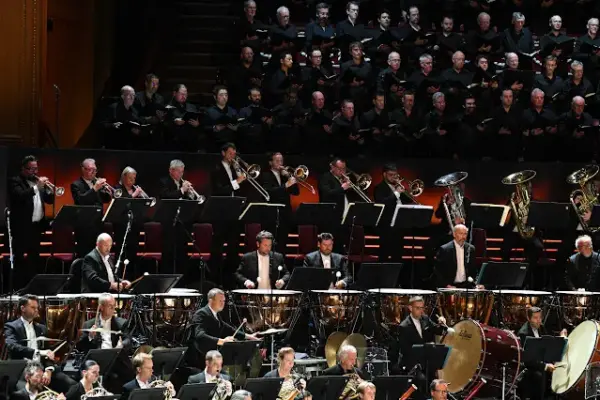
The festival’s exploration of period performance launches with a high-profile residency by Concerto Copenhagen. Widely recognized as one of Europe’s premier period-instrument orchestras, the ensemble dedicates its core programming to the wit, color, and theatricality of Joseph Haydn. Central to this residency are performances of Haydn’s celebrated day-cycle symphonies: "Morning", "Noon", and "Night". Eschewing predictability, Concerto Copenhagen utilizes period instrumentation to highlight the composer’s structural daring and whimsical surprises, rendering the music with a conversational intimacy that makes the 18th-century scores feel remarkably fresh and spontaneous.
Mid-Festival Explorations: Choral Mastery and Commemorations (September 12–16)
As the festival progresses into its second week, the focus shifts toward the vast emotional landscapes of sacred vocal music and instrumental chamber mastery.
- The Marian Consort takes center stage with a thoughtfully curated programme juxtaposing the soaring counterpoint of Renaissance master Giovanni Pierluigi da Palestrina with the monumental sacred works of Johann Sebastian Bach. By placing these towering figures side by side, the ensemble bridges centuries of compositional evolution.
- Concurrently, Ensemble Jupiter—led by the virtuoso lutenist Thomas Dunford—marks the solemn 400th anniversary of the death of English composer John Dowland. Dunford’s ensemble brings an unmistakably contemporary energy and expressive urgency to Dowland’s melancholic lute songs and instrumental pieces, proving that Elizabethan grief can resonate with visceral, modern intensity.
Climax and Concluding Performances (September 17–20)
The final stretch of the festival integrates foundational period ensembles such as Dunedin Consort and The English Concert. These groups demonstrate how rigorous musicological research directly translates into heightened dramatic momentum, razor-sharp articulation, and crystal-clear orchestral balance. Their concluding performances across East Lothian’s historic venues reinforce the festival’s overarching philosophy: that historical context is most potent when it transforms into a living narrative directly engaging with today’s audiences.
Supporting Context & Metrics
To fully appreciate the scope of the Lammermuir Festival’s period-performance strand, it is essential to contextualize the evolution of the historically informed performance movement itself.
The Evolution of Period Performance
For decades following its mid-20th-century origins, the HIP movement was often characterized—fairly or unfairly—by a dogmatic pursuit of "authenticity." Pioneers sought to strip away romantic performance traditions, utilizing period-correct instruments, gut strings, smaller forces, and unvibrated tones to recover what they believed was an unadulterated historical soundworld.

However, the past two decades have witnessed a profound democratization and diversification of the movement. Today, there is no single, monolithic "historical style." Instead, multiple performance practices coexist, shaped by diverging philosophies on rhetoric, acoustic environments, theatrical delivery, and emotional communication.
Festival Scale and Impact Metrics
The logistical and artistic footprint of the 2026 Lammermuir Festival underscores its standing as a major fixture on the international cultural calendar:
- Duration: 13 days (September 8–20, 2026).
- Concert Count: 41 distinct musical events.
- Venues & Locations: 13 unique historical and architectural venues spread across 10 distinct locations in East Lothian.
- Artist Participation: Over 450 world-class musicians, vocalists, and scholars.
- Core Ensembles Featured: Concerto Copenhagen, Dunedin Consort, The English Concert, The Marian Consort, and Ensemble Jupiter.
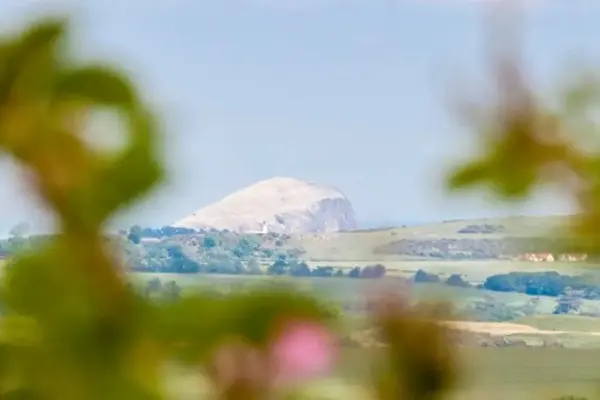
By embedding these performances within East Lothian’s remarkable historic buildings—ranging from ancient chapels to acoustically rich community spaces—the festival recreates the symbiotic relationship between early music and its original architectural environments.
Official Statements & Artistic Vision
In an exclusive framing of the festival’s artistic goals, James Waters, CEO and Joint Artistic Director of the Lammermuir Festival, shared vital insights into the curatorial philosophy guiding the 2026 event:
"One of the pleasures of programming the Lammermuir Festival is the opportunity to place different musical personalities alongside one another and invite audiences to listen for both connections and contrasts. And that is particularly true of the Festival’s period performance strand."
Waters emphasizes that the movement has matured far beyond niche academic experimentation:
"Historically informed performance has long ceased to be a niche activity. The movement’s pioneers transformed our understanding of everything from Baroque opera to Classical symphonies, changing the way musicians, scholars and audiences hear familiar repertoire. Yet perhaps the most interesting development over the last two decades has been the increasing diversity within the movement itself."
Detailing the approach of world-class groups like Concerto Copenhagen, Waters notes that rigorous historical awareness frees artists rather than restricting them:

"Haydn’s music is full of wit, surprise and invention, and Concerto Copenhagen have built an international reputation for bringing those qualities vividly to life. Their playing often feels spontaneous, almost conversational, as though the music is unfolding in the moment. That spirit of risk-taking and discovery lies at the heart of their artistry."
On the broader ambition of pairing scholarship with theatrical communication, Waters remarks:
"In their hands, questions of articulation, phrasing, orchestral balance and historical context become tools for storytelling. Audiences may not consciously notice every informed decision behind a performance, but they feel the results in the clarity, momentum and sense of narrative purpose that emerge. The aim is not authenticity as an abstract concept, but as communication."
Ultimately, Waters summarizes the core ethos of the 2026 festival:
"Far from producing a single answer about how music of the past should be performed, these artists show that the most exciting performances often begin with a willingness to ask new questions. And for audiences, that continuing conversation remains one of the great pleasures of musical discovery."
Future Outlook
As the classical music industry navigates the complexities of the 21st century, the trajectory of historically informed performance offers a compelling model for artistic longevity. The success of the Lammermuir Festival’s 2026 programming signals that audiences are no longer content with passive consumption of standard masterworks; instead, they crave intellectual engagement combined with visceral, emotional delivery.
Looking ahead, the fluid boundary between "modern" and "period" ensembles will likely continue to dissolve. Modern symphony orchestras increasingly adopt historically informed articulation and bowing techniques, while period bands embrace the expressive freedom of contemporary phrasing. Festivals like Lammermuir act as essential incubators for this cross-pollination, proving that early music is not a closed chapter of history, but an endlessly renewable resource for creative expression.
For those eager to experience these dialogues firsthand, the Lammermuir Festival runs from September 8 to September 20, 2026. Comprehensive ticketing information, venue guides, and full program schedules are available directly through the official Lammermuir Festival website.