By the mid-2000s, the global music landscape was not merely evolving; it was accelerating at an unprecedented velocity. Discovery transformed from a deliberate, physical hunt into an instantaneous, digital reflex. Regional scenes, once bounded by geography and the high cost of touring, suddenly found themselves liberated. Independent artists could cultivate rabid, global audiences on the other side of the world before they had even played a headline show outside their hometowns.
The internet had decisively transitioned from a disruptive, destabilizing force into the beating heart of contemporary music culture. It radically reshaped not only how humanity listened to audio, but how humanity found, discussed, dissected, and obsessed over records.
Executive Overview: A Paradigm Shift in Audio Consumption
Between 2006 and 2015, the music industry weathered a tectonic economic and cultural shift. The crumbling physical retail market—punished by peer-to-peer file-sharing networks like LimeWire and Napster—forced a frantic race toward digital innovation. As compact disc sales plummeted, the groundwork was laid for a brand-new digital ecosystem.
Blogs, tastemaker websites, and early social media networks democratized the curation of sound. They leveled the playing field, allowing bedroom producers and DIY guitar bands to bypass traditional major-label gatekeepers entirely. Concurrently, the emergence of early streaming paradigms heralded a fundamental change in listener psychology. Fans evolved from owning finite physical collections to commanding an almost limitless archive of music in their pockets.
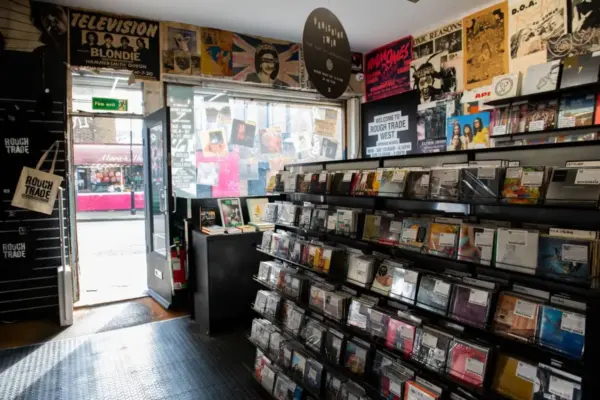
For independent record shops like Rough Trade, this era demanded resilience. While algorithms and portable screens threatened to depersonalize music consumption, the underlying human desire for tangible, meaningful engagement with art remained unwavering. This ten-year epoch stands as one of the most creatively fertile windows in modern recording history—a decade defined by genre-blending experimentation, internet-fueleed hype, and the birth of enduring cultural landmarks.
Detailed Chronology: Ten Years That Defined an Era (2006–2015)
The decade from 2006 to 2015 can be understood as a sequential evolution of digital discovery meeting artistic audacity. Each year brought forth watershed releases that mirrored the anxieties, joys, and shifting aesthetics of a rapidly hyper-connecting world.
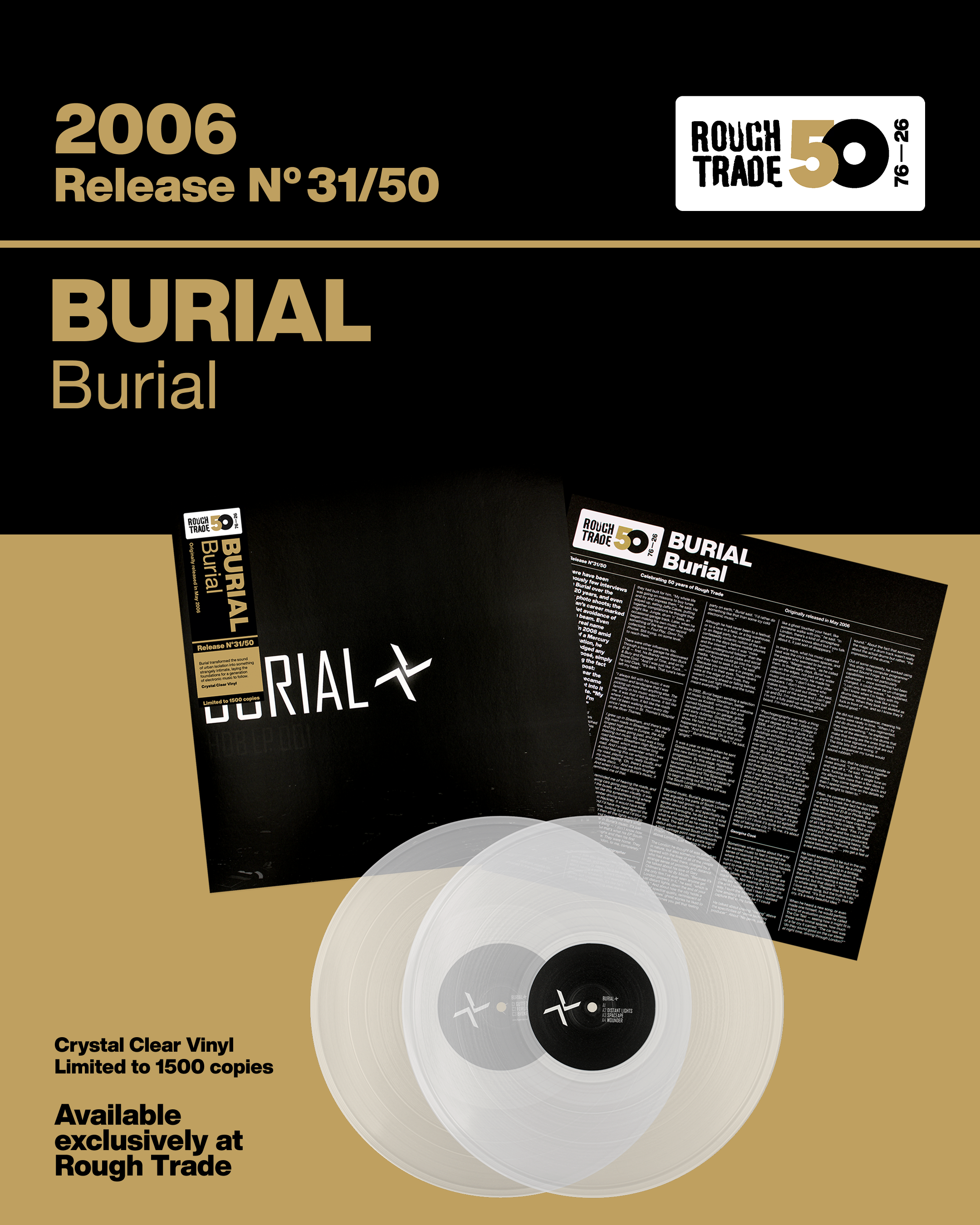
2006: Burial – Burial
Released on May 15, 2006, through Kode9’s forward-thinking Hyperdub imprint, Burial by the elusive electronic producer known simply as Burial stands as a towering monument of the mid-2000s UK dubstep and bass scene. Built from vinyl crackle, pitch-shifted vocal samples, and cavernous sub-bass, the record captured the haunting emotional texture of urban isolation. As cultural theorist Mark Fisher famously observed, Burial sounds like "London after the rave"—a nocturnal masterpiece that remains as utterly futuristic today as it did upon impact.
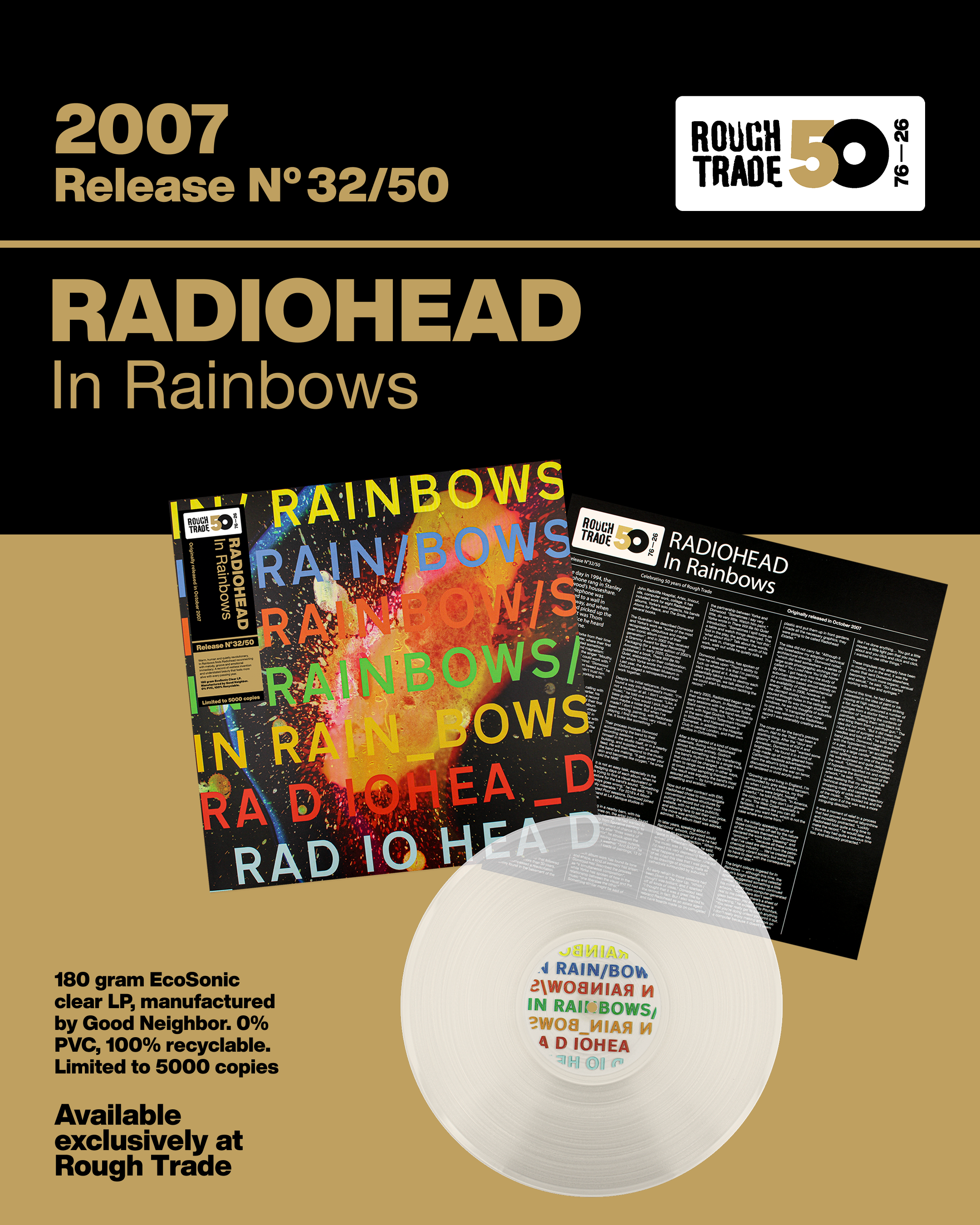
2007: Radiohead – In Rainbows
As traditional album sales bled out due to rampant internet piracy, alternative-rock titans Radiohead detonated a grenade beneath the music industry’s business model. They released their seventh studio album, In Rainbows, via a radical, revolutionary "pay-what-you-want" digital download model. While industry traditionalists debated whether the move devalued recorded music, the album itself proved to be an undisputed holy grail. Epic in scope yet intimately delicate—anchored by the breathtaking liquid geometries of tracks like Weird Fishes/Arpeggi—it redefined how established legacy acts could directly interface with their base.
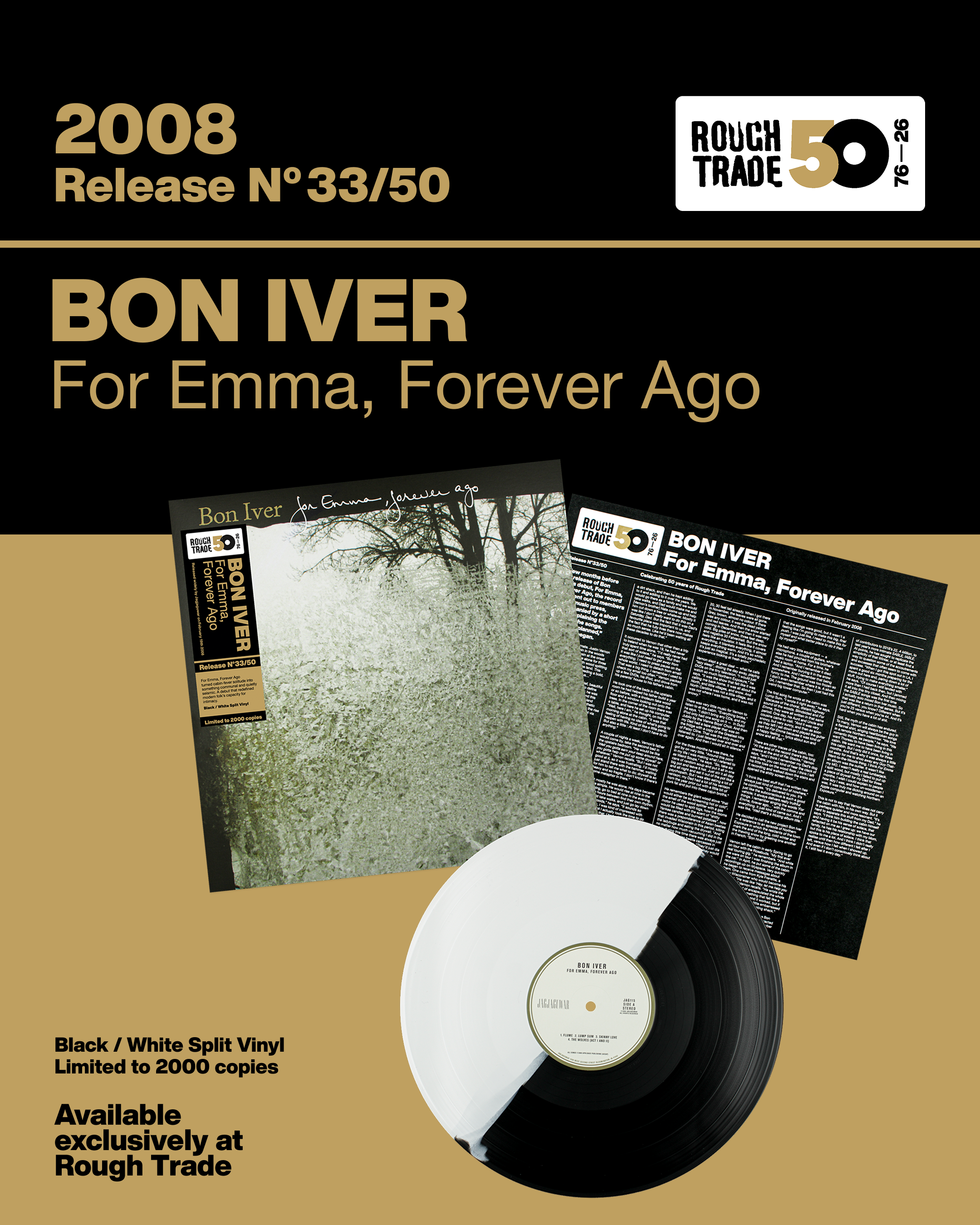
2008: Bon Iver – For Emma, Forever Ago
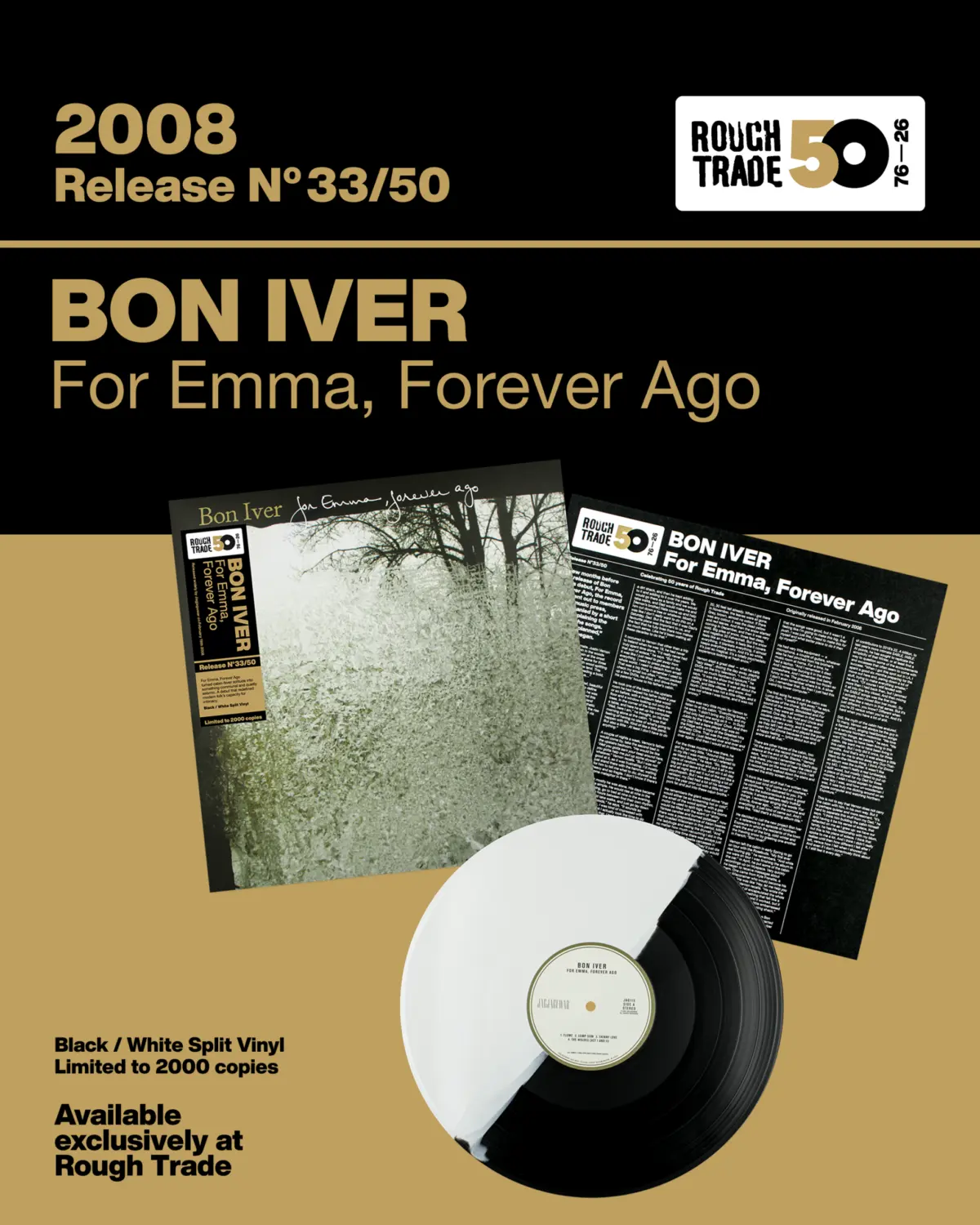
Winter melancholy pressed directly onto wax, For Emma, Forever Ago was born out of profound isolation. Justin Vernon retreated to his father’s remote hunting cabin in Wisconsin following a bout of severe illness, a failed relationship, and the dissolution of his band DeYarmond Edison. Self-released in 2007 before receiving a wider release via Jagjaguwar in 2008, Vernon’s multi-tracked falsettos and acoustic plucking proved that heartbroken minimalism could resonate on a global scale. Sadness had rarely sounded so majestic.
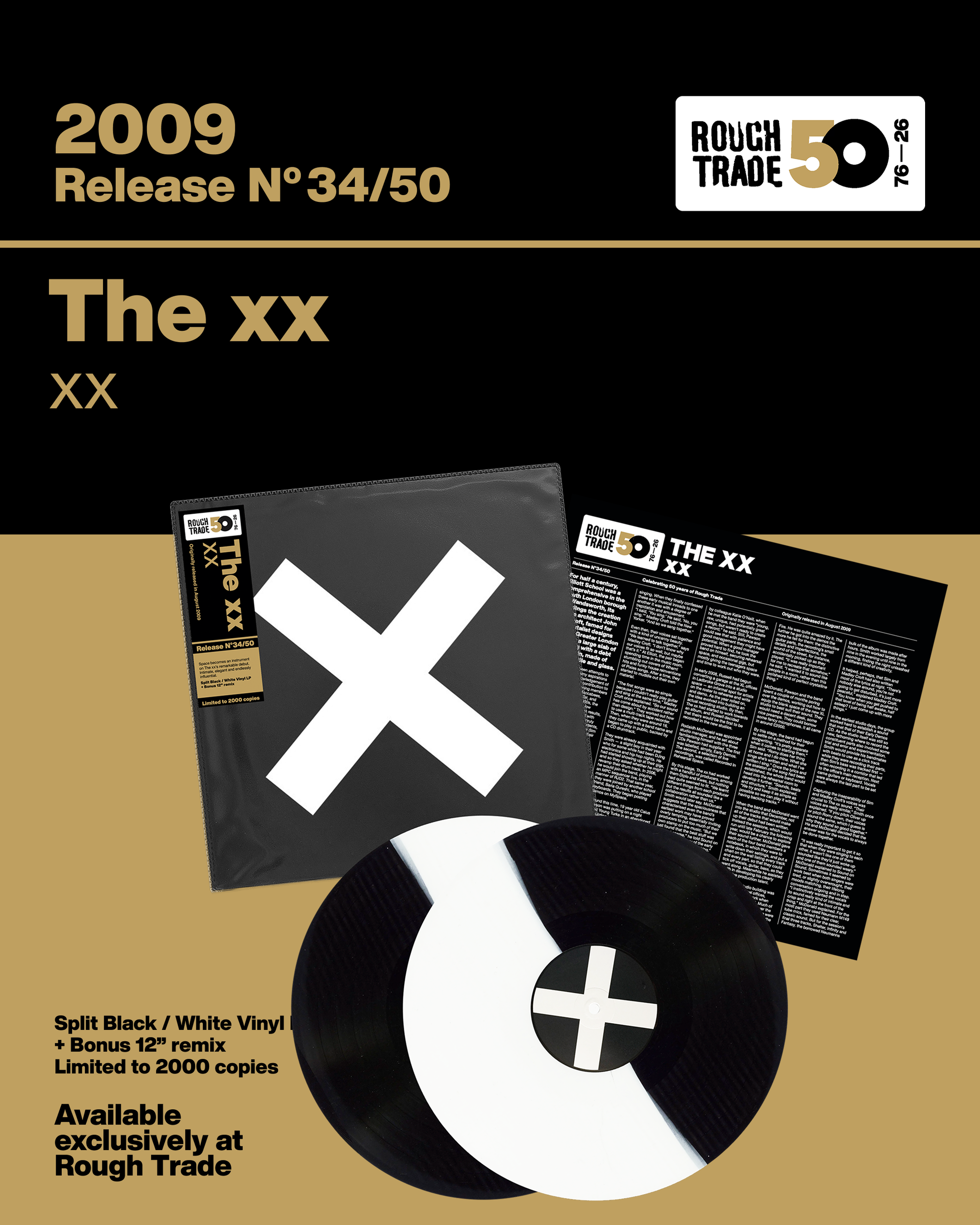
2009: The xx – xx
At a time when modern indie production values seemed fixated on maximalist volume and bombast, South London’s The xx did the exact opposite. Their mercury-cold, minimalist debut album left yawning expanses of silence for the songs to breathe, turning whisper-soft vulnerability into an intoxicating weapon. Anthems like Crystalised, VCR, and the ubiquitous instrumental opener Intro became definitive cultural touchstones. For years, xx stood as the single largest-selling record in Rough Trade’s storied retail history.
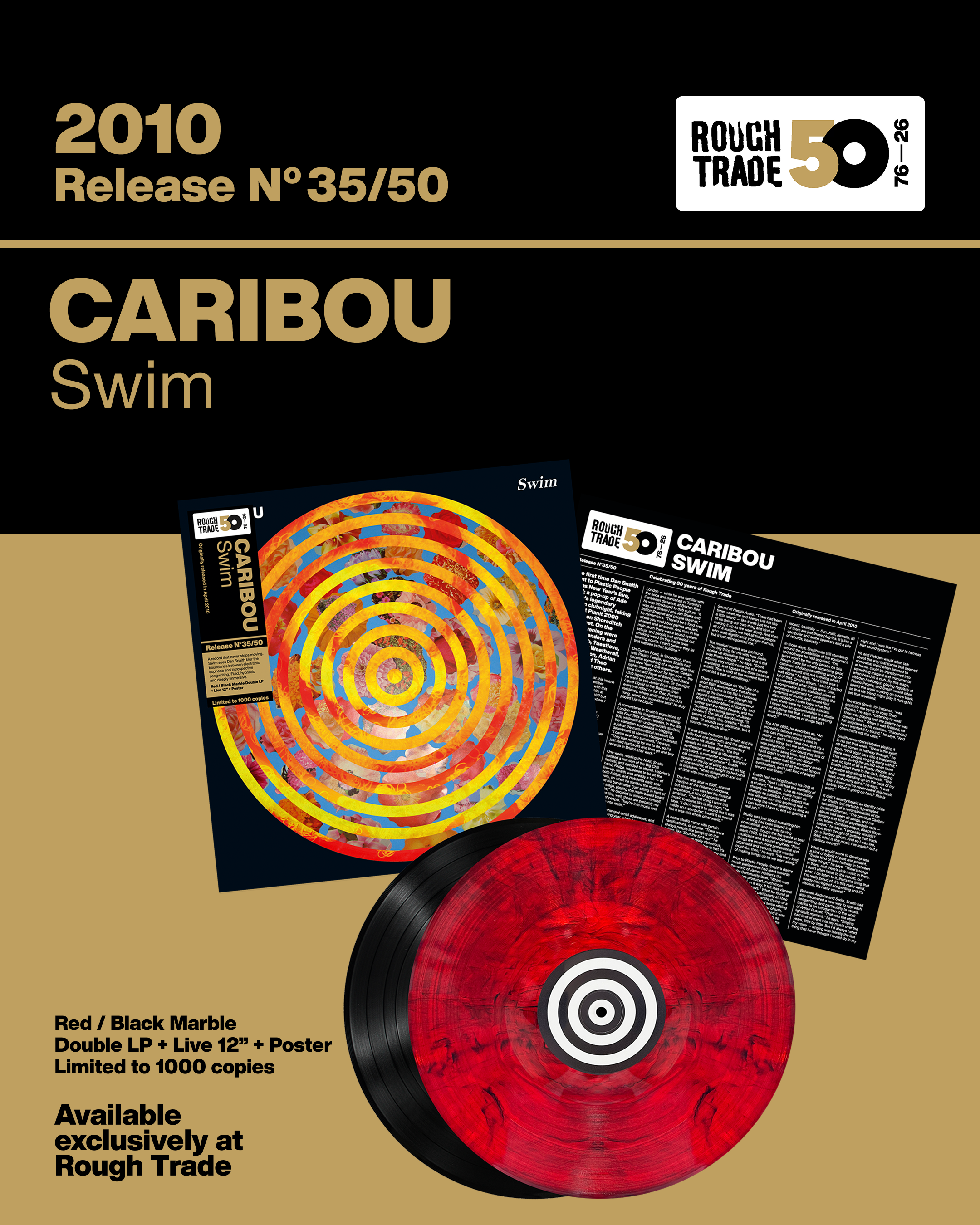
2010: Caribou – Swim
While much of the 2000s electronic and indie crossover had been confined to sweaty, dark club basements, Dan Snaith’s project Caribou cracked open the windows to let the sunlight in. Swim blended kaleidoscopic indie arrangements with shimmering, four-on-the-floor house rhythms, dragging synthetic music out into open-air festival fields. Multi-dimensional, hypnotic, and drenched in liquid texture, Swim deservedly captured the coveted #1 spot on Rough Trade’s Albums of the Year list in 2010.
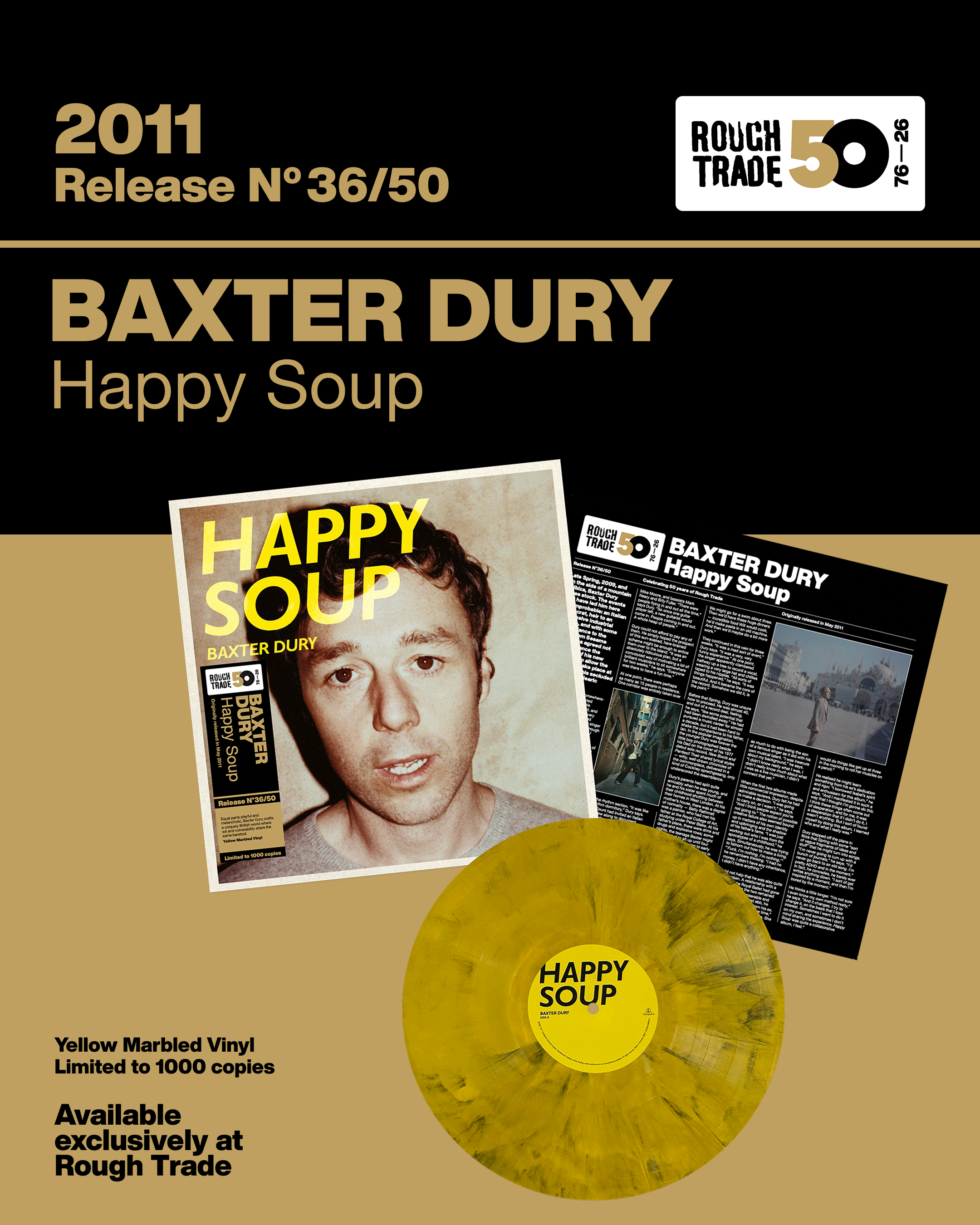
2011: Baxter Dury – Happy Soup
A masterclass in deadpan delivery and infectious electro-pop, Baxter Dury’s Happy Soup offered a uniquely British brand of seaside psychedelia. Drenched in sun-bleached synths, slacker basslines, and Dury’s trademark spoken-word wryness, the record injected eccentric humor and effortless cool back into the UK independent circuit.
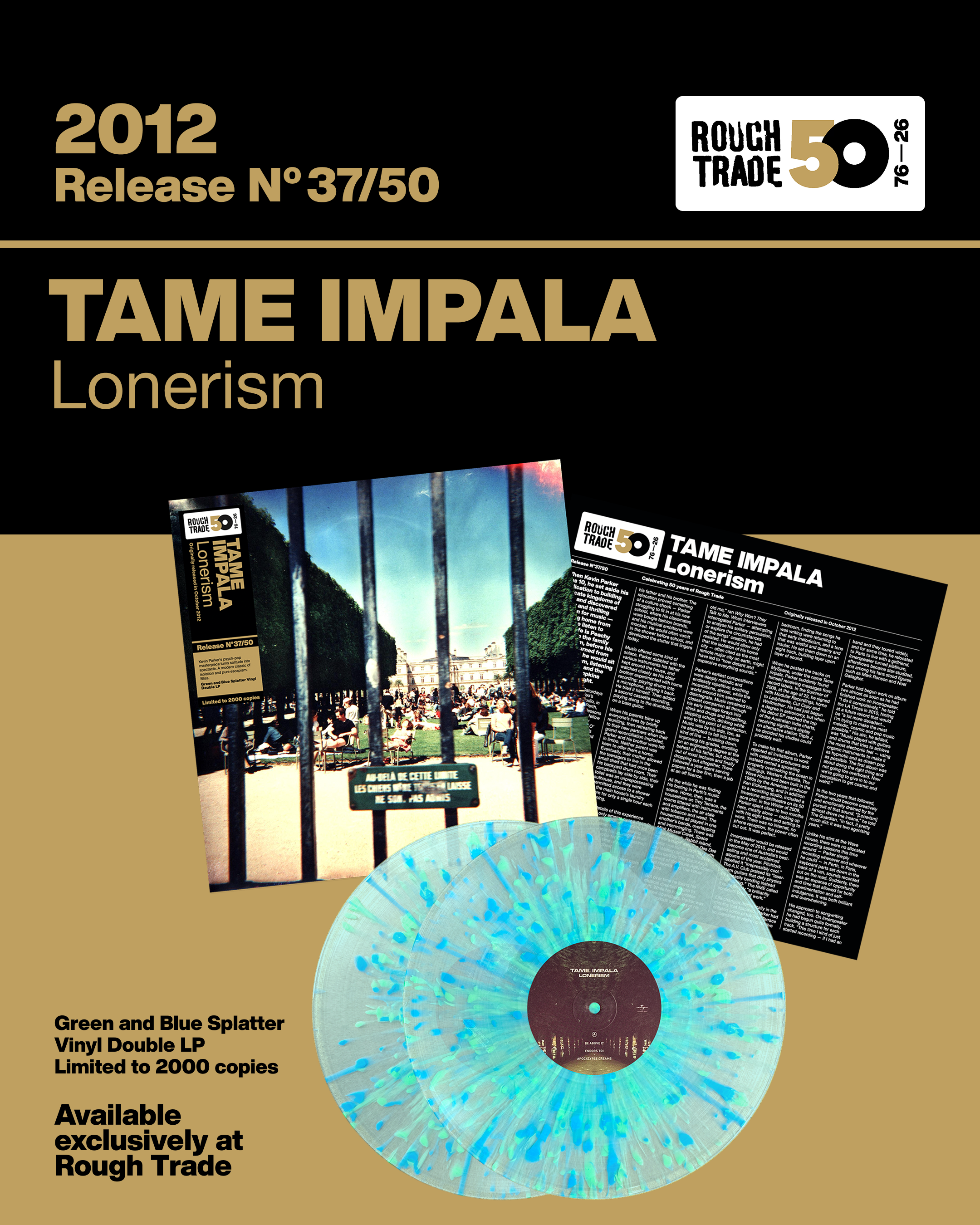
2012: Tame Impala – Lonerism
Spearheaded by multi-instrumentalist wizard Kevin Parker, West Australian psych-rockers Tame Impala delivered a generational masterpiece with Lonerism. Bridging the gap between garage-rock fuzz and expansive, beat-driven dream-pop, tracks like Elephant and Feels Like We Only Go Backwards captured the exact moment an artist’s deeply insular bedroom recordings transformed into universal anthems. It served as the perfect runway for the band’s subsequent global domination.
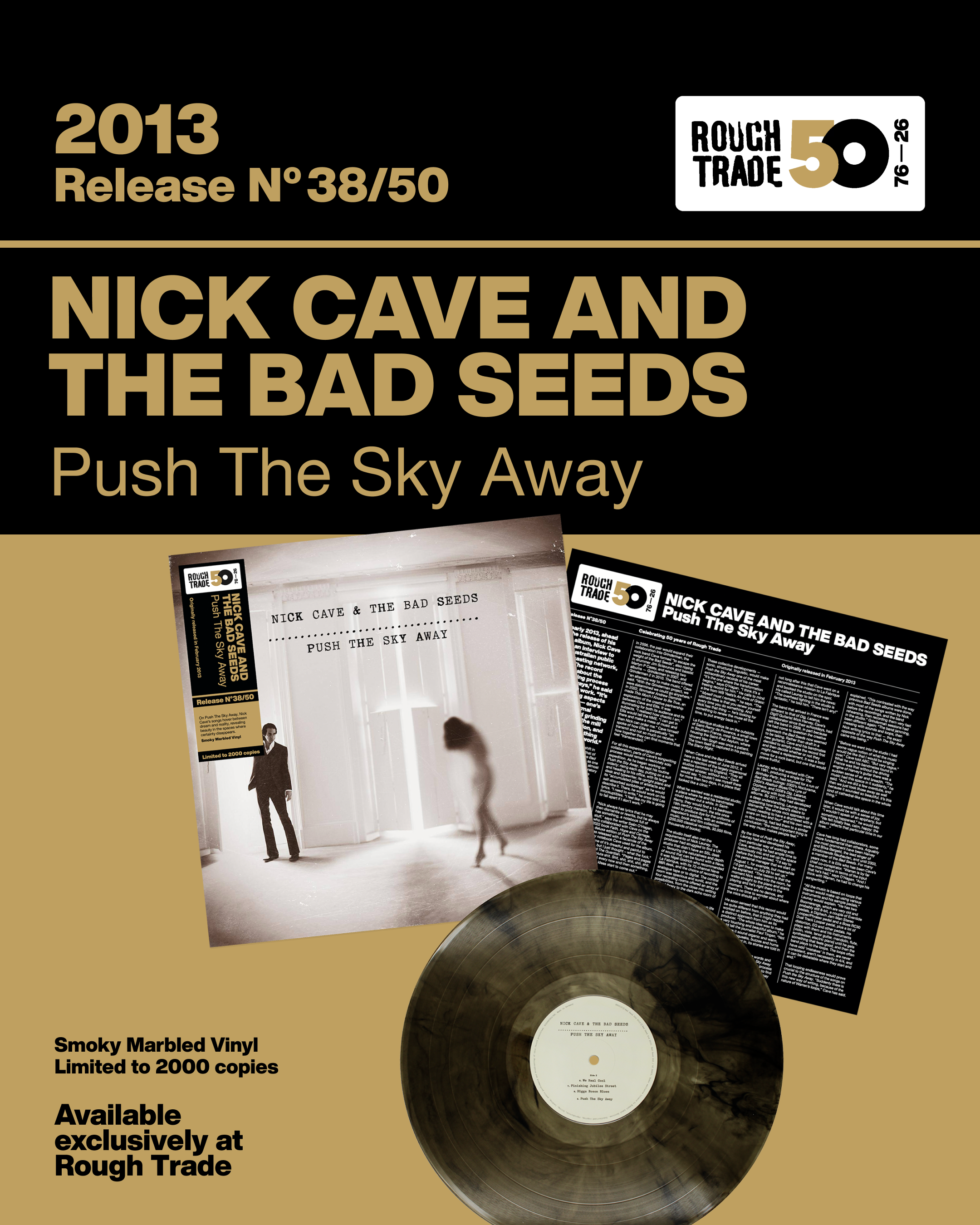
2013: Nick Cave & The Bad Seeds – Push The Sky Away
Sitting at a fascinating crossroads in their discography—sandwiched between the raw garage-rock bite of Dig, Lazarus, Dig!!! and their later spoken-word-infused atmospheric works—Push The Sky Away is arguably the crown jewel of Nick Cave and his Bad Seeds’ catalog. Eschewing heavy-handed gothic melodrama for airy, metaphysical spirituality, Cave delivered existential lyricism that felt remarkably tender, proving that legacy artists could continue to evolve without sacrificing their core intensity.
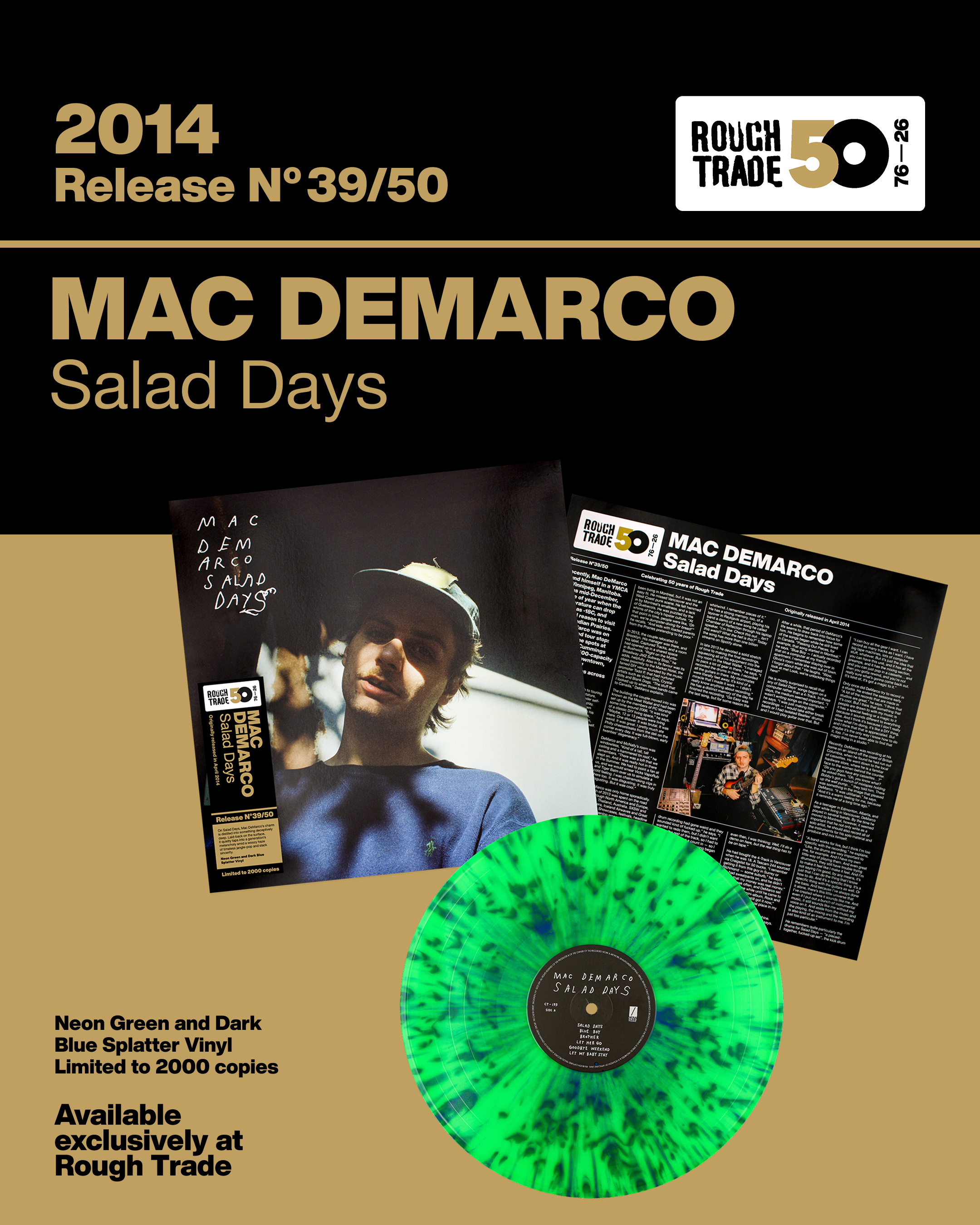
2014: Mac DeMarco – Salad Days
The undisputed monarch of modern slacker-rock, Canadian singer-songwriter Mac DeMarco captured the bittersweet ache of youth on his sophomore full-length, Salad Days. Written in the breathless wake of relentless touring schedules, the album’s warpy, chorus-drenched guitar lines and deceptively simple arrangements evoked a long-forgotten, sun-drenched summer. It became a generational coming-of-age soundtrack for teenagers navigating late-night introspection.
2015: Father John Misty – I Love You, Honeybear
To listen to Josh Tillman’s masterwork as Father John Misty is to experience falling hopelessly in love while having an existential crisis down the supermarket aisle. I Love You, Honeybear married biting, misanthropic sarcasm with sweeping orchestral arrangements and grand romantic declarations. From the dark social commentary of Bored in the USA to the screen-eschewing plea of True Affection, Tillman crafted a brilliantly chaotic, deeply romantic modern masterpiece.
Supporting Context & Metrics: The Mechanics of the Digital Boom
The transformation of music culture between 2006 and 2015 was underpinned by seismic shifts in technology and consumer behavior.
- The Blogosphere Ecosystem: Tastemaker sites such as Pitchfork, Stereogum, and aggregator Hype Machine wielded immense cultural power. A single "Best New Music" designation could propel an entirely unknown, unsigned band from playing empty local pubs to headlining major international festival stages within 48 hours.
- Social Media as PR: Platforms like MySpace fundamentally shifted power dynamics, enabling musicians to act as their own publicists and build direct fan communities. Facebook and Twitter subsequently streamlined artist-to-fan communication, while Instagram later introduced a crucial visual dimension to the touring and live music experience.
- The Streaming Inflection Point: As LimeWire and Napster faced legal closure, the consumer mindset pivoted. Spotify and early legal streaming platforms gradually educated audiences on convenience, replacing physical ownership with access to an infinite digital library. Concurrently, independent artists found that traditional geographic barriers to entry were collapsing; a bedroom producer in Reykjavik could secure streams in Melbourne overnight.
Guitar-driven independent music entered a golden age, balancing internet hype with monumental festival appeal. Arctic Monkeys completely rewrote the rulebook for breaking an act organically, while contemporaries like Foals, The National, Warpaint, Metronomy, and Vampire Weekend each stamped distinct stylistic accents onto indie rock. Simultaneously, electronic outliers like LCD Soundsystem, Hot Chip, Digitalism, and Justice successfully tore down the Berlin Wall separating club culture from guitar music.
Hip-hop experienced an equally radical democratization. Online forums and mixtape blogs bypassed traditional radio gatekeepers entirely, allowing regional scenes to explode nationally. J Dilla’s revolutionary rhythmic cadence heavily influenced a generation of underground producers, MF DOOM ascended to independent rap royalty, and by the close of the decade, Kendrick Lamar’s To Pimp a Butterfly redefined what hip-hop could achieve artistically—proving that fiercely political, deeply personal records could also become generation-defining cultural pillars.
Official Statements and Industry Perspective
Reflecting on the turbulent yet creatively fertile landscape of this era, independent record institutions played a vital stabilizing role. Speaking on the enduring ethos of the period, Rough Trade representatives noted:
"Across every corner of independent music during the mid-2000s and 2010s, experimentation became the norm rather than the exception. Whether through Caribou’s richly textured electronics, the art-pop ambition of The xx, or the fearless genre-hopping that defined so many essential records, musical boundaries felt explicitly designed to be broken."
Furthermore, as algorithms began dominating everyday listening habits, the physical spaces of independent record stores took on renewed importance:
"Amid the rise of algorithms and streaming, the human desire to connect with music in a tangible, meaningful way remained completely unchanged. Rough Trade has proudly continued to champion artists pushing culture forward while providing a physical sanctuary for discovery well beyond increasingly portable screens."
Future Outlook: The Enduring Legacy of the 2006–2015 Era
Looking back from the vantage point of today, the decade spanning 2006 to 2015 represents the crucible in which modern music culture was forged. It was a high-wire act between two worlds: the dying embers of traditional physical retail and the thrilling, terrifying frontier of the hyper-connected digital age.
The lessons learned during this transformative decade continue to reverberate. Artists navigating today’s AI-driven, short-form-video-dominated landscape still lean heavily on the direct-to-fan engagement models, DIY ethos, and cross-genre fearlessness pioneered by the indie pioneers of the late 2000s.
As physical vinyl resurgences prove year after year, the digital revolution did not destroy the human need for tangible musical connection; it amplified it. The records forged in bedrooms, remote cabins, and underground London raves between 2006 and 2015 remain vital touchstones—reminding us that no matter how advanced technology becomes, the heartbeat of music remains fundamentally human.