Executive Overview
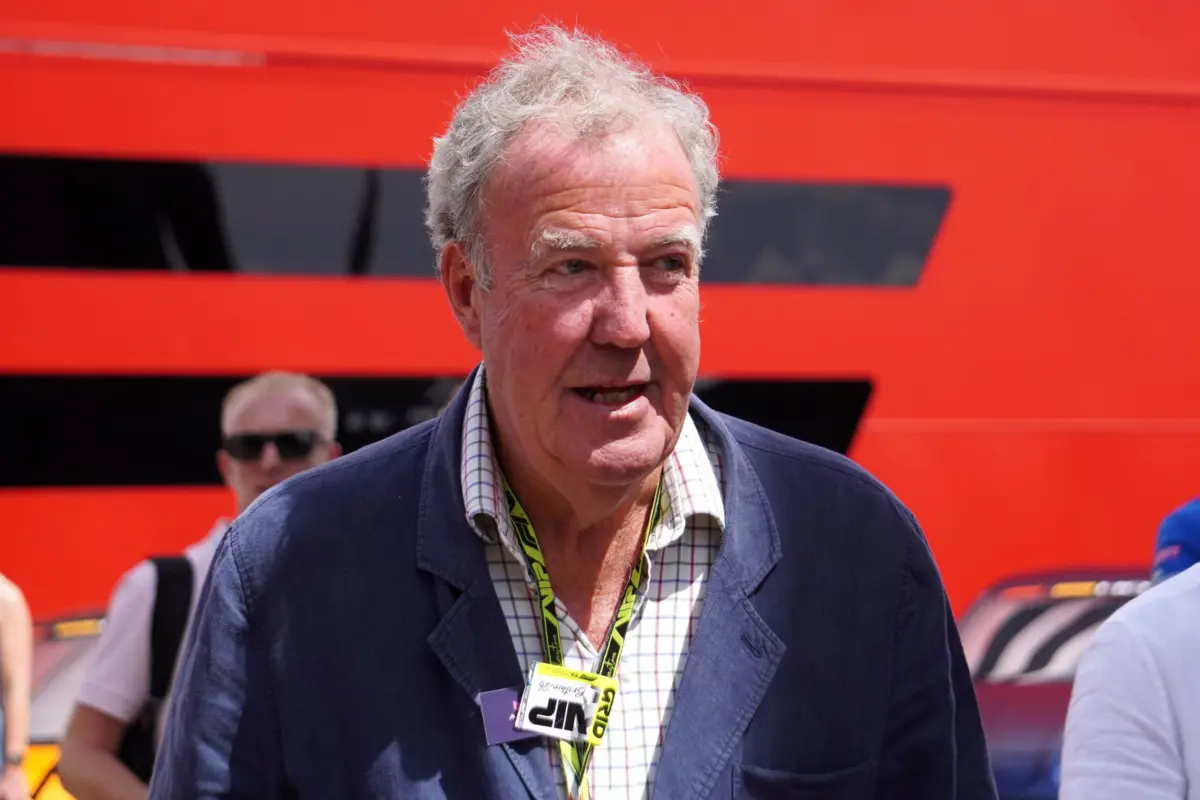
In a characteristically unfiltered and defiant intervention, television broadcaster, motoring journalist, and agricultural entrepreneur Jeremy Clarkson has confirmed he is flatly refusing to adhere to strict dietary regimes or cut back on alcohol following his successful treatment for aggressive prostate cancer.
Speaking openly in a wide-ranging interview with The Times, the 66-year-old Clarkson’s Farm presenter—who is currently in clinical remission—asserted that sacrificing life’s traditional pleasures in the pursuit of longevity is a trade-off he is entirely unwilling to make. Despite receiving explicit medical guidance on screen to lower his fat intake, modify his protein consumption, and pivot toward a healthier lifestyle, Clarkson made it clear that a life devoid of pork chops and a glass of wine is a life not worth living.
"Sure, I can eat less and more healthily. I can become a herbivore. And yes, I can go for 20-mile hikes and do 20,000 steps a day," Clarkson reflected. "Pero the truth is, there has to be some joy in life as well. And not drinking and not eating a pork chop means that there is less joy in life—and I haven’t worked my arse off for 40 years to have no joy in my old age. So, I’m having joy in my old age."
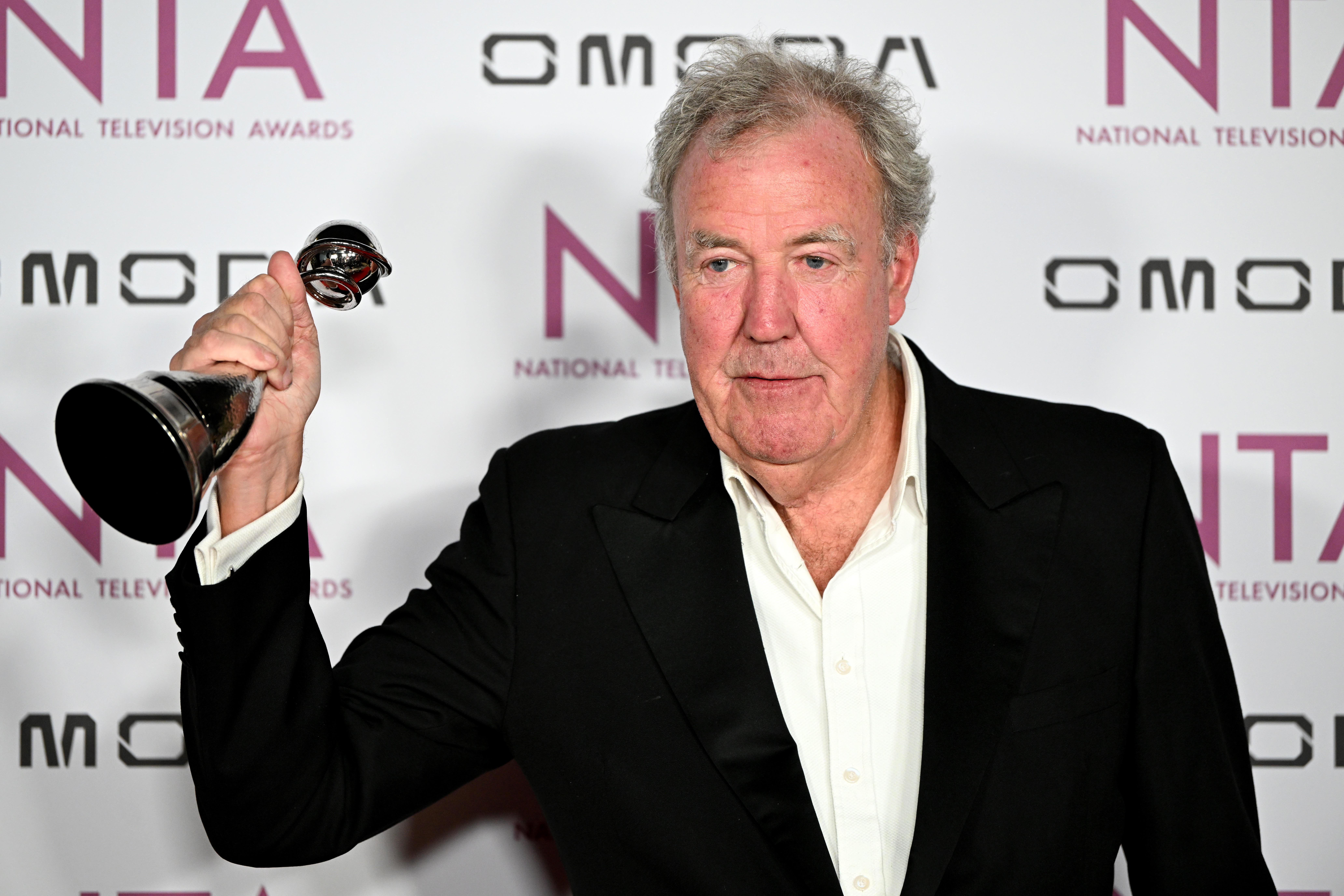
The candid revelation follows a tumultuous yet triumphant period for the veteran broadcaster. Fresh off a major victory at the National Television Awards (NTAs) on Tuesday night, where his hit Amazon Prime Video docuseries Clarkson’s Farm clinched the coveted reality docuseries prize, Clarkson has found himself reflecting deeply on mortality, medical intervention, and the fragile beauty of the natural world. Yet, true to his inimitable public persona, his brush with mortality has done nothing to dilute his disdain for wellness culture, clean-eating orthodoxy, and prescriptive medical lifestyle overhauls.
Detailed Chronology: From Routine Check-Up to "Aggressive" Diagnosis and Treatment
Clarkson’s health journey began with the sort of routine vigilance that many men in their sixties either put off or ignore entirely. Known globally for his high-octane decades on Top Gear and The Grand Tour, the presenter maintains a rigorous schedule of annual medical evaluations. It was during one of these standard check-ups that clinicians flagged an anomaly.
"I get checked every year. And suddenly, oops, there’s a little thing here," Clarkson recalled. Medical specialists informed him that the anomaly was an "aggressive" form of prostate cancer that required immediate medical attention.
Rather than succumbing to panic, the broadcaster approached the diagnosis with his signature gallows humor, describing the subsequent treatment options as being presented with a "menu of opportunities and possibilities." In characteristic fashion, he broke down the clinical reality in stark, unvarnished terms: "Basically, it is choosing what sort of thing you want in your bottom."
Clarkson acknowledged that while the physical indignities of the process—such as managing the aftermath of a catheter and the heavy emotional toll of breaking the news to his children—were far from pleasant, he brushed off the ordeal with characteristic stoicism. "Yes, it is not very nice having to tell your children, ‘I’ve got cancer’, neither is having a catheter fitted. But otherwise, no problem."
For his definitive intervention, Clarkson opted for high-intensity focused ultrasound (HIFU). A cutting-edge, minimally invasive medical procedure, HIFU utilizes high-frequency sound waves directed with pinpoint precision to heat and destroy targeted cancer cells while preserving surrounding healthy tissue. The procedure represented an alternative to more invasive traditional interventions, allowing him to successfully transition into remission after what he described as being unwell for only a "short period of time."
Supporting Context & Metrics: The Reality of Prostate Cancer and Dietary Debates
To understand the cultural weight of Clarkson’s remarks, it is essential to contextualize both the medical realities of prostate cancer and the broader socio-cultural friction surrounding aging, diet, and male health in the United Kingdom.
Prostate Cancer Statistics in the UK
Prostate cancer remains the most common cancer among men in the UK, with more than 52,000 new cases diagnosed every year. Statistically, one in eight men will be diagnosed with prostate cancer in their lifetime, with the risk increasing significantly for men over the age of 50, those with a family history of the disease, and men of Black African and Black Caribbean descent.
Despite its prevalence—accounting for approximately a quarter of all new male cancer diagnoses—advancements in early detection, such as routine Prostate-Specific Antigen (PSA) testing and advanced imaging like multiparametric MRI, mean that survival rates have climbed dramatically over the last three decades. More than 75% of men diagnosed with prostate cancer now survive for 10 years or more. Minimally invasive treatments like HIFU, which Clarkson chose, have increasingly become viable options for localized, aggressive cancers, offering shorter recovery times and reduced risks of long-term side effects compared to radical prostatectomies.
The Lifestyle and Diet Controversy
Medical professionals frequently advise post-cancer patients to adopt specific lifestyle changes, including lowering dietary saturated fats, reducing red and processed meat consumption, increasing plant-based proteins, and moderating or eliminating alcohol intake. These guidelines are designed to lower systemic inflammation, manage weight, and reduce the statistical risk of recurrence or secondary health complications like cardiovascular disease.
However, Clarkson’s vocal resistance highlights a long-standing philosophical friction between clinical longevity optimization and personal autonomy. For decades, public health messaging has leaned heavily into preventive lifestyle modifications. Yet, figures like Clarkson—who has built a multi-million-pound media empire on celebrating internal combustion engines, heavy farming machinery, hearty country pubs, and unabashed carnivorism—represent a demographic that views extreme wellness culture as an infringement on the very liberties that make life worth living.
His refusal to "become a herbivore" speaks to a wider existential debate: at what point does preserving the biological vessel compromise the psychological joy of existence?
Official Statements and Industry Reaction
The entertainment and medical worlds have responded with a mix of amusement, solidarity, and predictable debate following Clarkson’s revelations in The Times.
The Television Triumph
The timing of Clarkson’s health disclosures coincided with a major career high. On Tuesday night, Clarkson’s Farm triumphed at the National Television Awards (NTAs), taking home the reality docuseries prize. Besting stiff competition in the factual entertainment category—a crown the show also secured last year—the Prime Video series has transformed Clarkson from a polarizing motoring pundit into an unlikely champion of British agriculture.
Accepting the accolades and reflecting on his recovery, Clarkson noted that his brush with mortality has fundamentally altered how he perceives the world around him. He described finding profound, unexpected pleasure in the minute details of nature and his rural surroundings at Diddly Squat Farm in Oxfordshire:
"Right now, you’re starting to notice the trees that are turning, and which trees are turning more than the other ones. You watch the ash coming back to health after their devastation. Magnificent. And the person that you never thought you’d be thinks to himself, ‘Don’t worry… we’re home.’"
Public and Media Reception
Public reaction has been sharply divided along predictable lines. Fans and viewers have praised Clarkson for his refreshing transparency, lack of self-pity, and refusal to adopt the platitude-heavy language often expected of public figures discussing serious health crises. By treating his diagnosis with a mixture of pragmatic acceptance and dry wit, he has demystified a disease that many men find difficult to discuss openly.
Conversely, some health advocacy groups have expressed mild concern that his outright dismissal of dietary modifications might discourage vulnerable patients from following critical post-treatment advice provided by their oncologists and dietitians. However, medical commentators have also noted that Clarkson’s emphasis on regular annual check-ups serves as an invaluable public service, potentially driving thousands of middle-aged men to schedule proactive prostate evaluations.
Future Outlook: Diddly Squat, Television Ambitions, and Unapologetic Living
As Jeremy Clarkson looks toward the future, it is abundantly clear that the cancer diagnosis has done nothing to slow down his formidable work ethic or dilute his singular worldview.
With Clarkson’s Farm continuing to break viewing records for Amazon Prime Video and cementing its place as a cultural touchstone of modern British television, the broadcaster shows no signs of slowing down. His ongoing endeavors at Diddly Squat Farm—battling local councils, managing livestock, and navigating the unpredictable realities of British farming—remain central to his public-facing identity.
Furthermore, his frank openness about his treatment and subsequent remission offers a unique blueprint for male aging in the public eye. Eschewing the polished, PR-vetted vulnerability of contemporary celebrity culture, Clarkson remains stubbornly, authentically himself: a man who acknowledges the limits of medical science not by despairing, but by pouring another glass of wine and ordering a pork chop.
As he approaches his late sixties, Clarkson’s philosophy remains entirely uncomplicated and fiercely defended. For a man who spent forty years dodging tree branches in rally cars, battling environmentalists, and roaring across desert salt flats, life has always been about combustion rather than conservation. And in the wake of beating cancer, that engine is showing no signs of stopping.