Executive Overview
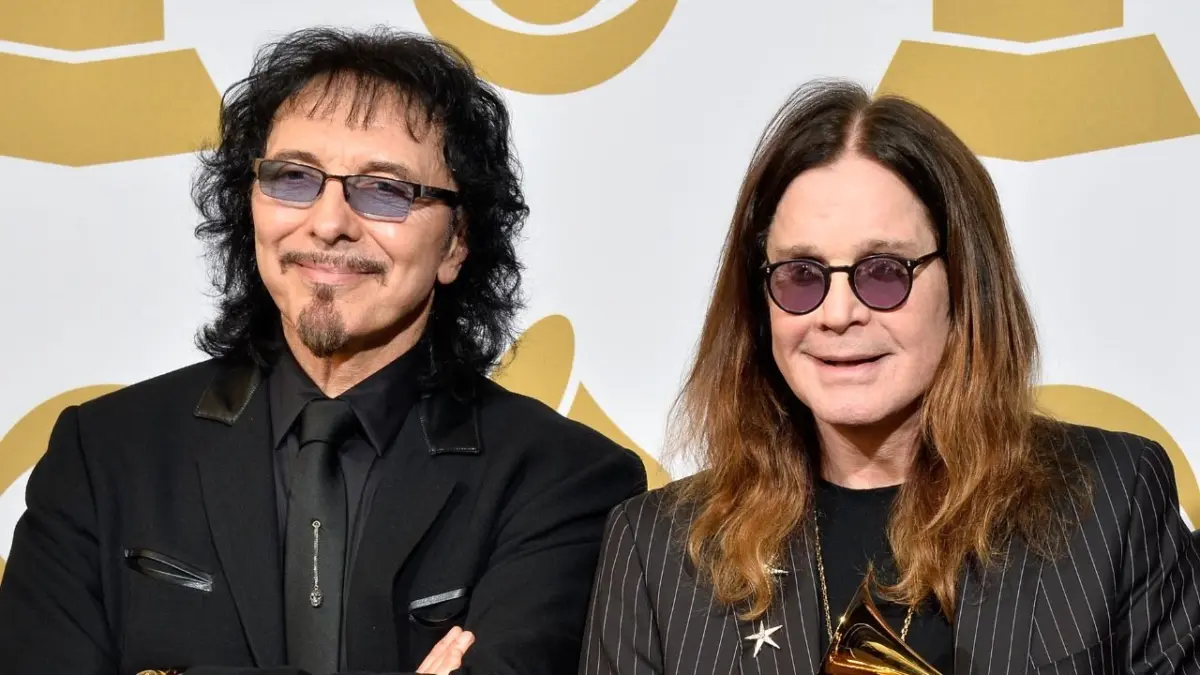
In the high-stakes world of rock royalty, few names command the reverence accorded to Black Sabbath. Recognized globally as the architects of heavy metal, the Birmingham four-piece—comprising guitarist Tony Iommi, vocalist Ozzy Osbourne, bassist Geezer Butler, and drummer Bill Ward—fundamentally altered the course of modern music following their 1970 self-titled debut. Decades later, rumors of one final studio effort featuring the complete original lineup continued to circulate among industry insiders and fans alike.
However, in an exclusive candid interview with Classic Rock magazine, founding guitarist and primary songwriter Tony Iommi revealed that he personally vetoed a proposed final Black Sabbath studio album. The pitch, spearheaded in the early 2020s by Grammy-winning producer Andrew Watt—the mastermind behind Ozzy Osbourne’s acclaimed late-career solo albums Ordinary Man (2020) and Patient Number 9 (2022)—aimed to reunite all four original members for a definitive swan song.
Iommi’s refusal underscores a delicate balance between preserving an immaculate artistic legacy and managing the stark realities of aging, severe health challenges, and intricate personal dynamics within the group. The guitarist’s decision effectively closes the book on any future studio collaborations under the Black Sabbath moniker, cementing their 2013 record, 13, as the band’s final full-length studio release. This comprehensive investigation explores the timeline of the proposed project, the interpersonal and logistical hurdles that doomed it, and the overarching implications for the band’s historical legacy.
Detailed Chronology of the Proposed Reunion
[1968] Black Sabbath forms in Birmingham, England
  │
[2011-2013] Band reunites for '13' album; Bill Ward exits due to contract disputes
  │
[2016-2017] 'The End' farewell tour concludes Sabbath's live career
  │
[2020] Andrew Watt produces Ozzy Osbourne's 'Ordinary Man'
  │
[2020-2021] Watt pitches an original-lineup Black Sabbath album to Tony Iommi
  │  └─► Iommi declines: Cites band dynamics, Ward's situation, & post-'13' closure
  │
[2022] Iommi & Osbourne reunite at Commonwealth Games in Birmingham
  │
[2023] Villa Park 'Back To The Beginning' benefit concert staged
  │
[Present/Future] Iommi announces upcoming solo album 'From The Dark' via BMG
The Origins of the Proposal (2020–2021)
Following the commercial success of Ozzy Osbourne’s Ordinary Man in early 2020, producer Andrew Watt emerged as a vital creative catalyst for legendary rock artists. Having successfully reinvigorated Osbourne’s solo output, Watt turned his sights toward the ultimate heavy metal milestone: reuniting the four original members of Black Sabbath for a final, back-to-basics studio album.
Watt reached out directly to Tony Iommi during the initial writing stages of Osbourne’s follow-up album, Patient Number 9 (which featured Iommi as a guest guitarist on two tracks, "Degradation Rules" and "No Escape From Now"). Watt presented his vision for an authentic, raw Sabbath recording session designed to capture the magic of their early 1970s work.
The Decision to Decline
Despite Watt’s enthusiasm and established track record, Iommi immediately harbored reservations regarding the producer’s approach and an unfamiliarity with the complex internal machinery of Black Sabbath.
"I’d met Andrew Watt when he was producing Ozzy," Iommi revealed to Classic Rock. "He was very keen and a bit too excited. He also didn’t know what it was like working with the original Sabbath, working with Bill [Ward]. Also, we’d done 13, and I didn’t like the idea of: ‘Now here’s another album.’"
Iommi’s resistance stemmed not from a lack of material or passion for guitar playing, but from a calculated desire to protect the band’s integrity. Having navigated decades of tumultuous lineup changes, substance abuse battles, and health crises, Iommi recognized that recreating the studio alchemy of four men in their seventies—one of whom had been absent from the band’s studio environment for over a decade—was an unrealistic endeavor.
Supporting Context & Metrics: Band Dynamics and Health Realities
To understand Iommi’s decision, one must examine the operational context surrounding Black Sabbath during their final decade as an active entity. The historical and physical parameters surrounding the band reveal why a studio reunion was inherently fraught with risk.
+-------------------------------------------------------------------------------+
|                      BLACK SABBATH STUDIO LINEUP COMPARISON                   |
+---------------------+-------------------------+-------------------------------+
| Era                 | Lineup                  | Key Albums                    |
+---------------------+-------------------------+-------------------------------+
| Classic Era         | Iommi, Osbourne,        | Black Sabbath (1970),         |
| (1968–1979)         | Butler, Ward            | Paranoid (1970),              |
|                     |                         | Master of Reality (1971)      |
+---------------------+-------------------------+-------------------------------+
| Reunion / Final Era | Iommi, Osbourne,        | 13 (2013) [Rage Against the   |
| (2011–2017)         | Butler (Brad Wilk drums)| Machine's Brad Wilk on drums] |
+---------------------+-------------------------+-------------------------------+
| Proposed Final      | Iommi, Osbourne,        | ABORTED                       |
| Studio Attempt      | Butler, Ward            | (Pitched by Andrew Watt)      |
+---------------------+-------------------------+-------------------------------+
The Bill Ward Dilemma
The primary obstacle to any original-lineup reunion has long centered on founding drummer Bill Ward. When Black Sabbath officially announced their return in November 2011, Ward was initially included. However, by early 2012, Ward withdrew from the project citing "unsignable" contract terms and physical readiness concerns.
For the recording of 13 (2013), producer Rick Rubin brought in Rage Against the Machine drummer Brad Wilk, while Tommy Clufetos handled touring duties for the group’s massive "The End" farewell tour (2016–2017). Ward’s absence remained a point of contention for fans and band members alike.
Iommi’s comment that Watt "didn’t know what it was like working with Bill" reflects the reality that Ward’s unique, swing-infused jazz-heavy drumming style was inextricably bound to a specific studio workflow—one that required immense physical stamina and patience that the band could no longer guarantee.
          [Historical Tension: studio demands vs. physical stamina]
                                     │
      ┌──────────────────────────────┴──────────────────────────────┐
      ▼                                                             ▼
[Bill Ward's Drumming Style]                               [Ozzy Osbourne's Health]
 - Complex, swing-influenced jazz-rock                      - Parkinson's disease (PRKN2)
 - Requires high physical endurance                         - Multiple spinal surgeries
 - Studio friction during '13' sessions                     - Limited performance stamina
Ozzy Osbourne’s Medical Battle
Compounding the studio challenges was the deteriorating physical health of frontman Ozzy Osbourne. Diagnosed with a form of Parkinson’s disease (PRKN2) in 2003—a condition the singer did not disclose publicly until 2020—Osbourne has suffered a series of debilitating physical setbacks, including severe neck and spine surgeries following a 2019 fall at his home.
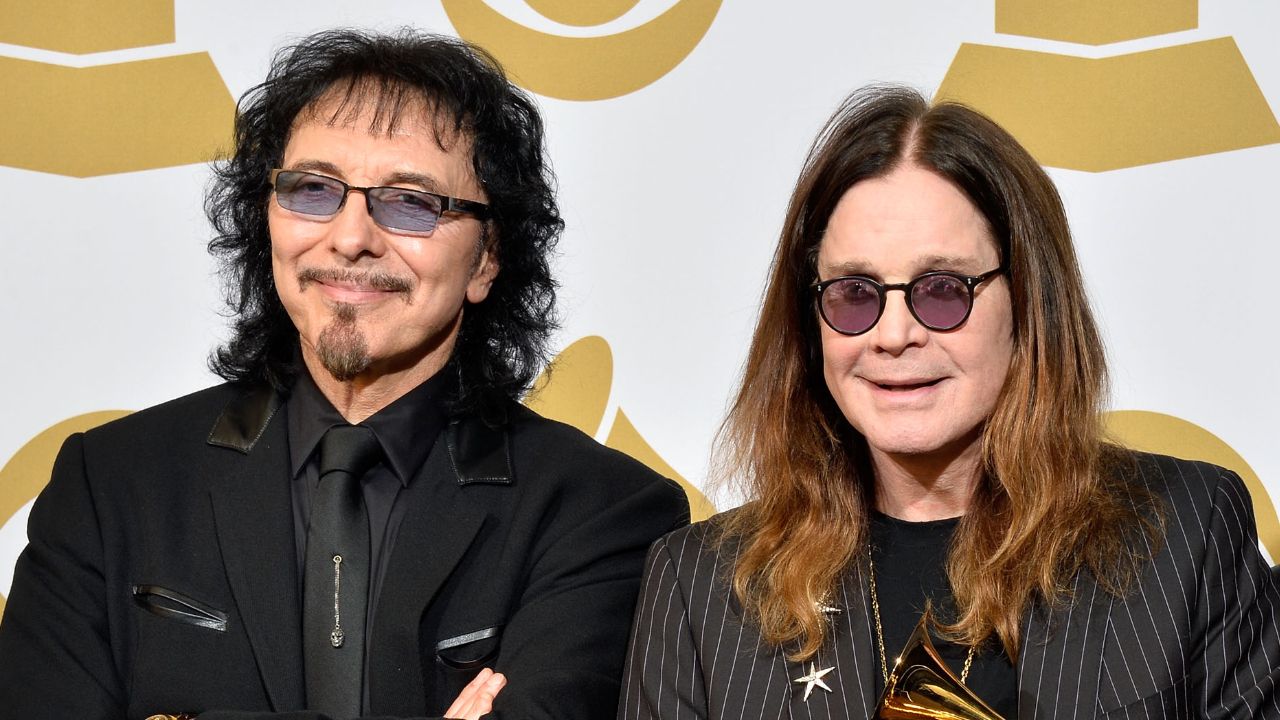
The physical toll was starkly evident to Iommi during their public appearances together, including a brief reunion at the closing ceremony of the 2022 Commonwealth Games in Birmingham, where the duo performed "Paranoid" in front of a hometown audience of 30,000.
"I hadn’t seen Ozzy for a bit, and it was difficult seeing him like that," Iommi admitted. "Fucking hell…"
Official Statements & Direct Commentary
The narrative surrounding Black Sabbath’s final years is defined by candor from its principal members. Below are key statements from Tony Iommi regarding the proposed album and recent live endeavors:
On Rejecting Andrew Watt’s Studio Album Pitch
"I’d met Andrew Watt when he was producing Ozzy. He was very keen and a bit too excited. He also didn’t know what it was like working with the original Sabbath, working with Bill. Also, we’d done 13, and I didn’t like the idea of: ‘Now here’s another album.’"
— Tony Iommi, Classic Rock Magazine
On the Villa Park "Back To The Beginning" Charity Tribute
The skepticism Iommi held toward a studio return extended to live performances as well. When approached to headline the historic Back To The Beginning charity event at Villa Park in Birmingham—a massive stadium tribute featuring heavyweights such as Metallica, Pantera, Guns N’ Roses, and Tool paying homage to Sabbath—Iommi initially urged caution regarding Sabbath playing a full live set.
"I said to Ozzy: ‘I don’t think we should do it.’ I said: ‘We should just let the other bands play our stuff, and us come out at the end and say thank you.’ But it was for a good charitable cause, and eventually we said okay."
— Tony Iommi
Iommi expressed further concern over Osbourne’s desire to perform a solo set prior to Black Sabbath’s headlining appearance at the event:
"I was concerned he was going to blow himself out, and by the time we came on he’d be struggling."
— Tony Iommi
Future Outlook & Legacy Implications
While the door on Black Sabbath as a recording or touring entity is permanently closed, Tony Iommi’s creative output remains active. Rather than pursuing nostalgia-driven reunions that risk diminishing the band’s catalog, Iommi has turned his focus toward fresh solo endeavors.
+-------------------------------------------------------------------------------+
|                      TONY IOMMI: UPCOMING SOLO PROJECT                        |
+----------------------+--------------------------------------------------------+
| Album Title          | From The Dark                                          |
| Release Date         | October 23                                             |
| Record Label         | BMG                                                    |
| Focus                | Original heavy guitar compositions & guest vocalists   |
+----------------------+--------------------------------------------------------+
From The Dark and the Path Forward
Iommi’s forthcoming solo record, titled From The Dark, is scheduled for release on October 23 via BMG. The album represents Iommi’s first major full-length solo effort since 2005’s Fused (recorded with late Deep Purple vocalist Glenn Hughes). From The Dark is set to showcase Iommi’s riff writing, featuring a mix of instrumental tracks and guest-vocal collaborations that reflect his enduring influence over the heavy metal genre.
The Unassailable Legacy of Black Sabbath
By choosing not to force a final album under sub-optimal conditions, Iommi and his bandmates have protected one of the most celebrated discographies in modern music history.
Black Sabbath’s legacy rests securely on their defining achievements:
- The Creation of Heavy Metal: Their 1970 self-titled debut established the sonic blueprints of heavy metal through down-tuned guitar riffs, tritone intervals ("the Devil’s chord"), and dark lyrics.
- Commercial and Critical Impact: With over 70 million records sold worldwide, including landmark albums like Paranoid (1970), Master of Reality (1971), and Heaven and Hell (1980), Sabbath’s influence spans generations of hard rock, thrash, doom, and grunge musicians.
- A High-Note Conclusion: By ending their studio recording career with 13—which debuted at No. 1 on the Billboard 200 and topped charts globally—Black Sabbath achieved a rare milestone in rock history: retiring at the absolute peak of commercial chart success.
Ultimately, Tony Iommi’s rejection of Andrew Watt’s high-profile pitch reflects the wisdom of a musician who understands that some legacies are best left untouched. Rather than chasing a manufactured final chapter, Black Sabbath’s story remains complete—forged in the industrial foundries of Birmingham and etched permanently into rock history.