Executive Overview
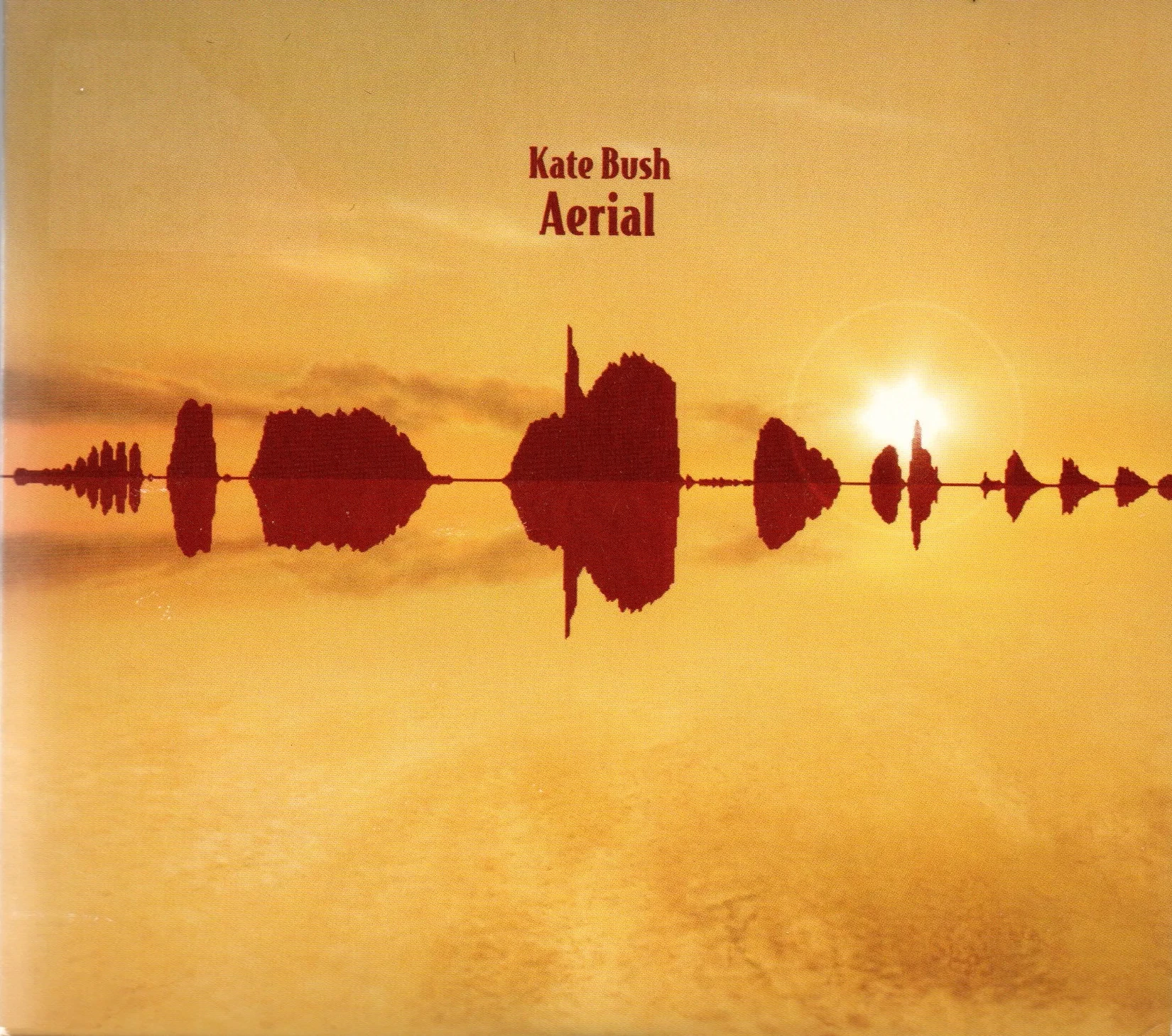
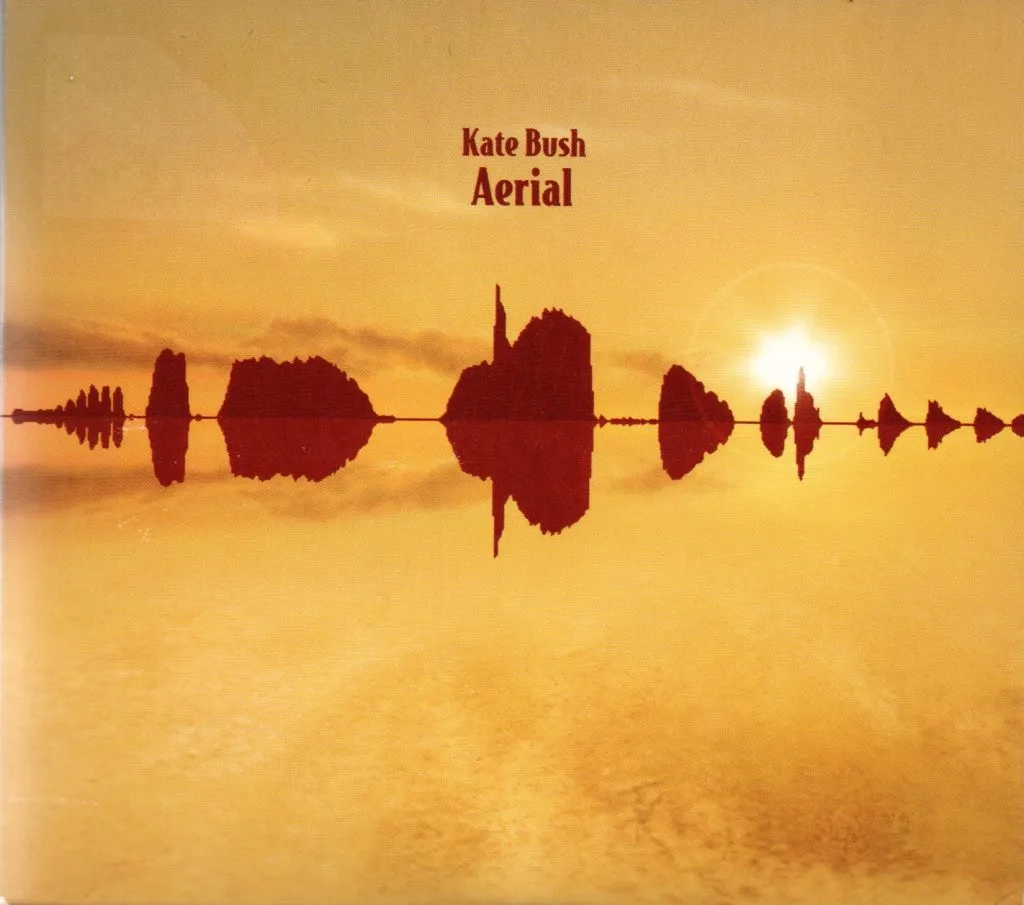
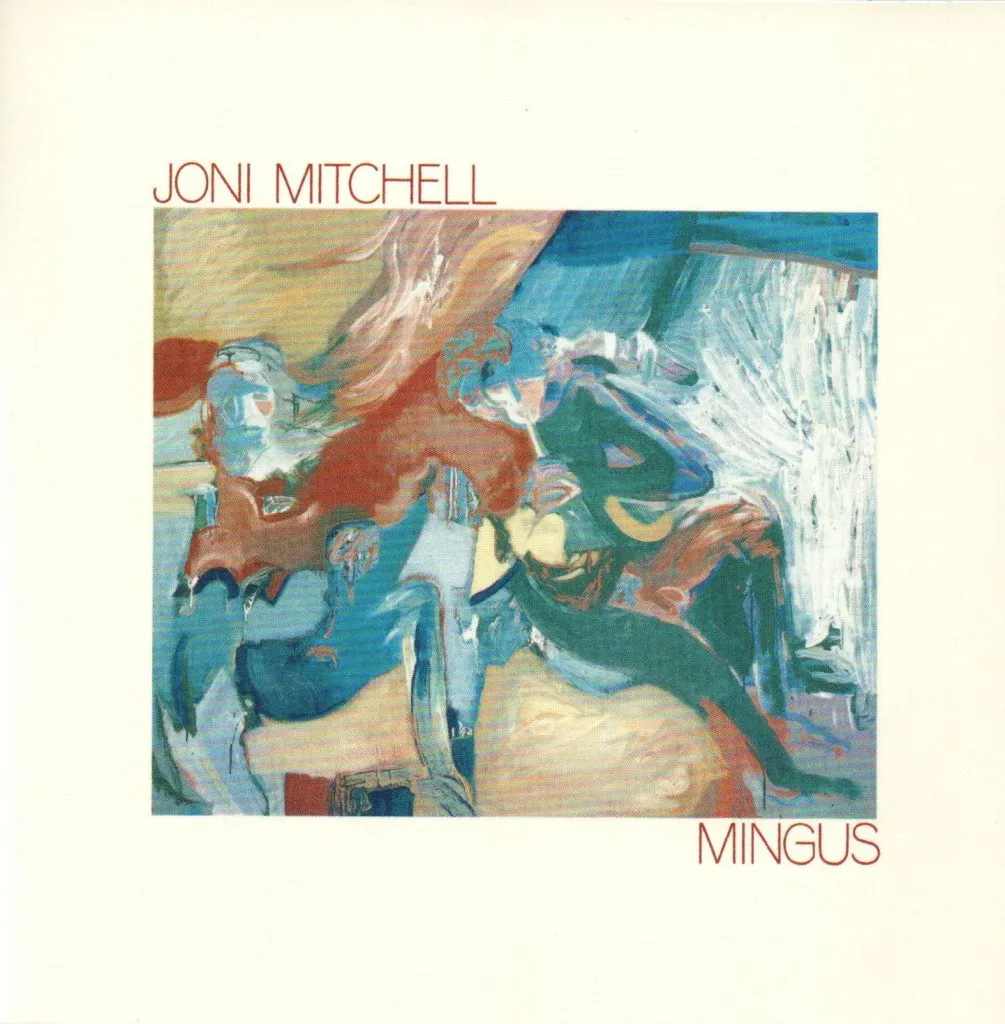
With credits spanning more than 700 commercial releases, two Grammy Awards, and an esteemed role as an adjunct professor at the University of Southern California (USC), drummer Peter Erskine stands as a towering pillar of contemporary rhythmic innovation. To categorize Erskine merely as a jazz drummer is to radically understate a career that has reshaped modern music across multiple genres. From his formative days inside the exacting confines of big band arrangements to his groundbreaking fusion explorations with Weather Report, and his genre-defying collaborations with pop and rock icons like Joni Mitchell and Kate Bush, Erskine has continuously redefined the possibilities of his instrument.
This deep-dive retrospective examines Erskine’s illustrious journey through the annals of jazz history, exploring the pivotal collaborations, rigorous training grounds, and philosophical evolutions that transformed a child prodigy into one of the most revered and imitated drumsmiths of the modern era.
Detailed Chronology
The Prodigy and the Big Band Crucible (1950s–1970s)
Erskine’s immersion in music began practically at birth. Encouraged by his father—a passionate former bass player and swing bandleader from his college days—Erskine took to the drum kit at the tender age of four. By seven, he was already enrolled in specialized jazz summer camps, an accelerated environment that positioned him directly in the orbit of jazz royalty. Most notably, these early camps provided him with personal mentorship from the legendary bandleader Stan Kenton.
"Serendipity as well as destiny seem to have played their roles in my becoming the drummer for the Stan Kenton Orchestra," Erskine reflects. "Attending the summer jazz camps, he brought his music into my world and me into his orbit. Sooner or later, I would have the opportunity to audition for him."
Following his graduation from the prestigious Interlochen Arts Academy—where he received a rigorous education spanning both big band swing and classical orchestral percussion—Erskine was more than ready for the professional stage. His three-year tenure with the Stan Kenton Orchestra acted as a punishing yet invaluable masterclass.
While small jazz combos primarily test a musician’s individual improvisational mettle, massive big bands demand absolute mastery of the ensemble. Erskine’s formative years allowed him to hone both disciplines simultaneously while touring the globe. Following his time with Kenton and a brief return to university, he hit the road again with fiery trumpeter Maynard Ferguson. Known for his staggering upper-register capability and uncompromising leadership style, Ferguson proved to be an intense taskmaster. Yet, Erskine frequently cites Ferguson as one of the best bosses of his career, attributing the gig with forging the rhythmic fortitude necessary for his next great leap.
The Weather Report Epoch and Jaco Pastorius (Late 1970s–Early 1980s)
That leap came in the late 1970s, catalyzed by a fateful evening when a virtuosic, fretless bass player caught Erskine performing live with Ferguson’s orchestra.
"My joining Weather Report was a matter of being in the right place at the right time," Erskine explains. "Jaco [Pastorius] heard me playing with Maynard. Weather Report was looking for a drummer who had both ensemble experience as well as improvisational abilities. I would need to work on developing my improvisational gifts as well as fortitude."
To paraphrase co-founder Joe Zawinul, referencing his own former mentor Julian “Cannonball” Adderley, Weather Report was simultaneously “a state of mind and a fact of life.” Alongside Zawinul, saxophonist Wayne Shorter, and Pastorius—a collective frequently dubbed jazz fusion’s “Big Four”—Erskine sat at the heartbeat of the world’s hippest, most forward-thinking modern American music outfit.
Despite his self-effacing nature—often downplaying his own output with the band compared to seminal records like Heavy Weather or Mysterious Traveller—Erskine’s contributions to mid-70s and early-80s albums were seismic. His inventive, driving percussion anchored complex, high-energy compositions such as "Pinocchio," "Brown Street," "Port Of Entry," "Fast City," and "Dara Factor One," alongside standout studio cuts like "Sightseeing" from the live/studio hybrid album 8.30.
During his latter days with Weather Report, Pastorius launched his own ambitious big band project, Word Of Mouth, enlisting Erskine for the recording sessions.
"Word Of Mouth [1981] reveals Jaco’s compositional abilities as well as potential," Erskine notes. "Had Jaco stayed alive, it’s impossible to imagine the incredible music he might have made. Such a loss for us all. Still, the music is powerful, audacious, soaring and beautiful. His happiest moment in making the album was when, during a mixdown session at A&M Studios, Burt Bacharach stopped by to approvingly listen to ‘Three Views Of A Secret.’ It’s the proudest I ever saw Jaco."
Navigating New York and Steps Ahead (1980s)
Diverging musical philosophies and personal pressures eventually prompted Pastorius to exit Weather Report to focus entirely on his big band endeavors. Seeking a fresh creative environment, Erskine departed around the same time to join Steps Ahead, a more relaxed yet technically demanding modern jazz fusion outfit co-founded by saxophonist Michael Brecker and trumpeter Randy Brecker.
"Steps Ahead brought me to New York City, and that journey also brought me to Japan on several occasions, where I fell in love with the woman who would become my wife," Erskine recalls warmly. "So I have incredibly warm feelings about the band and those musicians. The Modern Times album stands the test of time just about as well as anything else I’ve ever done. Wonderful music."
Genre-Defying Collaborations: Pop Royalty and Renegade Artists
Erskine’s career has never been bounded by the traditional parameters of the jazz genre. Guided by the philosophy that diverse musical experiences continuously inform and elevate one another, he has maintained an open-door policy toward cross-genre experimentation. This philosophy has led him into recording studios and onto world stages with a staggering roster of artists, ranging from jazz orchestrators like Vince Mendoza and mainstream giants like Diana Krall and Steely Dan, to pop-rock renegades like Joni Mitchell and Kate Bush.
- "Joni was thanks to Jaco," Erskine explains regarding his transition into Mitchell’s orbit.
- "Kate was thanks to Mark-Anthony Turnage and the BBC. She saw and heard me in a documentary chronicling the addition of drums to an orchestral piece that Mark had composed."
Reflecting on working with two of the most singular singer-songwriters of the 20th century, Erskine remains characteristically humble: "Joni and Kate are both incredibly powerful artists. Their music has spoken to countless listeners. How fortunate for me to be the drummer on some of their work."
Supporting Context & Metrics
To truly grasp the magnitude of Peter Erskine’s footprint in the global music industry, one must analyze the data points behind his discography and academic legacy:
- Commercial Output: Credited as a performer on over 700 distinct album releases, spanning small-group jazz, massive big band orchestrations, fusion records, and pop/rock masterworks.
- Grammy Recognition: A two-time Grammy Award winner, reflecting both his technical excellence and his profound compositional and conceptual impact on recorded music.
- Academic Pedagogy: Serving as an adjunct professor at the University of Southern California (USC), where he actively passes down decades of rhythmic wisdom, ensemble awareness, and performance psychology to the next generation of percussionists.
- Label Independence: Founder of Fuzzy Music, an independent record label established at the turn of the century to secure total artistic autonomy.
- The Dr. Um Project: Formed in 2015 alongside vocalist Jack Fletcher, producing three critically acclaimed albums that showcase Erskine’s dynamic, nuanced approach to rhythm under a playful percussive moniker.
Official Statements & Direct Quotations
On Big Bands vs. Small Groups:
"Small groups demanded improvisational abilities, but the big bands needed ensemble players. Some of us were fortunate enough to be sitting in chairs where both skills had the chance to be honed."On Working with Weather Report:
"Again, I learned a lot. Never the easiest group of people to tour with, but we had a lot of fun and managed to make some pretty good music… Sightseeing is one of the better things I ever heard the band do."On the Legacy of Jaco Pastorius:
"Had Jaco stayed alive, it’s impossible to imagine the incredible music he might have made. Such a loss for us all. Still, the music is powerful, audacious, soaring and beautiful."
Future Outlook
As Peter Erskine looks back on a life spent behind the drum kit, his artistic trajectory has come full circle. Following years of high-powered, electric fusion experiments—culminating in the boundary-pushing recordings of his Dr. Um band—Erskine has intentionally pivoted back to the organic intimacy of acoustic music-making.
"Dr. Um was fun," Erskine reflects, pointing toward his recent output via Fuzzy Music, including the release of Second Opinion. "But I’m back to acoustic music-making now. I had to get some of the lingering electric out of my system, but nothing beats the purity of playing an instrument softly, sweetly and swingingly. THAT is not something I was ready to know or learn when I was a younger drummer in all of those different bands."
For Erskine, the pursuit of rhythmic perfection is an endless horizon. Whether he is shaping the dynamic architecture of a delicate acoustic jazz trio, lecturing students at USC, or unpacking the historical weight of his legendary sessions with Kenton, Weather Report, and beyond, Peter Erskine remains an eternal student of groove—an architect of time whose foundation is built to last.