Executive Overview
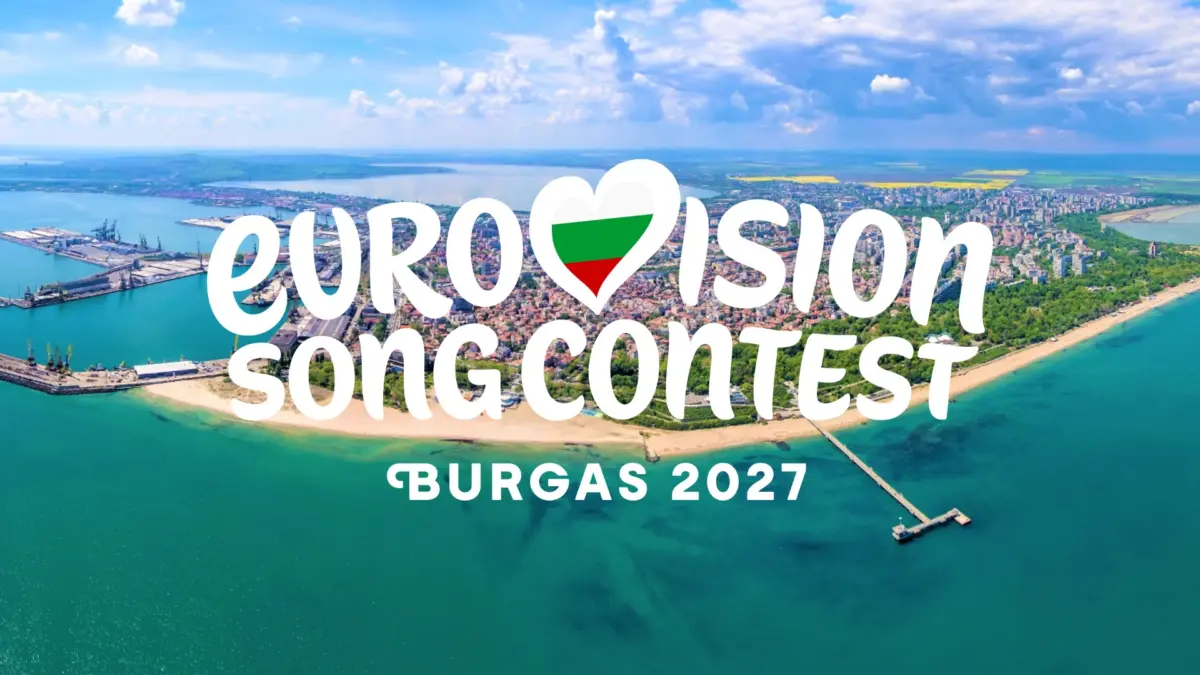
The European Broadcasting Union (EBU) and Bulgarian National Television (BNT) have officially confirmed that the vibrant Black Sea coastal hub of Burgas will host the 71st edition of the Eurovision Song Contest in May 2027. This historic milestone marks the first time Bulgaria will host Europe’s premier live music television event, a triumph made possible by pop sensation DARA, whose high-energy track “Bangaranga” secured the nation’s maiden Eurovision victory in May 2026.
The upcoming contest will take place at the newly minted Arena Burgas, a state-of-the-art sports and entertainment complex boasting a 15,000-seat capacity. Selected following a fiercely contested, multi-city bidding process that evaluated infrastructure, financial backing, and cultural readiness, Burgas beat out competing bids from across the nation to claim the prize.
For Bulgaria, hosting the 2027 contest is far more than a week-long television broadcast; it is a monumental cultural watershed. It represents a decade-long evolution in the country’s modern music industry, a testament to state-of-the-art urban development, and a golden opportunity to project a dynamic, forward-looking image of Bulgarian hospitality to an estimated global audience of over 160 million viewers.
The official schedule for the 2027 competition has also been locked in, with the Semi-Finals scheduled for Tuesday, May 11, and Thursday, May 13, culminating in the dazzling Grand Final on Saturday, May 15, 2027. As planning transitions from the conceptual phase to intense operational execution, stakeholders from the EBU, BNT, and the Burgas Municipality are gearing up for a transformative period of infrastructure enhancement, international promotion, and artistic collaboration.
Detailed Chronology: From Historic Victory to Host City Selection
The journey toward Burgas 2027 began in earnest in May 2026, when DARA delivered a career-defining performance on the Eurovision stage. Her infectious, genre-bending dance track “Bangaranga” captured the imaginations of televoters and juries alike, propelling Bulgaria to the top of the leaderboard for the very first time in the nation’s Eurovision history. The victory triggered spontaneous street celebrations across Sofia, Plovdiv, Varna, and Burgas, instantly igniting national conversations regarding where the country would host the subsequent contest.
Following the EBU’s traditional post-contest protocols, BNT immediately opened an open, competitive Host City bidding process. Bulgarian cities were invited to submit comprehensive proposals detailing their venue capabilities, transport networks, hotel capacities, security frameworks, and financial commitments.
While several major Bulgarian urban centers threw their hats into the ring, the race quickly narrowed down to a handful of frontrunners possessing the scale required for a mega-event of Eurovision’s magnitude. Municipal leaders, regional stakeholders, and private sector partners labored over their pitches, fully aware of the economic and reputational stakes involved.
By mid-summer, technical delegations from the EBU and BNT conducted rigorous on-site inspections across the candidate cities. They assessed the acoustic properties and backstage logistics of prospective venues, evaluated hotel bed-night quotas, and scrutinized municipal traffic management plans.
Ultimately, the composite scorecards favored Burgas. On Thursday, August 13, the EBU and BNT jointly announced that the Black Sea city’s comprehensive bid—anchored by the modern Arena Burgas and backed by a united regional coalition—had emerged victorious. This announcement closed the book on the bidding phase and officially opened the curtain on the multi-year logistical marathon required to bring the 2027 contest to life.
Supporting Context & Metrics: Inside the Burgas 2027 Operation
The Venue: Arena Burgas
At the beating heart of the 2027 Eurovision Song Contest is the Arena Burgas. Opened recently as part of the region’s aggressive push toward modernizing its public infrastructure, the multi-functional arena is tailor-made for an entertainment spectacle of this scale. With a seating capacity of approximately 15,000 spectators for arena-style configurations, the venue offers unobstructed sightlines, advanced acoustic engineering, and high-load-bearing rigging grids essential for housing Eurovision’s famously complex, tech-heavy stage designs.
Furthermore, the venue’s expansive footprint allows for the construction of the massive "Green Room" where delegations gather, extensive press centers capable of housing over 1,500 international journalists, and specialized delegation work areas. The surrounding precinct provides ample space for security perimeters, broadcast compound parking for dozens of outside-broadcast (OB) trucks, and fan activation zones.
Regional Infrastructure and Logistics
Hosting an influx of tens of thousands of international fans, press representatives, and delegations requires robust transport and hospitality networks. Burgas checks these boxes with confidence:
- Aviation Hub: Burgas Airport (BOJ), situated just kilometers from the city center, handles major seasonal and scheduled international traffic, with expansion plans underway to accommodate charter flights from across Europe during Eurovision week.
- Road and Rail Connectivity: The city is a major transit node on Bulgaria’s southern Black Sea coast, connected via modern highway networks and rail links to Sofia and neighboring European countries.
- Accommodation Capacities: From luxury hotels along the Black Sea coastline to boutique properties and expanded residential rentals, Burgas—along with neighboring resort towns like Sunny Beach and Sozopol—possesses the hotel bed-night inventory required to absorb the Eurovision delegation and tourist surge.
Economic and Cultural Impact
Economists and tourism boards anticipate that hosting Eurovision 2027 will inject tens of millions of euros into the local and national economy. Past host cities have reported significant spikes in hotel occupancy rates, restaurant revenues, and retail spending during the event window. Beyond the immediate financial windfall, the broadcast serves as a multi-hour tourism commercial broadcast to households worldwide, positioning Burgas not just as a summer beach destination, but as a vibrant, year-round hub for culture, innovation, and entertainment.
Official Statements: Perspectives from Key Stakeholders
The formal confirmation of Burgas as the host city elicited enthusiastic responses from the leadership steering the 2027 project.
Martin Green CBE, Director of the Eurovision Song Contest, emphasized the unique character that Burgas brings to the table:
"We are delighted that Burgas will be the Host City for the Eurovision Song Contest 2027. Burgas brings something really special to the Eurovision Song Contest. It is a vibrant, welcoming city on the Black Sea with a strong musical and cultural identity, and it has the ambition, infrastructure and passion needed to welcome the Eurovision family."
Green also touched upon the artistic vision for the upcoming show:
"For the first Eurovision Song Contest ever to be held in Bulgaria, we want to create something that feels truly Bulgarian while also being unmistakably Eurovision—a celebration that brings people together through music. We thank all of the cities which showed such enthusiasm in their bids to host Bulgaria’s first ever Eurovision Song Contest. Together with BNT, the City of Burgas and our partners across Bulgaria, we are looking forward to creating an unforgettable Eurovision week in May and welcoming the world to Burgas."
Milena Milotinova, Director General of BNT, acknowledged the rigorous nature of the selection process and the collaborative road ahead:
"It was an intense and highly competitive process, so congratulations to Burgas! With this victory comes great responsibility, and I hope the ultimate winners will be the many international visitors who come to experience Burgas. The selection of the Host City marks the beginning of the next key stage in Bulgaria’s preparations for the Eurovision Song Contest 2027. BNT, the EBU and Burgas now have an intensive period of collaboration ahead of us as we work together to deliver a Contest that meets the high expectations of millions of viewers around the world."
Milotinova added:
"I am confident that Bulgaria will be a worthy host of Europe’s biggest live music television event and will showcase the very best of our culture, hospitality and professionalism."
Dimitar Nikolov, Mayor of Burgas, expressed profound pride in the city’s achievement and highlighted the collective effort behind the successful bid:
"It is an exceptional honour for us to host the Eurovision Song Contest 2027. I would like to thank BNT and the EBU for their trust. We are now one team, working together to make the next edition of the Contest an unforgettable experience for both the participants and the hundreds of millions of viewers around the world."
Mayor Nikolov further emphasized the collaborative spirit of the region:
"As the centre of Bulgaria’s southern Black Sea coast, Burgas offers Bulgaria’s most modern arena, excellent hotels and transport connections, as well as outstanding infrastructure and natural assets. The entire Burgas region is part of our team—our municipalities, institutions, universities, schools, cultural organisations, artists, volunteers and local businesses. This is not about one city hosting Eurovision. This is Bulgaria hosting Eurovision—an entire community, united and inspired."
Future Outlook: The Road to May 2027
With the host city and venue officially secured, the operational clock is ticking down to the opening night of the Semi-Finals on May 11, 2027. The coming months will see a flurry of milestone announcements and behind-the-scenes developments:
- Branding and Artwork Launch: Later this year, the EBU and BNT will reveal the official theme art and slogan for the 2027 contest, setting the visual identity that will adorn the Arena Burgas, city streets, and promotional materials across Europe.
- Head of Delegation Meeting: In the winter, delegations from participating broadcasters across the continent will travel to Burgas to inspect the venue, tour hotel properties, and draw lots for the Semi-Final running orders.
- Ticket Sales Information: Fans eagerly awaiting the chance to witness the live shows can expect initial ticket release details to be published in the late autumn or winter, with multiple waves of sales following as production layouts are finalized.
- National Selections Across Europe: Throughout late 2026 and early 2027, competing nations will stage their respective national finals and internal selection processes to choose the artists and songs that will travel to Burgas.
As Bulgaria prepares to step onto the ultimate global stage, Burgas stands ready to write a brilliant new chapter in Eurovision history. Fusing modern architectural capability with a rich heritage of Black Sea culture, the city is poised to deliver an unforgettable week of music, unity, and celebration in May 2027.