In the modern landscape of music production and media scoring, the demand for distinctive, mix-ready sonic textures has never been higher. Producers, beatmakers, and film composers perpetually hunt for instruments that bridge the gap between heavy, organic grit and pristine, high-end digital design without requiring endless hours of routing, synthesis tweaking, and processing. Enter Alt Textures, the eleventh sound collection for the Cradle State Machine platform.
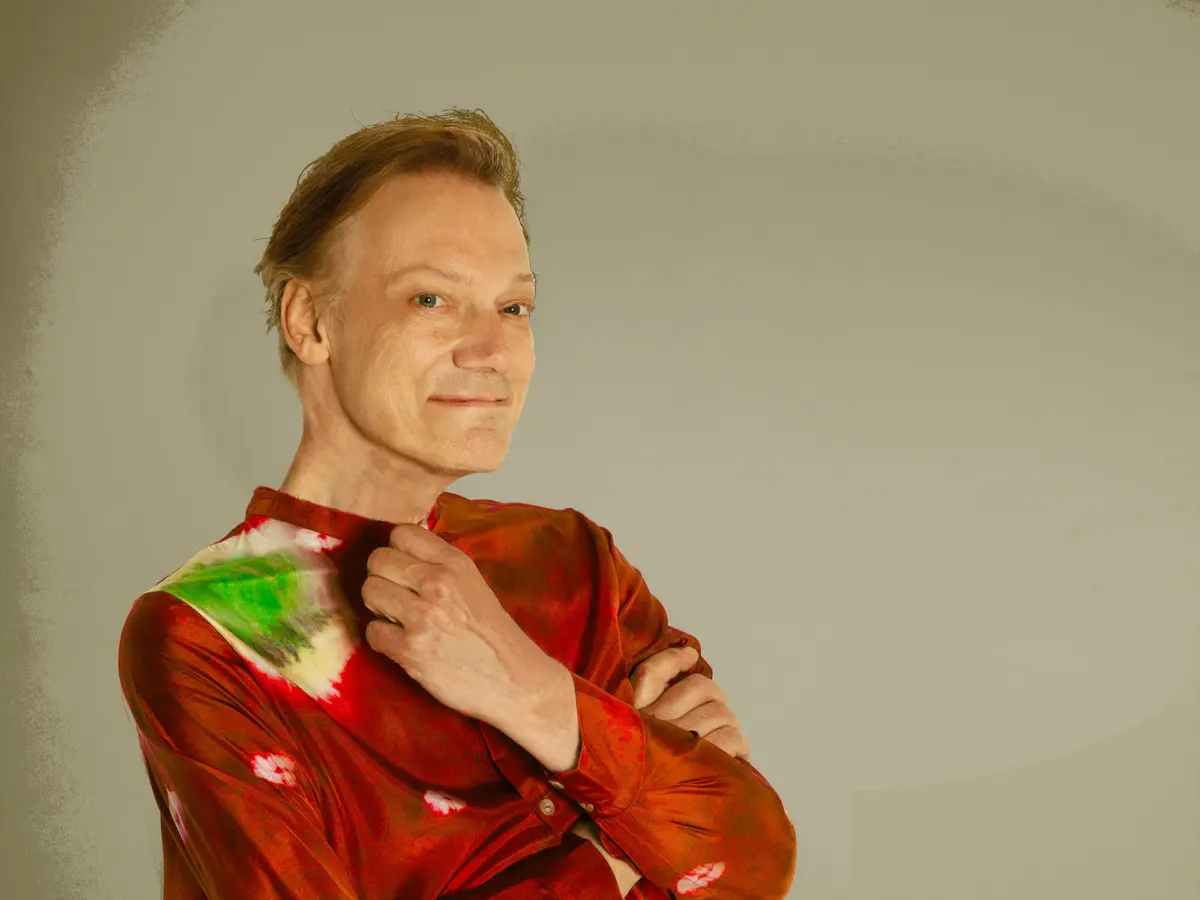
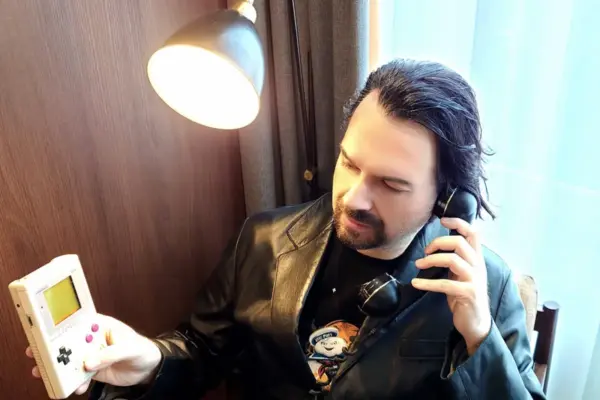
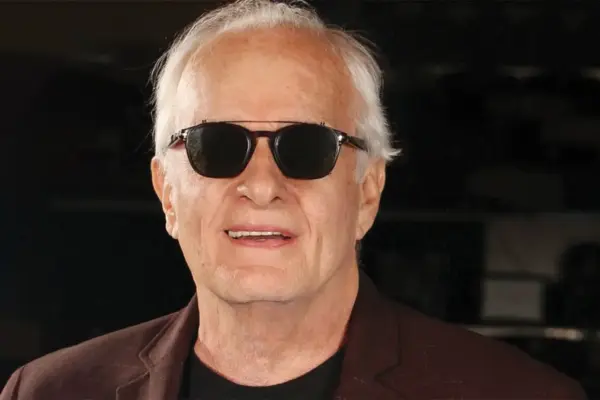
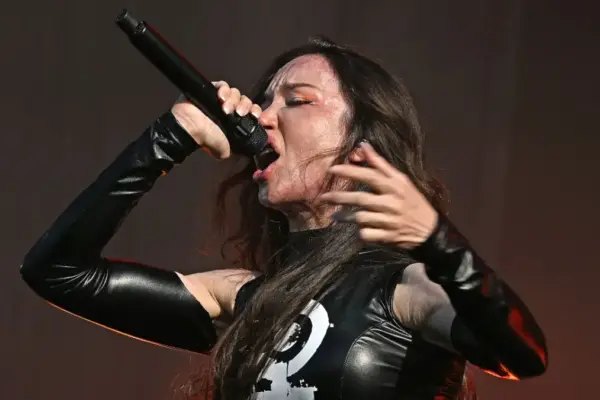
Conceived by producer and former Bring Me The Horizon keyboardist Jordan Fish—in collaboration with Periphery guitarist Misha Mansoor—Alt Textures is an unapologetically genre-specific instrument. Built to inject dark, cinematic, and aggressively modern edges into any production, this library draws on the exact hardware synthesizers and outboard effects Fish utilizes in his professional workflow. Furthermore, it features bespoke patch contributions from heavy-hitting sound design architects such as Mick Gordon, Noah Sebastian, and Zakk Cervini.
Operating on a sample-based, dual-layer architecture, State Machine prioritizes creative flow over technical intimidation. It sidesteps the sprawling, often overwhelming complexity of macro-modular sound engines like Spectrasonics Omnisphere, opting instead for a streamlined, focused workspace. While its niche focus means it won’t serve as a ubiquitous, do-it-all workstation for every project, Alt Textures excels brilliantly within its designated territory: cyberpunk soundscapes, aggressive rock and electronic music mixes, and high-octane action film or video game scoring.
Detailed Chronology: The Genesis and Workflow of State Machine
To fully understand where Alt Textures fits in the contemporary software instrument market, it is essential to trace how Cradle’s State Machine platform has evolved and how Jordan Fish’s vision shaped this specific release.
Phase 1: Conceptualization and Hardware Capture
The journey of Alt Textures began with Jordan Fish wanting to package the very DNA of his signature sound into a reliable, easily accessible virtual instrument. Collaborating closely with Misha Mansoor during the initial sound-capture phase, Fish raided his personal hardware synths and processing signal chains. Rather than relying purely on sterile, software-based wavetable simulations, the team captured authentic analog warmth, harsh digital clipping, and complex modulation loops directly from physical gear.
Phase 2: Bringing in Heavyweight Sound Designers
Recognizing that a single producer’s perspective can sometimes bottleneck a library’s versatility, Fish expanded the creative circle. He enlisted some of the most respected names in modern heavy music and aggressive electronic sound design—including Mick Gordon (renowned for his industrial, crushing DOOM soundtracks), Noah Sebastian, and Zakk Cervini. Each contributor brought distinct flavor profiles to the table, ensuring that the resulting library of patches possessed incredible sonic depth and stylistic range while maintaining a cohesive, dark aesthetic.
Phase 3: Navigating the User Interface and Dual-Layer Architecture
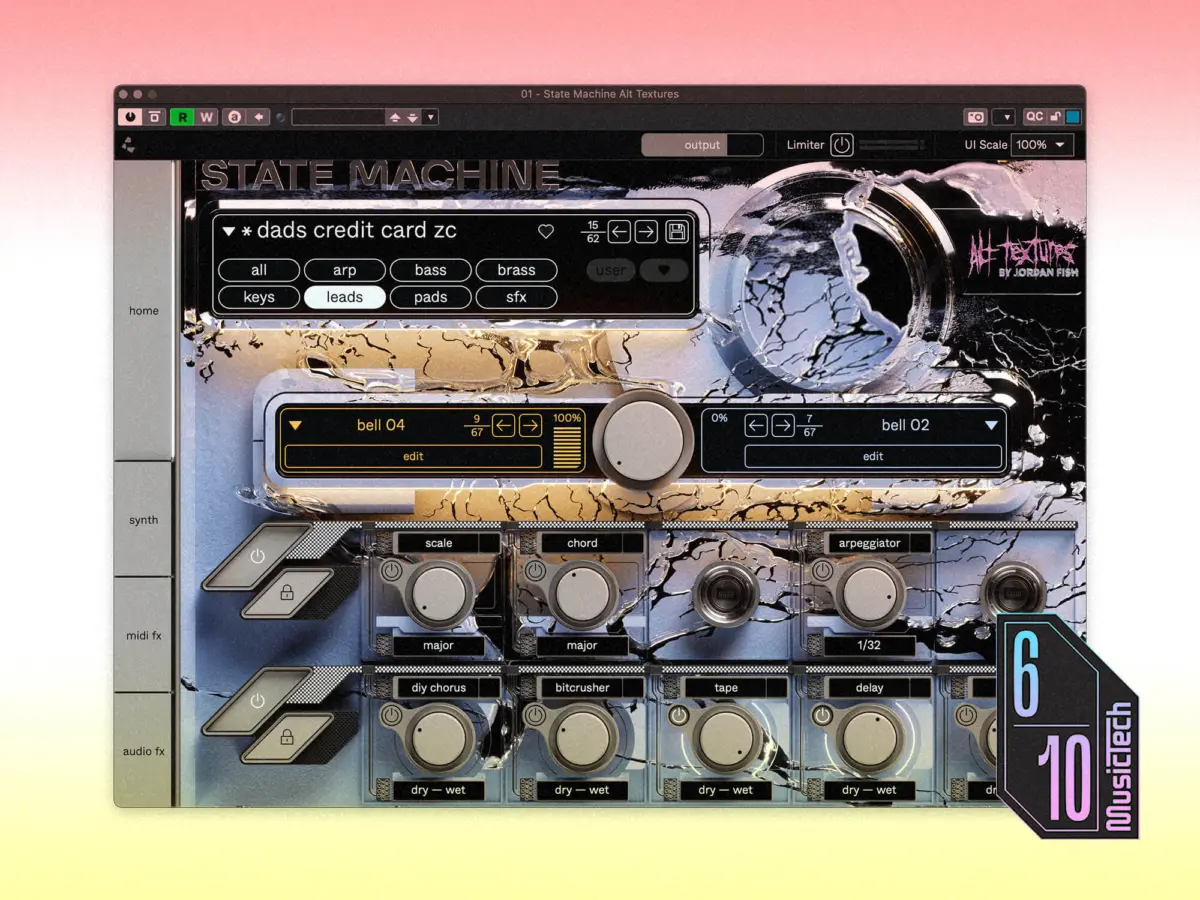
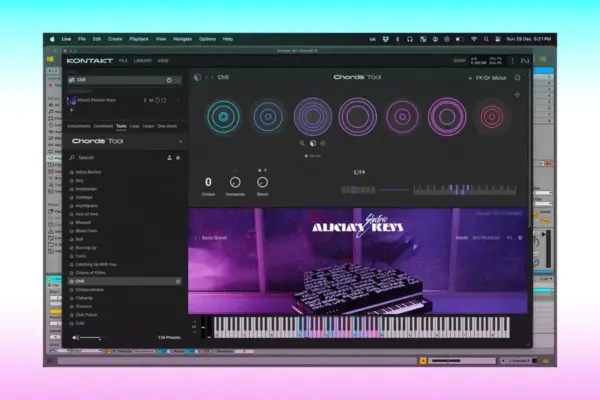
Once loaded into a Digital Audio Station (DAW), Alt Textures presents users with a clean, themed graphical user interface that mirrors other State Machine expansions while retaining its own unique aesthetic identity. Under the hood, the platform relies on a dual-layer sample architecture:
Layer Control: Patches are split into two discrete sound layers. These can be linked using a leader/follower hierarchy or managed entirely independently across dedicated Synth and Audio Effects sections.
Global Parameters: Macro controls and MIDI effects remain global, allowing for sweeping, macro-driven automation across both layers simultaneously.
Source Selection: Out of 232 total patches, the library offers 67 distinct sound sources. These range from synth layers and guitars to raw vocals, sharp stabs, and plucks. Users can filter these sources based on specific sonic characteristics before assigning them to a layer.
Phase 4: Sound Shaping and Unique Effects Chain
While State Machine does not boast an expansive multi-engine synthesis architecture like Omnisphere, it provides all the essential tools required to reshape, mold, and customize its sample pool:
Playback Modes: Mono, poly, duo, and legato trigger modes give producers absolute control over phrasing and performance response.
MIDI Effects: Built-in scale definition, single-note chord generation, and an intuitive arpeggiator enable complex rhythmic sequences right out of the box.
Dynamic Shaping: Traditional amp envelopes, filters, and Low-Frequency Oscillators (LFOs) allow users to tame overly aggressive frequencies or dynamically morph sounds over time.
Exclusive Effects:Alt Textures introduces five unique, custom-tailored effects: a DIY distorted chorus personally designed by Jordan Fish, a bitcrusher, tape saturation, a modulated delay, and a lush, dark reverb.
Supporting Context & Metrics: Analyzing the Sonic Profile
When evaluating a sample-based synthesizer—often casually dismissed by purists as a mere "ROMpler"—metrics like patch count, CPU efficiency, and workflow speed dictate its true value in a commercial studio environment.
Price Point: $99 standard retail price, discounted to $79 during the introductory launch window.
Engine Requirements: Operates via the Cradle State Machine plugin framework (note: each State Machine library installs as an independent plugin instance within your DAW).
The "Mix-Ready" Philosophy
One of the most defining characteristics of Alt Textures is its aggressive out-of-the-box tuning. Because these sounds were forged with heavy rock and modern electronic music mixes in mind, many presets feature a razor-sharp high-mid presence designed to cut straight through walls of distorted electric guitars and heavy percussion.
To prevent these elements from sounding harsh or crowding the mix in isolation, Cradle built an exceptionally transparent processing chain. Users can effortlessly bypass individual effects or solo specific layers to strip away unwanted frequencies. The onboard filters and envelopes are responsive enough to push aggressive leads further back into a mix or pull moody pads forward without losing their organic, analog warmth.
Furthermore, the inclusion of macro-controlled risers, time-based effects, and rhythmic pulses makes the library an invaluable asset for media composers. A composer scoring a high-speed cyberpunk chase sequence or a futuristic sci-fi action game can map a single macro knob to a cinematic riser, instantly matching the dynamic tension of a visual cut.
Official Statements and Industry Reception
Industry specialists and professional audio engineers have weighed in heavily on the operational strengths and architectural limitations of the State Machine ecosystem.
Stefan Wyeth, a prominent audio technology specialist and reviewer, noted the refreshing straightforwardness of the platform:
"Many synth purists sneer at sample-based synth instruments, often referring to them simply as a ‘ROMpler’… However, for producers looking to find the right sounds and immediately incorporate them into their arrangements, State Machine is a platform that certainly doesn’t overwhelm you technically or interrupt your creative flow."
Wyeth also highlighted the sheer polish of the included effects, emphasizing that the controls are deliberately kept streamlined to keep producers out of "plugin rabbit holes":
"Each effect really adds a unique flavour in a warm and natural way, with a simple set of controls that prevent you from getting lost in the sauce."
However, critical industry commentary has also focused on a persistent structural friction within the Cradle ecosystem: plugin fragmentation. Despite sharing an identical control interface and overarching UI framework, the 11 distinct State Machine libraries do not share a unified preset browser. Instead, every individual collection is recognized by host DAWs as a completely separate plugin instance.
Industry analysts point out that if Cradle were to integrate all 11 libraries under a single, unified plugin interface—allowing users to freely mix and match sources and presets across the entire suite—the platform would instantly transform from a series of specialized expansion packs into an absolute powerhouse of modern sound design. Such a structural update would undoubtedly incentivize producers to invest in the entire suite as a bundled ecosystem rather than selectively cherry-picking individual titles based on immediate project needs.
Future Outlook: Where Does Alt Textures Fit Moving Forward?
As virtual instrument design continues to accelerate toward hyper-specialization, tools like Cradle’s State Machine: Alt Textures occupy a very specific, highly lucrative space. They are not designed to be Swiss Army knives; they are precision scalpels.
The Ideal Target Audience
For commercial music producers crafting EPs for artists with a dark, cyber-punk, industrial, or aggressive alt-rock aesthetic, Alt Textures provides instant gratification. It removes the friction of sound design, offering immediate, mix-ready tones that inspire arrangements rather than bogging down the creator in synthesis parameters. Similarly, game audio designers and film composers working on gritty, high-octane visual media will find the rhythmic patches, sub-basses, and warped vocal textures to be indispensable additions to their sonic palettes.
What Lies Ahead for Cradle?
The ultimate success of the State Machine platform moving forward depends on developer roadmaps. If Cradle heeds the constructive feedback of the production community and bridges the gap between disparate library plugins into a centralized, unified hub, they could redefine how sample-based cinematic synths are marketed and consumed.
Until that architectural evolution occurs, Alt Textures remains a niche, highly targeted purchase. It is not an essential foundational toolkit for every bedroom beatmaker, but for those operating within its dark, cinematic, and heavy musical domains, it is an exceptionally lethal weapon to have in the arsenal.