Executive Overview
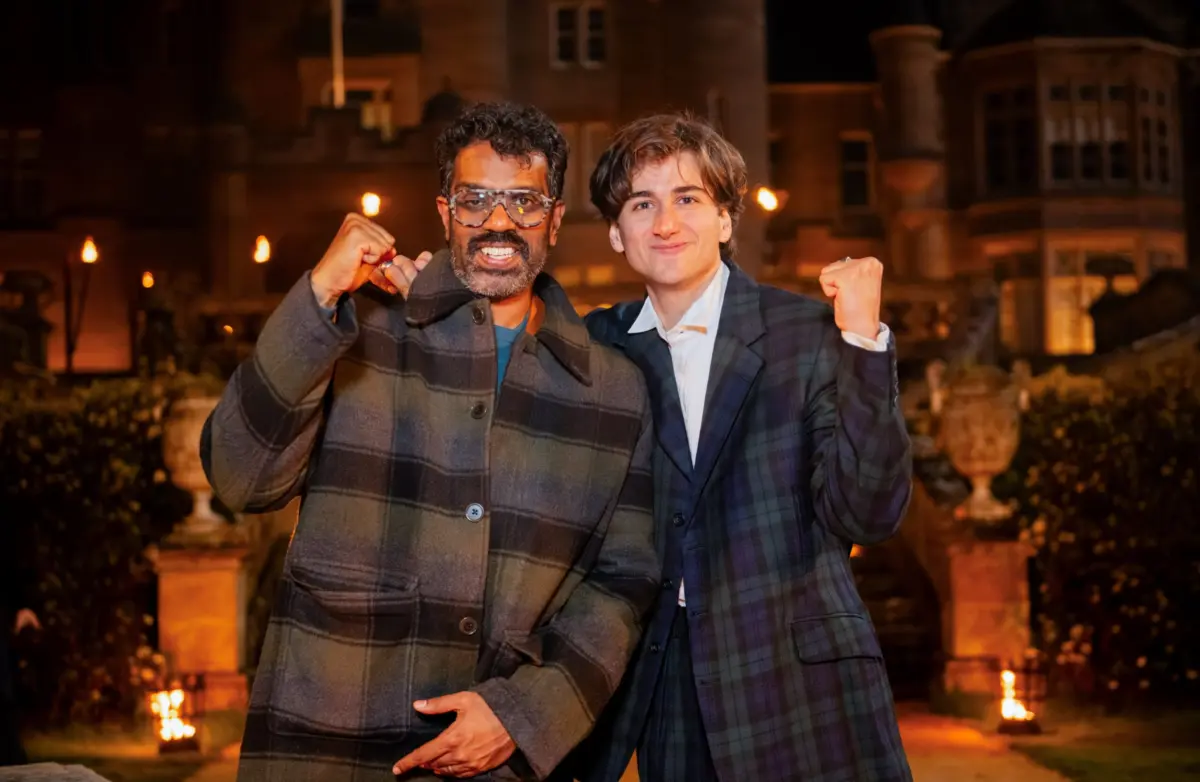
The BBC has officially acknowledged a wave of public backlash and formal complaints following the conclusion of the latest series of The Celebrity Traitors. Comedian Romesh Ranganathan and Heartstopper actor Sebastian Croft, who triumphed as the "faithfuls" in last month’s dramatic finale, walked away with a combined prize pot of £83,000. However, the decision by both stars to split their winnings entirely between refugee-focused charities ignited a fierce online debate, drawing fierce criticism from certain segments of the viewing public and prompting formal grievances to be lodged with the broadcasting corporation.
The controversy highlights a growing tension at the intersection of reality television, celebrity philanthropy, and politically charged public discourse. While the BBC has maintained a neutral stance—noting simply that viewer feedback regarding the chosen organizations has been logged and shared with relevant stakeholders—the winners themselves have pushed back strongly against the online negativity. In recent interviews, both Ranganathan and Croft addressed the vitriol, framing it as indicative of a broader, toxic anti-refugee rhetoric prevalent in contemporary society, while simultaneously expressing gratitude for the parallel wave of support their donations ultimately galvanized.
This in-depth report examines the trajectory of the controversy, the mechanics of the reality television finale, the specific charities involved, the organizations’ official responses, and what this episode reveals about the polarizing nature of modern charitable giving in the public eye.
Detailed Chronology: From the Castle to the Culture War
The Dramatic Finale of The Celebrity Traitors
The controversy stems from the climax of the hit reality game show’s second celebrity series last month. Filmed in a Scottish Highlands castle and hosted by Claudia Winkleman, the psychological competition sees a group of famous contestants split into "Faithfuls" and hidden "Traitors," working to unmask the deceivers before they claim the prize pool.
After weeks of strategic gameplay, emotional banishments, and intense round-table accusations, 48-year-old comedian Romesh Ranganathan and 24-year-old actor Sebastian Croft successfully navigated the game to emerge as the final surviving Faithfuls. By outlasting the Traitors, the duo secured a combined prize fund of £83,000, which was to be donated directly to causes of their choosing.
In what they later described as a completely coincidental alignment, both men independently opted to direct their respective £41,500 shares toward organizations aiding displaced persons and refugees. Croft allocated his funds to Choose Love, a prominent global humanitarian movement, while Ranganathan directed his winnings to the Refugee Council.
The Immediate Social Media Backlash
While reality show wins traditionally attract blanket celebration, the announcement of the charity recipients triggered an immediate and polarized reaction across social media platforms. While many fans praised the contestants for utilizing their platform to support vulnerable populations, a vocal minority launched hostile attacks against the stars.
Comments labeling the choice of charities as a "disgrace" quickly multiplied, transforming what was intended to be a celebratory moment of philanthropy into a cultural flashpoint. The sheer volume of complaints regarding the beneficiaries prompted the BBC to act, updating its corporate complaints portal to address the influx of negative audience feedback.
The Winners Respond: The Sunday Scaries Podcast
Addressing the backlash directly, Ranganathan and Croft appeared on Croft’s Sunday Scaries podcast to dissect the online hostility. Ranganathan did not mince words when discussing the motives behind the criticism, suggesting that the anger directed at the charities was symptomatic of a broader societal manipulation.
"Look, people have different opinions, but I feel like [refugees are] a distraction tactic, and people are being pointed in that direction for something to blame, is my personal opinion."
The comedian elaborated that his decision to support the Refugee Council stemmed from a deep-seated frustration with the prevailing political and media rhetoric targeting refugees. Despite receiving direct abuse online, Ranganathan noted that the controversy ultimately served a positive purpose by sparking national dialogue and energizing supporters of the cause.
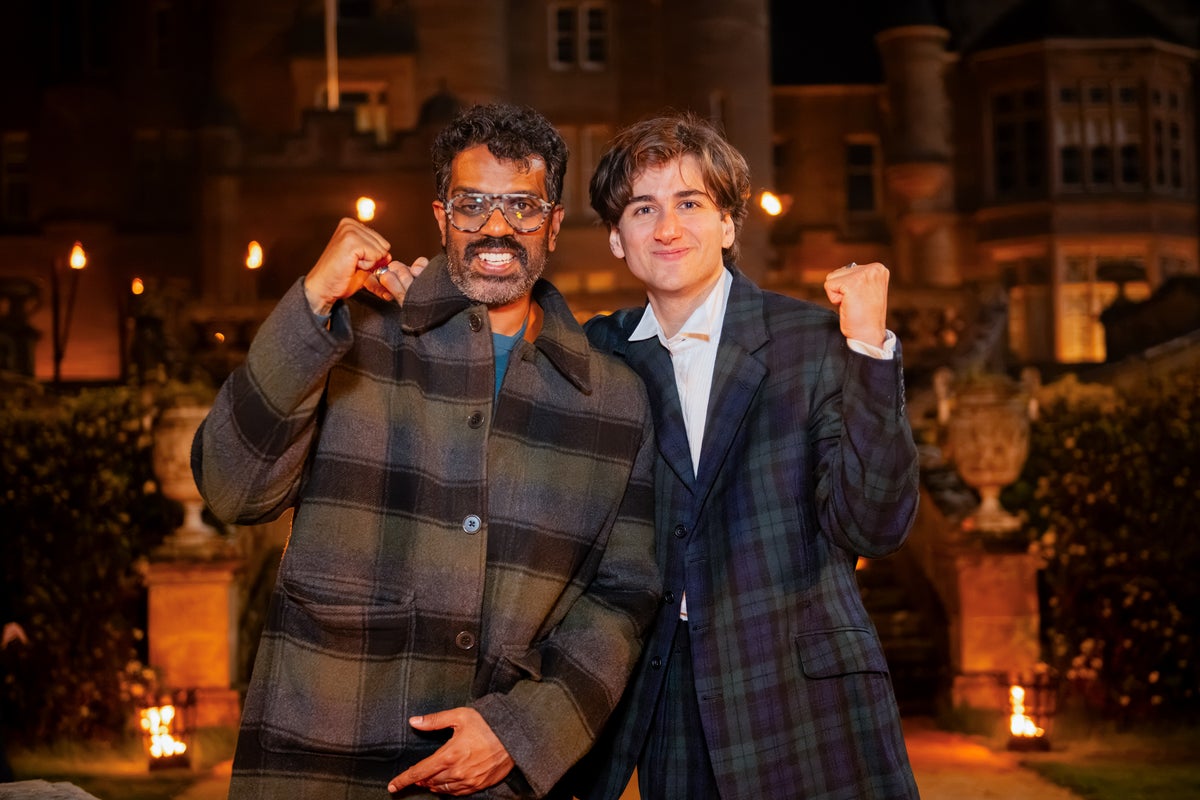
"The people kicking off about it has kind of galvanised the people that really think it’s a lovely thing," Ranganathan said. "I think that discussion, that back and forth, has actually been really positive."
Croft echoed these sentiments, expressing initial shock at how a charitable act could be met with such hostility. Reflecting on the vitriol, the young actor pointed out a sobering paradox: if the public response to a game show donating money to vulnerable people is this fierce, the reality of navigating those systems must be unimaginably difficult for refugees themselves.
Supporting Context & Metrics: The Beneficiaries Under the Spotlight
To understand the weight of the controversy, it is necessary to examine the two organizations chosen by the winners, their operational mandates, and the tangible impact the £83,000 cash injection will have on their frontline services.
Choose Love
Formerly known as Help Refugees, Choose Love is a dynamic, global humanitarian organization that supports refugees and displaced people worldwide. Founded on the ethos of grassroots action, the organization provides everything from emergency life-saving rescue boats and food supplies to legal advice, mental health support, and long-term integration assistance.
Choose Love operates in numerous conflict zones and transit hubs across Europe, the Middle East, and beyond. In recent years, the organization has placed a specialized focus on marginalized groups within displaced populations, including LGBTQ+ individuals who face extreme violence, persecution, and displacement simply for their identity.
Sebastian Croft has maintained a long-standing relationship with the organization as an advocate and donor. For an independent charity relying heavily on public visibility and donations, an injection of £41,500 represents a vital resource that can be deployed immediately in emergency settings.
The Refugee Council
Operating primarily within the United Kingdom, the Refugee Council is one of the leading charities working directly with individuals who have fled war, terror, political oppression, and human rights abuses to seek sanctuary on British soil.
The organization provides a comprehensive suite of frontline services, including:
- Destitution Support: Offering emergency aid, food, and shelter to asylum seekers who find themselves barred from public funds.
- Mental Health Counseling: Delivering trauma-informed therapeutic support to individuals recovering from the psychological scars of persecution and dangerous journeys.
- Integration and Employment: Assisting refugees in learning English, navigating the complex legal asylum system, and rebuilding their independence in local communities.
With the UK asylum system facing mounting backlogs and intense political scrutiny, charities like the Refugee Council rely heavily on public funding, corporate partnerships, and high-profile endorsements to sustain their operational capacity.
Official Statements and Institutional Responses
The BBC’s Official Stance
Faced with a growing volume of correspondence from disgruntled viewers, the BBC issued a concise yet formal response through its corporate feedback channels. The broadcaster confirmed that it had formally registered complaints regarding the allocation of prize funds on The Celebrity Traitors.
In its published statement, the corporation noted:

"We recognise that some audience members were unhappy with the charities chosen by the winning celebrities. This feedback has been shared with the relevant parties."
The statement underscores the BBC’s delicate balancing act as a public service broadcaster. While it must remain impartial on political matters, it frequently platforms high-profile entertainment formats where contestants retain total autonomy over how they distribute winnings earned through gameplay.
Choose Love’s Gratitude
Following the announcement of the donation, Choose Love’s acting chief executive, Emma Stevenson, released a glowing statement expressing profound gratitude to Croft for his steadfast support.
"We are absolutely thrilled and deeply grateful to Bash [Croft] for choosing Choose Love as his designated charity following his incredible win on Celebrity Traitors," Stevenson stated. "Bash has been a long-time friend and dedicated supporter of our work, and we could not be proud of him. This vital funding will quite literally change and save lives. It allows us to extend critical support to refugees and displaced people, especially LGBTQ+ individuals who face displacement, violence and persecution simply for who they are. We can’t thank Bash enough, it means the world."
The Refugee Council’s Endorsement
Katie Ghose, chief executive of the Refugee Council, similarly praised Romesh Ranganathan, lauding both his comedic talent and his unwavering commitment to humanitarian causes.
"We have loved every minute of watching Romesh and cheering him along from the sidelines," Ghose remarked. "To see him win is the icing on the cake. Romesh continues to be a brilliant champion for our cause. As we saw in the castle, he has a unique combination of huge public appeal, warmth and humanity, at the same time as being a gifted comedic legend. Romesh’s support will help us continue to provide vital frontline services to refugees and people in the asylum system who come to Britain in search of safety and the chance to rebuild their lives."
Future Outlook: Reality TV and the Politics of Philanthropy
The controversy surrounding The Celebrity Traitors finale sheds light on a broader evolution in the television landscape. Reality shows are no longer insulated bubbles of pure escapism; instead, they increasingly intersect with real-world political polarization. When public figures utilize high-profile platforms to champion causes that sit at the center of fierce ideological debates, the resulting friction is almost inevitable.
For networks like the BBC, this episode serves as a case study in managing audience expectations when entertainment formats bleed into social advocacy. While complaints management protocols are equipped to handle logistical grievances, ideological pushback against humanitarian choices presents a more nuanced challenge—one that requires balancing the freedom of expression afforded to contestants against the sensitivities of a fractured audience.
Ultimately, despite the initial social media storm and the administrative burden of logged complaints, both Ranganathan and Croft have emerged from the ordeal undeterred. By converting reality television success into tangible financial support for two of the world’s most vulnerable communities, the duo has ensured that their victory in the castle will leave a lasting, positive footprint far beyond the television screen. As the dust settles on the second celebrity series, the conversation sparked by their choices demonstrates that even lighthearted entertainment can become a powerful catalyst for meaningful social reflection.