The psychological warfare, clandestine whispers, and theatrical banishments of the BBC’s smash-hit reality format The Celebrity Traitors have captivated millions of viewers across the United Kingdom. However, the glittering facade of Ardross Castle in the Scottish Highlands masks an intense, tightly controlled operational ecosystem that rivals top-tier intelligence agencies.
Recent revelations from eliminated contestants—comedians Joanne McNally and James Acaster—have pulled back the curtain on the extraordinary logistical precision, psychological tolls, and behind-the-scenes drama that characterized the latest celebrity series. From military-style extraction protocols to near-mutinies during claustrophobic challenges, the making of the show proved to be every bit as harrowing for its famous participants as it appeared on screen.
While the series concluded with an emotional finale that saw Faithfuls Romesh Ranganathan and Sebastian Croft secure an £83,000 jackpot for their respective charities, the path to the finish line was paved with exhaustion, panic, and unprecedented production interventions. This report explores the rigorous mechanics of the BBC production, the psychological strain placed upon its high-profile cast, and the broader implications of reality television’s most intense social experiment.
Detailed Chronology: From Banishing to Breakdown
The McNally Exit Protocol: A "Military" Extraction
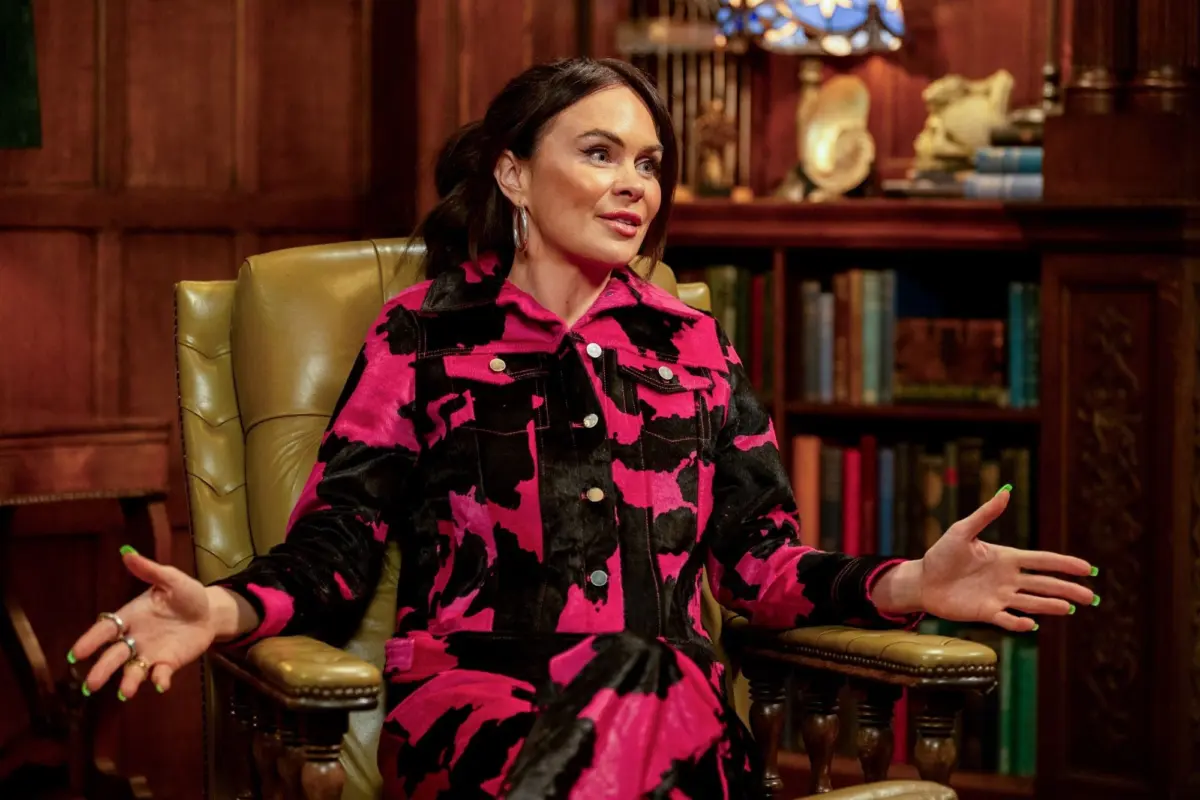
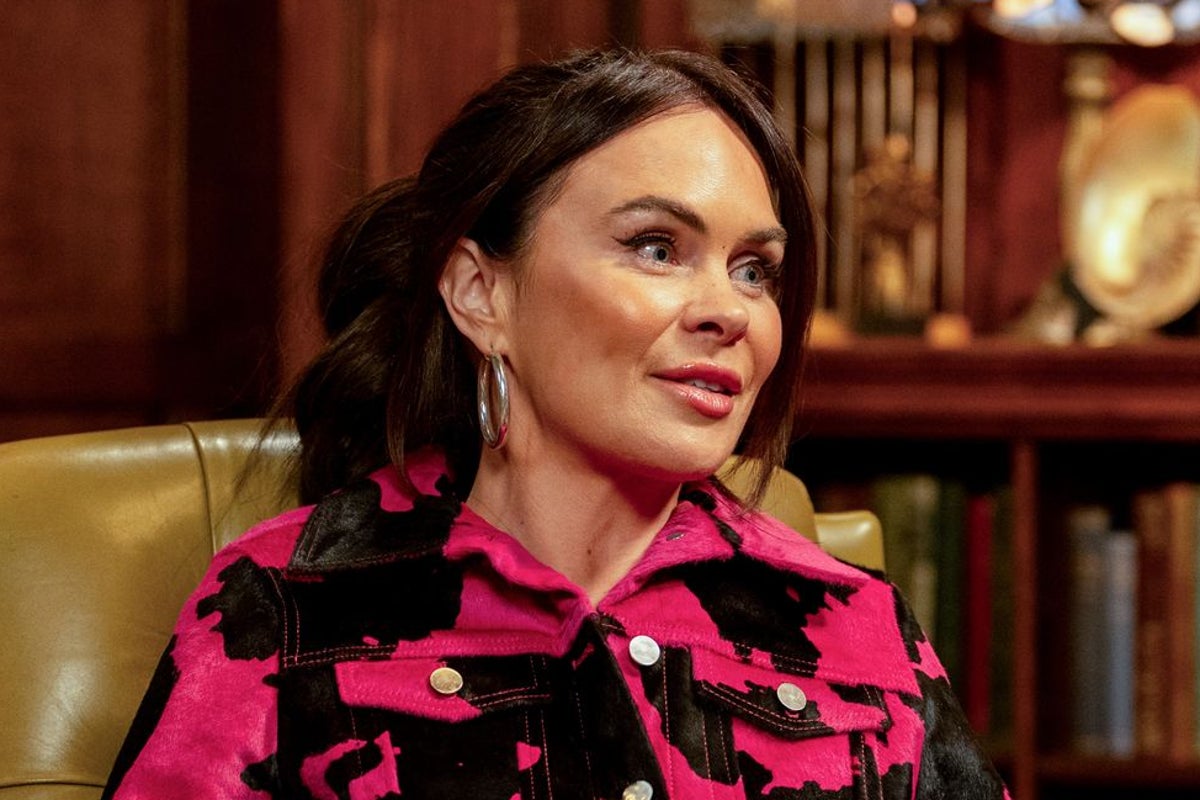
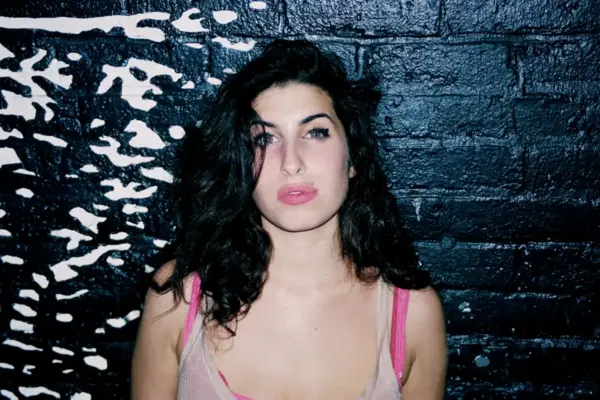
The elimination process on The Celebrity Traitors is designed for maximum dramatic impact on television, but off-camera, it functions with cold, swift efficiency. For 43-year-old comedian Joanne McNally, her exit during the October 29 semi-final episode was a jarring transition from the warmth of the Round Table to total isolation.
Speaking candidly on My Therapist Ghosted Me, the podcast she co-hosts with Vogue Williams, McNally detailed the rigorous protocols enacted the moment a contestant is voted out.
"You get off the podium, they rush you out the side door and you’re bundled into a van like Whitney Houston in The Bodyguard," McNally explained to listeners.
According to the comedian, contestants are instructed to maintain an "emergency backpack" in their castle quarters at all times, packed with essential personal belongings in anticipation of a sudden banishment. Once escorted from the set, eliminated players are immediately transferred to an undisclosed, secure hotel to prevent leaks or premature contact with the outside world.
However, a banishment does not mean the work is finished. McNally revealed that she was required to return to Ardross Castle the following day to fulfill contractual production obligations.
"You actually have a full day’s work to do in the castle because you have to do all your B-shots and there was a video of me in the bath, so it’s all that stuff and your final interviews," she noted.
This logistical turnaround explains why the production enforces such strict movement controls within the castle. To prevent recently eliminated players from crossing paths with active contestants—who might still be completing morning routines or private reflections—producers run the facility with absolute synchronization.
"I always wondered why in the castle if you needed to go to the bathroom or anything it’s this big kind of production," McNally said. "It’s because they have to make sure the castle is clear… They run it so military!"
James Acaster, Claustrophobia, and the Almost-Mutiny
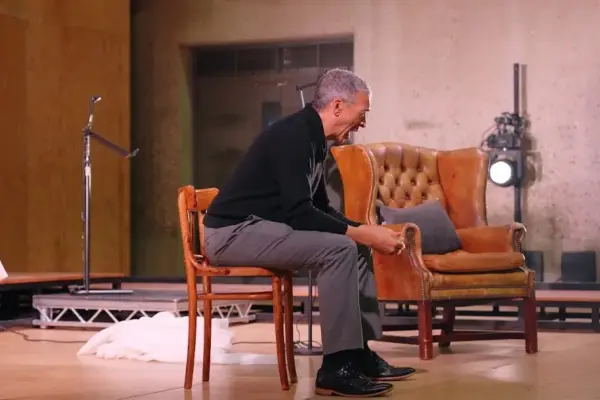
While McNally faced logistical precision, fellow contestant James Acaster confronted psychological terror during one of the series’ most demanding tasks. Acaster, alongside The Last of Us star Bella Ramsey, was subjected to a subterranean challenge that involved being temporarily buried alive underground.
Reflecting on the harrowing experience in an interview with Far Out magazine, Acaster admitted that the reality of the challenge quickly outstripped his expectations.
"I was lying there thinking, actually, I think I’m really scared of this. As soon as the soil was heaped on top, Bella did say, ‘Imagine if they can’t get us out,’" he recalled.
The psychological toll prompted a widespread rejection among the cast, led by legendary supermodel Jerry Hall. Hall, 70, exercised her right to refuse the challenge entirely—a principled stance that Acaster later confessed he wished he had mirrored.
"[Jerry] didn’t like it. She didn’t like, well, none of us liked it," Acaster said. "I respect Jerry the most because Jerry just went: ‘I’m not doing this.’ Like, are you kidding me? And the rest of us were just like: ‘We want to win Traitors in our coffins, idiots.’"
The comedian went so far as to suggest that the group should have coordinated a walk-out in solidarity with Hall.
"As soon as I heard Jerry got out, I should have said to Bella: ‘I’m getting out, forget it. If it’s a free-for-all now, we should all get out. They can’t stop us all. We could all do it.’"
The Unrecorded Crisis: Acaster’s Round Table Breakdown
Acaster’s tenure on the show ultimately ended under intense pressure. Selected as a Traitor during the second episode, the comedian struggled with the emotional weight of deception before actor Michael Sheen dismantled his cover during a blistering Round Table interrogation.
Reports subsequently surfaced that filming had to be temporarily suspended prior to the final vote due to Acaster experiencing an acute stress reaction. According to insider accounts provided to The Sun, the sheer weight of maintaining his hidden identity reached a breaking point under Sheen’s questioning.
"What you don’t see is the moment when James got upset as he crumbled when he could see he was about to be caught," a production source revealed. "Both the producers and the other celebrities could see how he was struggling with the pressure… and he reached some kind of breaking point."
The gravity of the situation forced producers to intervene directly, halting production to assess the wellbeing of both Acaster and the wider cast. Filming did not resume until welfare teams were satisfied that all participants were mentally and emotionally fit to continue. Notably, the vast majority of this distress was kept off-camera, omitted from the final broadcast to respect the privacy of the individuals involved.
Supporting Context & Metrics
The chaotic dynamics behind the scenes played directly into the tactical end-game of The Celebrity Traitors. Following Acaster’s banishment, the remaining Traitors—television presenter Maya Jama and YouTube content creator King Kenny—fought desperately to retain control through the final episodes broadcast on October 30.
However, the Faithfuls successfully dismantled the remaining web of deception. Both Jama and King Kenny were eliminated in the closing stages, paving the way for a dramatic victory by Faithfuls Romesh Ranganathan and Sebastian Croft.
Financial Impact & Charitable Contributions
In keeping with the celebrity edition’s philanthropic mandate, the £83,000 cash prize was diverted entirely away from personal enrichment and distributed to charitable organizations chosen by the winners:
Romesh Ranganathan (£41,500 equivalent share): Allocated to the Refugee Council, supporting asylum seekers and refugees across the UK.
Sebastian Croft (£41,500 equivalent share): Allocated to Choose Love, a global humanitarian charity providing aid to displaced people.
Official Statements & Industry Perspectives
The revelations surrounding The Celebrity Traitors have ignited a wider conversation within the British television industry regarding the duty of care owed to high-profile participants in high-stress, immersive reality formats.
While the BBC and production partners have maintained strict confidentiality regarding specific psychological intervention thresholds, industry analysts note that modern reality programming has undergone a paradigm shift. Welfare protocols, mandatory psychological evaluations, and on-set mental health professionals have become non-negotiable components of large-scale productions.
The openness with which McNally and Acaster have discussed their experiences highlights a growing appetite for transparency regarding the less glamorous realities of television production. Rather than damaging the mystique of the format, these behind-the-scenes insights have underscored the genuine stakes involved in playing Ardross Castle’s ultimate game of deception.
Future Outlook: What’s Next for the Franchise?
The runaway success of The Celebrity Traitors—bolstered by viral moments, intense cultural discourse, and substantial viewing figures—virtually guarantees that the BBC will greenlight subsequent celebrity iterations.
However, producers will likely face mounting pressure to refine their approach to physical and psychological challenges. The near-mutiny over the burial challenge and the untelevised welfare pause during Acaster’s interrogation serve as stark reminders of the fine line between compelling entertainment and unsustainable emotional strain.
For future casting directors and prospective contestants, the message from Ardross Castle is unequivocal: beneath the dramatic cowl capes and theatrical candlelit round tables lies a grueling operational machine that demands absolute resilience, strict adherence to military-grade security, and an iron constitution. As the dust settles on Ranganathan and Croft’s historic victory, the blueprint for psychological reality television has been permanently rewritten.